
How Do You Freeze and Store Fish Oil and Vegetable Oil to Keep Them Fresh?
That odd, sharp smell from an old bottle of oil? It means rancidity has set in. From my own apothecary, I can tell you that stopping it is straightforward with the right know-how.
This guide will show you the simple steps to protect your oils from spoilage.
- Why fish oil and vegetable oil go rancid
- The best containers for freezing
- Step-by-step instructions for freezing and thawing
- My preferred methods for long-term storage
Why Your Oils Go Rancid and What Freezing Does
Think of rancidity like a sliced apple turning brown. It is a chemical change where the fats in oil break down. The process creates off smells and flavors. It can also make the oil less beneficial for your body.
Three main things speed this up: light, heat, and oxygen. Storing oil on a sunny countertop is an invitation for spoilage. Heat from your stove accelerates the process even faster.
Freezing oils dramatically slows down this breakdown by putting the enemies-heat and chemical reactions-on pause. For fish oil and vegetable oil, freezing does not harm their core nutritional value. The healthy fats remain intact. Olive oil behaves a bit differently when frozen, with flavor and texture changes possible even if the fats stay stable. If you’re curious whether freezing olive oil does ruin its quality and how flavor, nutrients, and texture are affected, the specifics follow.
Fish oil needs extra care because of its omega-3 fatty acids. These fats have more fragile chemical bonds than the fats in most vegetable oils. They are highly susceptible to heat and oxygen, which is why freezing is such a powerful tool for preservation.
A Practical Guide to Your Freezer as an Oil Vault
Your freezer is not just for peas. It is a perfect vault for protecting precious oils from turning rancid. Here is exactly how to use it.
How Should You Freeze Fish Oil and Vegetable Oil?
Follow these simple steps to lock in freshness.
For Fish Oil Capsules or Liquid:
- Place the sealed, original bottle directly into a freezer-safe bag. Squeeze out excess air.
- Lay the bag flat in the freezer. For liquid fish oil in a glass bottle, ensure the lid is very tight.
- Thaw only what you need for a week or two in the refrigerator before use.
For Vegetable Oils (like large batches of olive or nut oils):
- Portion the oil into smaller, freezer-safe containers. Leave about an inch of space at the top for expansion.
- Seal the container tightly. I often use small glass canning jars from my pantry.
- Label with the date and type of oil. Place it in the freezer.
- Thaw overnight in the refrigerator when ready to use. Gently shake or stir if it has separated.
What Fish and Vegetable Oils Can You Freeze?
You can freeze most oils to extend their life. I regularly freeze these:
- Fish Oil: All types, both liquid and softgels.
- Coconut Oil: It freezes beautifully solid. Can coconut oil be frozen? Absolutely, and it helps it last for years.
- Nut & Seed Oils: Walnut, flaxseed, sesame, and pumpkin seed oil. Their delicate flavors are preserved by the cold.
- Olive & Avocado Oil: They thicken but rarely freeze solid. Can I freeze vegetable oil like peanut oil? Yes, peanut, sunflower, and safflower oil all handle the freezer well for long term storage.
Can essential oils freeze? Technically, yes, as they have very low freezing points, but it is almost never necessary for home storage. A cool, dark cupboard is perfectly sufficient for them.
How Long Can You Store Fish Oil and Vegetable Oil in the Freezer?
Freezing buys you significant time. Fish oil capsules can remain potent for 1-2 years in the freezer. Liquid fish oil is best used within a year. However, it’s important to know how long fish oil lasts even when frozen.
Most vegetable oils will stay fresh for 1-2 years in the freezer. Oils higher in saturated fat, like coconut oil, can last 2+ years without any quality loss.
Which Oils Fare Well in the Cold?
Oils react differently to cold. Oils high in saturated fats, like coconut oil or cocoa butter, will freeze completely solid. They become like a white, fragrant block.
Oils high in monounsaturated fats, like olive and avocado oil, simply thicken and become cloudy. A chilled olive oil looks hazy and pours like a thin syrup. This is normal and it clears up at room temperature.
Can cooking oil freeze? Common vegetable oils like canola or grapeseed will become a thick, slushy consistency. This thickening does not damage them. Just plan to thaw what you need before frying. This is similar to how olive oil behaves in the refrigerator.
Choosing Your Freezer Vessel
The right container prevents freezer burn and protects flavor. You need something airtight and non reactive. Glass jars with tight sealing lids are my favorite. The small canning jars on my shelf are perfect for oil portions.
Avoid thin plastic containers or bags not meant for freezing. They can leach chemicals and absorb other food smells from your freezer. If you use plastic, make sure it is thick, BPA free, and labeled as freezer safe.
My non negotiable tip: always label and date your container with a piece of masking tape and a permanent marker. In six months, you will not remember if that jar holds walnut oil or avocado oil. This simple habit saves guesswork and waste. It particularly helps when dealing with oils whose shelf life can be tricky to determine, such as those mentioned in our expiration guide for vegetable, olive, and nut oils.
Thawing, Using, and Knowing What Went Wrong

When you’re ready to use your frozen oil, patience is your best tool. The goal is a slow, gentle thaw that keeps temperature shock to a minimum.
Plan ahead and move the bottle from the freezer to the refrigerator the night before you need it. I keep a small labeled jar in my fridge door just for this purpose.
Never try to speed things up by placing the bottle in hot water or the microwave, as rapid heating can damage the oil’s delicate structure and accelerate spoilage.
Should You Thaw and Refreeze?
My advice here is firm: avoid refreezing a thawed oil if you can. Each freeze-thaw cycle introduces more temperature fluctuation and condensation inside the container.
This repeated stress gives oxidation another chance to creep in. Think of it like repeatedly opening and closing a door, letting more cold air out each time.
To prevent waste, thaw only the amount you think you’ll use within a few weeks, and keep that portion in the fridge for daily use.
What are the signs that fish oil or vegetable oil has gone rancid?
Your senses are the most reliable tools here. Rancidity isn’t a silent process; it announces itself clearly if you know what to notice.
A fresh, high-quality oil has a clean, characteristic scent. A rancid oil sends a very different signal.
The Sniff Test and Other Telltale Signs
Follow this simple checklist whenever you suspect an oil is past its prime. Trust your instincts.
- Look: Has the color changed dramatically? Is the oil now unusually cloudy or developed a sticky, thick texture? This is a visual red flag.
- Smell: This is your first and best test. Fresh fish oil has a mild, oceanic scent, not a strong fishy one. A rancid oil smells sharp, almost like chemicals, crayons, or old paint. A vegetable oil will lose its neutral nutty scent and smell sour or musty.
- Taste (a tiny dab): If it passes the look and smell test, you can dab a minuscule amount on your tongue. A rancid oil has a distinctly unpleasant, bitter, or acrid taste that lingers.
A sudden increase in “fish oil burps” is a classic sign the capsules in your daily bottle have begun to oxidize and should be replaced. It’s your body’s way of telling you the oil is turning.
Keeping Oils Fresh Without the Freezer
Your freezer is for long-term storage, but your daily use bottles need a smart home, too. Proper everyday storage drastically slows down the clock on rancidity.
Find a storage spot that is consistently cool, dark, and dry. A cupboard away from the oven, stove, or dishwasher is perfect. The heat and light from cooking are an oil’s biggest daily enemies.
I transfer my oils from large, clear bottles into smaller, dark glass containers for my kitchen and apothecary shelf. This limits the amount of oil exposed to air and light during daily use.
Pull from your freezer stock to refill these smaller bottles as needed. And this is the simplest, most vital step: always, always screw the cap on tightly immediately after use. That momentary exposure to air is what starts the process you’re trying to prevent.
When Freezing Isn’t the Answer: Limitations and Cautions
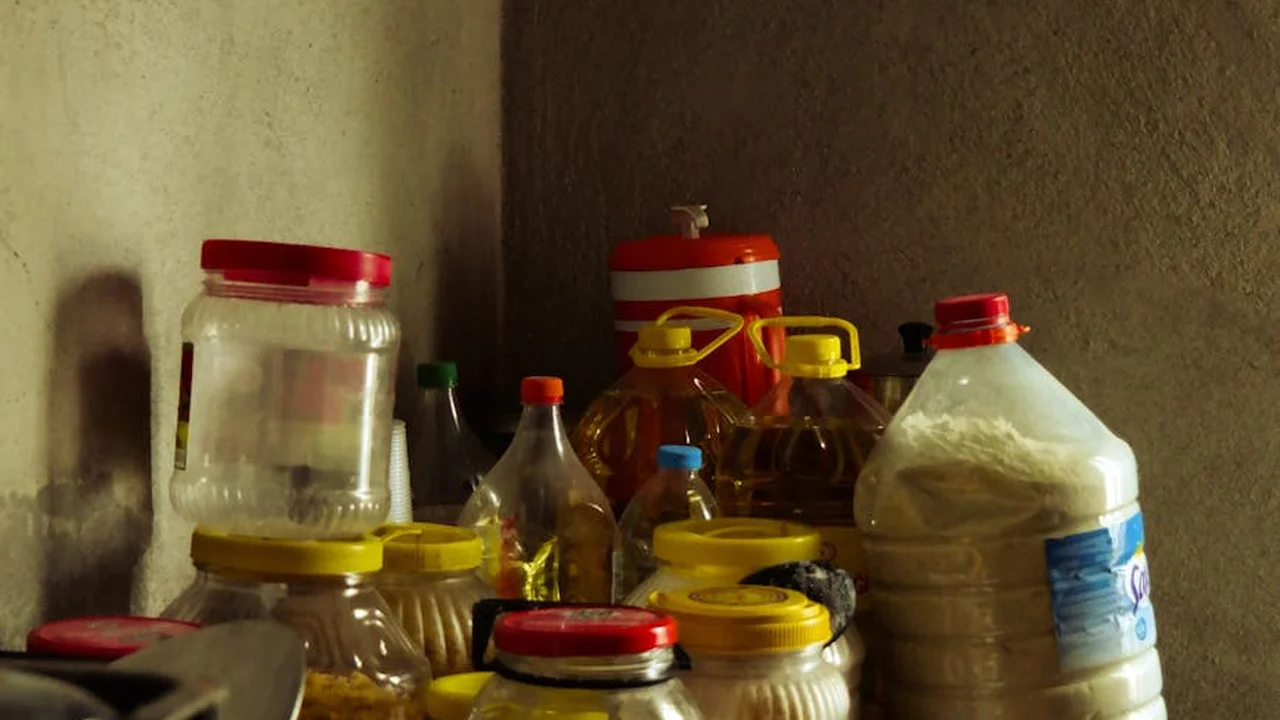
Think of fish oil and your cooking oils as two different kinds of friends. One needs a deep hibernation spot, the other just prefers a shady nook.
Freezing is a brilliant long-term backup plan for fish oil supplements you buy in bulk, but your bottle of olive or avocado oil for the kitchen usually just needs a cool, dark pantry. Thinking about whether to refrigerate cooking oils? There are straightforward guides on proper storage for olive, avocado, and nut oils that explain when refrigeration helps and when it isn’t necessary. I keep my daily-use vegetable oils in a cupboard away from the stove and fridge. My extra fish oil capsules? Those live in the freezer until I need a new bottle.
Freezing Can’t Reverse Time
You can’t un-spoil milk, and you can’t un-rancid oil. Freezing only slows future damage.
Always check your oil before you freeze it. If it smells like old crayons, wet cardboard, or just seems “off,” the freezing ship has sailed. I learned this the hard way with a prized bottle of walnut oil I tried to rescue. The freezer just preserved its disappointment.
Skip the Original Bottle
That big, slick bottle of oil is not freezer-friendly. Glass can crack, plastic can become brittle, and all that empty space invites frost.
For fish oil capsules, keep them in their original airtight bottle. For liquid oils, repackage into smaller, freezer-safe glass jars or containers, leaving a little room at the top for expansion. Note that the best storage methods for different oils can vary—olive oil and coconut oil usually stay best in a cool, dark place, while essential oils are kept in small, dark bottles away from heat. I use small mason jars for this. For tiny portions, like a tablespoon of neem oil for a hair treatment, I freeze it in an ice cube tray first, then pop the cubes into a sealed bag.
The Thaw-Freeze Cycle is the Enemy
Every time you take oil out to thaw, you introduce warmth and moisture. Putting it back re-freezes those changes, which stresses the oil and breaks it down faster.
Plan ahead. Portion your oil into amounts you’ll use completely in one go, so you only thaw what you need. This “small batch” rule is my favorite kitchen and apothecary habit. It keeps everything fresher, longer.
Your Curious Questions Answered
What containers are truly suitable for freezing these oils?
Small, airtight glass jars are my top choice-they don’t leach chemicals and protect flavor beautifully. Always ensure whatever container you use is labeled “freezer-safe” to prevent cracking and keep odors out.
Should you thaw and refreeze these oils?
Avoid refreezing if possible, as each temperature cycle introduces condensation and oxidative stress. For best results, thaw only the amount you’ll use within a few weeks and store that portion in the refrigerator.
Does freezing affect the nutritional value of fish oil and vegetable oil?
Freezing preserves the core nutritional profile by dramatically slowing oxidative damage. You may see texture or clarity changes upon thawing, but the beneficial fats remain intact and potent.
What is the key difference in freezing fish oil versus vegetable oil?
Fish oil, with its extremely fragile omega-3s, benefits more critically from the deep freeze to prevent rancidity compared to vegetable oils like flaxseed oil. Most vegetable oils are a bit more resilient, but freezing is still a fantastic long-term preservation tool for both.
Your Oils, Preserved with Care
Keeping your oils fresh is mostly about keeping them away from air, light, and heat. My single best piece of advice is to transfer oils into smaller, dark glass bottles, fill them to the very top to leave no room for air, and store them in the freezer-this simple habit is the guardian of their potency and your peace of mind. It’s a small act of care that makes a world of difference, especially when preserving oils like coconut and olive oil.
I share these methods from my own apothecary shelf, where they protect everything from delicate evening primrose oil to my cooking argan oil. Trusting these steps means you can confidently use every last drop for your body, skin, hair, and home, knowing their beneficial properties are fully intact.
Relevant Resources for Further Exploration
- Oil freezing | Managing thermal fluids | Winter shut down
- What is the Freezing Point of Motor Oil and What Can You Do About It? – HeatAuthority
- Frozen Vegetable Oils: What To Do When Oil Freezes
- Freezing Olive Oil – The Olive Oil Source
- What You Should Know About Motor Oil Freezing Point – Powerblanket
- Does Olive Oil Freeze?
Noemi Kamińska
Noemi is an accomplished wellness researcher, nutrition care guide and body care expert. She has years of experience in formulating various oil combinations for full body wellness including face, hair, body care, essential oils and cooking oils. She works as a bio-formulator working with oil chemistry and analyzing the best formulations when it comes to your needs. Feel free to reach out to get your oil needs sorted.