
How Can You Make Lemon Essential Oil and Extract Orange Oil from Peels at Home?
You might feel hesitant, thinking extracting oil from citrus peels needs complex gear. I promise you, with a few jars and some patience, you can create vibrant oils right on your countertop, just like I do.
My goal is to give you clear, safe steps that work from my own experience in the kitchen.
- Why cold-pressing is ideal for citrus and what you can really make at home.
- My preferred method for getting the most oil from lemon peels.
- How to coax the warm, sunny oil out of orange peels without waste.
- Smart, simple ways to use your oils in body care and around the house.
Key Takeaways for Your Homemade Citrus Oils
Let’s start with a gentle truth. When you make oil from peels at home, you are creating a wonderfully fragrant infused oil or essence.
It is not the same as a true steam-distilled essential oil, which requires professional equipment to capture the full volatile compounds.
But please, do not let that discourage you. The oil you create on your kitchen counter is powerful, beautiful, and incredibly useful.
The Core Benefits of Your Homemade Citrus Oils
These bright oils offer three main gifts.
- They lift your mood. The scent is an instant burst of sunshine for your senses, perfect for diffusing or wearing as a personal perfume.
- They clean naturally. Add a few drops to vinegar or baking soda pastes for a fresh-smelling, non-toxic scrub for surfaces.
- They care for wood and skin. When blended properly, they can condition a wooden spoon or soften your hands.
The Number One, Cannot-Skip Rule
If you want to use these citrus oils on your skin, you must dilute them.
Always mix your homemade citrus oil into a bland carrier oil like jojoba, sweet almond, or even plain olive oil before it touches your body. The choice of carrier oil matters for skin safety and how well the essential oil is diluted. Different carrier oils offer different skin benefits and dilution levels, so choosing the best carrier for your skin is key.
This protects your skin from irritation. I keep a small bottle of pre-diluted lemon oil in my apothecary just for hand massage after gardening.
A Crucial Safety Note: Sun Sensitivity
Citrus oils contain compounds that react with sunlight.
Applying citrus oils to your skin and then going into the sun can cause a severe burn or dark pigmentation, a reaction called phototoxicity.
If you use a citrus oil blend on your skin, stay out of direct sunlight for at least 12 hours. I use mine at night for this reason.
Citrus Oil Quick Snapshot: Lemon vs. Orange
| Aspect | Lemon Oil | Orange Oil |
|---|---|---|
| Primary Scent Note | Sharp, crisp, awakening | Sweet, warm, comforting |
| Best for Wood Care | Light conditioning for hardwoods; less residue | Rich conditioning; can darken wood slightly over time |
| Skin Suitability | Better for oily, congested skin; astringent | Gentler for dry or sensitive skin; more soothing |
| Topical Dilution | 1% or less (about 6 drops per ounce of carrier oil) | 1-2% (up to 12 drops per ounce of carrier oil) |
| Homemade Shelf Life | 6-9 months in a cool, dark place | 8-12 months in a cool, dark place |
Expanding the Snapshot: Scent & Texture
Think of lemon oil’s scent like a cold, clear morning. It’s sharp, almost prickly, and cuts through mental fog. Orange oil smells like a warm hug. It’s round, juicy, and deeply comforting.
In texture, homemade lemon oil often feels lighter. Orange oil can be slightly thicker and richer, leaving a more noticeable nourishing feel on wood.
For Your Wooden Surfaces
I reach for lemon oil on my oak kitchen table. It cleans and conditions without a heavy residue. For lemon oil vs orange oil on tired, thirsty wood like an old dresser, orange oil is my choice. It feeds the wood more deeply, though it may gently warm its color over many applications. Are you curious about the best oils for furniture or cutting boards, how to apply them, and how long they take to dry? These details influence your choice and technique.
For Your Skin
Lemon oil’s astringent quality makes it a friend for oily or acne-prone skin when used sparingly. Orange oil is my go-to for a relaxing, skin-softening bath blend or to add a sweet note to a body oil for dry skin. Beyond skin care, orange essential oil is also noted for mood elevation and gentle cleaning uses. That makes orange essential oil a versatile addition to beauty and home routines.
For Your Guitar
This is a common question from my musician friends. For rosewood or ebony fingerboards that need regular, light cleaning, a true lemon oil product (often mineral oil with lemon scent) is standard. For a dried-out wooden instrument body that needs deep conditioning, a well-filtered homemade orange oil can be beneficial, but always test on a small, hidden area first.
Making Them Last
Homemade oils don’t last forever. Store them in a dark glass bottle in a cupboard, not on a sunny windowsill. If the smell turns “off” or funky, it’s time to make a fresh batch. I write the date right on my bottle with a grease pencil. To stretch their shelf life, watch for spoilage signs like rancid odor or off taste. Keep bottles cool and tightly sealed to preserve freshness.
How Do You Make Lemon Essential Oil at Home?
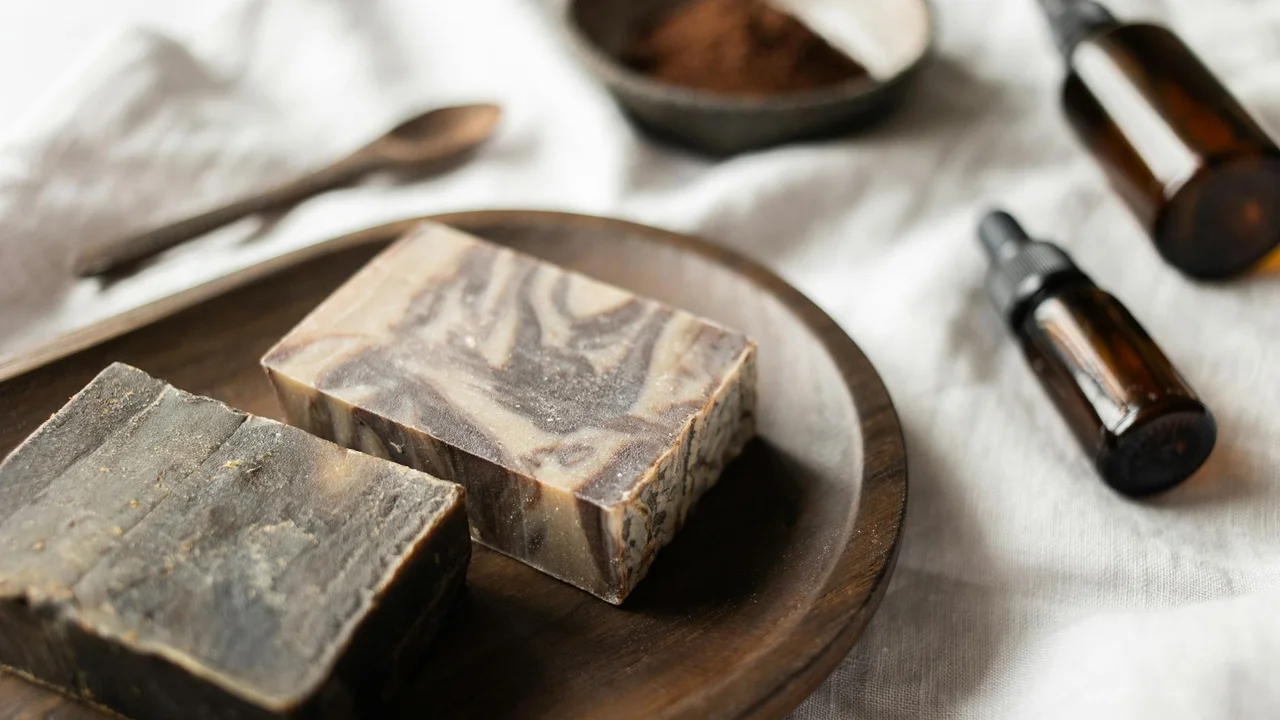
Let’s be clear about what we’re making. At home, you create a beautifully fragrant infused oil, not a pure essential oil, which requires steam distillation. The two main paths are a slow cold infusion or a quicker warm method.
The heart of “how to extract oil from lemon peel” is patience, not speed; time allows the citrus oils to gently seep into your carrier oil.
Gathering Your Lemons and Tools
Start with the best fruit you can find. Organic, unwaxed lemons are ideal because you want the zest, not any chemical coatings.
Give them a good scrub under warm water and dry them completely. Any water left can make your oil spoil.
Your tool list is simple:
- A sharp vegetable peeler or microplane zester
- A very clean, dry glass jar with a tight lid
- A light carrier oil like olive, sweet almond, or fractionated coconut oil
- Cheesecloth or a fine-mesh strainer for later
The Cold Infusion Method (Most Simple)
This is my go-to method. It’s easy and the results have a lovely rounded scent.
- Use your peeler to remove just the yellow zest, avoiding the bitter white pith underneath.
- Loosely pack the zest into your clean jar, filling it about halfway.
- Pour your chosen carrier oil over the zest, making sure it’s completely submerged.
- Seal the jar tightly and give it a gentle shake.
- Store the jar in a cool, dark place like a pantry for 2 to 4 weeks. Shake it gently every day or two.
You’ll see the oil slowly turn a pale, sunny yellow.
The final step is to strain the oil through a few layers of cheesecloth into a dark glass bottle, squeezing every last drop from the zest.
A Faster Warm Method
If you need that sunny scent sooner, this method helps. You must use very low, indirect heat.
Place your zest and oil in a heat-proof bowl. Set that bowl over a pot of gently simmering water, making sure the bowl doesn’t touch the water.
Let this warm bath work for 2 to 3 hours, stirring occasionally. Keep the heat low-you should just see a faint steam.
High heat will cook the zest, giving the oil a burnt, bitter smell instead of a bright lemon fragrance.
Let the oil cool completely before straining. The scent will be brighter and sharper than the cold infusion, but I find it sometimes lacks the subtle depth.
What to Do with Your Leftover Lemon Peels
Don’t toss those spent peels! They still have life.
I often pack them into another jar and cover with white vinegar to make a powerful citrus-scented cleaning spray in about two weeks.
You can also dry them on a low oven setting and add them to a bowl of potpourri for a fresh scent.
How to Extract Orange Oil from Peels
Extracting orange oil follows a similar spirit but feels different in your hands. Orange peels are often thicker and spongier, packed with fragrant oils.
You’ll find the process is nearly identical, but the scent profile you end up with is wonderfully distinct-warmer and sweeter than lemon.
Choosing and Preparing Your Oranges
Your orange choice changes the game. A classic navel orange gives a familiar, sweet scent. Valencia oranges are juicier and vibrant. Blood oranges offer a hint of berry-like depth.
Again, organic and unwaxed is the goal. The texture of orange zest is softer than lemon and has more pith, so take care.
I use a very sharp peeler and a light touch to get long, thin curls of just the orange outer layer.
Step-by-Step Orange Oil Extraction
The cold infusion method is perfect here. Follow the same steps as with lemon: zest, jar, oil, seal, store, and shake.
For orange oil, I recommend a longer infusion of 3 to 5 weeks; the extra time pulls out a richer, more rounded fragrance from those thick peels.
You can use the warm double-boiler method if you’re in a hurry, but for the truest orange essence, patience with the cold method is worth it.
Why I Prefer the Cold Method for Orange
On my shelf, I have a small bottle of cold-infused blood orange oil from last winter. I let it sit for a full six weeks.
The scent is incredible-deep, warm, and slightly spiced, without a single sharp note. Heat would have rushed the process and lost that complexity.
That bottle reminds me that good things come from not rushing.
Giving Leftover Orange Peels a Second Life
Orange peels are fantastic for home fragrance. Simmer a handful of spent peels with a cinnamon stick and a few cloves in a pot of water on the stove.
Your whole home will smell welcoming and cozy.
If you’re feeling crafty, you can make candied peels or dry and powder them. A pinch of that homemade dried orange powder is magic in an olive oil cake or mixed into a sugar scrub.
Putting Your Oils to Work: Uses and Blends

Now for the fun part. Those little bottles of sunshine are ready to use. I organize my blends by where they live: in the bathroom for body care, under the kitchen sink for cleaning, and on a special shelf for my woodworking projects.
For Your Skin and Hair
People often ask me about orange oil versus lemon oil for skin. Think of them as siblings with different personalities. Lemon is the clarifying, brightening one. Orange is the comforting, nourishing one.
For a quick, clarifying face serum, I make a 1% dilution. In a 1-ounce (30 ml) glass dropper bottle, combine 29 ml of jojoba oil with 6 drops of your homemade lemon-infused oil. Jojoba is light and mimics skin’s natural oils. Apply just 2-3 drops to a clean, damp face in the evening, never before sun exposure. It’s especially beneficial when used for face, hair, and scalp care.
For a nourishing body oil, orange is my favorite. In a 2-ounce bottle, mix 58 ml of sweet almond oil with 12 drops of your orange-infused oil. The almond oil is rich in vitamin E and feels silky. This blend is wonderful after a shower. If you’re curious about how to mix essential oils with carrier oils for safe, effective body treatments, there are simple guidelines to follow. Starting with proper dilution and a patch test helps keep your skin happy.
For an oily scalp, try a simple rinse. Add just one drop of your lemon oil to a cup of cool water. After shampooing, pour this slowly over your scalp, massage gently, and rinse. Do not use it if you have any cuts or sensitive spots. On days when you want to remove excess oil without washing, try quick no-wash options. Dry shampoo or oil-absorbing sheets can refresh your roots between washes.
I keep my phototoxicity warning on a sticky note near my oils. Lemon oil can make your skin very sensitive to sunlight, causing burns or dark spots if you go outside within 12 hours of applying it. This means no lemon oil on your hands before gardening in the morning, and never on your face before a sunny walk. Use these citrus skincare blends at night only.
For a Happy, Fresh Home
My favorite all-purpose spray cleaner lives in a repurposed bottle. It cuts through grease and leaves a clean scent.
Simple Citrus Cleaning Spray:
- 1 cup white vinegar
- 1 cup water
- 15 drops of either your lemon or orange infused oil
Combine in a spray bottle, shake well before each use, and avoid using on natural stone like granite or marble.
For the air, diffuser blends are lovely. For an energizing morning lift, I use 3 drops of lemon oil and 1 drop of peppermint essential oil in my diffuser. It smells like a fresh start. For evening relaxation, I blend 3 drops of orange oil with 2 drops of lavender essential oil. It creates a warm, calm space.
For Wood Care and Furniture
The question of lemon oil versus orange oil for furniture comes down to the wood’s color and your goal. Lemon oil has a lighter, sharper scent and can have a mild bleaching effect over many, many uses. Orange oil is slightly richer and often better for enhancing warm tones.
Here’s a simple guide I use in my own shop:
For friends in Australia asking about lemon versus orange oil for furniture there, consider your local timber. For a pale wood like Tasmanian oak, lemon oil is a great match. For a rich, red wood like Jarrah, orange oil will make its deep color sing.
My go-to conditioning polish is easy to make and lasts ages. You’ll need:
- 1/4 cup beeswax pellets
- 3/4 cup of your chosen citrus-infused oil (I use orange for most furniture)
- 5-10 drops of the matching pure essential oil (optional, for extra scent)
Melt the beeswax and infused oil together using a double boiler. Let it cool slightly, stir in the essential oil if using, then pour into a tin. Let it set completely. Apply a small amount with a soft cloth, let it sit for 15 minutes, then buff to a gentle shine.
Common Mistakes and How to Avoid Them
I’ve made a few of these myself over the years. Learning from them is part of the process.
Using the Wrong Citrus or Oil
Never use bottled lemon juice. The water and additives will make your oil spoil quickly, creating mold. You only want the pure zest and oil from the peel.
Always choose a food-grade, fresh carrier oil like olive, sunflower, or jojoba. Avoid mineral oil or hardware-store “lemon oil” which is often just scented mineral spirits. Using a non-food-grade oil means you cannot safely use your infusion for body care later.
Also, lemon balm essential oil comes from the lemon balm herb, not a citrus fruit. You cannot make it from lemon peels. They are completely different plants.
Rushing the Process and Safety Slips
Do not use high heat to try and speed up the infusion. It cooks the peels and the oil, giving you a bitter, unpleasant smell. Patience on a sunny windowsill or using the slow, cold method is always better.
Never apply your undiluted infused oil directly to your skin. It is still potent. Always dilute it in another carrier oil. And I will say it once more: respect phototoxicity. Plan your citrus skincare for evening routines to keep your skin safe.
Poor Storage and Short Shelf Life
Citrus oils are fragile. Light, heat, and air are their enemies, turning them rancid. Always store your finished oil in a dark glass bottle (amber or cobalt blue) in a cool, dark place. I keep mine in the fridge door, which can extend their life to about 6 months.
You will know your oil has gone bad. The bright, cheerful citrus smell becomes flat, waxy, or just “off.” The oil may look cloudy. If you’re unsure, trust your nose. When it no longer brings you joy, it’s time to compost the oil and make a fresh batch.
Your Questions, Answered
Can I use my homemade lemon or orange oil in an olive oil cake?
Absolutely! For baking, use the oil from your cold infusion method, as heat-treated oil can have a bitter note. It will impart a beautiful, subtle citrus flavor to your cake that pure extracts can’t match.
Is homemade lemon or orange oil safe for my guitar’s fretboard?
For routine cleaning of unfinished wood like rosewood, a commercially prepared, instrument-specific lemon oil is safest. You can use your well-strained homemade orange oil sparingly to condition a severely dry wooden body, but always test on an inconspicuous area first.
What’s the real difference between lemon and orange oil for conditioning wood cabinets?
Lemon oil offers lighter conditioning with less residue, ideal for keeping light wood cabinets bright. Orange oil provides richer nourishment and can enhance warm wood tones, making it better for adding depth to medium or dark-stained cabinets.
You mentioned Australian furniture; which oil is better for common woods there?
For pale woods like Tasmanian Oak or Cypress Pine, lemon oil complements their lightness. For the rich, red hues of Jarrah or Red Cedar, orange oil will deepen and highlight their beautiful natural warmth perfectly.
Final Thoughts on Your Citrus Apothecary
The single most important piece of advice I can give you is to embrace patience. True botanical oil extraction is a slow conversation with the plant, not a quick demand. The gentle, cold infusion method I keep on my own shelf rewards that patience with the most authentic, usable citrus oil for your home.
I trust you’ll experiment with these methods and trust your own senses as you blend for wellness. There is a profound satisfaction in creating something so vibrant for your skin, hair, and home with your own hands.
References & External Links
- r/DIYfragrance on Reddit: How can i make a DIY fresh citrus fragrance with only 3 essential oils?
- 3 fresh citrus DIYs using homemade essential oils – YouTube
- Making Your Own Citrus Essential Oil From Scrap Fruit Peels – Steemit
- Citrus Sunshine: DIY Recipes Bursting with Citrus Essential Oils
- How to Extract Oil from Fruit Peels: 2 Best Ways
- DIY Citrus Essential Oil Spray – Aromatherapy Mist Recipe – Loving …
Noemi Kamińska
Noemi is an accomplished wellness researcher, nutrition care guide and body care expert. She has years of experience in formulating various oil combinations for full body wellness including face, hair, body care, essential oils and cooking oils. She works as a bio-formulator working with oil chemistry and analyzing the best formulations when it comes to your needs. Feel free to reach out to get your oil needs sorted.