How Did Shea Butter Journey From African Villages to Your Beauty Shelf?
You might love shea butter in your lotion but feel unsure about its origins. I keep a jar of raw shea on my own shelf, and knowing its story makes every application feel more meaningful and effective.
This article walks you through shea butter’s incredible path, showing how its traditional roots are the source of its modern magic.
- Its history and cultural significance
- How it’s made, from nut to butter
- Key benefits for skin and hair
- How to choose a high-quality product
Where Did Shea Butter First Grow and Why Does It Matter?
Shea butter comes from the nuts of the Vitellaria paradoxa tree, which grows across the dry, sun-baked savannas of West and Central Africa. This origin is everything. The specific soil, climate, and generations of care shape the butter you eventually scoop from a jar.
For centuries, communities across this belt, from Senegal to Sudan, have nurtured these trees. Knowledge of the harvest and process wasn’t written in books. It was passed from grandmothers to mothers to daughters, a quiet rhythm as steady as the seasons. This deep, traditional knowledge is the true root of every shea butter benefit we celebrate today.
Locally, it was called “women’s gold.” Long before it reached global beauty shelves, this butter was currency for community wellness. It protected skin from the harsh dry wind, soothed a child’s scrape, and was central in cooking and spiritual rituals. Its value was woven into daily life.
The Tree and the Tradition
The journey starts with a green fruit. Inside the fleshy pulp is a nut with a hard, wooden shell. Crack that open, and you find the precious kernel, rich with pale fat. The process of turning that kernel into butter is long. It involves drying, crushing, roasting, and hand-kneading.
This craft has been traditionally women’s work. It creates a vital economic foundation, allowing women to support their families. The social structure built around shea butter ensures this wisdom and its rewards stay within the community that cultivates it. On my shelf, a tin of unrefined shea butter feels heavy with this history.
From Local Staple to Global Ingredient
The path to international fame was slow. Early cosmetic makers noticed its remarkable stability and skin-softening power. You might recall some of the first mass-market lotions to feature it, promising intense moisture for dry, ashy skin.
Global adoption didn’t happen because of a clever marketing slogan. It happened because the fundamental, nourishing properties of shea butter worked exactly as promised. The world simply caught up to what African villages had known for generations, setting the stage for us to look closer at what makes it so special.
What’s Inside Shea Butter That Makes It So Nourishing?
Think of shea butter as a powerful, natural skin food. Its magic lies in a unique blend of fats and healing compounds that work together without clogging your pores.
It’s packed with fatty acids. Oleic acid helps it melt and absorb into your skin, much like olive oil. Stearic acid is a thicker fat that sits on the surface, forming a gentle, protective barrier that locks in moisture. This one-two punch is why it’s so good for both hydration and protection. The chemistry of carrier oils—specifically their fatty acids—helps determine the skin benefits you experience.
The potency of these ingredients is directly tied to its origins and how it’s made. Butter from trees grown in their native savanna, processed with care, will have a richer, more complete nutrient profile.
Then come the unsung heroes: vitamins and antioxidants. Shea butter contains vitamins A and E, which help soothe irritation and support skin repair. Its natural antioxidants act like tiny shields, defending your skin from environmental stress. This is why it’s cherished for soothing everything from dry patches to minor scrapes.
Unrefined shea butter retains the highest levels of these nutrients. Refining, which bleaches and deodorizes it, strips away much of this goodness for a longer shelf life and neutral smell. For your skin and hair, the earthy, nutty-scented unrefined butter is almost always the more nourishing choice, despite some myths that refining oils removes all nutrients. It’s the difference between fresh, whole food and a highly processed version.
How Is Raw Shea Butter Made, From Nut to Butter?
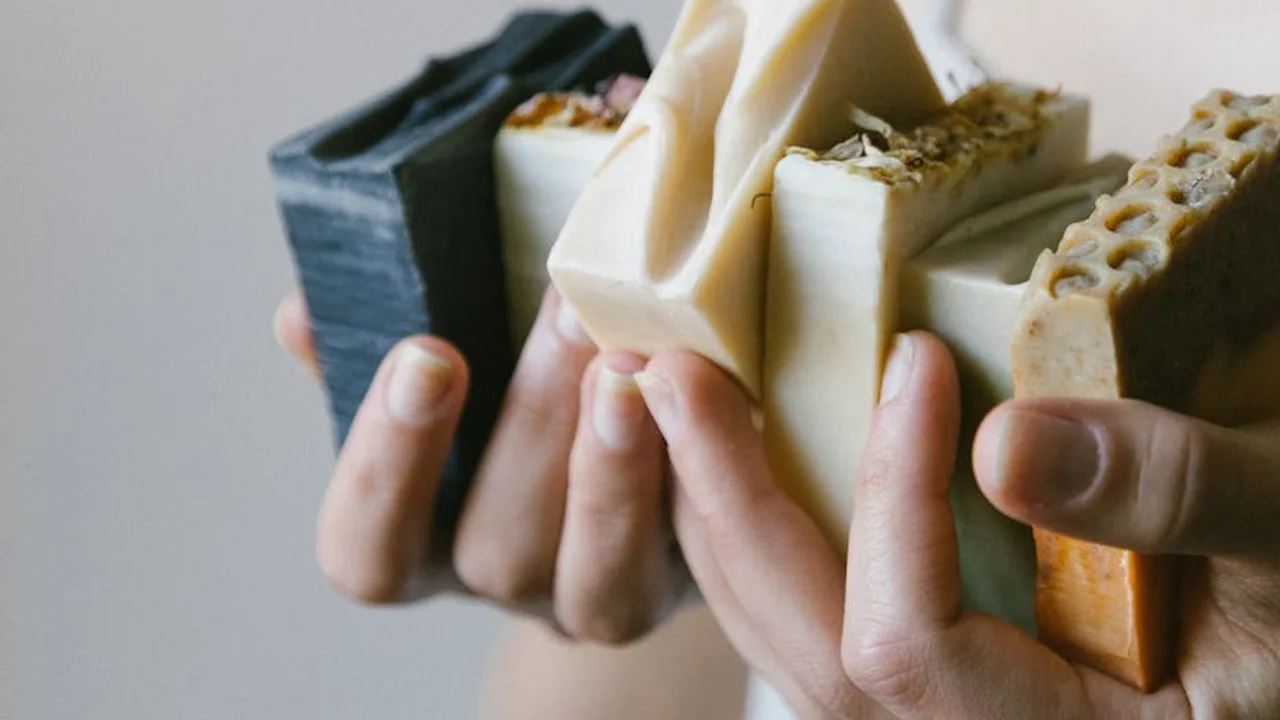
This journey is a true labor of love and communal effort. I’ve watched artisans work, and the skill required is profound. It transforms a hard nut into a creamy, skin-loving butter.
The Traditional Artisan Process
Women’s collectives often lead this work, passing knowledge through generations. The process is slow and entirely by hand.
- Harvesting: Fruits fall from the wild shea trees in the rainy season. The pulp is eaten, and the precious nuts inside are collected and cleaned.
- Boiling & Drying: Nuts are boiled to clean them and stop germination. They’re then sun-dried for days until they rattle in their shells.
- Crushing & Roasting: The dried nuts are manually crushed to remove the shells. The kernels are then roasted in large pots over fire. The scent of roasting shea nuts is warm, smoky, and deeply nutty, like nothing else.
- Grinding: The roasted kernels are ground into a thick, dark paste. Water is added slowly during grinding.
- Separating: The paste is kneaded by hand in large basins of water. The oils rise and coagulate into pale butterfat, which is skimmed off.
- Whipping & Shaping: The fresh butter is whipped to a smooth consistency and often shaped by hand into balls or blocks.
The texture of freshly whipped, unrefined shea is rich and dense, with a slight graininess that melts on skin contact. This minimal, heat-based process preserves the butter’s full spectrum of vitamins and phytosterols. The final product has that distinct, earthy aroma.
Modern Processing and “Raw” vs. Refined
Large-scale production uses mechanical presses and grinders. This is efficient for volume. The key difference lies in what happens next.
Truly raw, unrefined shea butter undergoes no further processing after the initial separation and whipping. It keeps its natural color and scent. Refined butter is filtered, deodorized, and sometimes bleached with clay or chemicals to make it odorless, white, and smoother. Refining creates a more cosmetic-friendly butter but can strip away some of the beneficial compounds that make shea so therapeutic. I always keep a jar of raw, unrefined butter in my own apothecary for my most nourishing recipes.
Raw, Refined, or Liquid: Which Shea Butter Should You Choose?
Walking down a beauty aisle, the options can be confusing. Your choice depends entirely on your priority: maximum potency or neutral simplicity.
Your Shea Butter Selection Guide
Here’s a simple breakdown to help you decide.
- Raw / Unrefined Shea Butter:
- Color & Scent: Ivory to beige. It has a strong, nutty, smoky aroma.
- Texture: Often grainy or crumbly when cool, melting smoothly on warm skin.
- Nutrient Retention: Highest. It’s packed with vitamins A and E, and healing compounds.
- Best For: Therapeutic skin repair (eczema, very dry patches, scars), intense overnight treatments, and DIY balms where scent is welcome.
- Refined Shea Butter:
- Color & Scent: Pure white with little to no natural scent.
- Texture: Consistently smoother and creamier straight from the jar.
- Nutrient Retention: Moderate. Some beneficial properties remain, but it’s less potent than raw.
- Best For: Daily all-over body moisturizing, facial creams, and blending with delicate essential oils where you don’t want the shea scent to interfere.
- Ultra-Refined Shea Butter:
- This is heavily processed. It’s very white, odorless, and has a silky texture. Most of the natural healing constituents are removed, leaving primarily the emollient fats. Think of it as a basic moisturizing ingredient.
- Liquid Shea (Shea Oil):
- This is not simply melted butter. “Shea oil” is created by fractionating the butter, removing the solid stearic acid portion. It’s a processed oil that stays liquid at room temperature but lacks the buttery, skin-protecting thickness. It’s a light moisturizer best for hair serums or light body oils.
Smart Shopping and Storage Tips
Reading labels is your best tool. Look for “unrefined” or “raw” if you want the full benefits. Be cautious of the term “pure shea oil”; it’s not the same as the butter and behaves differently.
To keep your shea butter fresh and effective, store it properly. Keep it in a cool, dark place, away from direct sunlight and moisture. A bathroom cabinet is fine, but not the shower ledge. Properly stored, high-quality unrefined shea butter can last 1-2 years. Refined versions last even longer. If you buy in bulk, store a small amount in a separate jar for daily use to avoid contaminating the main batch. Similarly, cooking oils have their own shelf lives and spoilage signs—watch for off smells or rancidity. We’ll cover practical storage and freshness checks for these oils in the next steps.
How Can I Use Shea Butter for My Skin, Hair, and Home?
Its real magic happens when you get your hands in it. Here is how I use the jar from my own shelf.
For Your Skin
Start with a tiny amount. Warm a pea-sized dollop between your palms until it melts into a silky oil.
This simple act transforms its waxy texture into something your skin can drink in deeply.
For rough elbows or heels, I make a focused salve. I gently melt two tablespoons of shea butter in a bowl over warm water.
Then I stir in ten drops of lavender essential oil and mix it with a carrier oil before pouring it into a small tin. It sets into a rich balm perfect for targeted repair.
After a shower, on damp skin, I use a bit more shower oil for the purest, most soothing lip treatment. It locks in moisture for the whole day. I also scoop a little into a reused lip balm tube for the purest, most soothing lip treatment.
For Your Hair
My curly-haired friends swear by this. For a pre-wash treatment, take about a teaspoon of shea butter.
Rub it vigorously between your hands until it becomes completely liquid and warm.
Apply this mainly to your hair’s mid-lengths and ends, avoiding the roots, and leave it for 20 minutes before shampooing. If you’re unsure whether to apply oil before or after washing, timing can vary by hair type, and the next steps cover the best practices for different hair types.
This gives intense hydration without weighing hair down. To tame daily frizz, use even less-just a dab on your fingertips smoothed over dry ends works wonders.
For Wellness & Home
Its soothing properties extend beyond daily beauty. I keep a small tin by the sink for hands irritated from gardening or washing.
A thin layer on a minor scrape or insect bite can feel wonderfully calming. Beyond the body, I use it on my wooden cutting boards and spoons.
Rubbing a small amount into clean, dry wood conditions it naturally, bringing out a soft, nourished glow without any synthetic chemicals.
Common Mistakes and How to Avoid Them
A little knowledge helps you get the best from this rich butter. Here is what I see people get wrong.
Using Too Much
This is the biggest error. Shea butter is potent. Using more than a pea-sized amount for your face or body often leaves a greasy film that never fully absorbs, unlike some lightweight oils for oily and combination skin.
Start with less than you think you need-you can always add a touch more.
Applying It to Wet Hair
Applying pure shea butter to soaking wet hair can create a water-repelling barrier. Your conditioner and treatments cannot penetrate it.
Always apply to dry hair for a pre-wash treatment or to damp (not dripping) hair for styling.
Expecting Instant Miracles
While it is fantastic for moisture, deep cracks or calluses need consistent care. Apply your shea salve nightly and wear cotton socks. Improvement comes with patience over days, not hours.
Forgetting a Patch Test
Though generally very safe, its rich consistency can clog pores for some, especially on the face or chest.
Always do a patch test on your inner arm before using it on a new, larger area of skin.
Misunderstanding Sun Protection
While it has a natural SPF of about 3-6, this is not enough for dedicated sun protection. Never use shea butter as a substitute for proper sunscreen on a sunny day.
Overlooking the Source
This ties back to its beautiful history. The quality and ethics matter.
Look for unrefined, raw shea butter and check for fair-trade or women’s cooperative certifications. This ensures you get a pure product and that your purchase supports the communities who have nurtured this knowledge for generations.
Your Shea Butter Questions, Answered
Why is it sometimes called “Women’s Gold”?
This beautiful name reflects its traditional economic and social role. For generations, the knowledge and labor of producing shea butter has provided vital income and autonomy for women’s cooperatives across Africa.
Does its country of origin affect the quality?
Yes, subtly. While the *Vitellaria paradoxa* tree grows across a wide belt, regional soil and climate can influence the butter’s texture and nutrient profile. The most important factor is the care taken in harvesting and traditional, minimal processing.
I see “raw” and “unrefined”-are they different?
Typically, no-these terms are often used interchangeably to mean the butter hasn’t been bleached or deodorized. Both describe the most nutrient-rich, traditionally made shea butter with its natural color and earthy scent.
How can I ensure my purchase supports the communities of origin?
Look for certifications like Fair Trade or direct references to women’s collectives on the product label. This helps ensure the artisans receive equitable compensation for their skilled work and cultural heritage.
From Your Hands to Your Heart
The greatest lesson shea butter offers is to choose quality first. Selecting a raw, unrefined butter honors its origins and gives your skin the fullest, most natural nourishment.
I hope you feel inspired to make this beautiful butter a part of your own rituals. There’s always more to learn, and I share what I know from my own apothecary shelf right here for you.
Noemi Kamińska
Noemi is an accomplished wellness researcher, nutrition care guide and body care expert. She has years of experience in formulating various oil combinations for full body wellness including face, hair, body care, essential oils and cooking oils. She works as a bio-formulator working with oil chemistry and analyzing the best formulations when it comes to your needs. Feel free to reach out to get your oil needs sorted.