
Which Facial Oils Actually Clog Your Pores?
I see the worry about breakouts every time someone eyes a new oil in my apothecary. Let’s move past the fear and build a skincare routine with oils that truly support your skin’s health.
You will learn a simple, practical method for selecting oils that won’t lead to congestion. We will talk about:
- The real meaning behind comedogenic ratings and scale
- Common carrier oils and their pore-clogging potential
- Why an oil’s fatty acid profile determines its behavior on skin
- How to safely test any oil on your own skin type
What Does “Comedogenic” Really Mean for Your Skin?
Think of the word “comedogenic” as a description of potential, not a guarantee. It simply means a substance has the potential to clog a hair follicle, which is your pore.
A high comedogenic rating does not automatically mean it will clog your unique pores. That rating comes from tests on rabbit ears or on human skin under specific lab conditions, which is very different from your living, changing face.
I learned this the hard way with coconut oil. My shelf holds a beautiful jar of virgin coconut oil I love for my hair and body. On paper, it’s highly comedogenic. For my friend, it causes breakouts instantly. For me, I can use a tiny, well-blended amount on my face without issue. My skin taught me to read the number as a suggestion, not a rule.
How Oils Actually Interact with Your Pores
A clog forms like a tiny traffic jam inside a pore. It needs three things: an overproduction of your skin’s natural oil (sebum), a buildup of dead skin cells, and something sticky enough to glue it all together.
Oils only contribute to clogs under specific conditions, usually when they are too heavy or occlusive for your skin type. A thick oil can trap dead skin and sebum inside the pore, creating that plug.
Imagine your pore is a kitchen sink drain. Your sebum is the water. A light, non-comedogenic oil is like a drizzle of dish soap-it flows right through. A heavier oil is more like grease. If your drain (pore) is already a bit slow from dead skin cells (food scraps), that grease can catch and create a backup.
Your individual result depends on your skin type, your genetics, and even your climate. Humidity can make skin behave differently. What works for your best friend might not work for you, and that’s completely normal.
Making Sense of the Comedogenic Scale
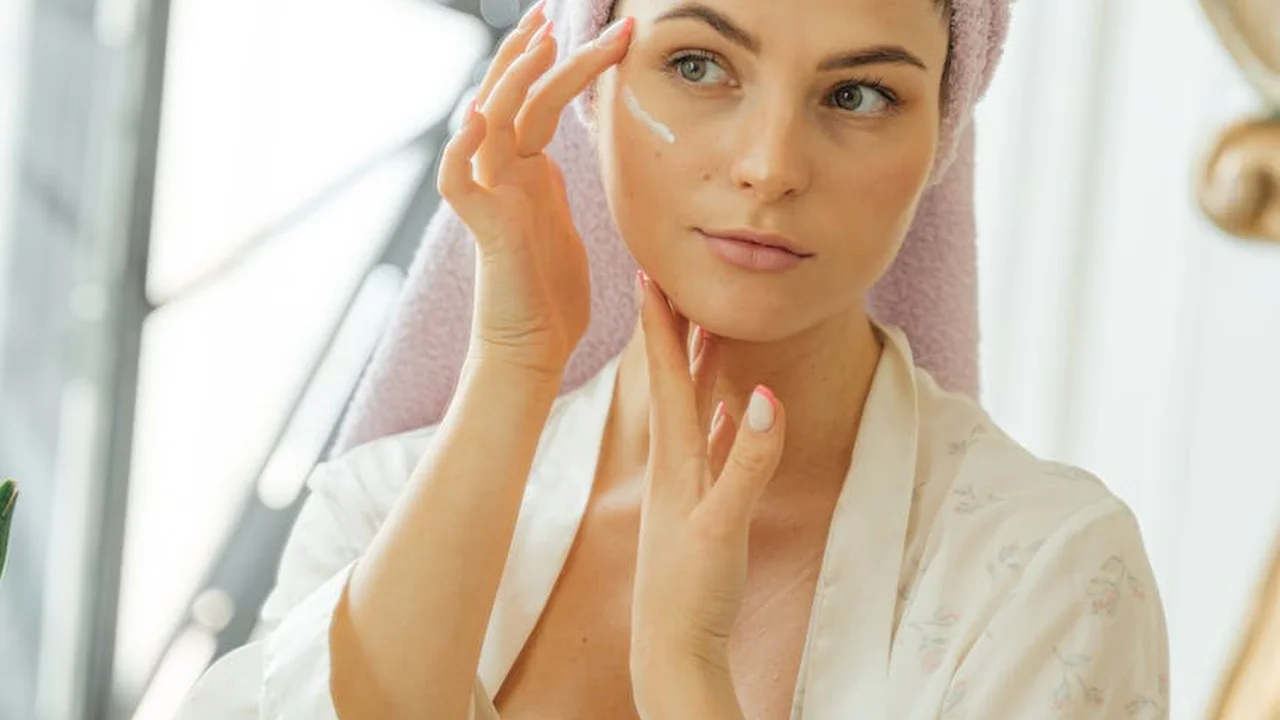
You have probably seen oils labeled with a comedogenic rating from 0 to 5. Think of it like a traffic light for your pores. A 0 means it is very unlikely to clog them, while a 5 signals a high likelihood it will.
It is vital to know these numbers come from lab tests on rabbit ears in the 1970s and are not a guaranteed result on your unique human skin. Your face is not a rabbit’s ear, and your skin’s behavior is influenced by so much more than one old study.
Why Your Skin Might Ignore the Number
Purity, dilution, and your personal skin chemistry change everything. A highly refined oil might behave differently than a raw, unrefined one. Using an oil at 100% strength is a very different story than diluting a few drops into a light lotion.
I think of it like cooking. One strong spice can overpower and ruin a dish. But when blended harmoniously with others, it creates something beautiful. A dense oil alone might cause issues, but mixed with lighter, non-comedogenic carriers, your skin might welcome the blend.
Oils That Often Cause Trouble for Acne-Prone Skin
Some oils consistently get higher ratings (4 or 5) and are frequent culprits for congestion. Here is what I keep an eye on.
Coconut Oil (Often rated 4)
Its texture is solid and rich, melting into a deeply occlusive layer. It is high in lauric acid, which can be comedogenic for many. I love it for my hair and body, but I keep it off my face.
I have seen simple coconut oil cleansers lead to clusters of small clogs along the jawline and cheeks, especially on combination skin. It just sits a bit too heavily for some complexions.
Wheat Germ Oil (Rated 5)
This oil is thick, sticky, and has a distinct, heavy aroma. It is incredibly rich in nutrients but also in a fatty acid profile that is known to be problematic for pores.
I once added it to a nourishing night serum for extra vitamin E. For my dry skin, it was fine, but my friend with oilier skin developed small bumps within a week. We swapped her bottle and they cleared up.
Cocoa Butter (Rated 4)
In its raw, solid form, cocoa butter is thick and waxy. It creates a powerful barrier on the skin, which is wonderful for healing very dry patches on the body but can trap debris on the face.
In my experience, using pure cocoa butter sticks or balms directly on facial acne-prone areas almost always leads to new congestion. It is a fantastic protectant, but not a great facial moisturizer for many.
Safe Alternatives for Similar Benefits
You do not have to give up moisture or nourishment. You just need a smarter swap. Here is what I reach for instead.
Instead of Heavy Coconut Oil, Try Fractionated Coconut Oil
Fractionated coconut oil stays liquid and has had the heavier, more comedogenic fatty acids removed. It feels slick and light, almost like a dry oil, and is rated a 0. I use it as a base for all my facial oil blends and cleansing balms. It gives slip without the weight. In body care and wellness routines, its light, non-greasy slip makes it ideal for massage blends, serums, and lightweight hair oils.
Instead of Wheat Germ Oil, Try Sunflower or Grape Seed Oil
For a dose of linoleic acid (which acne-prone skin often loves), turn to light, golden sunflower oil (rated 0) or clear, almost weightless grape seed oil (rated 1). Both absorb quickly and nourish without that sticky, lingering feel. I use them to dilute vitamin E instead.
Instead of Thick Cocoa Butter, Try Shea Butter or Mango Butter
For a body butter or salve that needs solidity, softer shea butter (rated 0-2) or mango butter (rated 1-2) are my go-tos. They whip up beautifully, feel less greasy, and are much less likely to clog facial pores if a little transfers from your hands. My body butter recipe always uses shea.
Your Skin’s Best Friends: Low-Risk Oils and How to Use Them

Some plant oils feel like they were made just for the face. These are my go-to carriers for most facial blends, and they each have a unique personality.
Jojoba oil is a classic for good reason. It’s not really an oil, but a liquid wax that closely mimics your skin’s own sebum. This makes it remarkably balanced. It absorbs beautifully without feeling greasy or sitting on the skin. This also sets up the discussion on the best uses of jojoba oil for face, hair, and scalp care. These applications make it a versatile option for your routine.
Argan oil feels silky and luxurious. I find it absorbs a bit slower than jojoba, leaving a soft, velvet finish. It’s wonderful for adding a dose of antioxidants and a subtle glow to dull skin. What are the key properties behind these benefits in facial skincare?
Hemp seed oil is what I call a ‘dry’ oil. It’s thin, light green, and sinks in almost immediately. I often recommend it for oilier or combination skin types because it hydrates without any heaviness.
Rosehip seed oil is a powerhouse for skin tone and texture. It has a thinner, almost watery texture and a distinct earthy scent. This oil is a staple on my shelf for supporting skin renewal and calming redness. Production methods vary among oils—argan, jojoba, and rosehip can be produced by different extraction processes that influence texture and potency. Knowing these methods can help you choose the right oil for your skin goals.
Remember, a non-comedogenic rating is a helpful guideline, not an ironclad promise. Your skin is unique. Patch testing a new oil on a small area of your jawline for a few nights is the only way to know for sure.
Building a Simple, Non-Clogging Facial Serum
Creating your own facial serum is simple. You just need one carrier oil and one or two essential oils. Here’s a template I use all the time.
Start with a clean 1-ounce (30ml) glass dropper bottle. Fill it almost to the top with your chosen low-risk carrier oil, like jojoba or hemp seed.
Now, add your essential oils. For facial skin, a 1% dilution is safe and effective. That means 5-6 total drops of essential oil per 1 ounce of carrier oil. These ratios also apply to hair and other skin areas, and choosing the right carrier oil is part of safe blending. In the next steps, you’ll find a guide on proper dilution ratios for hair, skin, and how to mix essential oils with carrier oils.
Try this calming blend for the evening: 1 ounce of jojoba oil, 3 drops of lavender essential oil, and 2 drops of frankincense essential oil. Cap the bottle and gently roll it between your palms to mix.
Apply 3-4 drops to cleansed, slightly damp skin at night, pressing it gently into your face and neck. Follow with your moisturizer if your skin needs it. In the morning, you can use just 1-2 drops under sunscreen.
Smart Ways to Use Oils on Hair, Body, and at Home
Your face is just one part of the story. Oils have a place all over your body, where skin is often less prone to clogging.
The skin on your body and scalp is generally thicker and has larger pores than your facial skin. An oil that feels too rich for your face, like coconut or olive oil, can be perfect for your legs or scalp treatment.
Think of it like clothing. A heavy sweater is wonderful in winter, but you wouldn’t wear it on a hot summer day. Choose your oil for the specific ‘climate’ of that body area.
For a Healthy Scalp and Shiny Hair
For scalp health, I lean towards lighter oils that can penetrate and won’t leave a heavy residue. Jojoba, argan, and even a light fractionated coconut oil are great choices, especially when used for dandruff and hair loss prevention.
Massage a few teaspoons of oil into your dry scalp before a shower. Let it sit for 20 minutes, then shampoo normally. This helps moisturize the scalp and lift away flakes without clogging follicles.
For your hair ends, use just a drop or two of a silky oil like argan. Rub it between your palms and smooth it over the ends only, avoiding the roots. This adds shine and prevents split ends without weighing hair down.
For All-Over Body and Wellness Bliss
After a shower, while your skin is still damp, is the perfect time for a body oil. This is where richer oils shine, especially when used after a shower.
Sunflower, avocado, or even a simple sweet almond oil make incredible all-over moisturizers. They seal in moisture and leave your skin feeling supple and nourished. The skin on your body welcomes this deeper hydration. Are these the best natural oils moisturizers that truly hydrate and nourish the skin? If you’re curious, this topic explains how they deliver lasting hydration.
For a relaxing bath, never add essential oils directly to the water. Instead, mix 5-10 drops into a cup of Epsom salts or a tablespoon of carrier oil first. Stir it into the running bath water. This safely disperses the oils for a soothing, aromatic soak.
Quick Answers from Your Plant Expert
Can a “non-comedogenic” oil still clog my pores?
Absolutely. That rating is a helpful lab guideline, not a personal promise. Your unique skin chemistry always has the final say.
How should I introduce a new oil if I’m acne-prone?
Start with a patch test on your jawline for three nights. If all is clear, use just 1-2 drops blended into your moisturizer to let your skin adjust gently.
Are oils okay to use if I already have oily skin?
Yes, wisely chosen light oils can actually help balance your skin. Oils high in linoleic acid, like hemp seed or grapeseed, can signal your skin to produce less of its own congesting sebum.
What’s the deal with essential oils and clogged pores?
Pure essential oils are potent and should never be applied directly to skin, but they are not typically pore-clogging themselves. The carrier oil you dilute them in is what determines the blend’s comedogenic potential.
Cultivating Clarity with Plant Oils
In my blending work, I always come back to one truth: a comedogenic rating is a helpful starting point, not a final verdict. Your skin’s unique response, discovered through a simple patch test, is the most trustworthy guide you can follow. Beyond personal testing, many readers wonder: are comedogenic ratings relevant to cosmetic oil ingredients in skincare? Understanding how these ratings translate to real products can help you navigate labels and ingredient lists.
I encourage you to experiment with these oils at home, trusting both this advice and your own observations. Your hands-on experience will become your most valuable resource for nurturing your skin, hair, and wellness.
Noemi Kamińska
Noemi is an accomplished wellness researcher, nutrition care guide and body care expert. She has years of experience in formulating various oil combinations for full body wellness including face, hair, body care, essential oils and cooking oils. She works as a bio-formulator working with oil chemistry and analyzing the best formulations when it comes to your needs. Feel free to reach out to get your oil needs sorted.