
Should You Apply Hair Oil to Wet or Dry Hair for Best Results?
If you’re staring at your bottle of argan oil, wondering if it belongs on damp strands or bone-dry locks, you’re not alone. I’ve mixed up my fair share of treatments on my own shelf, and getting this step right transforms how your hair feels.
Here is the key insight: you can use both methods, but the best choice depends on your hair type and the oil you pick. This article walks you through:
- How your hair’s porosity changes oil absorption.
- Which oils I reach for on wet hair versus dry hair.
- My simple, step by step routines for maximum benefit.
- Common pitfalls that lead to greasy or lackluster strands.
How Your Hair Actually Drinks Up Oil: A Simple Anatomy
Think of a single strand of your hair like a tiny, rolled-up pine cone. The outside is made of a protective layer of cells called the cuticle.
These cells lay flat and overlap each other, just like shingles on a roof or scales on a fish. When they’re lying flat, your hair feels smooth and looks shiny.
Now, here’s where water comes in. Hair is absorbent. When it gets wet, the inner part of the strand swells with water.
This swelling gently pushes those outer cuticle “scales” open, like a pine cone opening up in the sun. This is the key difference between wet and dry hair: wet hair has a slightly raised, more open cuticle layer.
When we talk about hair “absorbing” oil, it’s not like a sponge soaking up water. Your hair shaft itself doesn’t drink oil.
Instead, the oil works its way in between those lifted cuticle scales. It coats the hair shaft, smoothing those scales back down and creating a protective barrier.
Picture a closed pine cone. Trying to rub oil on it just coats the outside. Now imagine that same pine cone slightly opened. You can get the oil deeper into the crevices between the scales.
Applying oil to damp hair is effective because the cuticle is already slightly open, allowing the oil to slip between the layers more easily before sealing them down as your hair dries. It’s a smoother entry point.
Your personal hair porosity changes this game. Porosity just means how easily your hair absorbs and holds moisture.
Low porosity hair has very tight, flat cuticles. It can be stubborn to moisturize. High porosity hair has gaps and raised cuticles, so it soaks up everything quickly but loses it fast, too.
If you have high porosity hair, damp application can be a game-changer for managing frizz. For low porosity hair, using a light oil on damp hair helps it accept moisture without just sitting on top.
Debunking the Biggest Hair Oil Application Myths
Let’s clear up some common mix-ups I see all the time in my practice. These little shifts in thinking make a huge difference.
Myth 1: “More oil equals more absorption.”
This is the fastest way to make your hair look greasy. Hair can only hold so much.
Using more oil than your hair can accept doesn’t lead to deeper absorption; it leads to a heavy, oily residue sitting on the surface of your strands. I always tell clients to start with a tiny amount-think 2-3 drops for mid-lengths to ends-and add more only if needed.
Myth 2: “Scalp oiling works the same for everyone.”
If you have an oily scalp, applying a heavy oil from root to tip will likely cause buildup and discomfort.
For oily scalps, I recommend lighter oils and a targeted approach. Focus the oil on the scalp itself for treatment, using just your fingertips, and avoid coating the roots of your hair where sebum is already present. For dry scalps, a fuller application can be more relieving. A scalp-focused routine maximizes effectiveness when kept consistent. This helps natural hair growth oils work where they’re most needed.
Myth 3: “All oils behave the same on wet vs. dry hair.”
Not at all. The viscosity, or thickness, of the oil matters greatly.
A light, dry-feeling oil like argan or grapeseed blends beautifully with damp hair, almost like a second skin. A thick, viscous oil like castor or even some coconut oils can feel waxy and harder to distribute on wet hair, sometimes leading to uneven patches. Thicker oils often work better applied to dry or slightly damp hair, where you have more control over the placement.
What about fine, thin hair that gets weighed down?
I have fine hair myself, so I get this deeply. The fear of greasiness is real.
The trick for fine hair is to use the lightest possible oil and apply it only to the very ends of damp hair, almost as a sealing treatment after a leave-in conditioner. Skip the mids and roots entirely. This gives you the protection without the flattening effect.
Remember, “maximum absorption” isn’t always the goal.
Sometimes, you want the oil to form a protective layer on the surface. This is the case for a pre-shampoo treatment or a humidity shield.
Applying a heavier oil to dry hair before washing creates a barrier that prevents your strands from absorbing too much water and swelling, which can reduce frizz and breakage. It’s not about soaking in; it’s about sealing out. Your goal dictates your method—such as whether you apply oil before or after showering.
Your Step-by-Step Guide to Applying Oil on Wet Hair
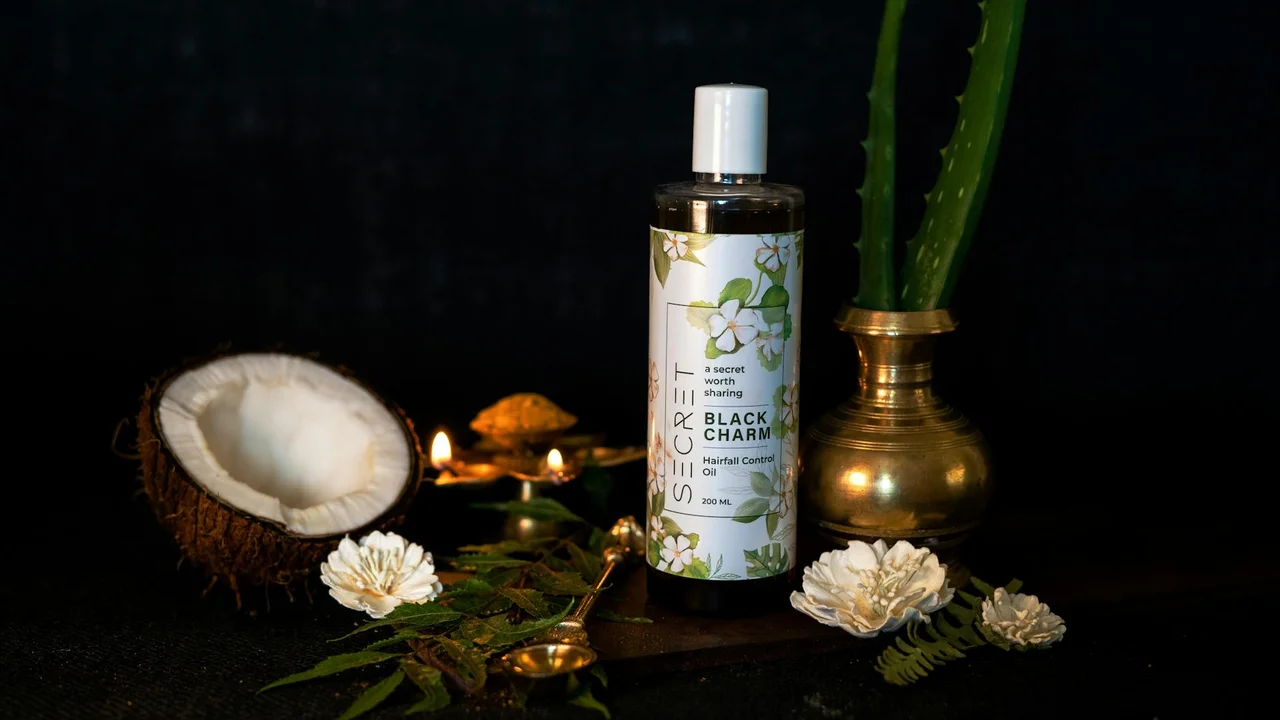
Think of your damp hair like a sponge. When it’s just towel-dried, it’s ready to soak up goodness. Your hair should feel cool and moist to the touch, not soaking or dripping.
I always warm 3 to 5 drops of a light oil, like argan or jojoba, between my palms first. This thins it slightly, making it easier to spread evenly without globbing.
Start by applying the oil to your mid-lengths and ends. This is where hair is oldest and needs the most protection. Then, gently smooth whatever is left on your hands over the top layers of your hair to tame frizz.
If you plan to use a blow dryer or flat iron, apply your heat protectant spray right after the oil. The oil creates a base, and the protectant locks it in.
This method is perfect if you air-dry your hair, have curly or wavy textures, or battle frizz from the moment you step out of the shower. It helps define my waves and keeps them soft all day.
Your Step-by-Step Guide to Applying Oil on Dry Hair
Dry hair application requires a lighter touch. Start with just 1 or 2 drops. You can add a tiny bit more if needed, but you can’t take it away.
Focus this small amount purely on your ends to revive their shine or gently pat flyaways around your hairline. This is my go-to for refreshing second-day hair or adding a final polished look.
For a deep pre-wash treatment, the rules change. Apply a generous amount of oil (like coconut or olive) to dry hair at least 30 minutes before you shampoo. Some people find better results with post-wash application, too. Hair type influences the best timing across pre- and post-wash routines.
Here’s why this works so well: oil and water don’t mix. Applying oil to dry hair allows it to penetrate the shaft directly. If you apply oil to wet hair for a treatment, the water creates a barrier and blocks absorption. Curious whether to apply oil to wet or dry hair for your hair type? Our guide on should apply hair oil wet or dry and oils for different hair types covers the specifics.
This dry-hair prep is great for a deep conditioning session, especially if your hair feels brittle or thirsty. I do this every Sunday night with a simple coconut oil from my kitchen shelf.
Choosing Your Botanical Oil: A Quick Scent & Texture Guide
Think of your hair like a piece of cloth. A light silk needs a different touch than thick denim. The oil you choose should match your hair’s current state.
For Wet Hair: Lightweight Sealants
Wet hair is swollen with water and needs a light, fast-absorbing oil to lock that moisture in. These oils act like a gentle shield, smoothing the hair cuticle before heat or air can cause frizz. They should feel like a second skin, not a heavy coat.
- Jojoba Oil: This is my desert-island pick. It mimics our skin’s own sebum, so it sinks in without a trace. I keep a bottle with a dropper right by my shower.
- Argan Oil: It has a warm, nutty scent that I find comforting. The texture is silky and it spreads easily through damp strands without clumping.
- Sweet Almond Oil: This one is almost weightless. If you’re new to oils and fear greasiness, start here. It’s a barely-there softener.
For Dry Hair: Targeted Treatments
Dry hair is your canvas for focused repair. These richer oils are for intensive nourishment, working on patches of damage, split ends, or an itchy scalp. You use them sparingly, like a concentrated serum.
- Castor Oil: It’s thick as honey. I only use a few drops, warmed between my palms first. It’s too heavy for fine hair all over, but it’s brilliant for massaging into scalp edges or dabbing on ends.
- Avocado Oil: You can feel the richness. It has a deep, green scent and a lush texture. It’s fantastic for reviving parched, curly hair that drinks up moisture.
- Coconut Oil: It’s solid in the jar. You must warm a small amount in your hands until it turns liquid. It’s a classic for a reason, but it can be too much for some hair types, leaving a waxy feel if overused.
Your nose matters too. Some folks, like me, love the herbaceous touch of a rosemary-infused oil for scalp tingles. Others prefer the neutral, almost unscented vibe of plain jojoba. It’s part of the ritual.
Always do a patch test on your inner arm before trying a new oil all over your head. And a firm reminder: these carrier oils are for topical use. If you’re adding pure essential oils for scent or benefits, you must dilute them properly in a carrier oil first. Never apply essential oils directly to your skin or scalp. It’s important to know the proper dilution ratios and how to mix them.
Answers to Your Hair Oil Absorption Questions
I hear these questions all the time from friends and clients. Let’s clear up the confusion.
How often should I oil my hair?
Start simple. Try it once a week. Your ideal rhythm depends entirely on your wash routine and what your hair tells you. If it feels lush and soft, you’re on track. If it looks limp, space it out more. My own routine changes with the seasons.
Can I use oil on my wet scalp?
You can, but be cautious. A very light oil like jojoba on a damp scalp is fine for some. For most people, it’s safer to focus the oil on your hair lengths first to avoid clogging follicles or causing buildup. If your scalp is dry, apply a tiny amount directly to the scalp on dry hair before washing, not after, especially when using oils known for scalp health, such as those chosen for their benefits in managing dandruff and hair loss.
Why does my hair still feel greasy?
This is the most common hiccup. You are almost certainly using too much or have chosen an oil too heavy for your hair’s porosity. Fine hair might need just two drops total. That “greasy crown” feeling? I’ve been there. It means scale way back next time.
Is there a best time of day to apply?
Not really. It’s far more about your hair’s state (wet or dry) than the time on the clock. Apply to wet hair post-shower for sealing. Apply to dry hair for a pre-wash treatment or an end-of-day pampering session. Do what fits your life.
Quick Botanical Answers
How does my hair’s structure actually affect how it soaks up oil?
Your hair’s outer cuticle layer opens when wet, letting oil slip between its scales to smooth and seal. On dry hair, the cuticle is closed, so oil primarily coats the surface for protection and shine.
How can I easily tell if I have low or high porosity hair?
Try the strand test: place a single clean hair in a glass of water. If it floats for several minutes, you likely have low porosity; if it sinks quickly, you have high porosity, which absorbs oil faster.
Is it beneficial to mix different botanical oils together?
Absolutely. Combining a lightweight oil (like jojoba oil) with a richer one (like avocado) can create a perfectly balanced blend tailored to your hair’s specific needs for both absorption and nourishment.
Can I leave a light oil in my damp hair overnight?
For most hair types, it’s best to apply a small amount to damp hair and allow it to dry fully before bed. This prevents transfer onto your pillowcase and ensures the cuticle seals properly as it dries.
Why do some oils feel like they “disappear” while others sit on top?
This comes down to molecular size and weight of oils. Lighter oils (e.g., argan) have smaller molecules that can integrate more easily, while heavier oils (e.g., castor) have larger molecules that create a more noticeable, protective layer on the hair shaft.
Your Hair’s Botanical Ritual
The single most reliable method is applying oil to damp, towel-dried hair. This simple shift helps the oil bond with moisture, sealing it in for a soft, healthy weight instead of a greasy feel.
I hope this guidance helps you build a hair care routine that feels both nurturing and effective. Trust the process, and trust what your hair tells you as you explore the wisdom of botanical oils.
Sources and Additional Information
- r/HaircareScience on Reddit: Should you add oil to dry or wet hair?
- How To Use Hair Oils: Your questions answered | Kerastase
- Should hair oil be applied on wet or dry hair? How to choose
Noemi Kamińska
Noemi is an accomplished wellness researcher, nutrition care guide and body care expert. She has years of experience in formulating various oil combinations for full body wellness including face, hair, body care, essential oils and cooking oils. She works as a bio-formulator working with oil chemistry and analyzing the best formulations when it comes to your needs. Feel free to reach out to get your oil needs sorted.