
Which Natural Oils Are Best for Nail Growth and Health?
I see so many people with brittle, peeling nails who think they just have to live with it. From my own apothecary shelf, I know that a few simple oils can make your nails noticeably stronger and longer.
This article will walk you through the specific oils I use and trust, plus exactly how to apply them. Here’s what we’ll cover:
- The best carrier oils for daily nail and cuticle care
- Essential oils that truly support growth
- My go-to recipe for a strengthening nail oil blend
- The right way to massage oil into your nails
- Common habits that damage nails and how to avoid them
How Do Nail Oils Actually Work? (The Simple Science)
Your nails are not solid shields. They are made of layered keratin, a protein that can absorb and lose water. Think of a dry sponge. When nails get dehydrated, they become brittle and prone to splitting.
The magic happens at the cuticle. Gently massaging oil into that half-moon area feeds the nail matrix. This is the growth engine hidden under your skin. Hydrating the matrix is like watering the roots of a plant; it supports healthy growth from the very source. Consider castor oil a gentle booster that can help strengthen nails and soften the skin on your feet. Used regularly, castor oil complements this hydrating routine at the cuticle.
So, do nail oils work? Yes. Does nail growth oil work like a magic speed serum? No. Oils improve nail health by creating flexible, moisturized conditions, which allows your body to grow nails at its optimal, natural pace. They are a support act, not the main performer.
I keep a roller bottle of jojoba by my couch for this exact reason. A quick massage each evening feels like a tiny ritual of care. It targets the root, not just the visible nail.
What Nail Oils Can and Cannot Do
Oils are superb for specific, topical jobs. They repair the delicate moisture barrier around your nail folds. They add flexibility so nails can withstand daily knocks without snapping. They also form a light, protective shield against water and drying cleaners. These are just some of the common uses for various botanical oils.
What oils cannot do is fix problems that start inside your body. They will not correct a diet lacking in protein or biotin. They cannot resolve a serious medical issue like a stubborn fungal infection on their own. For that, you need targeted treatment and professional advice.
People often wonder if oils can help toenails grow faster. Toenails grow at about half the speed of fingernails. Oils will improve their health and appearance, but you must be patient. Consistency over months is your true ally here, much like when you apply natural oils for hair growth.
The Botanical Line-Up: Oils for Every Nail Need
Instead of a long list, I group these oils by what they do best. This way, you can mix and match based on what your nails are asking for.
Hydration Heroes: Lightweight and Absorbent
These oils sink in fast. They are perfect for daily use and won’t leave your hands feeling slick.
Jojoba Oil
This liquid wax feels silky, not oily. It mimics our skin’s own sebum, so it hydrates without clogging.
It’s my top pick for a daily, non-greasy moisturizer that nails and cuticles drink right up. I use it straight from a little pump bottle on my desk.
Sweet Almond Oil
It has a faint, nutty scent and a smooth, medium texture. It is packed with vitamin E.
Yes, almond oil is good for nails, especially for softening tough, ragged cuticles. Warm a drop between your fingers and massage it in before bed, just like other cuticle oils.
Grapeseed Oil
This oil is almost dry to the touch. It feels very light, like it disappears on skin.
If your hands or cuticles tend to feel oily, this is a great choice. It hydrates deeply without adding shine.
Strength Builders: Rich and Nourishing
These are thicker oils. Think of them as a deep-conditioning treatment for your nails.
Castor Oil
It is famously thick and a bit sticky. This is because of ricinoleic acid.
That sticky quality helps it cling to nails, promoting thickness and resilience overnight. I use it as a weekly treatment, always mixed with a lighter oil.
Avocado Oil
You can see the nourishment in its rich, green color. It is a dense oil that penetrates deeply.
It brings vitamins A and E directly to the nail bed. Think of it as a superfood smoothie for your nails.
Argan Oil
Known as liquid gold for hair, it has that same luxurious feel for nails. It is rich but absorbs well.
Argan oil is good for nails because its fortifying lipids help seal in moisture and add flexible strength. A tiny drop is all you need.
Problem Solvers: Targeted Support
These oils address specific issues, from fungus to extreme dryness.
Coconut Oil
Solid at room temperature, it melts on contact with skin. It has a lovely tropical scent.
Coconut oil helps nail growth by creating a healthy foundation. Its antifungal properties tackle issues that can weaken the nail bed. For a deep treatment, I gently warm a small scoop and soak my fingertips.
Olive Oil
This is the trusted friend from your kitchen cabinet. It is a classic emollient, meaning it softens and smooths.
Does olive oil help nail growth? It supports it by keeping the cuticle and nail plate supple, which prevents cracking and peeling. Use your extra virgin olive oil for a five-minute soak. This same olive oil for hair care offers moisture and scalp health that can support hair growth.
Tea Tree Essential Oil
This oil has a sharp, clean, medicinal scent. It is a powerful antimicrobial.
Tea tree is the essential oil good for nail fungus when used correctly. You must always dilute it. Add just 1-2 drops to a tablespoon of a carrier oil like jojoba before applying. This same dilution rule applies to using tea tree oil on skin, in hair care, or around the home. Patch test first and dilute appropriately before broader use.
Your Hands-On Ritual: How to Use Oils for Real Results

Applying oil is a simple act of care. Consistency matters more than complexity.
I keep a small rollerball blend of jojoba and lavender by my bedside for easy nightly use. The ritual itself is calming.
You might see “nail growth oil pens” in stores. They are convenient, but making your own blend ensures freshness and lets you control every ingredient. I prefer DIY for that reason.
Step-by-Step: The Evening Nail Massage
- Prep. Start with clean, dry nails. Use a soft towel to gently push back your softened cuticles after a shower.
- Apply. Pour a few drops of your chosen oil into your palm. Rub your hands together to warm it up. This helps it absorb better.
- Massage. Use the pad of your thumb to press the oil into each cuticle. Make small circles for 10-15 seconds per nail. This stimulates blood flow.
- Soak. Let the oil absorb while you read or relax. There is no need to rinse it off. Just let it work.
Creating Your Own Nail Growth Oil at Home
Blending oils is easy. Here is a simple recipe I use often.
- 1 tablespoon Jojoba Oil (the hydrating base)
- 1 teaspoon Castor Oil (for strength)
- 2 drops Lavender Essential Oil (soothing and supportive)
Mix them in a small, dark glass bottle. Store it in a cool, dark place like a cupboard to extend its shelf life.
If you search for “nail growth oil near me,” check natural food stores or the vitamin aisle of your pharmacy for these carrier oils. Look for cold-pressed, unrefined oils when you can. The quality of your ingredients makes a real difference.
Common Questions and Straight Answers
Can I use any oil on my nails?
Not exactly. I recommend using pure, cold-pressed carrier oils straight from my own shelf, like jojoba or sweet almond oil.
Heavily fragranced lotions or plain mineral oil can sit on the surface and don’t nourish the nail bed the same way. They might even cause irritation for some.
How often should I oil my nails?
Once or twice daily gives you the best results. My routine is simple: every time I wash my hands, I follow up with a drop of oil. When it comes to applying oils for hair and scalp, consistency is key but should be balanced with care.
Your nails are most receptive to moisture right after they’ve been in water. It becomes a quick, soothing ritual.
Will nail oil help my polish last longer?
Yes, it really can. When nails are hydrated, they become less flexible and bendy.
A stiff nail plate provides a much better foundation for polish, so it chips far less easily. Just be sure your polish is totally dry first, then massage the oil into your cuticles.
Are expensive “nail growth oil pens” worth it?
I read a lot of nail growth oil pen reviews. They are wonderfully convenient for your purse or desk drawer.
But if you’re looking at cost, making a larger blend at home is almost always cheaper per drop. You can even reuse an old pen and fill it with your own mix of favorite oils.
Setting Realistic Expectations for Healthier Nails
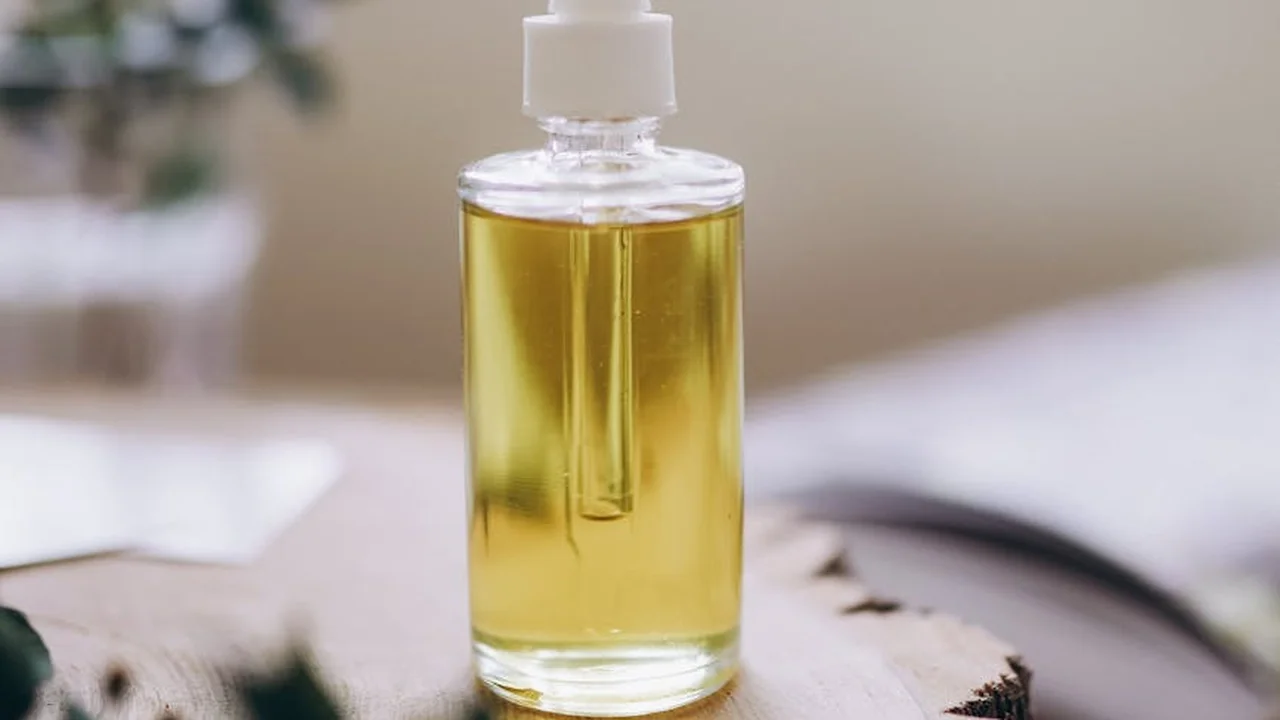
Growing strong nails is a slow, gentle process. You need to allow 3 to 6 months to see the full growth cycle from base to tip. Be patient with yourself.
Think of topical oil as one part of the picture. What you eat matters, too. I pair my nail massage with a diet rich in proteins and healthy fats.
Handle your nails kindly. File them in one direction only. Use a gentle, acetone-free polish remover. These habits protect the work your oils are doing.
The best step is the first one. Tonight, choose one oil-even if it’s just some olive oil from your kitchen. Warm a drop between your fingers and massage it in. You’ve started.
Your Questions, Plant-Based Answers
Is there a real difference between a “nail growth oil” for sale and a simple carrier oil?
Often, no. Many branded “nail growth oils” are blends of the same carrier and essential oils I recommend. You’re usually paying for the bottle and convenience, not a secret ingredient. Check the label-if it lists jojoba, sweet almond, or castor oil first, you can confidently make a similar blend at home.
Can I trust the nail growth oil pens sold on Amazon?
You can, but be a savvy botanical shopper. Always read the ingredient list and recent reviews to check for quality and freshness. I prefer buying single-ingredient, cold-pressed oils from reputable sellers and filling my own pen for guaranteed purity.
How do I use a nail oil pen correctly for the best results?
Gently roll the ball applicator along your cuticle line and the nail’s edge, then use your finger to massage it in. The goal is to get the oil to the nail matrix, not just slick it on the surface. A 10-second massage per nail makes the pen’s convenience truly effective.
Is a homemade nail growth oil as effective as a store-bought one?
Absolutely, and often more so. A fresh, DIY blend avoids preservatives and lets you tailor the formula to your nails’ specific needs. The act of massaging it in is what delivers the real benefits, no fancy packaging required.
What’s the best way to find a good nail growth oil near me?
Skip the general beauty aisle and visit natural grocery stores, vitamin shops, or local apothecaries. Look for pure, cold-pressed oils in the skincare or culinary section, like jojoba oil. A simple bottle of jojoba or sweet almond oil from these spots is a perfect, powerful start.
Your Nail Care Ritual, Rooted in Nature
The single best thing you can do is consistently massage a quality carrier oil into your nails and cuticles every day. This simple habit delivers deep nourishment and creates the foundation for strong, healthy growth.
I share more practical oil blends for your body, skin, hair, and home right here on Botanical Oils. Trust in these gentle botanicals, and trust yourself to find the perfect routine that makes your nails feel cared for.
Related Guides and Information
- Nourish and Shine: The Best Natural Oils for Healthy Nails
- r/longnaturalnails on Reddit: what are the best oils and such to use for strengthening natural nails?
- Natural Alternative Nail and Cuticle Oils to Strengthen Your Nails – Say Goodbye to Harsh Chemicals – Isabella’s Clearly
Noemi Kamińska
Noemi is an accomplished wellness researcher, nutrition care guide and body care expert. She has years of experience in formulating various oil combinations for full body wellness including face, hair, body care, essential oils and cooking oils. She works as a bio-formulator working with oil chemistry and analyzing the best formulations when it comes to your needs. Feel free to reach out to get your oil needs sorted.