
What Is Truffle Oil Made Of and How Do You Cook With It?
That intense, earthy scent from truffle oil can be puzzling if you’re new to it. I’ve worked with countless aromatic oils in my kitchen, and I’m here to calmly explain what’s really in that bottle.
You’ll see that truffle oil is a straightforward ingredient once you know its basics.
- What truffle oil is typically composed of
- How it is produced commercially
- Practical methods for cooking with it at home
What’s Really In That Bottle? The Truth About Truffle Oil Ingredients
At its core, truffle oil is simply a carrier oil infused with the aroma of truffles. Think of it like a lavender-infused oil for your kitchen instead of your skincare shelf.
The truth is, most bottles on the grocery store shelf are flavored with a synthetic compound, not a long, slow infusion of real fungi. Real infusion is rare and costs a lot, while the affordable, widely available version gets its punch from lab-created flavoring.
The base is usually a mild oil. You’ll often see olive oil, which adds its own fruity note, or something more neutral like grapeseed or sunflower oil.
When a label says “truffle aroma” or “truffle extract,” it’s often a polite way of saying “artificially flavored.” It’s a chemical mimic of the truffle’s signature scent.
To gauge quality, turn the bottle around. The ingredient list tells the story. Look for “truffles” (with a species name like *Tuber melanosporum*) listed early. If you see “natural truffle flavor” or “aroma,” you know what you’re getting.
Is There Real Truffle in My Truffle Oil?
Some higher-end oils include small pieces of real truffle in the bottle. This is a good sign, but it’s not a full guarantee.
Even oils with truffle pieces often use a synthetic booster to make the aroma stronger and last longer on the shelf. The real truffle bit can be more for show than for flavor.
This directly affects everything: flavor, shelf life, and how much is truffle oil. A real infusion has a complex, earthy, subtle scent that fades quickly. A synthetic oil is powerful, one-note, and lasts forever. The real stuff costs much, much more.
Choosing a Carrier Oil: Olive, Grapeseed, or Sunflower?
The carrier oil matters. Olive oil brings a robust flavor that can compete with the truffle. Grapeseed and sunflower oils are lighter and more neutral.
I prefer a neutral oil base because it lets the truffle aroma shine without adding another strong flavor. These oils also tend to have higher smoke points, making them stable for a quick drizzle on hot food just before serving. Understanding the smoke points is crucial for selecting the right oil for various cooking methods.
From Fungus to Bottle: How Truffle Oil Is Made
There are two main paths: the slow, cold infusion of real truffles and the quick blending of oil with synthetic flavoring.
Learning how to make truffle oil at home follows the first, traditional method. It’s surprisingly straightforward if you have a fresh truffle. For a broader view, you can explore the best methods and recipes for making herbal infused oils at home. These beginner-friendly guides cover simple steps and tips that apply to many herbal blends.
The cold infusion method is key. Heat destroys the truffle’s delicate volatile aromatics. Letting it steep slowly in cool oil preserves that magical, earthy scent.
It’s just like when I make a rosemary-infused oil in my apothecary for sore muscles. You clean your herb, submerge it in oil, and wait patiently for the essence to transfer.
The Homemade Infusion: A Simple Process
For a small, real batch, you only need a few things. Cleanliness is non-negotiable to prevent mold.
- Gently brush any dirt from a small, fresh black or white truffle. Do not wash it.
- Thinly slice or shave the truffle.
- Place the pieces in a perfectly clean glass jar.
- Pour a high-quality, neutral oil (like grapeseed) over the truffle until fully covered.
- Seal the jar and let it sit in a cool, dark place for 5-7 days. Shake it gently once a day.
- Strain the oil through a fine sieve or cheesecloth into a clean bottle.
This homemade oil must live in the refrigerator and be used within a couple of weeks. Its flavor is fleeting and beautiful, unlike the shelf-stable commercial bottles. Knowing the shelf life and expiration dates of botanical oils matters for both body care and culinary uses, so you can store them properly and enjoy them at their best.
Understanding Commercial Production and Flavor Science
Most mass-produced truffle oil gets its signature smell from one compound: 2,4-dithiapentane. This is a molecule found in white truffles, but it’s made in a lab.
From a production standpoint, it makes sense. It’s consistent, potent, and affordable. You get the same strong truffle punch in every single bottle, year after year, which real truffles can never guarantee.
I see it as a flavoring choice, like vanilla extract versus a real vanilla bean pod. One is a convenient, reliable workhorse. The other is the rare, nuanced, seasonal original.
How Do You Use Truffle Oil in the Kitchen?
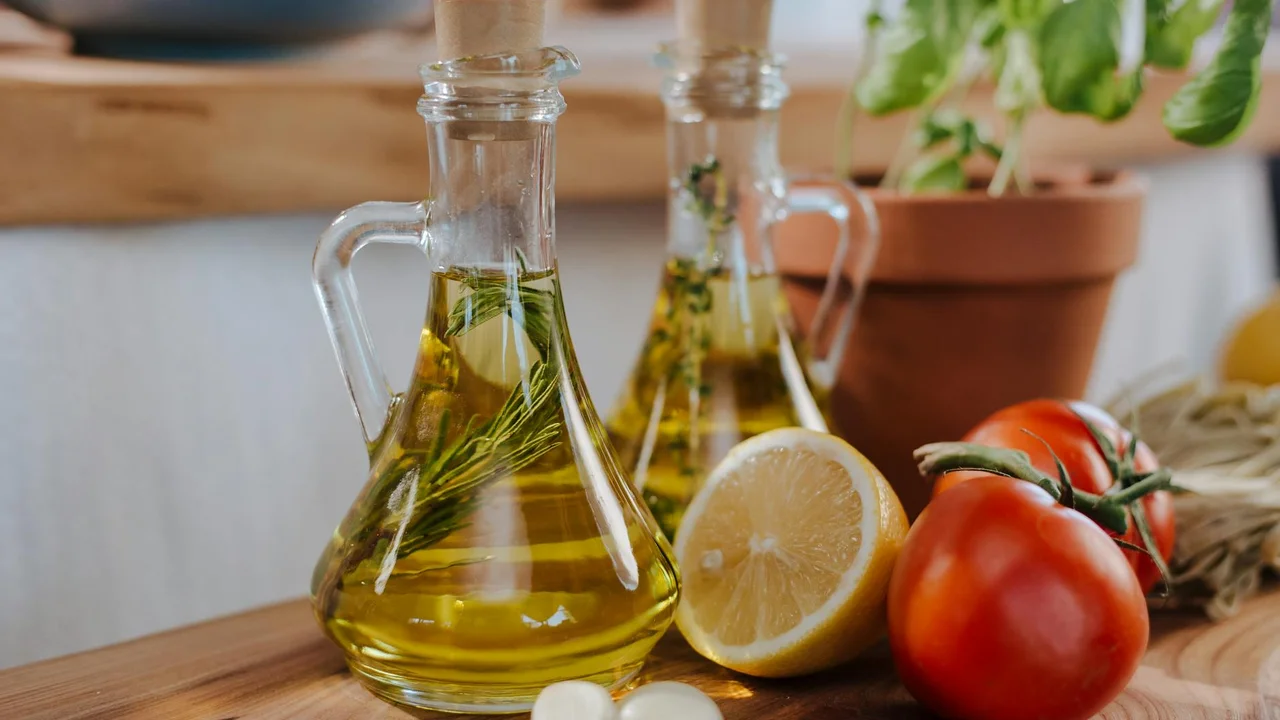
Think of truffle oil as your secret finishing touch, not your cooking workhorse.
The most important rule is this: truffle oil is a finishing agent, not a cooking fat. Its magic is in its heady, earthy aroma, and that scent is incredibly fragile. Applying direct heat will cause those volatile aromatic compounds to vanish into thin air, leaving you with just plain oil. So, can you cook truffle oil? I don’t recommend it. You add it at the very end, after the heat is off.
This finishing touch transforms simple dishes into something special. A few classic pairings are:
- Creamy pasta or risotto
- Scrambled eggs or a soft omelet
- Freshly popped popcorn or hot french fries
- Mashed potatoes or a simple soup
The Art of the Drizzle: Practical Tips for Every Meal
How you use truffle oil is everything. I keep my bottle right next to the pepper grinder. After plating your warm food, hold the bottle a few inches above it. Gently tilt your wrist and let a few drops rain down. You want to see little dark pools dotting the surface.
With truffle oil, less is always more. A few drops carry a surprisingly long way. Start with just three or four on a single serving. You can always add another drop, but you can’t take it away.
The flavor clings best to fatty or starchy foods. The oil in a rich pasta sauce or the natural fats in an egg yolk will grab onto that truffle essence and carry it beautifully across your palate. Drizzling it over a plain green salad? It might just slide off the leaves. Try tossing the salad with a little olive oil first to create a base for the truffle oil to stick to.
How to Make Truffle Butter with Truffle Oil
This is my favorite trick to stretch a precious bottle and create an incredibly versatile condiment. Compound butter is simple and makes any meal feel luxurious.
Let half a stick of good, unsalted butter soften on your counter. Place it in a small bowl. Add one teaspoon of your truffle oil. Use a fork to mash and whip them together until completely combined.
This truffle butter is a fantastic way to lock that flavor into a solid form you can use for days. Scoop it onto a piece of parchment paper, roll it into a log, and twist the ends. It will keep in your fridge for a week or your freezer for months.
Slice a coin off the log and let it melt over a seared steak, toss it with hot pasta, or spread it on crusty bread. I even melt a little to drizzle over roasted vegetables like asparagus or mushrooms. It’s a little piece of magic waiting in your refrigerator.
Truffle Oil for Body, Skin, and Hair Wellness
Now, let’s step out of the kitchen and into the apothecary. This exploration is for high-quality, fresh oils infused with actual truffles, where the base oil is the star. We’re focusing on the benefits of that luxurious carrier oil-like olive or grapeseed-now gently scented with earthiness.
Please note: synthetic “truffle-flavored” oil is for culinary use only and should never be applied to your skin or hair. Always check your label.
Potential Skin Benefits and a Gentle Application Method
A truffle-infused olive oil brings the antioxidant power of olives to your skincare. These antioxidants can help soothe and protect the skin. Think of it like using a very special, aromatic facial oil.
Because it is a precious blend, I treat it like my other precious oils. For facial use, I always dilute it further, using one drop of the truffle-infused oil mixed with a teaspoon of a plain, lightweight carrier oil like jojoba. This ensures it’s gentle. Jojoba oil is often cited for its best uses in face, hair, and scalp care. That makes it a natural partner for blends like this.
Before using it on your face, do a patch test on your inner arm. If all is well after 24 hours, try it. For facial care, dilute frankincense essential oil in a carrier oil and apply to clean, slightly damp skin. I apply my diluted mix at night, pressing a few drops into slightly damp skin. The earthy scent is grounding and perfect for a evening wind-down ritual.
How to Apply Truffle Oil for a Luxurious Hair Treatment
This is an occasional treat, not a daily routine. The rich carrier oil can add wonderful moisture and shine to dry hair, but it should be used sparingly according to recommended practices.
Warm a half-teaspoon of your infused oil in your palms. Starting at your scalp, use your fingertips to massage it in with gentle, circular motions. Work the remaining oil down to the ends of your hair. For maximum effectiveness, make sure to apply the oil evenly across your scalp and hair.
This method focuses on moisturizing your scalp and hair with the nourishing carrier oil, leaving a subtle, earthy fragrance behind. Wrap your hair in a warm towel and leave the treatment on for 20-30 minutes before shampooing as usual. The result is soft, shiny hair with a whisper of woodland scent.
Creating a Home Scent with Truffle Oil
The deep, earthy aroma of a real truffle-infused oil can be wonderful for creating a grounded, cozy atmosphere.
I sometimes place a single drop on a porous clay diffuser or mix a drop into a bowl of dried potpourri. The scent slowly releases, adding a rich, soil-like depth to the room. It pairs beautifully with dried citrus peels or cedar chips.
Use only a single drop, and never put truffle oil into an electronic ultrasonic diffuser meant for essential oils. The carrier oil will clog the mechanism. This is for passive, non-electric scenting only.
When to Seek Professional Help

Truffle oil is a wonderful ingredient for your kitchen and home apothecary, but it is not a cure-all.
This infused oil is a culinary delight, not a substitute for professional medical or dermatological advice. Keep that in mind as you explore its uses.
If you experience any itching, swelling, or digestive upset after consuming it, stop use immediately. These could be signs of a food allergy or sensitivity.
Consult your doctor for any suspected food allergies or unexpected physical reactions. It is the safest path forward.
Thinking of using a drop on your skin? I would proceed with great caution. Any new oil can be unpredictable, especially on reactive or problematic skin.
I always recommend speaking with a dermatologist before introducing a new substance to your skincare routine. They can provide guidance tailored just for you.
If you are drawn to the aroma of truffle oil for a sense of comfort or grounding, that is a beautiful intention. For tailored support using aromatic oils for emotional wellness, seek deeper guidance.
For personalized blending and usage advice, a session with a certified aromatherapist is a fantastic investment in your wellbeing. They can help you create a plan that is both effective and safe.
Your Truffle Oil Checklist: From Market to Table
Bringing truffle oil into your home is simple when you know what to do. Follow these steps to make the most of its unique character.
1. Select with Care
The very first thing I do is turn the bottle over.
Always read the ingredient label to see what you are really buying. Look for a quality carrier oil (like olive or grapeseed) and real truffle essence or pieces listed.
Avoid bottles where “truffle aroma” is the only mention, as these often rely on synthetic compounds.
2. Store It Right
Treat this oil like a precious botanical. Heat, light, and air are its enemies.
Store your bottle in a cool, dark place, such as a pantry or a closed kitchen cabinet, away from the stove or oven. This preserves its delicate flavor and aroma for months.
3. Taste Before You Drizzle
Its potency can vary wildly between brands and batches. A quick taste prevents overdoing it.
Before adding it to a whole dish, dip the tip of a clean spoon in the oil and taste a tiny drop. This tells you exactly how strong it is today.
4. Pair with Friends
Truffle oil loves simple, earthy companions. It can get lost with other strong flavors.
For the best results, pair it with ingredients that complement its deep, umami richness. Think creamy pastas, risottos, scrambled eggs, mashed potatoes, or even popcorn.
A tiny drizzle over a finished dish is often all you need.
5. Experiment Slowly
Its flavor is powerful. It is much easier to add more than to fix a dish that is overwhelmed.
Start your experiments with one single drop at a time. You can always add another. This is my golden rule for any potent oil, whether for cooking or crafting a body serum.
6. Savor the Moment
The magic of truffle oil is in its singular scent and taste. Do not just use it, experience it.
Take a moment to enjoy its unique aroma and flavor mindfully, appreciating it as the special botanical ingredient it is. That mindful enjoyment is where the real wellness benefit lies.
Quick Questions, Clear Answers
Are there any wellness benefits to truffle-infused oil?
Any benefits come from the high-quality carrier oil, like antioxidant-rich olive or light grapeseed oil, now gently scented. The chemistry of these carrier oils—especially their fatty acids—largely determines skin benefits. Knowing how these fatty acids interact with skin helps explain why olive and grapeseed oils support hydration and barrier health. For skin or hair, always use a real, food-grade infusion and perform a patch test first.
What’s the most common mistake people make when cooking with truffle oil?
The biggest error is cooking with it directly, which destroys its delicate aroma. Always add it as a finishing drizzle after the heat is off to preserve its signature scent.
Is there a difference between black and white truffle oil?
Yes, they mimic their respective truffles: white truffle oil is often more pungent and garlicky, while black truffle oil tends to be deeper and more earthy. The synthetic versions aim to replicate these distinct profiles.
Can I use truffle oil on my skin?
Only consider it if the oil is a real, food-safe truffle infusion in a skin-friendly carrier oil, and always dilute it first. Synthetic culinary truffle oil should never be applied to the skin.
How can I tell if my truffle oil is too strong for a dish?
Always taste a tiny drop on a spoon before adding it to your food. This simple test lets you gauge its potency and avoid overwhelming your dish.
Savoring Truffle Oil’s Earthy Magic
Always choose a truffle oil crafted from real fungi infusions to honor its deep, natural flavor. Use it as a finishing touch after cooking, just as I gently layer my favorite botanical oils, to let that rich, earthy scent bloom fully on your plate.
Join me here for more trusted guides on using oils thoughtfully in your kitchen, bath, and home. Your own experiments with truffle oil are a perfect start-trust that instinct as you blend taste and wellness together.
Relevant Resources for Further Exploration
- Truffle oil – Wikipedia
- What Is Truffle Oil? | TRUFF | TRUFF | Truffle Hot Sauce | Luxury Condiments
- Everything You Need to Know About Truffle Oil: The History, Origin, and Uses
- What is truffle oil made of? Is it a combination of olive oil and synthetic flavoring? – Quora
- The Ultimate Guide to Truffle Oil: Uses, Taste, Health Benefits, and More • Trufflehunting.tours
Noemi Kamińska
Noemi is an accomplished wellness researcher, nutrition care guide and body care expert. She has years of experience in formulating various oil combinations for full body wellness including face, hair, body care, essential oils and cooking oils. She works as a bio-formulator working with oil chemistry and analyzing the best formulations when it comes to your needs. Feel free to reach out to get your oil needs sorted.