
Can Coconut Oil in Your Diet Support Weight Loss?
You might see jars of coconut oil praised everywhere, leaving you wondering if it’s just another trend. From my own apothecary shelf to the kitchen, I’ve seen how this oil works in real routines, not just in theory.
Let’s sort through the noise and focus on what actually matters for your wellness journey.
- How the fats in coconut oil are different
- Practical, simple ways to use it daily
- Key points to remember for a balanced approach
Key Takeaways: Coconut Oil and Your Weight Goals
Let’s get right to the heart of the matter.
- The special fats in coconut oil, called MCTs, might give your metabolism a small, temporary nudge.
- This oil is not a magic solution for weight loss. No single food is.
- Quality is everything. A virgin, unrefined oil is a whole food, while a heavily processed one is not.
- If you add it to your diet, you must use it to replace other fats like butter or olive oil. Don’t just pour it on top of everything you already eat.
What Exactly is Coconut Oil, Anyway?
I keep a jar of virgin coconut oil right on my kitchen counter. It comes from the pressed meat of mature coconuts.
You’ll see two main types. Refined coconut oil is neutral. It has little scent and a higher smoke point. Virgin or unrefined coconut oil is what I prefer for wellness. It smells distinctly like tropical coconuts and has a beautiful, creamy white solid texture at room temperature. Each has its own benefits for skin, hair, and cooking.
This aromatic, unrefined oil retains more of its natural compounds, which is why I recommend it. Its unique makeup is what leads us to all the talk about MCTs.
And yes, you absolutely can swallow it. It’s a wholesome, food-grade fat I use in my morning coffee or for sautéing greens.
The Science Bit: MCTs and Your Metabolism
Let’s talk about Medium-Chain Triglycerides, or MCTs. Think of dietary fats as chains of different lengths.
Most fats in our diet, like those in olive oil or butter, are long-chain. They take a slow, complicated route through your digestive system. MCTs are shorter. Your body processes them like a quick-burning fuel, sending them straight to the liver for energy.
This direct path means your body may use up more calories processing MCTs compared to other fats, a effect called thermogenesis. It’s a slight metabolic boost.
Here’s my practical note from reading the studies. Much of the promising research uses concentrated MCT oil, which is about 100% these medium-chain fats. Virgin coconut oil is only about 50-65% MCTs. So the effects from the spoonful of coconut oil in your smoothie will be more subtle.
How Might Coconut Oil Support Weight Loss?
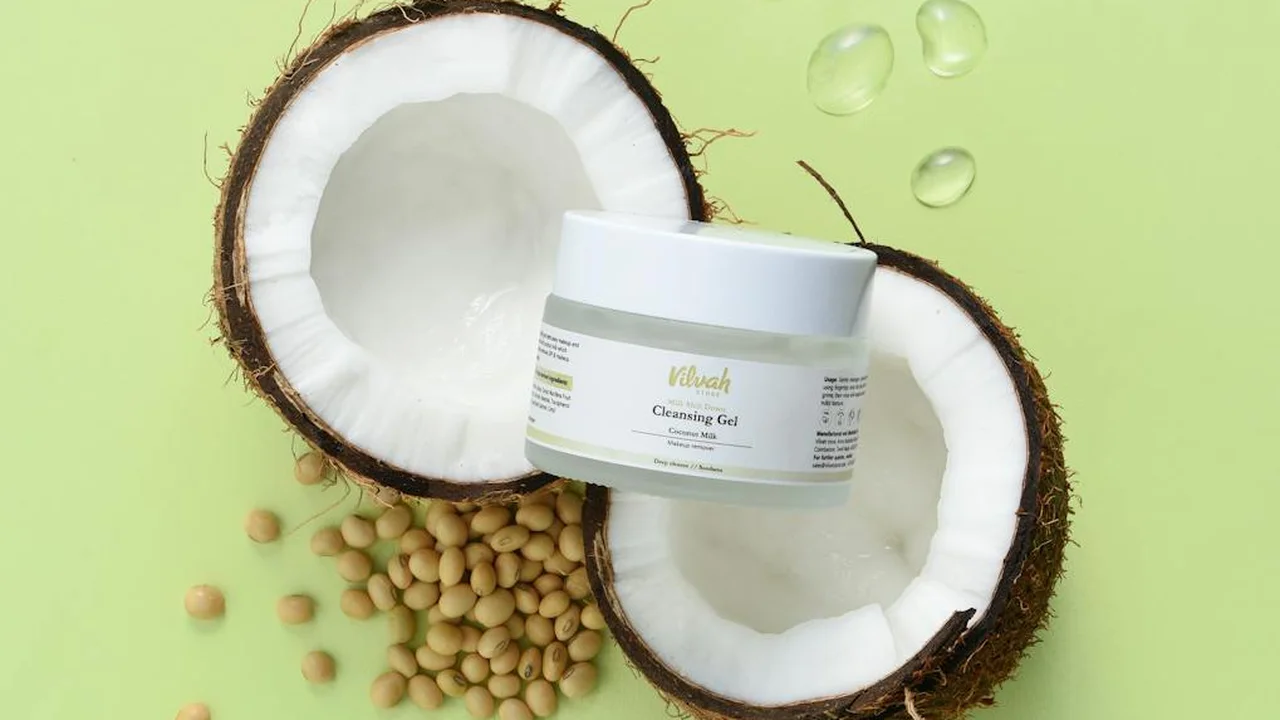
You’re searching for a clear answer: can coconut oil help you lose weight? The possibility exists, but it’s more about how your body processes it than any magic trick.
Coconut oil is packed with medium-chain triglycerides, or MCTs. These are different from the long-chain fats in most oils. That difference in MCT content helps explain how coconut oil compares to pure MCT oil for dietary use and topical applications. This sets the stage for exploring the practical differences between MCT-rich coconut oil and pure MCT oil.
Your body treats MCTs like a quick-burning fuel, sending them straight to the liver for energy instead of storing them away easily. This process of converting food to heat is called thermogenesis, and it may cause a slight, temporary uptick in calorie burn compared to other fats.
I find a teaspoon of MCT oil in my morning coffee creates a steady, focused energy that staves off hunger.
That leads to the next point: fullness. Because MCTs are metabolized so directly, they can promote a feeling of satiety.
You might feel satisfied for longer after a meal cooked with coconut oil, potentially helping you snack less.
Finally, there’s the conversation around hormonal balance. Some early research suggests the specific fats in coconut oil might support a healthy metabolic response, which is foundational for weight management.
We’ll look closer at that idea in a moment.
What Real People and Studies Say
When you dig into the science on PubMed, the picture is nuanced. One notable study had women consume about two tablespoons of coconut oil daily alongside a reduced-calorie diet.
They experienced a reduction in waist circumference compared to a group using soybean oil.
Other studies show mixed results, with some finding minimal direct impact on weight loss when coconut oil is simply added to an existing diet without other changes.
This is where the real-world stories from forums like Reddit and Earth Clinic come in.
Many people swear by their “coconut oil coffee” ritual for curbing appetite and boosting energy. Others share detailed logs of using it for cooking and noticing better digestion and a flatter stomach.
I read these anecdotes with interest. They represent personal, lived experiences.
It’s vital to see these forum results as individual reports, not guaranteed outcomes. Your body, diet, and activity level create a unique formula.
For some, coconut oil seems to be a helpful tool. For others, the change might be subtle or unnoticeable.
Coconut Oil vs. Other Cooking Oils for Weight Goals
No oil in your cupboard directly melts fat. The choice matters because different oils affect your body and your meals in distinct ways.
Think of it as choosing the best tool for the job. Here’s a practical look at how coconut oil stacks up.
| Oil | Best For (Flavor/Use) | Smoke Point | Fat Profile Note |
|---|---|---|---|
| Coconut Oil | Baking, medium-heat sautéing, tropical or sweet dishes. Adds a rich, aromatic note. | Medium (350°F/177°C for unrefined) | High in saturated MCTs, which are processed quickly for energy. |
| Olive Oil | Salads, dips, low-heat cooking. Offers a fruity, peppery, or grassy flavor. | Low-Med (325-375°F/163-190°C for extra virgin) | Rich in monounsaturated fats, celebrated for heart health. |
| Avocado Oil | High-heat searing, roasting, grilling. Has a very mild, buttery flavor. | Very High (520°F/271°C) | High in monounsaturated fats and vitamin E, very stable for cooking. |
| Common Seed Oils (like sunflower, canola) | High-heat frying, neutral-flavor baking. They are often flavorless. | High (400-450°F/204-232°C) | Typically high in polyunsaturated omega-6 fats, which are essential but best in balance. |
Coconut oil brings a unique fast-fuel fat and a flavor you either love or it’s not for you. Olive and avocado oils provide robust heart-healthy fats for different cooking tasks.
Supporting your weight goals is less about finding one perfect oil and more about choosing consciously based on how the oil makes you feel and how it complements your food.
I keep all four in my kitchen. I reach for the coconut oil when I want that specific metabolic boost and cozy flavor in my morning routine or in a curry.
How to Use Coconut Oil for Weight and Wellness
If you’re curious about trying coconut oil in your diet, the key is to start simply and mindfully. Think of it as a nourishing swap, not a magic potion. You can begin exploring coconut oil in everyday cooking and baking, using simple techniques to bring out its subtle flavor. From quick sautéed greens to easy baked treats, coconut oil can be a versatile ingredient in your kitchen.
How Do I Take Coconut Oil? Simple Ways to Add It
You don’t need to do anything complicated. The easiest path is to let it replace other fats in your cooking and routines.
Begin with tiny amounts. Your body needs time to adjust to this new type of fat.
- Start with half a teaspoon once a day for a week.
- If you feel good, you can slowly increase the amount.
- Always listen to your body. If you feel any discomfort, scale back.
My favorite ways to use it are in my morning routine and gentle cooking. I stir a spoonful into my coffee or tea-it blends into a creamy, rich drink. It’s wonderful for sautéing greens or eggs at a low to medium heat. You can also blend a teaspoon into a smoothie for a silky texture.
Remember, coconut oil changes with the weather. In cooler months, it’s a solid, snowy-white cream in the jar. In summer, it turns into a clear liquid. Both states are perfect to use.
How Much Coconut Oil Should I Eat?
This is the most common question I get. A conservative and sensible starting point is 1 to 2 teaspoons per day.
The most important rule is to use coconut oil to replace other fats, not add to them. Use it instead of butter, vegetable oil, or mayonnaise. It is still a concentrated source of calories, so pouring it on top of your usual diet won’t help with weight management.
Going too fast is a recipe for a sour stomach. Starting with a large amount can lead to digestive upset for many people. Slow and steady wins this race.
Choosing Your Coconut Oil: What’s Best?
Not all coconut oils are created equal, especially for eating. You want the good stuff that still has its natural benefits and flavor, particularly when you use it for cooking and chocolate making.
Look for a jar labeled “organic, virgin, and unrefined.” This means it was made from fresh coconut meat without harsh chemicals or high heat. The oil should smell faintly and sweetly of coconut.
On my own shelf, I have a jar that says “cold-pressed, virgin, organic”-that’s the trifecta I trust for my kitchen. Avoid products called “coconut oil weightless mist” or “spray.” Those are blended with other ingredients and designed as a light finishing oil for hair or skin, not for cooking or eating.
Important Considerations and Side Effects
Hope is helpful, but honesty is vital. Let’s talk about what coconut oil can realistically do and when to pause.
Can Coconut Oil Balance Hormones?
This is a big question. Healthy fats, in general, are the building blocks our bodies use to produce hormones.
While coconut oil is a source of these supportive fats, it is not a targeted cure for hormonal imbalance. Think of it as one supportive friend in a much larger group. A nutrient-dense diet full of various healthy fats, proteins, and vegetables is what truly supports hormonal health.
So, does coconut oil balance hormones? It can be one helpful part of a holistic approach, but it works as a team player, not a solo act.
When to Be Cautious
Even wonderful things require care. For some people, coconut oil can cause digestive issues like diarrhea or cramping, especially at first. It’s not always helpful for digestion and needs to be used with caution.
Because it is high in saturated fat, it may raise LDL (the “bad”) cholesterol levels in some individuals. If you have a history of high cholesterol or heart disease, it’s wise to talk with your doctor before making it a daily habit.
Never forget the calorie math: one tablespoon has about 120 calories. Overconsumption will absolutely hinder weight loss. Use it with intention, not abandon.
Bringing It Into Your Kitchen: A Starting Point
Think of this as a gentle kitchen experiment, not a strict diet overhaul.
My own journey with coconut oil started with one simple swap. I reached for it instead of another fat for my morning eggs. That small change felt manageable. It gave me a chance to get used to its unique aroma and see how my body responded.
The goal is to introduce it in a way that feels natural and curious, not disruptive.
Keep a jar of good-quality, unrefined coconut oil on your counter. Its solid, creamy texture at room temperature is a lovely reminder to use it. If you’re curious about melting it for cooking or a body oil, you can warm it gently until liquid. A light warm melt helps it spread smoothly, too. Start with just one of the ideas below and see how it goes for you.
Your First Week with Coconut Oil
This plan is about building a habit, not achieving perfection. Go slow.
Here is a simple three step path to try.
- Swap one cooking fat. Use a teaspoon of coconut oil to sauté your morning vegetables or fry an egg instead of butter or olive oil.
- Try it in a daily drink. Blend a half teaspoon into your morning coffee or tea. It creates a wonderfully creamy, frothy texture that can help curb mid-morning cravings.
- Notice how you feel. This is the most important step.
Do you feel more satisfied after your meal? Do your energy levels feel steady? Pay more attention to these subtle signals than the number on the scale.
I keep a small notebook on my kitchen shelf. I jot down quick notes like “felt full longer” or “loved the tropical scent in my stir-fry.” It is less about tracking “coconut oil weight loss before and after” and more about connecting with your body’s own language.
A Simple “Coconut Oil Weight Loss Recipe” Idea
This is my go-to recipe for a quick, satisfying snack that honors whole foods.
These no-bake energy bites are perfect for when you need a little fuel. They combine healthy fats, fiber, and a touch of natural sweetness.
Coconut Almond Energy Bites
You will need:
- 1 cup rolled oats
- 1/2 cup almond butter
- 1/3 cup raw honey or pure maple syrup
- 1/4 cup melted coconut oil
- A pinch of sea salt
Mix everything in a bowl until it comes together. It will be a bit sticky. Let the mixture sit in the fridge for 20 minutes so the coconut oil firms up slightly. Then, roll into small balls. Store them in the fridge for a quick grab-and-go bite.
Listen to your body above all else. One or two of these can be a great bridge between meals. They are meant to nourish, not replace a balanced meal. Notice how one makes you feel-satisfied and energized, or perhaps still hungry? Let that guide you.
Your Questions, Answered
Is coconut oil a “metabolism booster” for weight loss?
It contains MCTs, which can create a small thermogenic effect, meaning your body may burn slightly more calories processing them. Think of it as a gentle nudge, not a dramatic metabolic jumpstart.
Can I just add coconut oil to my current diet to lose weight?
No, this is the most common mistake. For any potential benefit, you must use it to replace other fats like butter or olive oil in your cooking. Simply adding it on top of your existing meals adds extra calories, which hinders weight loss.
I read that coconut oil raises cholesterol. Is it safe?
It can raise HDL (“good”) cholesterol, but may also raise LDL (“bad”) cholesterol in some individuals due to its saturated fat. If you have cholesterol concerns, consult your doctor and consider it as an occasional oil rather than a daily staple.
What about “coconut oil weightless mist” products?
These are typically blended, aerosolized oils designed as lightweight finishes for hair or skin, not for consumption. For dietary use, always choose a pure, food-grade jar of organic, virgin coconut oil. Fractionated coconut oil, produced to stay liquid at room temperature, is particularly popular for body care and wellness. Its light, nongreasy feel makes it ideal as a carrier oil in moisturizers, massage blends, and hair care products.
Are the dramatic “before and after” stories I see realistic?
Personal anecdotes are powerful but not universal proof. Sustainable results come from consistent, holistic habits-like mindful eating and regular movement-where coconut oil can be one supportive tool among many.
From My Apothecary to Your Table
I find coconut oil serves you best when it mindfully replaces other fats, rather than simply adding more to your day. Focus on quality and intention, letting this rich oil complement a whole-foods approach to truly nourish from within.
Join me here for more trusted guidance on using oils for body, skin, hair, wellness and home. Your personal experiments and observations are what make this practice uniquely powerful for your life. We’ll explore which specific oils work best for oil cleansing and for nourishing skin and hair. You’ll learn how to tailor your routine to your needs.
Noemi Kamińska
Noemi is an accomplished wellness researcher, nutrition care guide and body care expert. She has years of experience in formulating various oil combinations for full body wellness including face, hair, body care, essential oils and cooking oils. She works as a bio-formulator working with oil chemistry and analyzing the best formulations when it comes to your needs. Feel free to reach out to get your oil needs sorted.