
What Can You Use Instead of Sesame Oil?
You’re halfway through a recipe and your sesame oil is gone. I promise, your dish will still be delicious with a clever alternative from your cabinet.
I’ll help you choose the right oil based on its flavor and how it cooks.
- Oils that copy sesame oil’s nutty, toasty taste
- How to measure each substitute correctly
- Why some oils are better for frying or dressing
- The swaps I always keep on my own kitchen shelf
Let’s Start at the Source: Understanding Sesame Oil
Not all sesame oils are created equal. In my kitchen, I keep two separate bottles. The first is light, untoasted sesame oil. It has a pale golden color and a mild, almost neutral nuttiness. Use this oil for frying, sautéing, or any cooking where you need a high heat oil with just a whisper of flavor.
The second bottle is the one most people imagine: dark, toasted sesame oil. This is a finishing oil, not a cooking oil. It’s made from roasted sesame seeds, which gives it a deep amber color and an intense aroma. Its flavor is deeply nutty and earthy, with a warm, almost smoky character that fills the room when you open the cap.
Toasted sesame oil has a lower smoke point because the seeds are already roasted. Heating it too much burns those beautiful compounds and turns the flavor bitter. That’s the golden rule: light oil for cooking heat, dark oil for finishing flavor. This distinction is the key to picking a good substitute.
A Quick Snapshot of Sesame Oil Substitutes
When you’re out of sesame oil, the right substitute depends entirely on your goal. Are you trying to mimic that toasty aroma, or just need a good oil for the wok? This table breaks down my top picks.
| Oil | Best For | Flavor Profile | Smoke Point |
|---|---|---|---|
| Toasted Sesame Seed Oil | Finishing, dressings, marinades | Rich, nutty, intense | Medium |
| Perilla Oil | Finishing, Korean cuisine | Grassy, minty, similar depth | Medium |
| Roasted Peanut Oil | Stir-frying, all-purpose cooking | Nutty, robust, less earthy | High |
| Avocado Oil | High-heat cooking, neutral base | Buttery, very mild | Very High |
| Walnut Oil (unrefined) | Finishing, dressings | Rich, woody, distinct nuttiness | Low |
The Best Direct Flavor Substitutes for Toasted Sesame Oil
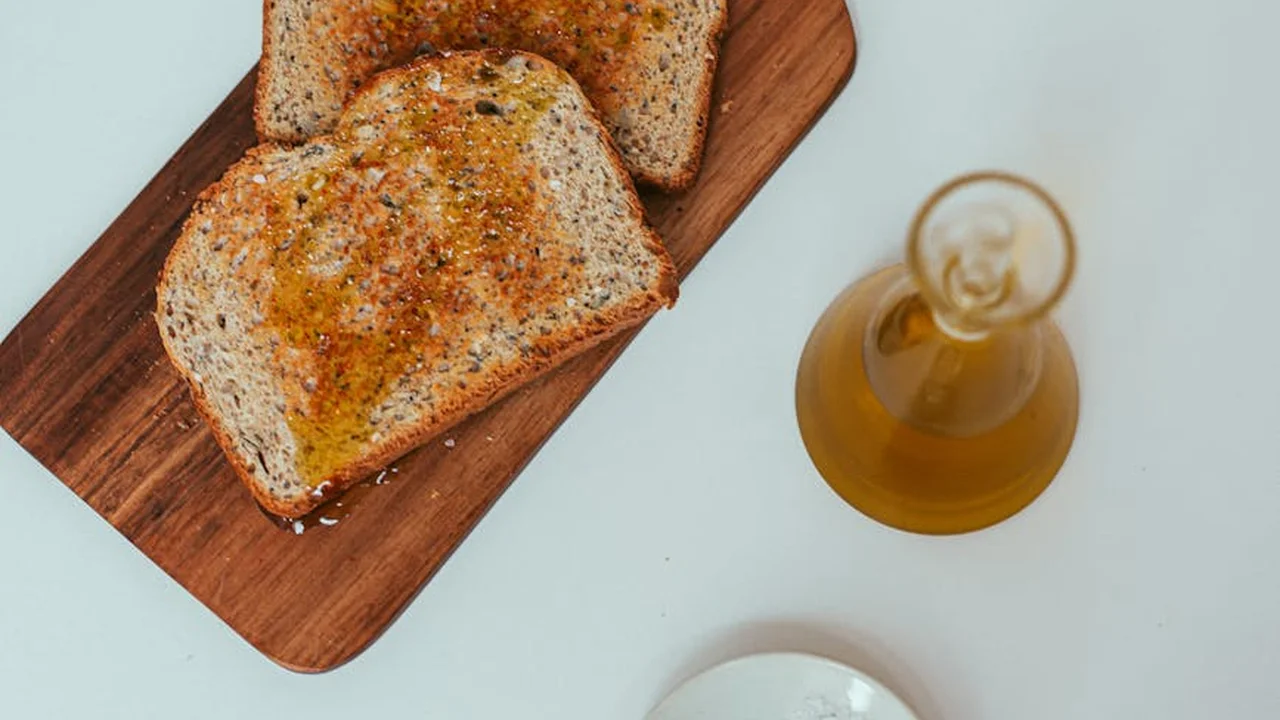
When your recipe needs that specific toasty, nutty kick, a few oils can step in beautifully.
I look for options that bring a similar aromatic warmth to the pan or the dressing bowl.
Perilla oil is the closest match, but a good roasted peanut oil from your pantry often works just as well.
Perilla Oil: The Closest Relative
Perilla oil truly is sesame oil’s cousin from the same botanical neighborhood.
Its flavor has a similar deep, roasted base but with a brighter, more herbaceous top note.
I find it carries hints of mint and fresh grass, which I love in Korean cucumber salads or brushed on grilled meats.
Perilla oil is pressed from seeds, so please be mindful if you or your guests have seed allergies.
Roasted Peanut Oil: The Pantry Standby
Roasted peanut oil gives you a powerful, upfront nuttiness.
Its flavor is stronger and less earthy than sesame oil, but it creates a fantastic rich base for stir-fries and noodle dishes.
I keep a small bottle on hand for when I need a quick flavor boost.
This is not an alternative for anyone with a peanut allergy. Always check with your diners first.
The Seed & Oil Infusion Trick
If you have sesame seeds but no oil, you can make your own infused version.
Toast a tablespoon of white sesame seeds in a dry pan over low heat until they turn golden and smell wonderfully nutty.
Place the warm seeds in a clean jar and pour over half a cup of a neutral oil, like grapeseed or sunflower.
Let it steep for an hour, then strain out the seeds.
This homemade infusion gives you a gentle sesame essence, perfect for when you only need a hint of that classic flavor.
Neutral & High-Heat Substitutes for Cooking (When Flavor Isn’t the Goal)
Sometimes you just need an oil to cook with, not to flavor the dish.
For high-heat frying or when you want other ingredients to stand out, a neutral oil with a high smoke point is key.
My top choices are avocado oil, grapeseed oil, and high-oleic versions of sunflower or safflower oil.
These oils won’t taste like sesame, so plan to add umami from other sources like soy sauce, fish sauce, or dried shiitake mushrooms.
Avocado Oil: The High-Heat Champion
Avocado oil has a very high smoke point, which makes it my favorite for searing and deep-frying.
It has a subtly buttery, rich texture that feels luxurious in the pan.
I use it when I want to cook something hot and fast without any smoky kitchen drama.
Grapeseed Oil: The Light Neutral
Grapeseed oil is impressively light and clean tasting.
It has a medium-high smoke point that handles sautéing and oven-roasting with ease.
I reach for it when I’m making a delicate dish where I don’t want the oil’s flavor to compete.
When Allergies Are the Issue: Safe, Nut-Free Substitutions
If you’re searching for a sesame oil substitute because of an allergy, your first priority is safety. I understand that need for certainty. You want flavor, but you need peace of mind more.
For absolute safety, turn to neutral-tasting, high-heat oils that come from fruits, not seeds or nuts. Refined avocado oil and grapeseed oil are my top picks from my kitchen shelf. They have almost no flavor of their own, which is perfect here. They won’t trigger an allergic reaction, and they can handle the heat for sauteing.
The tricky part is replacing that deep, toasted, almost meaty flavor. Since we can’t use sesame or nut oils, we build that note from other ingredients.
- Coconut Aminos: This is a great soy-free, gluten-free sauce. It adds a similar salty-sweet umami depth. Start with a teaspoon in your sauce or marinade.
- Dried Shiitake Mushroom Powder: I keep a jar of this in my pantry. A tiny pinch adds a powerful savory, earthy flavor that mimics the complexity of toasted sesame.
- A Dash of Smoked Paprika: This is your secret weapon. It doesn’t taste like sesame, but it gives that same smoky, rounded background note. Use it sparingly.
Cooking Without Compromise: Substitutes for Specific Dishes
Choosing the right oil depends on what you’re making. The best substitute answers the question, “what can I use in place of sesame oil” for that specific job. Let’s look at common dishes.
For Stir-Fries & Fried Rice
You need an oil that can take high heat for cooking, and then you need that finishing flavor. I almost never use one oil for the whole job.
Use a two-oil approach: cook with a high-heat oil, then finish with just a few drops of a flavorful one. This preserves the delicate flavors.
- Cook your vegetables and protein in a neutral, high-heat oil like avocado or peanut oil.
- Once the heat is off, drizzle in a tiny amount of your flavorful substitute. Roasted peanut oil is excellent here. Its deep, nutty aroma will bloom in the hot dish.
For Dressings, Dumplings & Dipping Sauces
Here, the oil is the star. It’s not cooked, so its raw flavor shines through. You want something with character.
For the closest match to toasted sesame oil’s intense flavor, seek out perilla oil. It’s pressed from a related herb seed and has a dark, earthy, and minty taste that works beautifully in dipping sauces. My second choice is to make a small batch of sesame-seed infused oil at home if you have seeds but need to avoid the pre-made oil. Throughout history, sesame oil has played a role in ancient remedies and daily kitchens. Today, it remains a modern kitchen essential.
For a different but wonderful twist, try a rich, unrefined walnut oil in your salad dressings. Walnut oil has a robust, nutty flavor that stands up to strong acids like vinegar, but you must never heat it. Keep it in the fridge to preserve its delicate taste.
For Marinades
Marinades are about carrying flavor into the food. The oil itself doesn’t need to be the main taste.
Any good-quality neutral or mildly nutty oil can act as the base for your marinade. A light olive oil or even sunflower oil works perfectly. The missing “toasted” note that sesame oil provides can come from other ingredients in your mix.
Stir a small spoon of tahini (sesame seed paste) into the marinade for that authentic flavor. A good splash of soy sauce or tamari will also add the salty, savory depth you might be missing. The oil’s job is to blend everything together and help the flavors cling.
Common Pitfalls: What Not to Do and Why
If you use a strong extra virgin olive oil instead of sesame oil for a stir-fry, you’ll notice the difference immediately.
The fruity, sometimes peppery taste of the olive oil will fight with your ginger, garlic, and soy sauce. This flavor clash can make your dish taste confused and muddled, not harmonious.
Beyond taste, extra virgin olive oil has a relatively low smoke point. Using it for high-heat frying can make it break down, filling your kitchen with smoke and giving your food a burnt, bitter flavor.
I keep a bottle of fancy extra virgin olive oil on my shelf for dressings and finishing, but I reach for a different oil when my wok is hot.
This principle applies to other potent oils, too. An unrefined coconut oil has a lovely tropical aroma perfect for certain bakes, but it will overwhelm a delicate sauce meant to have just a hint of nuttiness. Always ask yourself if the recipe needs a flavorful backbone or just a neutral cooking fat.
That question leads us directly to the most important rule after flavor: the smoke point. Ignoring it is a sure way to ruin good ingredients.
The Olive Oil Question
Let’s be very clear. For replicating the toasty, nutty essence of sesame oil, extra virgin olive oil is not your friend.
Its distinct Mediterranean personality-grassy, fruity, peppery-simply doesn’t belong in most East or Southeast Asian dishes. Think of it like using a bold rosemary in a recipe that calls for delicate cilantro; the profiles are from different worlds.
Now, light olive oil or refined olive oil is a different story. These have been processed to remove much of the flavor and color.
They become a neutral, high-heat cooking fat. You can sauté your vegetables in it without any flavor clash. It will do the job of cooking your food, but it brings absolutely zero of the signature sesame taste to the party. You would need to add that flavor back in another way.
Smoke Point Matters
Smoke point is the temperature at which an oil starts to break down and smoke. You see those wisps coming from your pan? That’s the oil degrading. It’s essential to understand what happens when oil breaks down to cook effectively and healthily.
When oil smokes, it releases harmful compounds and gives your food an acrid, unpleasant taste. Choosing a substitute with a smoke point suitable for your cooking method protects both your health and your meal’s flavor. Understanding smoke points is essential for picking the right oil.
For quick, hot stir-frying, you need a substitute with a high smoke point, like peanut or avocado oil. For a low-heat marinade or a finishing drizzle, you have more flexibility.
If you’re ever unsure, a quick glance back at the comparison table will point you toward a safe and effective choice for your specific task.
Your Questions, Answered
If I’m out of sesame oil for dumplings or dipping sauce, what’s my very best bet?
For that authentic, aromatic finish, seek out perilla oil-it’s sesame oil’s closest cousin. If that’s unavailable, a few drops of roasted peanut oil or a homemade sesame seed infusion will provide a lovely nutty depth.
Can I use regular vegetable oil instead of sesame oil in my fried rice?
Yes, for the high-heat cooking stage, a neutral vegetable oil like grapeseed is perfect. Just remember to add your umami flavor separately with soy sauce or a tiny drizzle of a toasted nut oil at the end.
I see a lot of ideas online (like on Reddit). How do I know which substitute advice to trust?
Great question! Always prioritize smoke point for safety and flavor profiles for harmony. My rule is to trust suggestions that, like we do here, distinguish between a cooking oil and a finishing oil—it’s the key to a successful swap, especially when dealing with high-heat cooking oils.
What’s a simple, one-sentence rule for substituting sesame oil for flavor?
For that signature toasty note, use a dark, roasted oil like perilla or peanut as a *finish*; for the cooking fat itself, use a neutral, high-heat oil and build flavor elsewhere.
If a recipe just says “sesame oil,” how do I know which type to substitute?
Let the cooking method guide you: if you’re frying or sautéing, assume light sesame oil and use a neutral high-heat oil. If it’s for a dressing, marinade, or final drizzle, assume toasted sesame oil and use a flavorful substitute. These tips reflect the best cooking applications of sesame oil in Asian cuisine, especially in dressings and as a finishing touch. They pair especially well with salads, where a drizzle of sesame oil can elevate flavor.
Your Kitchen’s Botanical Blend
The most reliable guide for swapping sesame oil is your own intention for the dish, whether you seek a nutty depth or a light, aromatic finish. I keep a small bottle of toasted sunflower oil on my shelf for just this reason—it offers a familiar warmth that comforts both the palate and the home.
I write regularly about these everyday oil choices on our blog, weaving them into care for body, skin, and well-being. Trust the knowledge you’ve gathered here, and equally, trust your senses as you create; that confidence is the heart of a holistic practice.
Related Guides and Information
- r/AskCulinary on Reddit: Is there a suitable substitute for sesame oil that actually provides the same type of flavor?
- 7 Best Sesame Oil Substitutes – What to Use Instead of Sesame Oil
- Is there a good toasted sesame oil substitute? – The Asian Allergy Mom
- Substitute For Toasted Sesame Oil (Best 12 Alternatives) – Dances with Knives
- 9 Terrific Substitutes for Sesame Oil
Noemi Kamińska
Noemi is an accomplished wellness researcher, nutrition care guide and body care expert. She has years of experience in formulating various oil combinations for full body wellness including face, hair, body care, essential oils and cooking oils. She works as a bio-formulator working with oil chemistry and analyzing the best formulations when it comes to your needs. Feel free to reach out to get your oil needs sorted.