
Peanut Oil vs. Sesame Oil: Which One Wins in Your Asian Kitchen?
Staring at two bottles of oil before cooking can stop your stir-fry plans cold. From my own crowded pantry shelf, I know picking the right one is simpler than it seems, and it all comes down to flavor and heat.
My goal is to give you the confidence to use each oil where it shines brightest.
- The distinct flavor profiles: from peanut oil’s mild nuttiness to sesame oil’s potent, toasty punch
- Best uses for each, including when to fry with one and finish with the other
- How these oils behave differently at high heat and why it matters for your dish
Key Takeaways: Peanut vs. Sesame Oil at a Glance
Think of them as partners in your kitchen, not rivals. Each has a clear, distinct job.
- Flavor: Peanut oil is a mild, slightly sweet nuttiness. Sesame oil is an intense, toasty, and aromatic punch.
- Smoke Point: Peanut oil has a high smoke point (around 450°F). Sesame oil has a low smoke point (around 350°F for the toasted kind).
- Primary Role: Peanut oil is for cooking. Sesame oil is for finishing.
Here is my favorite way to picture it. Peanut oil is your sturdy, reliable canvas. Sesame oil is your pot of bold, fragrant paint for the final brushstrokes.
Peanut Oil’s Mellow Canvas: Flavor and Foundation
Open a bottle of good peanut oil and take a sniff. I keep a bottle of cold-pressed on my kitchen shelf. It smells like faint roasted peanuts, sweet grass, and raw earth.
The flavor is soft. It is a background hum, not a shout. This is why many call it “neutral” compared to sesame oil.
For your Asian cooking, peanut oil provides a rich, unobtrusive base that lets your garlic, ginger, and chili pastes take center stage. It adds a whisper of depth without defining the whole dish.
The Nuts and Bolts: Refined vs. Cold-Pressed Peanut Oil
Not all peanut oils are the same. The processing changes everything.
Refined peanut oil is clear, pale, and has that high smoke point. It is your go to for stir frying and deep frying. Cold pressed oil is golden, deeply aromatic, and has a lower smoke point.
Buy refined peanut oil for your wok. Reach for cold pressed peanut oil for dressing a cold noodle salad or drizzling over steamed greens.
As an herbalist, I value the cold pressed version beyond the kitchen. It is a wonderfully rich, nutty carrier oil for skin and hair. It feels nourishing and absorbs slowly, perfect for a warming massage blend or a hair oil treatment.
Why Peanut Oil Loves High Heat
Refined peanut oil has a smoke point of about 450°F (232°C). This is very high.
This stability makes it a champion for searing meats, deep frying spring rolls, and achieving real wok hei, that breath of the wok. It can handle the intense heat without burning and turning your food bitter.
Sesame Oil’s Toasty Perfume: Aroma and Impact

Open a bottle of toasted sesame oil, and its scent hits you immediately. It smells deeply nutty and roasted, like seeds toasted in a hot pan.
That aroma is intensely warming, a rich perfume for your food.
You only need a small amount because its flavor is so concentrated and powerful.
When you want that authentic, toasty sesame taste in a dish, this oil delivers it directly.
Not All Sesame Oils Are the Same
You will see two main kinds on the shelf. Light sesame oil comes from raw seeds.
Dark or toasted sesame oil is pressed from roasted seeds.
Light oil has a mild taste and handles higher heat. Dark oil has that famous, intense perfume.
Beyond cooking, I keep a bottle of golden, cold-pressed sesame oil in my apothecary (it’s wonderfully nourishing for skin and hair blends). It’s great for both culinary and body care uses.
For your kitchen, choose light sesame oil for frying and the dark, toasted one for drizzling and finishing.
Handling Sesame Oil’s Sensitive Nature
Sesame oil has a low to medium smoke point. It will start to smoke and burn at high temperatures.
I never use it for high-heat frying or searing.
Treat it as a finishing oil. Stir it in at the very end of cooking to lock in its aroma and flavor.
Store sesame oil in a cool, dark place, like a cupboard away from the stove.
This keeps it fresh and prevents it from turning rancid too quickly.
The Culinary ‘VS’ Battle: Putting Each Oil to Work
This is the practical heart of the matter. Knowing when to use each oil makes your Asian cooking sing.
Choosing correctly solves the “best uses” puzzle perfectly.
Peanut Oil’s Best Moves in the Kitchen
Peanut oil is my go-to for high-heat cooking where I need a neutral background.
- Stir-fries: It gets the wok very hot without smoking.
- Spring rolls and deep-fried foods: It creates a light, crisp texture.
- Mild curries: It lets the spices and herbs shine through.
Its high smoke point and quiet flavor make it essential for achieving a good sear in Asian dishes without overpowering other ingredients.
For authentic results in stir-fries or fried rice, peanut oil is a reliable workhorse.
Sesame Oil’s Magic Touch
Sesame oil works its magic at the end of cooking, not during.
- Noodle dishes: A drizzle over lo mein or dan dan noodles.
- Dumpling dips: Mixed with soy sauce and vinegar.
- Marinades: Adds depth to meats and tofu.
- Soups and steamed vegetables: A few drops just before serving.
It transforms a dish with its aroma alone, acting as a flavorful perfume rather than a cooking medium.
This is why a tiny bottle of toasted sesame oil is a non-negotiable staple in Asian cuisine for finishing touches, especially in dressings and sauces.
Can You Swap One for the Other?
Can you substitute peanut oil for sesame oil, or the other way around? The direct answer is no.
Peanut oil cannot mimic the intense, toasty flavor of sesame oil.
Sesame oil will burn and taste bitter if you try to use it for high-heat cooking like peanut oil.
My favorite kitchen trick is to use both. Cook your stir-fry in peanut oil over high heat.
Then, turn off the burner and stir in a half teaspoon of toasted sesame oil. You get the perfect sear and the finishing aroma.
Beyond the Wok: Wellness and Home Uses
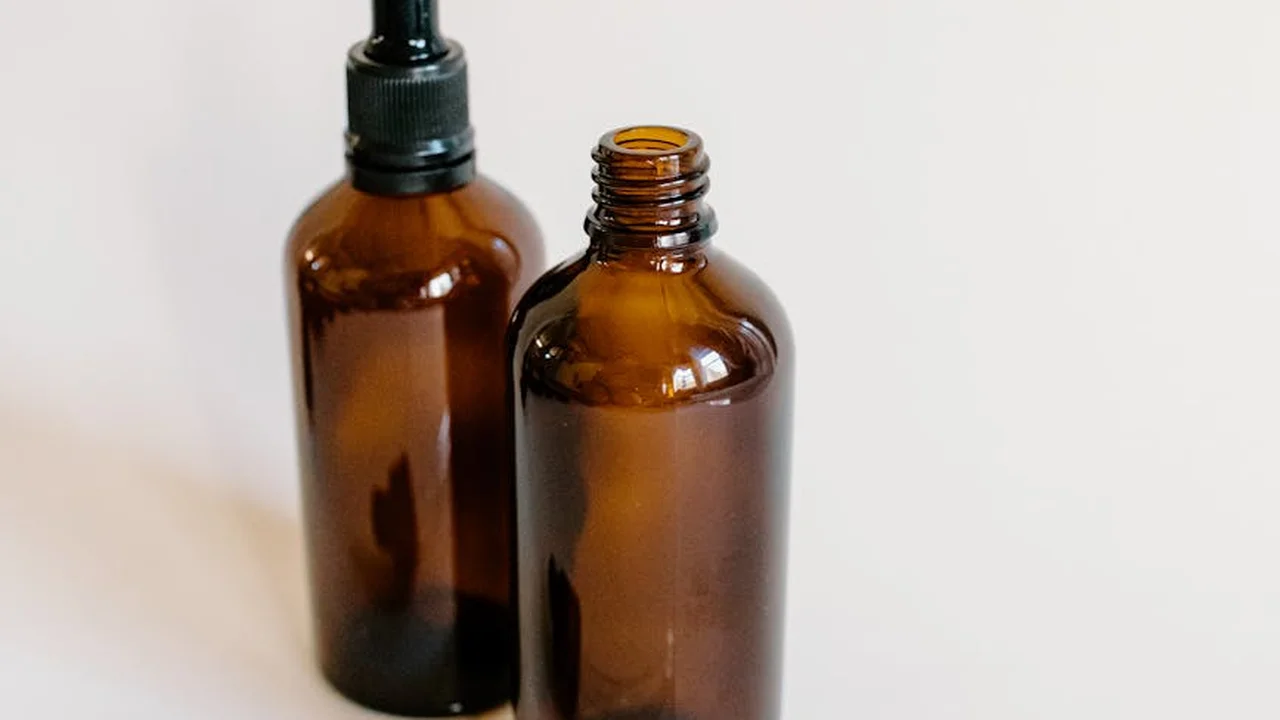
In my home, these kitchen staples do double duty. I keep separate bottles in my apothecary for body and home care, just like I do for specialty olive or coconut oil.
Their rich textures and distinct aromas translate beautifully from the stove to your skin and living spaces.
In Your Apothecary and Self-Care Rituals
Cold-pressed sesame oil is a star in Ayurvedic self-massage, or abhyanga. I use it in the cooler months for its deeply warming, grounding feel on the skin.
It creates a gentle, protective barrier that soothes dry skin and feels like a warm hug.
Peanut oil is a thick, rich oil that some use as a carrier for very dry areas. The bottle on my shelf is for elbows and heels only.
You must perform a patch test and avoid it completely if you have a peanut allergy, which can be severe.
For a simple scalp ritual, try a base of light sesame oil. Warm a tablespoon in your hands, then massage it into your scalp for five minutes before washing.
Aromatic Touches Around the Home
Toasted sesame oil adds a cozy scent to homemade cleaners. I add one single drop to a spray bottle with white vinegar and water for wiping kitchen surfaces.
It leaves a faint, warm aroma that makes the whole kitchen smell clean and welcoming.
Remember, sesame oil is a fixed oil, not an essential oil. Do not put it in your ultrasonic or heat diffuser, as it will not vaporize and could ruin the device.
When to Seek Professional Guidance
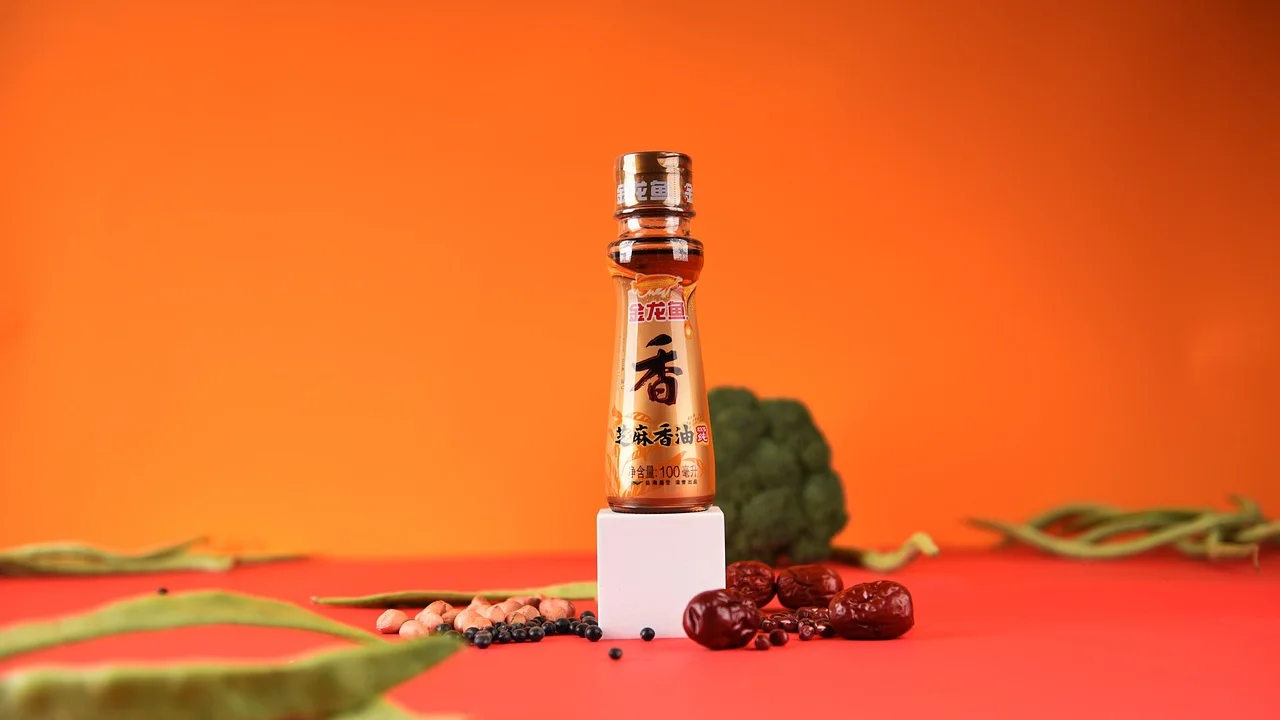
Peanut allergies are a serious medical concern. Even topical use can cause a reaction in sensitive individuals.
If anyone in your home has a peanut allergy, do not bring peanut oil into your space for any reason.
Always consult a doctor or dermatologist before applying new oils to your skin, especially if you have sensitive skin or known allergies.
For advice on using these oils in your diet, a nutritionist can provide guidance tailored to your health goals.
Other Oils in Your Asian Pantry
While peanut and sesame are stars, a well-stocked shelf has room for more. I keep a few other bottles for their unique talents.
For very high-heat searing where I want zero flavor interference, I reach for avocado oil. It has a remarkably high smoke point. Its mild, buttery feel makes it my go-to for blistering hot wok cooking.
When I need a truly neutral, light oil for a delicate dressing or a light sauté, grapeseed oil is perfect. It’s almost scentless and won’t compete with subtle flavors. Both avocado and grapeseed oil are also fantastic, lightweight carriers for body oil blends. If you’re weighing avocado oil versus grapeseed oil for culinary or cosmetic use, a quick side-by-side look can help. The next step will include a concise comparison linked for easy reference.
Perilla Oil: Sesame’s Earthy Cousin
If you love toasted sesame oil, let me introduce you to its deeper, more herbaceous relative: perilla oil. Made from the seeds of the perilla plant, it’s a staple in Korean cuisine.
Its scent is intensely nutty and grassy, with a distinct minty, almost licorice-like note in the background. The flavor is richer and more complex than sesame oil. A single drop of perilla oil can completely transform a soup, marinade, or finishing drizzle.
I use it exactly like toasted sesame oil-strictly as a finishing touch. Never heat it. I love it in yangnyeomjang (dipping sauce) or stirred into a bowl of bibim guksu (mixed noodles). The aroma is unforgettable.
Choosing Your Kitchen Partner
Think of your oils like tools. You wouldn’t use a hammer to screw in a lightbulb.
Peanut oil is your high-heat workhorse for frying and stir-frying. Toasted sesame oil is your aromatic finisher, adding a final punch of flavor. A neutral oil like avocado handles the extreme heat when flavor neutrality is key, especially for frying chicken, fish, steak, fries, or turkey.
Each oil in your pantry has a best and highest use, and knowing that is the secret to layering flavors like a pro. Start with a good base fry, then finish with a fragrant drizzle. Your taste buds will thank you.
Your Questions, Answered
How should I store these oils to keep them fresh?
Refined peanut oil is stable and can be stored in a cool, dark pantry. Proper storage helps maximize peanut oil’s shelf life. Keep peanut oil in a cool, dark place and refrigerate after opening to maintain quality. Always store toasted sesame oil in a cupboard away from heat and light, and consider refrigerating it after opening to preserve its delicate aroma.
Is all peanut oil safe for people with peanut allergies?
No. Highly refined peanut oil may be processed to remove the proteins that cause allergic reactions, but cold-pressed or gourmet oils likely contain them. If you have a peanut allergy, avoid peanut oil entirely and opt for a safe alternative like grapeseed oil for high-heat cooking.
Can I use peanut oil for low-heat applications, like dressings?
Absolutely. While refined peanut oil is for frying, a cold-pressed peanut oil has a richer, nuttier flavor perfect for dressing cold noodle salads or drizzling over steamed vegetables, much like a specialty olive oil.
What’s the main difference between light and dark sesame oil beyond flavor?
The key difference is their smoke point and best use. Light sesame oil, from raw seeds, can handle a sauté, while dark (toasted) sesame oil is strictly a finishing agent due to its low smoke point and concentrated flavor.
What’s the best way to combine both oils in one dish?
Use them sequentially for layered flavor. Start by stir-frying your ingredients in refined peanut oil over high heat, then remove the pan from the burner and stir in a small amount of toasted sesame oil just before serving.
A Final Note on Kitchen Botanicals
The true secret lies in letting their distinct personalities guide you. Choosing between them is about matching their unique botanical essence to your dish and your own wellness in the kitchen.
I hope this gives you confidence to experiment. I even make botanical oils at home—avocado, olive, lavender, and peppermint—so you can see how simple it can be. For more ways to bring botanical oils into your life for body, skin, hair, and home, I share my own tried-and-true recipes right here on the blog, straight from my apothecary shelf.
Noemi Kamińska
Noemi is an accomplished wellness researcher, nutrition care guide and body care expert. She has years of experience in formulating various oil combinations for full body wellness including face, hair, body care, essential oils and cooking oils. She works as a bio-formulator working with oil chemistry and analyzing the best formulations when it comes to your needs. Feel free to reach out to get your oil needs sorted.