
How Are Essential Oils Extracted?
You might look at a drop of frankincense oil and feel curious about the journey from tree resin to that rich, complex aroma. I’ve worked with these processes firsthand, and breaking them down simply can build your confidence in selecting and using oils.
This guide will give you a clear picture of the three primary extraction methods that fill the bottles on my shelf.
- Steam distillation, the most common technique.
- Cold pressing, used for vibrant citrus oils.
- CO2 extraction, a precise modern method.
Why Extraction Isn’t Just Chemistry-It’s Character
Think of an essential oil as the plant’s voice, its concentrated scent and life force captured in a bottle. It’s not just an “oily” liquid. It’s the plant’s character.
The method used to capture that voice directly shapes the oil’s personality. It decides how vibrant the aroma smells, how gentle it feels on your skin, and even how long it lasts on your shelf.
When you look at a bottle, the first clue to its quality isn’t the price, it’s the extraction method listed. That simple term tells you the story of how the oil was born and hints at how it will behave for your body, skin, hair, and home.
Steam Distillation: The Classic Art of Alchemy
Imagine giving plant material a long, gentle steam bath. That’s steam distillation. It’s the oldest and most common way to capture an essential oil.
The Steamy Journey from Plant to Oil and Hydrosol
Here’s how it works. Plant material, like lavender buds, is placed in a sealed chamber. Pressurized steam is forced through it.
This steam gently breaks open the tiny sacs that hold the aromatic compounds. It carries those fragrant molecules into a cool coil, where everything condenses back into a liquid. Picture your kitchen window fogging up from a boiling kettle.
That liquid mixture then flows into a separator. Because oil and water don’t mix, the essential oil floats to the top and is collected. The fragrant water left behind is a hydrosol. Hydrosols, like rosewater or lavender hydrosol, are much gentler than their essential oil counterparts and are perfect for sensitive skin or as a room mist.
Best Plant Candidates for the Still
Not every plant part likes a sauna. Steam distillation works beautifully for tough, aromatic leaves and hearty flowers.
The classics on my shelf that came from a still are:
- Lavender (flowers)
- Peppermint (leaves)
- Eucalyptus (leaves)
- Tea Tree (leaves)
- German Chamomile (flowers)
These plants have robust parts that can handle the steam without their core scent profile falling apart.
Pros, Cons, and the Heat Factor
Steam distillation is revered for its purity. It creates a clean, stable oil and gives us the bonus gift of a hydrosol. For many oils, it’s the perfect method. It also ensures that the oil is separated effectively from water and other liquids, which is crucial for natural oil use.
But heat is the trade-off. Some of the most delicate, bright top notes in a plant’s scent profile can be altered or lost in the process.
This is why citrus oils, prized for their fresh, light aromas, are rarely steam-distilled the flowers of jasmine or rose, which have incredibly fragile scent molecules, often need a different approach to smell truly true to life.
You might see small home steam stills for sale. They can be a wonderful project for a gardening enthusiast. I’ve tried mine with garden mint. The reality is they require a large amount of plant material for a tiny yield of oil, making them more for the experience than a practical way to supply your oils.
Cold Pressing: Zest and Sunshine, Captured
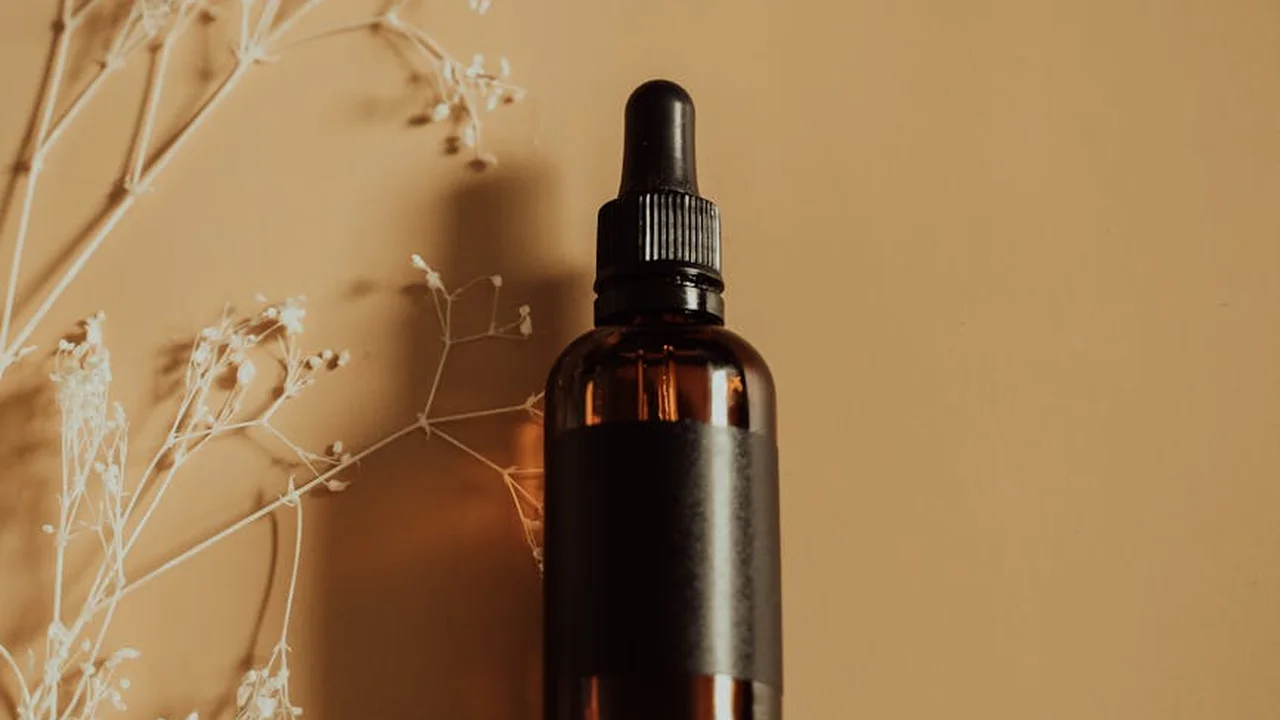
Imagine trying to capture the bright, cheerful scent of a freshly peeled orange. Heat would only burn away that vibrant personality. Cold pressing, also called expression, is the method made just for citrus oils like bergamot, lemon, and sweet orange.
A Simple Press: No Heat, Just Pressure
The process is beautifully straightforward. The citrus rinds are mechanically pierced and crushed to release their essence. A fine, fragrant mist of oil bursts forth from the tiny sacs in the peel, unlike botanical oils such as argan, jojoba, and rosehip which are typically extracted through pressing or solvent methods.
It’s a lot like juicing an orange, but the goal is the aromatic oil from the colorful zest, not the sweet juice from the fruit inside. The oil and watery residue are then separated.
This simple mechanical action preserves the oil’s true, sunshiny character without any heat.
Why Citrus Oils Can’t Handle the Heat
Citrus oils are full of volatile, delicate compounds that give them their uplifting scent. Subjecting them to the high heat of steam distillation would change their chemical profile. The result would be a flat, cooked aroma, nothing like the real fruit.
Cold pressing protects these fragile top notes, which is why your bottle of lemon oil smells so instantly joyful and authentic.
The Phototoxicity Check: A Must for Skin Use
Here is a critical safety point for using these oils on your body. Certain cold-pressed citrus oils, like bergamot, lime, and bitter orange, contain compounds that can react with ultraviolet light.
Applying them to your skin before sun exposure can cause a serious burn-like reaction. You must always dilute them properly in a carrier oil, typically to 1% or less, for any daytime body care application.
On my shelf, I keep a separate, labeled roller bottle of bergamot diluted in jojoba oil just for evening use. It’s a simple habit that keeps skin safe.
If you’re curious about essential oil extraction at home, citrus is one of the more feasible places to start. You would need a specific tool like a citrus zester or a manual press designed for tiny batches.
CO2 Extraction: Science Meets the Sublime
This is where extraction becomes a high-tech art form. CO2 extraction uses precision and pressure to go beyond what steam or pressing can achieve, capturing plant essences in their most complete form.
How Carbon Dioxide Becomes a Liquid Solvent
At room temperature, carbon dioxide is a gas. But under extreme pressure, it transforms into a “supercritical” state, acting like both a liquid and a gas.
In this state, it flows through plant material like a liquid solvent, soaking up the aromatic compounds and other valuable plant constituents. Then, when the pressure is released, the CO2 simply evaporates back into a gas, leaving behind a pristine extract.
Think of it as a super-precise, residue-free cleaning process that pulls every bit of goodness from the plant.
Select vs. Total Extracts: A Spectrum of Benefits
This method allows for incredible precision. A “select” CO2 extract targets a specific scent profile, similar to a steam-distilled oil but often richer.
A “total” CO2 extract is something special. It captures a much broader spectrum of the plant, including waxes, resins, and pigments. The result is a thicker, often paste-like substance with a fuller therapeutic profile.
In wellness, these total extracts are prized. I reach for my total CO2 extract of ginger or turmeric when I want a deeply warming, full-spectrum addition to a muscle balm, as it contains more of the plant’s active compounds.
The Price of Purity and Precision
The benefits are clear: unmatched purity, no heat degradation, and the ability to capture compounds other methods can’t. The downside is cost and complexity.
The equipment is highly specialized and expensive. This leads many to search for ‘essential oil extraction machine price’ or look for units ‘for sale’.
It’s important to know that true supercritical CO2 extraction is almost exclusively a commercial-scale technology due to the massive pressure vessels and investment required.
For us as home users, it means seeking out reputable suppliers who offer these exquisite extracts, understanding that their higher price reflects a remarkable level of craftsmanship and plant integrity.
Your Practical Guide: Which Oil for Which Purpose?
Now, let’s move from the lab to your life. How do you pick the right type of oil for your project? The method of extraction directly shapes how an oil will perform on your skin, in your hair, or in the air of your home.
I keep bottles from all three main methods on my shelf because they each have a perfect job.
For Your Skin: Gentle and Non-Irritating Extracts
Your facial skin is delicate. It deserves the gentlest extracts. I almost always reach for steam-distilled or CO2 extracts here.
Steam-distilled oils like lavender, frankincense, or chamomile are classic, reliable choices for calming redness or supporting healthy skin. They tend to be well-tolerated.
Be very careful with citrus oils on skin. Cold-pressed citrus oils like bergamot, lime, or bitter orange can cause phototoxicity-a bad reaction with sunlight. You can still use them, but dilution and evening application are key. For a facial serum, I never go above a 1% dilution. That’s about 6 drops of essential oil per ounce of carrier oil.
CO2 extracts can be wonderful for skin too. The CO2 extracted German chamomile on my shelf is a deeper blue and feels incredibly soothing.
For Your Hair: Light Oils for Scalp and Strands
Hair and scalp treatments need oils that can absorb without heavy buildup. Steam distillation typically creates oils with a lighter viscosity, perfect for this job.
My go-to is steam-distilled rosemary oil. It’s light, fresh, and famously supportive for the scalp and hair follicles. It’s easy to make your own oil blend for hair care.
Because it’s not a thick oil, it mixes easily into a carrier oil like jojoba oil and can reach the scalp without just sitting on top. Think of it like a lightweight serum versus a heavy balm. You want that serum-like quality for hair care.
A warm scalp massage with a few drops of rosemary oil diluted in a tablespoon of argan oil is a ritual I swear by.
For Your Home: Diffuser-Friendly and Long-Lasting Scents
This is where you can play with the full aromatic spectrum. Each extraction method brings a different character to your diffuser.
Steam-distilled oils give you the classic, true aromatherapy experience. Their scent is often the purest expression of the plant’s aromatic essence-like the soft, floral lift of lavender or the clear, woody note of cedarwood.
CO2 extracts offer something deeper. They can make a room smell more like the actual plant, or a rich spice. CO2 extracted ginger smells sharper and more pungent, like fresh ginger root.
For a simple, uplifting home blend, try three drops of steam-distilled sweet orange with two drops of steam-distilled peppermint in your water diffuser. It clears the mind and smells wonderfully clean.
For Wellness Blends: Potency and Synergy
When creating a blend for a specific wellness purpose, the completeness of the oil matters. This is where CO2 extracts often shine.
Since they capture a broader range of the plant’s compounds, they are thought to offer a more “whole-plant” effect. For a targeted blend, I might choose a CO2 extract of turmeric or ginger for their robust profiles.
Remember, no matter how an oil is extracted, you must dilute it in a carrier oil for safe topical use. Potency is not an excuse to skip this step. For body blends, a 2-3% dilution is a common and safe starting point. Proper mixing is crucial for both safety and effectiveness.
Synergy is key. Sometimes, a blend of a steam-distilled oil and a CO2 extract of the same plant creates a beautifully rounded effect.
Other Paths: Enfleurage and Solvent Extraction
Beyond steam, cold pressing, and CO2, there are two other methods you might see, especially for precious florals.
Enfleurage is an ancient, fat-based method. Delicate flower petals are pressed into purified fat, which absorbs their scent over weeks. It’s a slow, almost lost art, used for flowers like jasmine or tuberose that are too fragile for steam.
Solvent extraction uses food-grade solvents to pull out aromatic compounds, creating first a “concrete” and then an “absolute.” Rose absolute and jasmine absolute are made this way.
Absolutes are incredibly concentrated and potent, and they are not for internal use. They often require even further dilution in a carrier oil before touching your skin. A single drop of rose absolute in a bottle of jojoba oil is all you need.
If you’re looking for a methods pdf or a detailed presentation on all this, consider this section your foundational guide. It gives you the practical knowledge to choose oils wisely for any project in your home. Along the way, you’ll encounter distinctions in definitions and the common uses of various botanical oils. Knowing these nuances helps you compare options more confidently as you explore further.
Your Questions, Answered
Can I really extract essential oils at home?
You can experiment, especially with small citrus presses or home steam stills. For most of us, it’s a wonderful learning project about plants, not a practical way to source large quantities of effective, safe oil.
How much does a home extraction machine cost, and is it worth it?
Small home stills or presses can range from $100 to over $500. Given the huge amount of plant material needed for a tiny yield, I view them as an educational investment for a gardening enthusiast rather than a money-saving purchase.
Is there a good starter kit for essential oil extraction?
Look for a kit designed for citrus expression, which is the most accessible method. These often include a manual press and collection vials. Remember, you’ll need many pounds of organic citrus rinds to produce a small amount of oil, especially compared to other botanical oils like avocado, olive, lavender, and peppermint.
Where can I find a PDF or presentation on these extraction methods?
Many university agriculture departments and reputable aromatherapy schools offer free resources. Your best search terms are “essential oil distillation technical guide PDF” to find detailed, science-backed explanations.
Are home-extracted oils as potent or safe as professionally made ones?
Professional-grade equipment ensures purity, correct chemical profiles, and safety. Home methods risk contamination or improper separation, so I recommend using home-extracted oils for scent projects, not for therapeutic skin or wellness applications.
From Still to Shelf: A Personal Reflection
Knowing how your essential oils are made is the first step toward using them wisely and well. Let the extraction method guide your choice-steam-distilled lavender for your evening pillow mist, cold-pressed grapefruit for a morning scrub, CO2-extracted chamomile for a sensitive skin salve. Different methods extract essential oils from plants in distinct ways, shaping aroma, potency, and suitability for different uses. Understanding this helps you pick not just the scent, but the extraction approach that fits your needs.
I share my experiences here to support your own explorations with oils for body, skin, hair, and home. Trust this guidance, trust your nose, and enjoy the simple act of creating something good for yourself.
Noemi Kamińska
Noemi is an accomplished wellness researcher, nutrition care guide and body care expert. She has years of experience in formulating various oil combinations for full body wellness including face, hair, body care, essential oils and cooking oils. She works as a bio-formulator working with oil chemistry and analyzing the best formulations when it comes to your needs. Feel free to reach out to get your oil needs sorted.