
What Is an Essential Oil Diffuser and How Does It Help Your Home?
If you feel unsure about where to start with essential oils, you are not alone. I keep a diffuser on my bedside table because it turns a basic room into a personal sanctuary with just a few drops of oil.
My goal is to give you the same clear, practical knowledge I use every day in my own practice.
- What an essential oil diffuser really is
- How different types of diffusers actually work
- The real benefits for your air, mind, and body
- Simple, effective ways to use one starting today
What Exactly Is an Essential Oil Diffuser?
An essential oil diffuser is a simple device that disperses tiny essential oil molecules into your air.
You breathe these particles in, letting the oil’s aroma and properties work gently in your space.
This is not like lighting a scented candle or using reed sticks.
Candles rely on heat that can break down delicate oils, and reeds offer a faint, passive scent.
A diffuser actively and coolly releases the oil’s full character, which is why I prefer it for daily wellness.
The two main types you’ll encounter are ultrasonic and nebulizing diffusers.
On my own shelf, I have a small ultrasonic one for my bedroom and a sturdy nebulizer for my living area, each chosen for a specific purpose.
How Do Essential Oil Diffusers Actually Work? The Simple Science of Scent
Most home diffusers, the kind I use every day, are ultrasonic.
These electric oil diffusers use water and silent vibration to create a scented mist.
Here is exactly how an ultrasonic essential oil diffuser works, step by step.
- Fill the reservoir with cool tap water to the marked line. Too much and it might not mist properly.
- Add 3 to 5 drops of your chosen essential oil. For my evening wind-down, I often add just two drops of lavender and one of cedarwood.
- Turn the device on. A small ceramic plate inside vibrates at an ultrasonic frequency, way too fast for you to hear.
- This vibration breaks the water and oil blend into a fine, cool mist you see puffing out.
The entire process is gentle and cool, protecting the oil’s natural benefits from heat damage.
Other types, like nebulizing diffusers, work without water for a more intense aroma.
Ultrasonic Magic: Vibration and Mist
That vibrating disc is the heart of the device.
Its rapid movement agitates the water, much like a tiny speaker making ripples on a pond’s surface.
These ripples become so energetic they throw microscopic water and oil particles into the air.
This is how an ultrasonic diffuser creates that visible, scented fog without any heat at all.
Nebulizers and More: A Quick Look at Other Types
Nebulizing diffusers take a different approach.
They use a small pump to create air pressure that pulls oil up a tube and breaks it into a pure, concentrated spray.
Since there’s no water, the scent is stronger and the oil is undiluted.
You might also see simple heat or fan diffusers, but I rarely use them.
Heat can alter an oil’s chemistry, and fan diffusers can be weak, so ultrasonic or nebulizing models are my go-to choices.
Why Water Matters: The Role of Humidification
With an ultrasonic diffuser, the water does more than carry the scent.
As it releases the mist, it adds moisture to your room’s air.
This light humidification is a nice bonus in dry weather or with indoor heating.
Your diffuser quietly helps prevent parched skin and dry nasal passages while it fills the air with a beautiful scent.
The Quiet Benefits: More Than Just a Pretty Scent
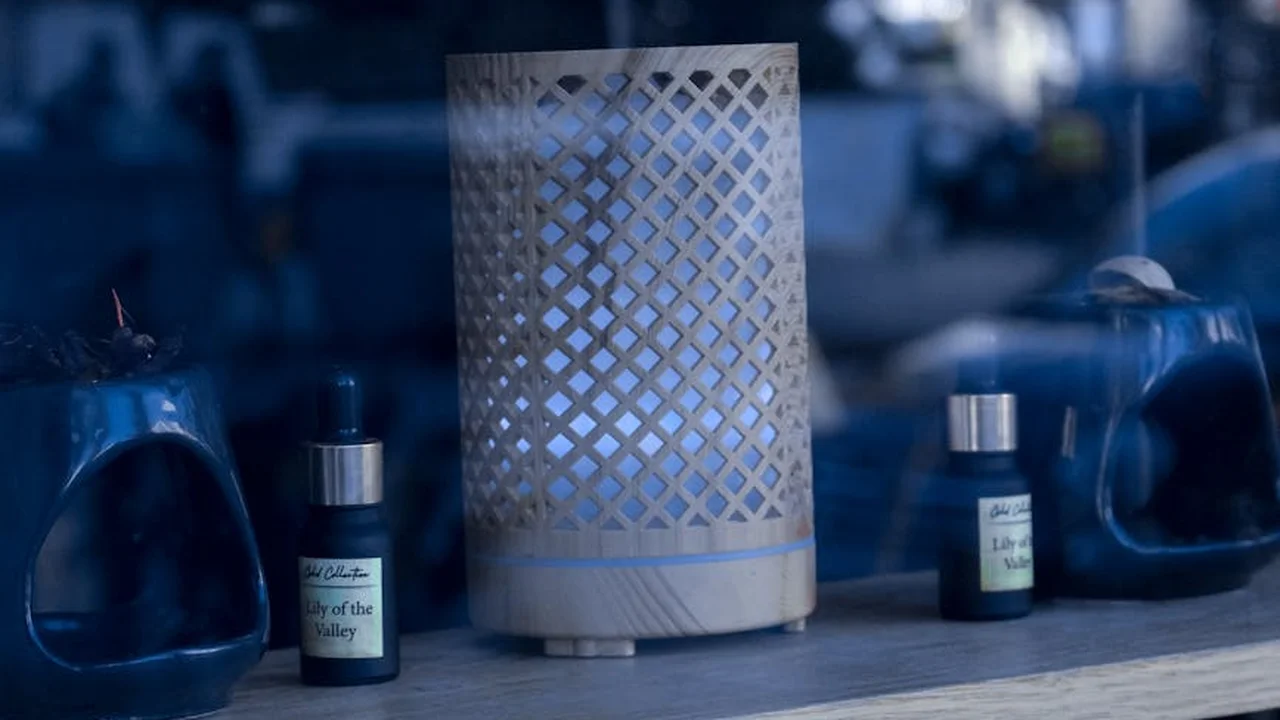
Many people think a diffuser is just a fancy air freshener. I thought that too, years ago. My first little ceramic diffuser was a gift, and I used it for scent alone. The real magic happens when you see it as a tool for your environment.
Its core advantages are creating atmosphere, supporting mood, gently adding moisture to dry air, and providing a clean, non-toxic fragrance. This combination directly touches every part of our niche: your wellness, your skin and hair care, and your home itself.
For Your Wellness: Air and Mind
The air in our homes can feel stagnant, especially in winter when windows stay shut. A diffuser doesn’t just mask odors. It introduces tiny particles of botanical compounds into your space.
This can transform a room’s feeling in minutes. On my own shelf, I keep a blue glass bottle of eucalyptus radiata oil for stuffy days. A few drops in the diffuser makes the whole room feel clearer and easier to breathe in.
For mood, the connection is direct. Your sense of smell links straight to the brain’s limbic system, which handles emotion and memory. Choosing a scent is a simple way to cue your mind for the task at hand. I diffuse bright lemon or sweet orange when I need to focus. For evening, I switch to lavender or cedarwood to signal it’s time to slow down.
It’s a gentle, personal way to shape your daily rhythm.
For Your Skin and Hair: A Humidity Helper
This benefit is often overlooked. Ultrasonic diffusers work by vibrating water into a fine mist. That mist adds moisture to your indoor air.
If you live with dry heat or air conditioning, your skin and hair feel it first. They can get tight, itchy, or frizzy. Running a simple water-only diffuser session is like giving your living room a mini facial. It puts a little hydration back into the air your skin is breathing all day.
When you add oils, you get their supportive properties in that moist air. Think of it as a ambient treatment. My favorite blend for this is a single drop of sandalwood and two drops of geranium in the water. The air feels soft, and the scent is subtly skin-loving.
For hair, a more humid environment can help prevent static and dryness. Just keep the diffuser mist from pointing directly at styled hair to avoid frizz.
For Your Home: A Clean, Botanical Freshener
Commercial room sprays and plug-ins work by coating surfaces with synthetic fragrance. A diffuser offers a completely different approach. It disperses pure essential oils that evaporate naturally and leave no sticky residue. Choosing the right diffuser for your home can enhance the overall aromatherapy experience.
This is my go-to method for dealing with cooking smells or just refreshing a room. It’s a non-toxic way to make your home smell like a forest, a citrus grove, or a herb garden without any chemicals.
Some oils are also renowned for their cleansing properties. After cleaning my kitchen, I often diffuse a blend of tea tree and lemon. It smells profoundly clean and fresh. If you have pets, always check that the oils you choose are safe for them, and ensure the diffuser is in a well-ventilated space they can leave.
A diffuser on an entryway table becomes a welcoming ritual. It quietly cares for your space, and everyone in it.
Your Room-by-Room Guide to Diffuser Uses
Think of your home as a collection of moods, each space asking for a different aromatic touch. I move my diffuser around all the time, matching the scent to the moment.
Here is my practical, room-by-room guide to making the most of it.
Bedroom Blends for Restful Sleep
Your bedroom should be a sanctuary for rest. The goal is to signal to your body and mind that it is time to unwind.
I avoid anything too bright or citrusy here.
My favorite sleepy-time blend is a simple duo of Lavender and Cedarwood. Add 3 drops of Lavender and 2 drops of Cedarwood to your diffuser. Lavender’s soft floral note is a classic for calming nerves, while Cedarwood’s earthy, woody base note feels like a warm, grounding hug.
For a deeper, more resinous calm, try Frankincense and Sweet Orange. Use 2 drops of each. Frankincense has a meditative, balsamic scent that slows breathing, and a tiny bit of Sweet Orange adds a comforting sweetness without being energizing.
Many people ask about using a diffuser overnight. I use one with a timer function set for 60 or 90 minutes. This fills the room with scent as you fall asleep but doesn’t run all night, which is safer and conserves your oils.
Home Office Scents for Focus
When you need to concentrate, the right scent can help clear mental fog. You want oils that are clarifying and mentally stimulating, not relaxing.
For laser-sharp focus, I reach for Rosemary and Lemon. Try 3 drops of Rosemary and 2 drops of Lemon. Rosemary is famously linked to memory and alertness-its crisp, herbaceous scent feels like a brain boost. Lemon is clean and uplifting, cutting through fatigue.
If you feel scattered, a blend of Peppermint and Grapefruit can help. Use 2 drops of each. Peppermint is invigorating and cooling, promoting a sense of clarity, while Grapefruit is a bright, cheerful motivator.
Is it safe to have an essential oil diffuser near a computer? Generally, yes. Just keep it at least a foot away from any vents or intakes. The fine mist is mostly water and a tiny amount of oil, but it is best to avoid any direct moisture on your electronics.
Living Room Ambiance for Comfort
The living room is for gathering, relaxing, and feeling truly at home. The scents here should be warm, welcoming, and comforting.
A cozy, all-day blend I love is Bergamot and Vanilla (from a vanilla CO2 extract, if you can find it). Use 3 drops of Bergamot and 1 drop of Vanilla. Bergamot has a citrusy-floral scent that is less sharp than lemon, famous for its mood-balancing properties. Paired with the creamy, familiar scent of vanilla, it creates an atmosphere of pure contentment.
For a fresh, clean feel when company visits, combine Siberian Fir and Sweet Orange. Try 3 drops of Fir and 2 of Orange. It smells like a sun-dappled forest-fresh, airy, and universally pleasant.
Bathroom Fresheners for a Spa Feel
Transform your bathroom from purely functional into a personal spa. The goal is to create a sense of cleanliness and rejuvenation.
For a truly luxurious spa steam, Eucalyptus and Tea Tree are my go-to. Add 2 drops of each to your diffuser as you draw a bath or start a shower. The crisp, camphorous scent of Eucalyptus opens up breathing, while Tea Tree adds a clean, medicinal note that simply feels purifying.
For a sweeter, floral freshness, try Geranium and Lime. Use 3 drops of Geranium and 2 of Lime. Geranium’s rosy, slightly green scent is both uplifting and balancing, while Lime gives an instant burst of clean, zesty energy. It chases away odors beautifully.
The Safe Start: Your Essential Oil Diffuser Checklist
Think of your first time using a diffuser like meeting a new plant friend. You want to start things off right. This simple checklist walks you from unboxing to that first calming mist.
It builds good habits from day one.
Step 1: Choose Your Spot and Fill It Up
Find a stable, level surface away from direct sun and electronics. My favorite spot is on a side table, at least two feet from my bed or couch.
Open the water tank and fill it with cool, clean water. I keep a dedicated measuring cup by my sink for this. Always check your diffuser’s “max fill” line and do not go over it. This line is there to prevent messy overflows.
Can you use an essential oil diffuser with water only? Absolutely. Running just water creates a gentle humidifier, which is wonderful in dry winter months for maintaining humidity levels. It’s a perfect way to test your diffuser’s mist without any scent. However, you might want to explore adding essential oils for additional benefits.
Step 2: The Golden Rule of Oil Drops
Now, for the magic part. Look at your diffuser’s water reservoir capacity. For a standard 100-200 ml diffuser, start with 3-6 drops of essential oil total. If you want to get more specific, check out the correct essential oil to water ratios and dosage amounts for diffusers.
Less is often more, especially with potent oils like peppermint or eucalyptus. Essential oils are powerful plant concentrates, and the water in your diffuser is what safely dilutes them for the air. You never add carrier oils like jojoba or almond oil to the water tank, as they are too thick and will gunk up the machine. Proper dilution in diffusers is key to enjoying the benefits without any issues.
My personal rule? I start with three drops. I can always add one more next time if I want a stronger scent. This small bottle of lavender on my shelf has lasted me over a year because a little goes such a long way.
Step 3: Settings, Timers, and Lights
Close the lid securely. Plug it in. Most diffusers have a few basic settings.
An intermittent mist setting (like 30 seconds on, 30 seconds off) helps the oils last longer. A continuous mist fills a room quickly. I use the timer function for shorter sessions, especially with stimulating oils, so the aroma doesn’t become overwhelming. These principles also tie into how I make fragrance perfume oils last longer on skin and clothes. In the next steps, I’ll share simple layering and application tips that extend wear without overpowering the room.
Many models have LED lights. These can be soothing or turned off completely for a pure, dark mist. Play with these features to see what feels right for your space and your mood.
Step 4: Safety First Every Time
Safety is how we enjoy these beautiful oils for years to come. Please follow these simple rules every single time you diffuse.
- Keep your diffuser out of reach of curious children and pets. A high shelf or a secured cabinet top works well.
- Never apply undiluted oils from the diffuser tank directly to your skin. The dilution is for the air, not for topical use.
- Know that some oils are not safe for pets. I do not diffuse tea tree, citrus, or pine oils around my cat. When in doubt, diffuse in a room they cannot access, with good airflow.
- Clean your diffuser between uses. Empty any leftover water, wipe the tank with a soft cloth, and let it air dry. Every few weeks, a quick clean with white vinegar keeps it running quietly.
By choosing a good spot, respecting the power of a few drops, and making safety a habit, you create a foundation for countless moments of wellness. Your diffuser is ready to become a trusted part of your home.
What Helped Me: Notes from a Home Herbalist’s Shelf
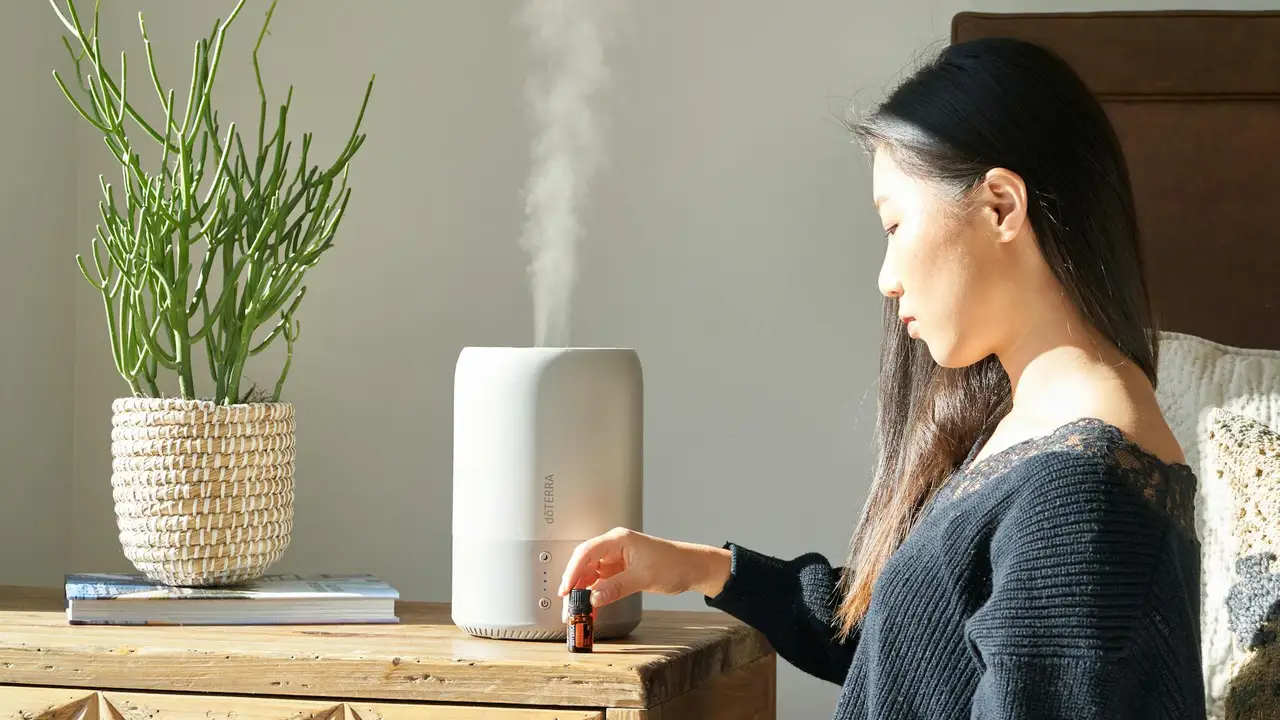
My first diffuser was a simple, silent-mist model I bought on a whim. I filled it with what I thought was a “refreshing” amount of eucalyptus oil and turned it on in my small bedroom. Within an hour, the scent was so overpowering it felt sharp, not soothing. That experience taught me that with diffusion, less is almost always more, a lesson that saved my nose and deepened my respect for these potent botanicals.
Now, my number one tip is to use a diffuser with a timer. I also like exploring other essential oil diffuser options, including reed diffusers and diffuser sticks. Tea tree oil is another option I sometimes try, as part of several alternative methods. My evening ritual involves adding three drops of lavender and one drop of cedarwood to the water, setting the timer for sixty minutes, and letting the gentle hum lull me to sleep without running the reservoir dry overnight. For Monday mornings, I reach for a blend I keep in a little blue bottle: two parts sweet orange for optimism and one part peppermint for a clear-headed start.
I also have a soft spot for an essential oil diffuser with light features. The one on my desk has a gentle, amber glow setting. On dark winter afternoons, I diffuse a citrus oil like grapefruit, which is one of the best and safest essential oils for aromatherapy. That soft light combined with the bright scent makes my workspace feel warmer and more inviting. It’s a small thing, but it shifts the mood of the whole room.
Keeping It Pure: Diffuser Care and Safety Snapshot
Think of your diffuser like a trusted kitchen tool. A clean, well-maintained machine works better, lasts longer, and most importantly, keeps your aromatic space safe. Good care is the foundation of good practice. Regular maintenance helps you get the most out of your investment.
Your Quick Diffuser Comparison Table
Picking a diffuser can feel overwhelming. This snapshot lays out the basics to help you choose.
| Type | How It Works | Key Care Need | Best For |
| Ultrasonic | Vibrates water & oil into a fine cool mist. | Regular cleaning to prevent mold or mildew in the water tank. | Quiet, ambient diffusion; adding light humidity to a room. |
| Nebulizing | Breaks oil into tiny particles without water or heat. | Occasional wipe-down of glass parts; uses oil quickly. | Potent, full-strength aroma therapy in a short time. |
| Evaporative (Reed, Fan) | Uses airflow to evaporate oil from a pad or sticks. | Replacing reeds or pads every few months. | Simple, continuous background scent with no electricity. |
| Heat (Candle, Electric) | Uses gentle warmth to release aroma. | Wiping the warming dish after each use. | A cozy, gentle scent release; less impact on air moisture. |
I keep an ultrasonic on my nightstand for gentle nighttime use and a nebulizer in my workspace for a quick, clarifying boost when I need to focus.
Simple Cleaning for a Fresh Machine
Oils can leave a sticky film, and standing water invites microbes. A quick weekly clean prevents both.
For ultrasonic and other water-based diffusers, a simple vinegar rinse keeps them fresh and functioning perfectly.
- Unplug the device and pour out any leftover water.
- Fill the tank halfway with clean water. Add a tablespoon of white vinegar.
- Let it sit for 5-10 minutes, then use a soft cloth or cotton swab to wipe the interior.
- Rinse thoroughly with clean water and let it air-dry completely before next use.
If you see any cloudy residue, a little rubbing alcohol on a cotton ball will dissolve it. I do this monthly for my most-used units.
Common Sense Safety for Homes with Pets and Kids
Diffusers make the air active with botanical compounds. That requires mindfulness around small children and animals.
Always place your diffuser in a stable spot where it won’t be knocked over, out of direct reach of little hands and paws.
- Diffuse in well-ventilated spaces. I run mine for 30-60 minutes, then take a break. This is especially key in small rooms.
- Research oils before use. Some oils, like tea tree, eucalyptus, and peppermint, can be too strong for cats, dogs, and young children.
- Never leave a diffuser running unattended for extended periods, like all night or while away from home. It’s a small appliance, and it’s best to be present while it operates.
And what about a humidifier? A humidifier’s main job is to add water vapor to dry air, while a diffuser’s primary purpose is to disperse essential oil aroma. While ultrasonic diffusers add some moisture, they aren’t designed to humidify a whole house like a dedicated humidifier would.
Troubleshooting: When Your Diffuser Acts Up
Even the best diffuser can have an off day. Here’s how to handle common issues.
No mist or weak mist? First, check that you didn’t overfill it. The water line should be at or below the max line. Then, give the ultrasonic disc a gentle wipe with vinegar on a cotton swab to remove any mineral buildup from hard water.
Cloudy water or a funny smell? This is a sure sign it’s cleaning time. Follow the vinegar cleaning steps above. If a smell persists, wipe the tank with rubbing alcohol and air it out completely.
Oil pooling on the surface? This often happens with thicker oils like vetiver or sandalwood. Try mixing a single drop with a lighter oil, like bergamot or sweet orange, in your palm before adding it to the water. This helps it disperse.
Remember, patience is part of the practice. A moment of care keeps your aromatic haven pure and effective for years.
Your Questions, Gently Answered
Can my essential oil diffuser be used as a humidifier?
An ultrasonic diffuser adds light moisture to your air as a bonus, but it’s not a substitute for a dedicated humidifier in very dry spaces. For a gentle ambient boost in a small room, it’s wonderful; for addressing significant dryness, a proper humidifier is the tool for the job.
Is it safe to place a diffuser near my computer?
Yes, but keep it at least a foot away from any vents or intakes. The fine, cool mist is primarily water, but it’s best practice to prevent any direct moisture from settling on your electronics.
What should I look for in a quality diffuser from places like Amazon?
Prioritize features that match your needs, like a timer for controlled use and an automatic shut-off for safety. Read reviews with a focus on reliability and ease of cleaning, as a well-made machine ensures a pure botanical experience for years.
What’s the advantage of a diffuser with a timer function?
A timer allows you to enjoy the benefits without over-saturating your space, which is safer and conserves your oils. It’s my top-recommended feature, perfect for setting a relaxing ambiance for sleep or a focused session while you work.
Your Aromatherapy Journey, Simplified
From my experience, the cornerstone of diffusion is pairing a few drops of a pure, skin-safe oil with a diffuser suited to your room. This mindful pairing quietly uplifts your hair, skin, and home atmosphere every day.
I share trusted recipes for body and hair care right here on Botanical Oils. Your own hands-on experiments, guided by what feels nourishing, will build your most personal wellness rituals.
Citations and Authoritative Sources
- Pros and Cons of Diffusers and Essential Oils | Air Filter Subscription Service FilterTime™
- 11 Essential Oils: Their Benefits and How To Use Them
- r/antiMLM on Reddit: What are the benefits of an essential oils diffuser?
- 16 Essential Oil Diffuser Benefits – Homesick.com
- 7 Diffuser Benefits To Help Boost Your Wellbeing… And Scent Your Spa
- Essential Oil Diffuser: Health & Wellbeing Benefits | Nikura
Noemi Kamińska
Noemi is an accomplished wellness researcher, nutrition care guide and body care expert. She has years of experience in formulating various oil combinations for full body wellness including face, hair, body care, essential oils and cooking oils. She works as a bio-formulator working with oil chemistry and analyzing the best formulations when it comes to your needs. Feel free to reach out to get your oil needs sorted.