What is Batana Oil? Exploring Its Origin, Benefits, and How to Spot the Real Thing
If you’re curious about batana oil but confused by online claims, take a deep breath. I’ve kept this rich, nutty oil on my shelf for years, and I can help you understand it simply.
Here, I’ll cut through the noise and show you how to make batana oil work for you.
- The traditional origin story of this palm fruit oil
- The specific benefits I’ve seen for hair and skin
- How to identify pure, authentic batana oil with your own senses
What Exactly is Batana Oil? A First Glance
At its simplest, batana oil is a rich, nourishing fat pressed from the nut of the American oil palm, Elaeis oleifera.
Open a bottle and you will find a deep, warm amber liquid. Its texture is thick and buttery, almost like a solid balm that melts on skin contact.
Now, that scent. I keep a small bottle on my oil shelf, and people often ask if it smells like coffee. It does have a roasted, earthy depth, but I find it more nutty and woody, like toasted hazelnuts and damp forest soil.
This oil works primarily as a luxurious, occlusive sealant, meaning it locks moisture into hair and skin incredibly well.
The Batana Story: Roots, Harvest, and Craft
True batana oil has a specific home: the Miskito Coast of Honduras and Nicaragua.
For generations, Indigenous and Afro-descendant communities there have used it as a core part of their hair and skin rituals, valuing its deep conditioning and protective properties.
The traditional making of batana oil is a slow, hands-on craft. It starts with harvesting the palm nuts, which are then sun-dried for weeks. The dried nuts are lightly roasted over a fire, which deepens the oil’s color and that distinctive aroma.
The most crucial step is the final press. This is not done with huge industrial machines. The roasted nuts are hand-pressed, often using a simple screw press, to release their precious oil. This small-batch method is what defines an authentic product.
This labor-intensive, traditional process is precisely why genuine batana oil carries a higher price tag than mass-produced oils; you are paying for heritage, care, and a remarkably pure result. You can learn how to spot fake or adulterated carrier oils to ensure you’re always getting the real deal.
How Batana Oil Works and Its Celebrated Benefits
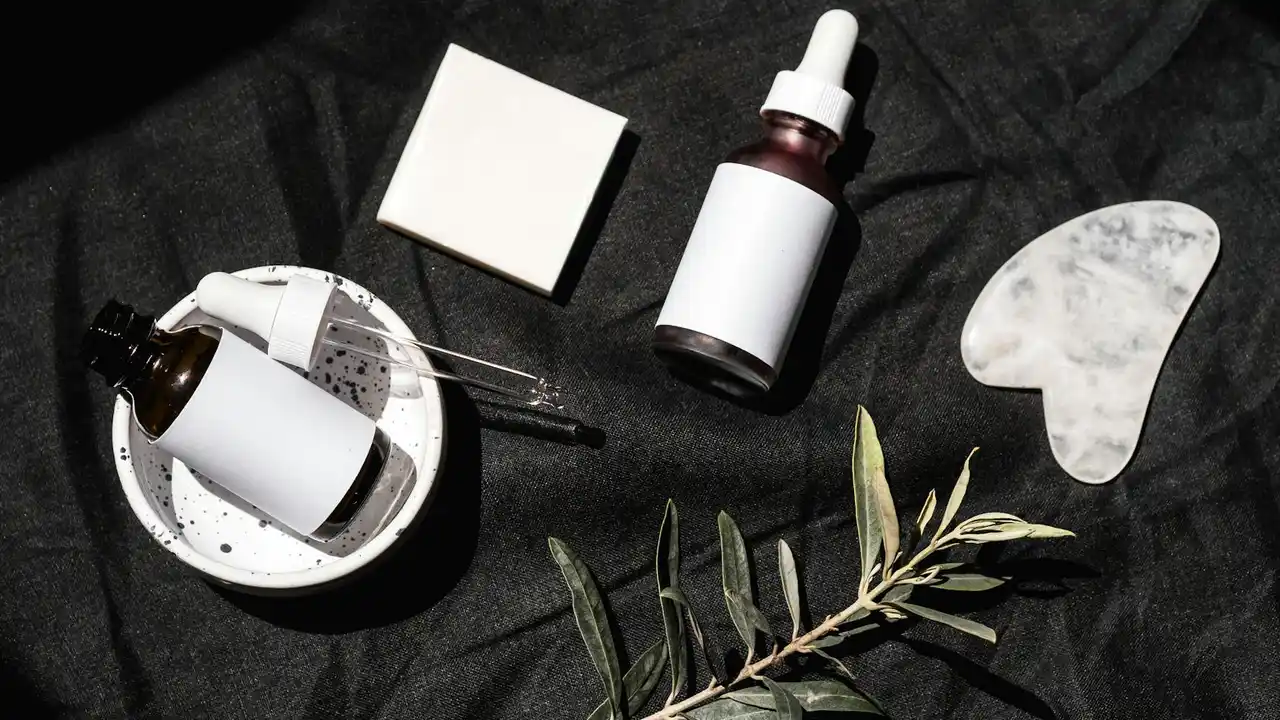
At its heart, batana oil works by both shielding and softening. Its rich, fatty composition gives it an occlusive nature, meaning it creates a gentle, protective layer over your hair or skin. However, when buying batana oil, ensure it is sourced from trusted retailers to guarantee its authenticity and benefits.
Think of it like a cozy cloak that locks in your skin’s own moisture. This occlusive action is paired with powerful emollient properties that smooth and soften the surface, easing roughness and sealing in hydration.
For Your Hair: Strength and Shine
In my own routine, a tiny amount of batana oil is a game-changer for dry, brittle ends. It delivers intense, lasting hydration straight to the hair shaft.
You’ll notice a visible difference. Frizz settles down. Hair gains a soft, healthy-looking shine instead of a greasy film.
By deeply conditioning and improving hair’s elasticity, it directly helps reduce breakage and split ends, making your hair feel stronger and more resilient. I use it as a pre-wash treatment or a tiny dab to smooth flyaways.
For Your Skin: Comfort and Resilience
On skin, batana oil is a profound soother. It’s wonderful on dry elbows, knees, and even rough patches on feet.
It doesn’t just sit on top. It absorbs to comfort parched skin and can help improve its natural elasticity over time.
By supporting your skin’s own barrier function, it helps your body better defend against daily dryness and irritation. My favorite use is mixing a few drops into my evening body lotion for extra overnight repair.
A Note on DHT, Scalp, and Research
Many people online ask if batana oil blocks DHT, a hormone linked to some hair thinning.
There is a long-held belief in its traditional use for promoting scalp health and hair density. While this traditional use is well-documented, more specific clinical research on its direct action as a DHT blocker is needed.
What we know for sure is that a nourished, soothed scalp is the foundation for healthy hair. Batana oil’s rich vitamins and fatty acids can relieve a dry, itchy scalp, creating a better environment for your hair to thrive. Understanding the science of sebum and natural oils explains how balance affects scalp production. When oils stay in balance, the scalp supports healthier hair.
Your Authenticity Guide: How to Spot Real Batana Oil
With its growing fame, knowing how to tell real batana oil from a fake is key. The real thing has distinct, unmistakable traits.
The Scent and Texture Test
First, trust your senses. Authentic, pure batana oil has a deep, earthy, nutty aroma. It smells like roasted nuts and rich soil, not like perfume or flowers.
If it smells overly fragrant, sweet, or has no scent at all, that’s a major red flag. The texture is just as telling.
At a cool room temperature, genuine batana oil is thick and semi-solid, like soft butter or coconut oil. It should melt instantly upon contact with your warm skin, turning into a rich, non-greasy liquid.
A runny, thin oil at room temperature is likely diluted or not authentic.
Decoding the Label and Source
Always check the label carefully. True batana oil comes from the nuts of the American palm tree, harvested and prepared by the Miskito people, and is different from the conventional palm oil used for cooking and skincare.
The country of origin should be Honduras or Nicaragua; this is non-negotiable for authentic Miskito-processed oil. Look for the words “100% Pure” and “Cold-Pressed.”
When you see questions like “is azure batana oil real?” or “is botanix batana oil legit?”, the answer lies in applying these verification cues. A reputable brand will be transparent about its sourcing, extraction method, and purity on the label or its website. Also, look for clear oil with no cloudiness or mold indicators and a clean scent. These quick checks help spot high-quality botanical oils at a glance.
Price and Packaging Clues
Real batana oil requires an intensive, traditional, manual process. This labor of love comes at a cost.
If the price seems surprisingly low, it often indicates a diluted, blended, or synthetic product. Think of it as an investment in a potent, pure botanical.
Finally, look at the bottle. Pure batana oil is delicate and should be protected from light to preserve its nutrients.
Authentic oil will almost always be packaged in a dark glass bottle, typically amber or cobalt blue, never in a clear plastic container.
Bringing Batana Oil Home: Practical Tips for Use
For Your Hair Ritual
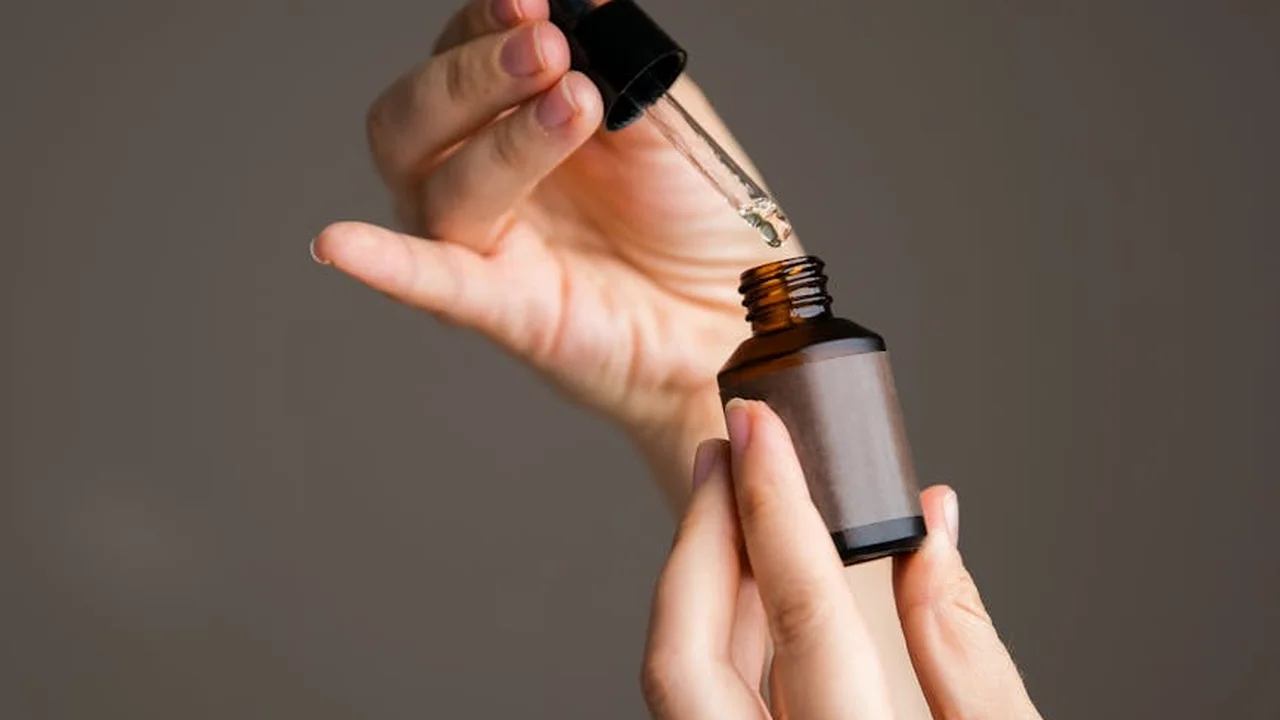
Batana oil is my go-to for a deeply nourishing pre-shampoo treatment. I warm a teaspoon in my palms and gently work it from my mid-lengths to ends, then massage a little more into my scalp. I leave it on for at least an hour, often wrapping my hair in a warm towel. For even more impact, I sometimes use it for overnight oil treatments.
For a sleek finish, use just one or two drops on damp or dry hair. Smooth it over your palms and lightly glaze the surface of your hair to tame frizz and add a soft sheen.
A little batana oil goes a very long way, so start with a tiny amount-you can always add more if you need it.
For Your Skin Care
After cleansing at night, I pat a few drops of batana oil onto my cheeks, elbows, or any persistently dry patches. Its rich texture creates a protective barrier that lets skin repair itself while you sleep.
It’s also wonderfully soothing on skin that feels tight or warm after sun exposure. The oil absorbs slowly, providing lasting comfort without a sticky finish.
Remember, batana is a superb carrier oil, so you can blend a few drops of your favorite essential oils, like lavender or frankincense, right into it for a custom treatment.
Batana and Its Botanical Cousins
You might wonder how it stacks up against other oils on your shelf. Here’s a quick look from my own experience.
Batana Oil vs. Coconut Oil: Coconut oil is lighter and can feel greasy or even solidify. Batana oil is denser and waxier, but it sinks in more completely on my skin and hair without that same oily residue.
Batana Oil vs. Argan Oil: Argan oil is lighter and has a subtle, nutty scent. Batana is thicker with its distinct smoky, earthy aroma. While argan absorbs quickly, batana takes its time, offering a more occlusive, long-lasting layer of moisture.
Finding a Quality Batana Oil
Your first clue is the label. Look specifically for “100% Pure Honduran Batana Oil” or “Ojon Oil.” This tells you it comes from the right tree in its native region.
I feel best buying from suppliers who go a step further. Seek out companies that highlight direct partnerships or support for the indigenous Miskito communities. This connection often means a more ethical and authentic product.
Before you buy, skim the customer reviews. Do people mention a deep, smoky, almost leather-like scent and a thick, waxy texture? Those are good signs you’re getting the real thing.
Trust is built on transparency; a reputable seller will proudly share the oil’s origin story and traditional extraction process.
Common Questions
Why is Honduras so important for authentic batana oil?
True batana oil is intrinsically linked to the Miskito Coast of Honduras (and Nicaragua), where generations of indigenous knowledge guide its traditional harvest and hand-press extraction. This specific origin guarantees the oil’s unique composition and the ethical preservation of its cultural craft.
How can I be 100% sure my batana oil is original?
Beyond scent and texture, verify the label for “100% Pure” and “Cold-Pressed” from the *American* oil palm (*Elaeis oleifera*). Most importantly, the seller should transparently credit the Miskito communities of Honduras as the source, not just list a generic country.
Are the benefits for hair growth proven?
While traditional use strongly supports scalp health and hair strength, direct clinical studies on batana oil as a DHT blocker are limited. Its proven power lies in intense hydration and barrier support, which creates an optimal environment for healthy, resilient hair to flourish. However, it’s essential to combine it with other oils that aid in scalp health, dandruff, and hair loss prevention for best results.
Why is authentic batana oil more expensive?
The price reflects a manual, small-batch process of sun-drying, roasting, and hand-pressing the nuts, not industrial extraction. You are investing in a potent, ethically made botanical, so a surprisingly low cost is a clear indicator of a diluted or synthetic product.
What’s the best way to source genuine batana oil?
Seek brands that build direct partnerships with Miskito cooperatives, ensuring authenticity and fair trade. Look for detailed origin stories on their website and dark glass bottle packaging, which are strong hallmarks of a supplier who values both purity and provenance.
Final Thoughts on Batana Oil
Remember, the true value of Batana Oil comes from its authenticity. Seek out oils with clear origin stories and the rich, nutty aroma I keep on my shelf for the best results in your hair and skin rituals. Just like with authentic Jamaican Black Castor Oil, the purity and origin make all the difference in performance.
I hope you’ll continue to join me here for more honest talk about botanical oils. Experiment gently, trust what you learn, and always listen to what your hair and skin tell you.
Relevant Resources for Further Exploration
- Batana Oil: Origin, Benefits, & Popularity – Shades of Afrika Online
- Batana Oil: Benefits, Side Effects, Skin Care, and More
- Batana Oil: Origins, Benefits, and How to Spot the Real Thing – Amare Naveh
- What Is Batana Oil Made Of? Benefits, Origin & Use – Keyoma
- What Is Batana Oil? Origins, Scent & Traditional Uses – Eco Natural Products
- What Is Batana Oil?
Noemi Kamińska
Noemi is an accomplished wellness researcher, nutrition care guide and body care expert. She has years of experience in formulating various oil combinations for full body wellness including face, hair, body care, essential oils and cooking oils. She works as a bio-formulator working with oil chemistry and analyzing the best formulations when it comes to your needs. Feel free to reach out to get your oil needs sorted.