
What Are the Best Fragrance Oil Measurements for Candle Making?
If your candles lack scent or smoke too much, the fragrance oil amount is likely the culprit. After years in my home workshop, I’ve found that a precise measurement is the key to a safe, beautifully aromatic candle.
I’ll show you my reliable system for calculating fragrance oil, taking the guesswork out of your next batch.
- The ideal fragrance load percentage for different waxes
- How to measure oil based on your wax weight
- Common mistakes that weaken scent or cause soot
- My personal ratios for a strong, clean burn
Key Takeaways Before You Start
I learned this the messy way: a stronger scent doesn’t come from dumping in more oil. When I first started, my “extra strong” candles tunneled badly and coated their jars in black soot. Too much fragrance oil can actually ruin your candle’s burn and throw less scent.
The one rule you must follow applies to every wax. Fragrance load is always calculated as a percentage of your total wax weight, not volume. This keeps everything consistent, batch after batch.
For most container waxes like soy or parasoy blends, a safe and effective range is between 6% and 10%. Think of this as your starting playground. I usually begin testing right at 8%-it’s a reliable sweet spot for many fragrance oils.
Please don’t treat them the same. If you’re curious about essential oils vs. fragrance oils, carrier oils, and top brands in aromatherapy, this distinction matters. The citrus oils from my diffuser shelf behave nothing like a crafted fragrance oil in hot wax. Essential oils are much more volatile and can flash off or cause severe burning issues; they require totally different, much lower usage rates. For candles, stick with oils specifically designed for wax.
Required Materials & Tools
Your most important tool isn’t a pouring pot. It’s a good digital scale. Measuring by volume with cups or spoons leads to failed candles. Weigh everything in grams for pinpoint accuracy, from your wax to your last drop of fragrance.
Gather your core supplies. You will need:
- Your chosen wax (soy, coconut blend, paraffin).
- Wicks, sized for your container and wax type.
- Heat-safe jars or tins.
- A double boiler or a dedicated pouring pitcher for a microwave.
- A thermometer to track your wax’s temperature.
Oils can linger and stain. I keep a small glass beaker and a stainless steel funnel dedicated only to measuring fragrance oils. It prevents any cross-contamination of scents and makes cleanup simple with some rubbing alcohol.
Wax gets incredibly hot. Protect your workspace and yourself. Clear a stable area, have oven mitts ready, and keep a box of baking soda nearby just in case. A calm, prepared maker is a safe maker.
Understanding the Core Candle Fragrance Ratio

Let’s start with the most important term: fragrance load. This is just a fancy way of saying how much oil you mix into your wax. Think of it like the strength of your tea. More tea leaves, stronger brew.
The exact ratio is based on weight, not volume. You always calculate your fragrance oil based on the total weight of the wax you are using. My kitchen scale is my most important candle tool.
Here is the simple formula. (Weight of Oil / Total Weight of Wax) x 100 = Your Fragrance Load Percentage.
So, how many ounces of fragrance oil for a candle? If you have 16 ounces of wax and use a 10% load, you need 1.6 ounces of oil. That’s 10% of 16.
Working in grams is actually easier for precision. For a candle fragrance ratio in grams, let’s say you have 500 grams of wax. A 10% load would be 50 grams of oil. I keep a little notebook by my worktable for these quick calculations.
Why Drops Are a Problem
I need to be very clear here. Please do not measure your oils by drops. Every oil and every dropper is different. One oil might be thin and watery, another thick and slow. Your “drop” is not my “drop.”
This answers the question of how many drops of fragrance oil for an 8 oz candle. I can’t tell you. Neither can anyone else reliably. For a consistent, safe burn and the same lovely scent every time, you must use weight. A small digital scale is a game-changer.
This is even more true for essential oils. People ask how many drops of essential oil in a candle, hoping for a natural scent. But most essential oils are not made for high heat. They fade quickly, giving you a weak scent throw for a very high price. The heat and oxidation can break down the delicate compounds in botanical oils, making them less effective for candle making.
Measurements for Different Types of Wax
Not all waxes are created equal. Their structure determines how much fragrance they can hold before the candle gets soft or the oil seeps out. It’s like how different fabrics absorb dye.
Paraffin wax is like a thirsty sponge. It can often hold a higher fragrance load, sometimes up to 10-12%. Soy wax is more delicate. Most soy waxes have a sweet spot between 6-10%. Coconut and beeswax blends fall somewhere in between. Always check your specific wax’s guidelines first.
The wax’s melting point is key. You must add the oil when the wax is hot enough to bind with it, but not so hot that the scent burns off. This is why temperature matters just as much as the measurement.
My tip for soy wax? It often prefers a gentler approach. I let my melted soy wax cool to about 130-135°F before stirring in the fragrance oil. This helps prevent frosting and gives a smoother finish.
Special Note: Using Essential Oils
If you’re wondering how much essential oil for candle making, first manage your expectations. You will likely use double the cost for half the scent throw compared to a fragrance oil designed for candles. For a safer, all-natural option, lamp lantern oils are often cited as among the best natural oils for DIY recipes. Next steps will include implicit links to these oils for safe, DIY use.
If you do proceed, use a much lower percentage for safety and scent integrity. I rarely exceed a 3-5% load with essential oils. At higher heats, they can smell burnt or simply vanish. If you’re selecting oils for a diffuser, you’ll want to know which are the best and safest oils to use with aromatherapy diffusers.
Citronella is the perfect example for a functional, outdoor candle. For how much citronella oil to add to candles, I use a 5% load. For 200 grams of wax, that’s 10 grams of citronella oil. It makes a lovely patio candle that helps shoo away bugs, but don’t expect a powerful living room scent. If you’re looking to buy pure citronella oil, online stores with clear labeling are a practical option. They let you compare purity and price before you buy.
Adjusting Measurements for Candle Size and Shape
That standard 6-10% ratio is your starting point, but your specific candle decides the final number. Think of it like seasoning soup: a big pot needs more than a small bowl to taste just right.
Measurements by Container
Here’s a simple breakdown for common candle sizes. I keep a printed chart like this near my wax melter.
| Candle Wax Weight | Fragrance Oil at 8% Load | Fragrance Oil at 10% Load |
|---|---|---|
| 4 oz | 0.32 oz | 0.4 oz |
| 8 oz | 0.64 oz | 0.8 oz |
| 16 oz | 1.28 oz | 1.6 oz |
For a 4 oz candle, you’re adding roughly a teaspoon of oil, while an 8 oz candle needs about two teaspoons. I weigh everything in grams for accuracy, but visualizing those small amounts helps.
Why Shape Matters
Container shape changes everything. A wide, shallow jar creates a big melt pool that releases scent quickly. A narrow pillar candle has a smaller, more controlled melt area.
You might need a fragrance load on the higher end of the scale for a wide jar to get a strong hot throw. For that tall pillar, a load towards 6% can be perfect to avoid overwhelming a room.
The wax needs to heat enough fragrance oil to fill the air, so more surface area usually means you can use a bit more oil effectively.
A Note on Tarts and Tealights
These little powerhouses are different. Since they’re meant to melt completely in a warmer, they often perform well with a higher fragrance load, sometimes up to 12%.
They have no wick to clog, so you have more flexibility. I use my stronger, spicier oils here, like a crackling cinnamon clove, because they can handle the intensity.
Safety First: Avoiding Common Mistakes
More oil does not always mean a better candle. Pouring too much is the fastest way to create a problem. Your nose might love it, but the candle’s physics will not.
The Risks of Over-Pouring
Exceeding your wax’s recommended fragrance load leads to real issues. I’ve tested these limits so you don’t have to.
- Oily Pools & Weak Flames: The oil can seep out, creating a flammable pool on top that drowns the wick.
- Excessive Soot: The wick struggles to burn the excess fuel, causing black smoke and soot on your container.
- Total Failure: In the worst case, the wick is extinguished, or the oily pool itself can ignite.
If your finished candle looks wet or feels oily to the touch, the fragrance load is almost certainly too high. It should look and feel like smooth, solid wax.
The Golden Rule: Test First
Never make a large batch with a new oil or wax blend. I have a shelf dedicated to single 4-oz test candles.
Burn it all the way through. Does the scent carry? Does the flame dance nicely? Is the melt pool even? This small step saves you money, materials, and frustration from a failed big batch.
Mixing for a Smooth Finish
Temperature is your secret tool for a perfect pour. For most soy and paraffin blends, you’ll add fragrance oil when the melted wax cools to about 185°F (85°C).
Stir slowly and steadily for a full two minutes. This binds the oil and wax completely. Pouring too hot can cause sinkholes; pouring too cool can lead to “frosting” (those whitish crystalline spots on soy) or poor scent throw.
Patient, thorough stirring at the right temperature is what gives you a smooth burn and a consistent scent from first light to last.
Your Final Check
Before you measure a single drop, read the guidelines from your wax and fragrance oil suppliers. They know their products best.
One of my favorite coconut waxes holds 10% beautifully, while a softer soy blend I use maxes out at 8%. Treat the manufacturer’s advice as your most trustworthy recipe note. It’s the foundation your fragrant creation is built on.
Three Reliable Starter Recipes to Try
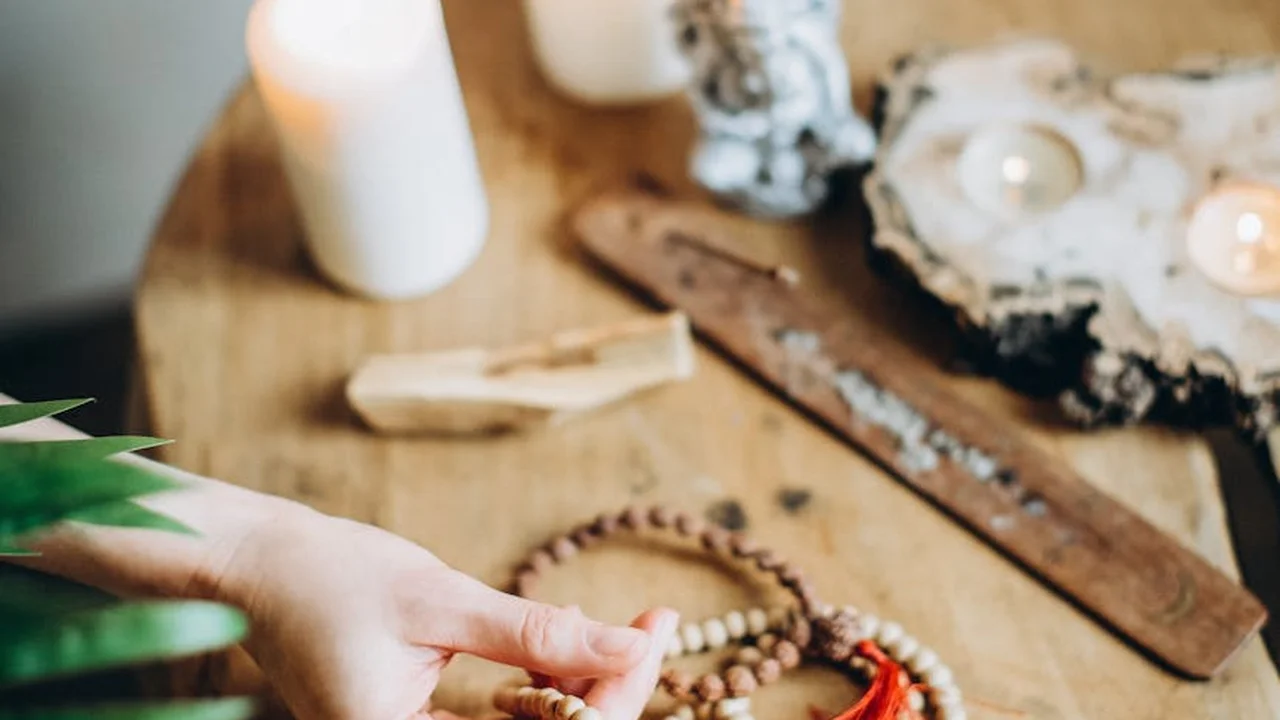
Let’s put theory into practice with some formulas from my own apothec shelf. These recipes are designed for success, focusing on wax and oil weights for precision.
A Cozy 8 oz Soy Jar Candle
This is a perfect first project. Soy wax is forgiving and holds scent beautifully. I love this combination for a relaxing evening.
- Wax: 225 grams of natural soy container wax (like Golden Brands 464)
- Fragrance: 18 grams of a phthalate-free ‘Cashmere & Sandalwood’ or ‘Vanilla Bourbon’ fragrance oil
- Pour Temp: 135°F (57°C)
Melt your wax completely, let it cool, then stir in the fragrance oil slowly to avoid air bubbles. Pouring at this warmer temperature helps prevent frosting on the jar’s sides.
Travel Tin Set with Coconut Blend
Coconut-apricot wax blends are a joy. They give a smooth, creamy top and an incredible scent throw. These little tins make wonderful gifts.
- Wax: 400 grams of coconut-apricot wax blend (makes four 4 oz tins)
- Fragrance: 32 grams of a crisp, phthalate-free ‘Linen & Lily’ or ‘Sea Salt’ fragrance oil
- Pour Temp: 165°F (74°C)
This wax needs a hotter pour to set correctly. The result is a pristine, porcelain-like finish. Let these candles cure for a full week for the strongest, cleanest burn.
Citronella & Lemongrass Patio Torch Fuel
For a functional outdoor candle, we blend essential oils. This mix is more about bug-repelling power than a subtle scent.
- Base Fuel: 500 grams of odorless lamp oil or parasoy torch fuel
- Essential Oils: 25 grams Citronella Java and 10 grams Lemongrass essential oils
- Mix Temp: Blend oils into room-temperature fuel only.
Never heat this mixture. Combine the oils directly into the cool fuel base and stir gently. Cedarwood essential oil is another heat-stable option you can add for a deeper, woodsy note. Always use torches outdoors and away from foliage.
Recommended Products for Candle Makers
Good materials make the process smoother and your results more professional. Here’s what I trust on my own crafting bench.
Waxes I Keep in Stock
Different waxes have different personalities. It’s worth trying a few.
- Natural Soy Blends: A staple for container candles. They burn clean and are easy to source. Look for one specifically labelled for containers.
- Coconut-Apricot Waxes: My favorite for a luxury feel. They have excellent scent retention and a beautiful smooth texture.
- Parasoy Blends: A mix of paraffin and soy. These are fantastic for beginners because they are less prone to imperfections like wet spots and often give a stronger hot throw.
Choosing Your Scents
This is the fun part. Your source matters for both quality and safety.
Always buy fragrance oils from reputable candle-making suppliers. I look for those that clearly state their oils are phthalate-free and designed for candle use. This ensures they are tested for stability and flash point, unlike some other types of oils used in diffusers and body care.
If you want to use pure essential oils, start with sturdy, heat-resistant ones. Cedarwood atlas and patchouli are two of the most forgiving essential oils for candles. Their deep, grounding notes hold up well to the heat of a flame, unlike more delicate citrus oils which can evaporate quickly.
My Can’t-Do-Without Tools
A few key items will save you time and frustration.
- Metal Pour Pot: A dedicated pot for wax. A spout makes pouring into jars or tins much neater.
- Infrared Thermometer: Takes the guesswork out of hitting the perfect pour temperature. Just point and click.
- Wick Centering Device: These simple clips or crossbars hold your wick perfectly in place while the wax sets. No more crooked candles.
Your Candle Ratio Questions, Answered
Does the fragrance ratio change if I’m measuring in grams or ounces?
No, the percentage ratio remains exactly the same. The formula is universal, but I strongly recommend using grams for their superior precision, as small measurement errors in ounces can more easily impact your candle’s performance.
How do I adjust the ratio for different wax types, like paraffin versus soy?
You adjust by staying within each wax’s optimal fragrance load range. Think of paraffin as having a higher “capacity” (often 10-12%) and soy as more delicate (typically 6-10%); always start at the lower end of your specific wax’s recommendation for a safe, clean burn.
What’s the one formula I need to remember?
The core formula is: (Fragrance Oil Weight / Wax Weight) x 100 = Fragrance Load %. For a quick mental calculation, remember that a 10% load simply means using 10 grams of oil for every 100 grams of wax you have.
Is there a best practice for measuring in grams specifically?
Absolutely. Tare your digital scale with your empty mixing container on it, then weigh your wax. Calculate your oil weight based on your chosen percentage, and then tare the scale again before weighing the fragrance oil directly into the same container for flawless accuracy.
I’m in South Africa; should I use a different ratio?
Your location doesn’t change the science of wax and oil binding. Use the same weight-based percentage principles, but be extra mindful of your specific wax’s maximum load in your climate, as heat can affect how a candle with a high fragrance load behaves.
Nurturing Your Scented Sanctuary
Above all, measure your fragrance oils by weight for candles that burn cleanly and smell true. This careful approach honors the integrity of the botanical oils, turning your home into a haven of well-being.
I share more hands-on tips for oils in body, skin, hair, and home care right here on the blog. Next, I’ll spotlight specific oils that shine for oil cleansing on the skin and for hair care. You’ll find easy, step-by-step guidance to tailor your routine with confidence. Trust this guidance and your own growing confidence as you craft-your personal touch is what makes each creation sing.
Expert Resources and Citations
- Fragrance Oil Use Calculator | The Flaming Candle
- How do I weigh fragrance oil? – CandleScience Support
- Fragrance Oil Calculator: Perfect Candle Scents Made Easy – VedaOils
- Fragrance Oil Calculations Made Super Easy (Math Included)
- How much fragrance should I add to my candles? – Candle Shack
Noemi Kamińska
Noemi is an accomplished wellness researcher, nutrition care guide and body care expert. She has years of experience in formulating various oil combinations for full body wellness including face, hair, body care, essential oils and cooking oils. She works as a bio-formulator working with oil chemistry and analyzing the best formulations when it comes to your needs. Feel free to reach out to get your oil needs sorted.