
Are Shea Butter and Cocoa Butter Comedogenic? Your Guide to Pore-Friendly Skin
If you love rich, creamy butters but fear they’ll clog your pores, I hear you. After countless batches in my own apothecary, I can tell you that the answer isn’t a simple yes or no-it’s about knowing your skin and the butter in your hand.
This article will help you choose the right butter by comparing their comedogenic potential based on texture, composition, and real-use experience.
- What “comedogenic” actually means for your daily skincare
- How shea butter’s fatty acids interact with different skin types
- Why cocoa butter’s thickness doesn’t automatically mean it will clog pores
- A direct comparison to see which butter might be better for your concerns
- My personal methods for using each one safely, straight from my shelf
Key Takeaways: What You Need to Know First
- Shea butter is generally rated low on the comedogenic scale (often a 0-2), making it a safer bet for many skin types.
- Cocoa butter typically scores higher (around a 4), meaning it has a greater potential to clog pores for some people.
- Your unique skin type is the biggest deciding factor, and patch testing is your most reliable tool.
- Unrefined, raw versions of these butters retain more beneficial compounds and behave differently than the refined versions in many store-bought products.
Neither butter is universally “bad,” and with the right approach, you can enjoy their benefits without worry.
Shea and Cocoa Butter Unwrapped: Nature’s Luxe Moisturizers
Shea butter, sourced from the nuts of the African shea tree, Butyrospermum parkii, is a natural moisturizer used for centuries. When raw and unrefined, it has a soft, creamy texture and a distinct nutty, almost smoky scent. The journey of shea butter from African villages to global beauty shelves tells a story of tradition, community, and sustainability.
Cocoa butter is pressed from cacao seeds. It is famously firm at room temperature and smells deeply of dark chocolate.
Both are called “butters” because of their rich, solid consistency. In skincare, they act as superb occlusives. An occlusive works like a protective seal, sitting on top of your skin to lock in the moisture that’s already there.
If you’ve ever squinted at an ingredient list and wondered “is butyrospermum parkii butter comedogenic,” you’re looking at the scientific name for shea butter. It’s the same wonderful ingredient.
Meet Shea Butter: Your Skin’s Comfort Food
I keep a small jar of raw shea butter on my shelf for days when my skin feels irritable or parched. It’s packed with skin-loving fatty acids like oleic and stearic acid, along with vitamins A and E.
These compounds work together to soothe redness, soften rough patches, and support your skin’s natural barrier. The difference between raw and refined shea is night and day.
Raw, unrefined shea is beige or ivory, has that characteristic nutty aroma, and contains all its natural vitamins. Refined shea is processed to be pure white and odorless, which also strips away some of those nourishing extras.
So, is African shea butter non-comedogenic? Often, yes. Its unique fatty acid profile is less likely to congest pores, especially in its pure, high-quality form. Unlike other comedogenic oils and soaps, shea butter is generally gentle.
Meet Cocoa Butter: The Rich Protector
Cocoa butter is like a chocolate bar for your skin. You have to warm it between your palms to melt it from its solid state into a luxurious, silky oil.
This firm texture makes it a classic choice for DIY solid lotion bars and stretch mark balms, as it helps create a long-lasting, protective film. That same protective quality is why people ask, “is cocoa butter comedogenic?” more often than they do about shea.
Its denser, more occlusive nature can be a bit much for facial pores, especially if you are prone to congestion. For the body, particularly on areas like elbows, knees, and the belly, it can be a deeply moisturizing hero.
Comedogenicity Decoded: The Real Score for Each Butter
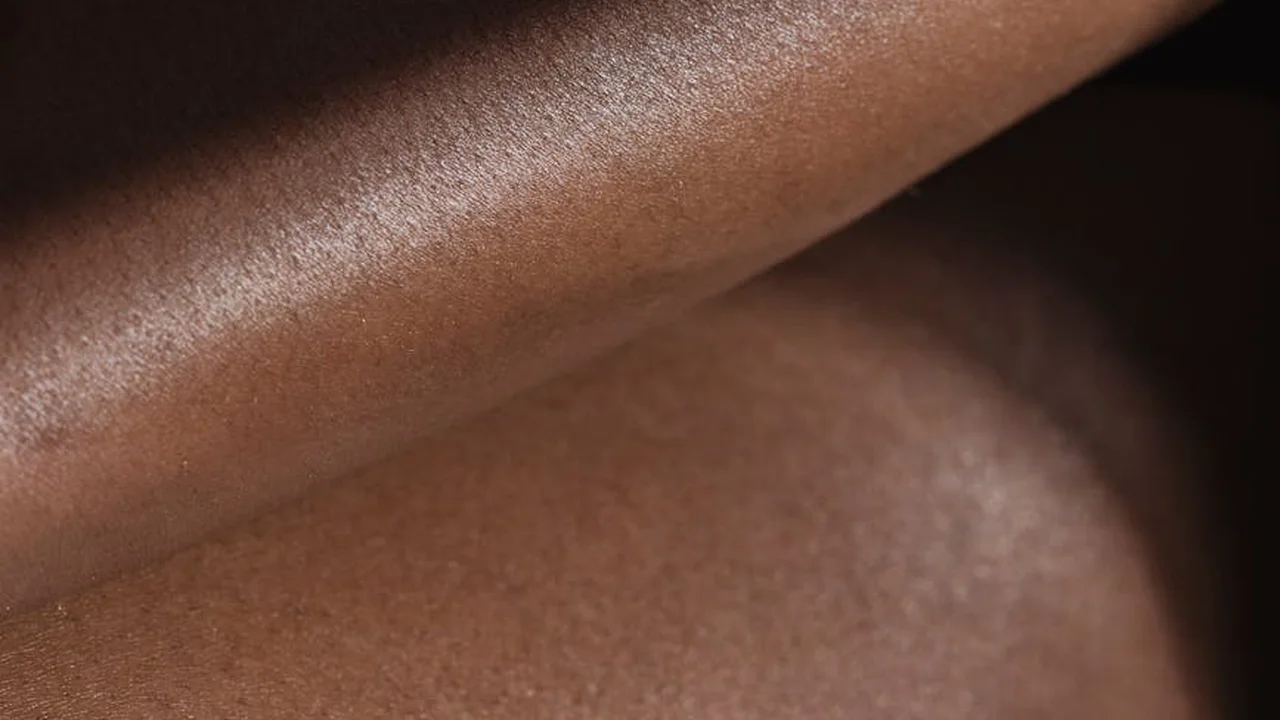
Think of the comedogenic scale as a lab test result, not a personal promise. It runs from 0 to 5.
A zero rating means an ingredient very rarely clogs pores in a lab setting. A five means it often does. Your unique skin chemistry always has the final say, making these numbers a helpful guide, not an absolute rule. I’ve worked with people whose dry skin loves a butter rated 2, while others with oily skin react to anything above a 0.
Shea Butter’s Comedogenic Rating: Why It Gets a Good Rap
Shea butter consistently earns a low to moderate comedogenic rating, typically between 0 and 2.
Its molecular structure is rich in non-comedogenic fatty acids that mimic our skin’s own oils, so it absorbs without just sitting on top. Shea butter also brings natural anti-inflammatory compounds to the party, which can actually calm skin that’s prone to redness and irritation. The jar in my apothecary gets used more than any other.
So, how comedogenic is shea butter? It’s far friendlier than coconut oil (often rated 4) and sits in a similar, safe zone as lightweight jojoba oil.
Cocoa Butter’s Comedogenic Rating: The Need for Caution
Cocoa butter usually lands a high comedogenic rating of 4.
It’s a heavy, intensely occlusive butter. This means it creates a thick, protective seal on the skin. While great for preventing moisture loss on the body, that seal can easily trap dead skin cells and sebum inside facial pores, leading to clogs.
Is cocoa butter comedogenic for face use? From my experience, often, yes. I reserve it for elbows and heels, not for my cheeks or forehead, especially if your skin tends to be oily or acne-prone.
Side-by-Skin-Side: Comparing Their Pore-Clogging Potential
| Factor | Shea Butter | Cocoa Butter |
| Comedogenic Rating | 0-2 (Low-Moderate) | 4 (High) |
| Typical Texture | Creamy, dense, slow to melt | Firm, brittle, quick to melt |
| Feel on Skin | Rich but absorbent; leaves a soft finish | Greasy and occlusive; leaves a waxy film |
| Primary Risk | Low, but possible for very congested skin | High, due to pore-clogging occlusion |
Texture and Absorption: The Feel Test
Warm a dab of each between your fingers. Shea butter feels creamy and yields slowly, melting into a luxurious balm.
Cocoa butter feels firmer and snaps, turning slick almost instantly. That quick melt translates to a heavier, more occlusive layer on your skin that doesn’t sink in as readily. This is the key difference. A butter that sits on the surface is more likely to trap debris and sebum in the pore opening.
Fatty Acid Profile: The Science of Clogging
Let’s simplify the science. The types of fats in a butter determine how it behaves with your skin’s oil.
Cocoa butter is packed with oleic and stearic acids. In studies, these fats are more likely to mix with sebum and thicken it, promoting clogs. Shea butter has a more balanced profile with lighter linoleic acid, which is less prone to congesting pores.
For context, if you’re wondering “is avocado butter comedogenic,” it’s usually rated around a 2, similar to shea, making it a generally safe choice for many. This is especially compared to other oils with different comedogenic ratings like apricot kernel oil.
Your Skin’s Guide: How to Use These Butters Without the Clog

General ratings are helpful, but your skin is unique. The real secret is learning how to work with these rich butters in a way that supports your specific skin. This guide focuses on safe, personalized application.
For Oily, Acne-Prone, or Cystic Acne Skin
If your skin is already prone to congestion, your approach needs extra care. Think of these butters as powerful tools for very specific jobs.
I recommend avoiding cocoa butter on your face entirely if you struggle with active breakouts. Its dense, waxy texture is simply too much for oily or acne-prone facial skin to handle comfortably.
You can experiment with shea butter, but treat it with respect. Use a tiny scoop, about half the size of a pea. Warm it thoroughly between your fingers until it becomes a clear oil, then mix it with a full dropper of a light, non-comedogenic oil like jojoba or hemp seed oil. This dilution is key.
Only apply this diluted mix to very dry patches, never all over your oily zones. Before any facial use, a two-week patch test on your jawline is non-negotiable. This gives you time to see how your skin truly reacts before layering other products in your routine.
For Dry, Mature, or Sensitive Skin
Your skin likely welcomes the rich nourishment these butters offer. The goal is to deliver that moisture without creating a heavy, pore-smothering layer.
Shea butter makes an excellent, simple night cream for you. I keep a small jar of raw, unrefined shea on my shelf for this. After your serum, take a small amount, emulsify it in your palms, and press it onto damp skin. It’s also perfect as a spot treatment on extra-dry areas like around the nose or on flaky patches, especially when combined with oils that help with dark circles and skin spots.
You can use cocoa butter more freely, but I still suggest using it sparingly on the body. It’s fantastic for targeted areas like elbows, knees, heels, or for supporting skin elasticity. To make either butter more skin-friendly, try whipping it with a lighter oil. This improves spreadability so you use less, reducing the risk of clogging.
My favorite whipping ratio is one part shea or cocoa butter to one part light oil (like sweet almond or apricot kernel). Whip with a hand mixer until it’s fluffy like frosting. It absorbs beautifully.
Smart Application Techniques for Everyone
How you apply these butters matters just as much as which one you choose. These techniques maximize benefits and minimize risks.
Always apply your butter to damp, freshly washed or misted skin. Your goal is to seal in that water, not just sit on top of dry skin. This is the difference between hydrating and just feeling greasy.
Embrace the “less is more” principle. A pea-sized amount is plenty for the entire face. Warm it between your fingers until it turns from a balm into a silky oil. This pre-emulsification helps it spread evenly and absorb better.
Think of shea and cocoa butter as the final, occlusive step in your routine. Apply them after your water-based serums and lighter moisturizers have soaked in. They act as a protective seal, locking all that good hydration underneath.
Recommended Products and Comedogenic Alternatives
If DIY isn’t your style, you can still find products that use these ingredients wisely. Knowing what to look for on a label is your superpower.
Seek out product categories like “non-comedogenic body butters” or “balms with alternative butters.” For facial use, look for moisturizers where shea butter is a supporting ingredient, not the first one listed. Additionally, you may wonder which are the best non-comedogenic oils for skincare moisturizers. We’ll explore those options and how to choose them in the next steps.
If you love the idea of cocoa butter but your pores protest, consider these alternatives:
- Mango butter: It’s rich but less greasy and has a lower comedogenic rating.
- Kokum butter: This is a hard, brittle butter that’s very absorbent and considered non-comedogenic.
- Light plant oils: Squalane (from olives or sugarcane) or jojoba oil can provide occlusion without the heavy waxes.
For those who find even shea butter too much, try babassu oil. It has a similar fatty acid profile but feels much lighter and drier on the skin. A simple, non-comedogenic cream might be your best bet.
Finally, become a label detective. Look for the scientific names: “butyrospermum parkii (shea) butter” or “theobroma cacao (cocoa) seed butter.” Seeing where they fall in the ingredient list tells you how much is actually in the product.
Quick Answers
Why do shea and cocoa butter have such different comedogenic ratings when they’re both natural butters?
Their distinct fatty acid profiles and textures are key. Cocoa butter’s dense, waxy structure creates a more occlusive seal, while shea butter’s composition includes lighter, more skin-compatible fats that absorb more readily.
How can I tell if a product will use these butters in a pore-friendly way?
Check the ingredient order; shea or cocoa butter listed near the end often means a smaller, safer amount. Also, look for products that pair them with non-comedogenic oils, which can improve the overall blend’s behavior on your skin.
Can I dilute a high-rated butter like cocoa butter to make it safer for my face?
Yes, thoroughly whipping or melting it with a lighter, non-comedogenic oil (like jojoba or squalane) can improve its texture and absorption. However, for very acne-prone facial skin, choosing a naturally lower-rated butter like shea is still the simpler, safer path.
What’s the one-sentence takeaway for using these on my face?
For facial moisturizing, shea butter is generally the more reliable choice, while cocoa butter is best reserved as a luxurious treatment for body skin that’s less prone to congestion.
Your Skin’s Botanical Companion
From my shelf to yours, the heart of the matter is this: shea butter is generally the more forgiving choice for facial skin or areas prone to congestion. Cocoa butter, while profoundly nourishing, asks for a bit more mindfulness, best reserved for nurturing very dry spots on the body.
I share these insights from daily practice here on the blog to guide your own experiments with oils for body, skin, hair, wellness, and home. Trust this advice as a starting point, and equally, trust the subtle feedback your own skin provides as you explore, especially when trying hypoallergenic options for sensitive skin.
Research and Related Sources
- Ultimate Guide to Body Butters: Shea Butter, Cocoa Butter, and Mango Butter Explained – Natural Bulk Supplies
- r/SkincareAddiction on Reddit: [acne] does shea butter actually clog pores/cause acne?
- Does Shea Butter Clog Pores? – Truly Beauty
- Cocoa butter vs. shea butter in skincare | Curology
Noemi Kamińska
Noemi is an accomplished wellness researcher, nutrition care guide and body care expert. She has years of experience in formulating various oil combinations for full body wellness including face, hair, body care, essential oils and cooking oils. She works as a bio-formulator working with oil chemistry and analyzing the best formulations when it comes to your needs. Feel free to reach out to get your oil needs sorted.