
Which Seed Oils Should You Avoid for Your Health Concerns?
If you’re sorting through your kitchen cabinet or skincare shelf, wondering if an oil is helping or hurting, I’ve been there too. Let’s simplify this together, using what I’ve learned from years of blending and troubleshooting in my own home apothecary.
My most important advice is to match the oil’s properties to your personal health picture, not just follow general trends. In this article, I’ll break down my practical approach:
- Oils linked to inflammation and which ones I personally avoid.
- Recommendations for sensitive or acne-prone skin.
- Considerations for hormonal balance and digestive wellness.
- How to read labels for the processing methods that matter most.
A Calm Look at Common Seed Oil Concerns
Let’s start by defining what we’re talking about. In my kitchen and apothecary, I use the term “seed oils” or “vegetable oils” to describe oils pressed from seeds like soybeans, corn, canola (rapeseed), sunflower, and safflower.
They are incredibly common. You’ll find them listed in the ingredients of crackers, salad dressings, and frozen meals. Many home cooks also keep a bottle of one of these oils in the cabinet for frying or baking.
So, are seed oils bad for you? The simplest answer is not inherently. A bottle of oil isn’t good or bad by itself. The concern comes from how much we consume, how the oil was made, and your personal health picture.
I see the questions online, like searches to “avoid seed oils Reddit,” and understand the confusion. My approach is different. This isn’t about creating a list of forbidden items. It’s about understanding what these oils are, so you can decide what belongs in your own pantry and self-care rituals.
My goal is to give you clear information, so you can make choices that feel supportive for your body and your home.
Understanding the Core Concerns: Processing and Balance
Most conventional seed oils you see on grocery store shelves undergo a heavy process. The seeds are heated to very high temperatures and treated with chemical solvents to squeeze out every last drop of oil. This process is efficient for large-scale production, but it can affect the oil’s quality.
Think about a cut apple left on the counter. It turns brown. That’s oxidation. Oils can oxidize too, especially when they are processed with heat and then used for high-heat cooking. An oxidized oil is less stable, both in the pan and in your body.
Another key point is fatty acid balance. Our bodies need two main types of polyunsaturated fats: omega-3s and omega-6s. They work together like a see-saw. Omega-6s are not unhealthy-we need them! But the modern diet is often overflowing with them from processed foods cooked in these oils.
When the omega-6 side of the see-saw is constantly weighed down, it can tip the body’s natural balance, which for some people may encourage feelings of lingering, unhelpful inflammation.
This imbalance is the core reason some folks choose to reduce these specific oils. It’s a matter of adjusting ratios, not eliminating a vital nutrient. In my own routine, I notice my skin and joints feel better when I focus on a wider variety of fats.
Matching Oils to Specific Health Considerations
If you are managing a specific health concern, here is a straightforward guide on what to know about seed oils.
My approach is always to look at the whole picture, not just a single ingredient on your shelf.
For Those Monitoring Inflammation and Autoimmune Flares
Omega-6 fatty acids are not inherently bad. Your body needs them.
But when your diet has a lot more omega-6 than omega-3 fats, it can tip your body’s balance toward more inflammatory pathways.
Many common seed oils are very high in omega-6, which is why they get attention in conversations about inflammation.
I find the most impactful step is to look at the processed foods in your pantry.
Cookies, crackers, and frozen meals often use these oils. Reducing those items can make a bigger difference than worrying about the oil you consciously use for cooking.
Navigating Questions About Cancer and Seed Oils
You might search “are seed oils carcinogenic” or “do seed oils cause colon cancer.” These are serious questions.
The concern centers on highly processed, oxidized dietary oils, not the oils you put on your skin. “Can essential oils cause cancer” is a completely separate topic about potent aromatics.
Current research suggests we should limit heavily processed foods, which often contain these unstable oils, as a general health principle.
For a query like “does palm oil cause cancer,” the discussion shifts. Palm oil has separate environmental concerns and is high in saturated fat, but a direct cancer link is not clearly established by consensus science.
For Heart Health and Cholesterol Management
Fats affect your cholesterol in different ways. Polyunsaturated fats can lower LDL (the “bad” cholesterol), but the type matters.
Monounsaturated fats, like those in olive oil, are consistently praised for heart health. Saturated fats have a more complex role.
Many generic “vegetable oil” blends are rich in polyunsaturated omega-6 fats and may not support heart health as well as once thought, especially when heavily refined.
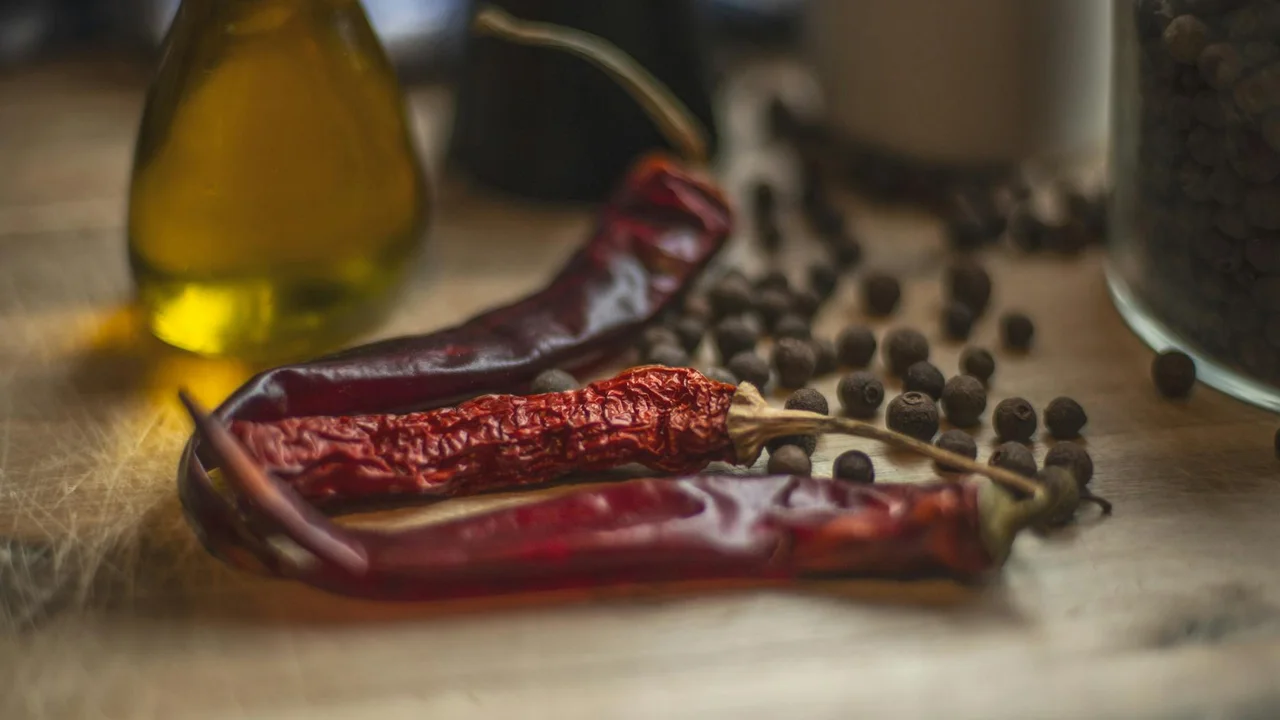
I keep a bottle of rich, golden extra virgin olive oil front and center for this reason.
Caring for Your Skin and Hair
“Are seed oils bad for hair?” Not always. The quality and processing make all the difference.
Highly refined, bleached, or deodorized seed oils can be stripping. They might remove your hair’s natural oils or leave a waxy feel.
For skin, comedogenicity-whether an oil clogs pores-is key. Highly processed oils can be more irritating or pore-clogging. The truth about comedogenic oils will guide safer ingredient choices. We’ll explore oils that are less likely to clog pores and the science behind it.
Contrast that with a cold-pressed, high-quality version of the same oil. A cold-pressed sunflower oil feels light and nourishing on my skin, while the refined version feels thin and empty. That difference comes from how the oils are processed—cold pressing versus refining—and it affects nutrient retention and texture. So what’s the difference, and why does it matter for skin and overall health?
A Practical Guide to Oils You May Want to Limit
Here is why some specific oils are often on the “limit” list. I view it as a matter of quality and balance, not fear.
Soybean, Corn, and Cottonseed Oils
These are the workhorses of the processed food world. You will find them in countless items, from margarine to salad dressing.
They are typically very high in omega-6 fats and are often extracted with high heat and chemical solvents, which can degrade the oil.
Limiting packaged snacks and fried foods is the most practical way to reduce these oils in your diet.
Canola (Rapeseed) and Grapeseed Oils
Canola oil is often heavily refined to neutralize its natural flavor. Grapeseed oil is very light and almost odorless.
Grapeseed oil has an extremely high polyunsaturated fat content, which means it oxidizes easily when used for high-heat cooking, creating undesirable compounds.
I sometimes use a bit of expeller-pressed canola for baking, but I never heat grapeseed oil. It stays in my cupboard for occasional use in low-heat applications.
What About Peanut or Sesame Oil?
I see searches for “seed oils to avoid sesame” and discussions about peanut oil. These oils are different.
They are often used in small amounts for their wonderful flavors-think a drizzle of toasted sesame oil on a finished dish.
The main cautions here are for allergies and seeking high-quality, cold-pressed versions instead of industrially refined ones.
The peanut oil in many restaurants is refined, but the artisanal, cold-pressed peanut oil I have is a beautiful, nutty treasure I use sparingly. I’m mindful of peanut allergy safety and how refined versus unrefined oils can differ in risk, so I stay informed about which oils are safer for sensitive eaters.
Building Your Better Oil Shelf: Alternatives for Body and Home
Let’s shift our focus to the good stuff. The oils you can confidently welcome into your daily rituals.
My own kitchen and apothecary shelves are filled with these trusted alternatives. They are my go-tos for everything from a simple salad to a calming face serum.
For Cooking and Kitchen Wellness
Heat changes oil. For high-heat cooking like searing or roasting, you need a fat that stays stable.
I reach for avocado oil or ghee for their high smoke points and neutral flavors. Coconut oil is another stable choice, perfect for adding a subtle sweetness to curries or baked goods.
For low-heat sautés, drizzling, and dressings, flavor is king. A good, extra virgin olive oil is my daily staple. Its peppery finish makes vegetables sing. When I’m choosing a bottle, I weigh which brand culinary olive oil is best for cooking and dressings, guided by reviews and comparisons. That search keeps my pantry stocked with a versatile oil that elevates both vegetables and dressings.
For an instant flavor boost, a few drops of toasted sesame oil at the end of cooking transforms a dish. Just remember, it’s for finishing, not frying—especially when using homemade sesame oil.
For Skin and Hair Care Blending
When mixing essential oils for your skin or hair, your carrier oil is the foundation. You want one that’s nourishing and unlikely to spoil quickly. That raises the question of which are the best carrier oils for skin when diluting essential oils. Choosing the right carrier supports safe dilution and helps skin stay healthy.
Jojoba oil mimics your skin’s natural sebum. It feels light and absorbs easily. I use it in almost all my facial blends. It’s also great for face, hair, and scalp care.
Argan oil is a richer treat for hair ends and dry patches. It sinks in without a heavy greasy feel.
Look for oils labeled “cold-pressed” and “unrefined” to get the full spectrum of vitamins and antioxidants. A high-oleic sunflower oil is a great, affordable option. Avoid the clear, odorless, highly refined versions in the cooking aisle for skincare.
For Home and Scent Blending
Pure seed oils aren’t for your diffuser. That’s the job of steam-distilled or cold-pressed essential oils.
But a stable carrier oil is the perfect base for homemade room or linen sprays. It helps the scent of essential oils linger longer on fabrics.
I keep a small spray bottle with jojoba oil and a few drops of lavender and cedarwood by my bed. A light mist on my pillowcase is part of my wind-down routine.
When to Seek Personalized Professional Guidance
Oils are wonderful tools for everyday wellness. For managing specific health conditions, they are part of a bigger picture.
If you are considering a major dietary change for a condition like heart disease, an autoimmune disorder, or during cancer treatment, please talk to your doctor or a registered dietitian first. They can help you build a plan that’s right for your unique body.
For skin that’s persistently irritated, inflamed, or breaking out, a dermatologist can pinpoint the cause. It might be an allergy to a specific oil compound.
Going to an appointment can feel overwhelming. I always write my questions down first. Jot down what you’ve noticed and bring that list with you.
Your curiosity about your health is a powerful thing. Partnering with a professional gives you the clearest path forward.
Your Quick Questions, Answered
Why is there so much debate about seed oils on Reddit and social media?
The debate often stems from conflating heavily processed industrial oils with all seed-derived oils. My advice is to focus on processing quality and your personal health context, rather than broad online trends.
Is sesame oil okay to use, or should I avoid it too?
High-quality, cold-pressed sesame oil is a wonderful, flavorful oil for finishing dishes. The caution is primarily for the refined version used in high-heat commercial frying, not the artisanal oil you drizzle for finishing salads or Asian cuisine.
Are there any seed oils I should avoid for my hair health?
For hair, avoid highly refined and bleached seed oils, as they can be stripping or leave a waxy residue. Instead, seek out unrefined, cold-pressed oils like high-oleic sunflower or argan oil for nourishment.
Do seed oils actually increase cancer risk?
Current evidence doesn’t condemn seed oils directly, but strongly suggests limiting heavily processed foods, which are primary sources of oxidized, low-quality oils. Prioritizing whole foods and stable cooking fats is a proactive wellness step.
What’s the one simple change I can make today?
Read the ingredients on your packaged snacks and condiments. Simply choosing items without soybean, corn, or cottonseed oils can significantly improve your dietary fat balance.
Navigating Your Oil Journey with Care
The most important takeaway from my apothecary shelf to yours is that no single oil is universally “bad.” Your ideal choice hinges on your unique health picture and how you plan to use the oil, whether in a body serum, a hair mask, or a diffuser blend. Listening to your body’s response is the most trusted guide you have.
I invite you to explore more of our guides here for thoughtful ways to incorporate oils into your daily rituals for skin, hair, and home. When focusing on skincare, try integrating rosehip oil and other botanical face oils into your daily skincare routine. These choices nourish your skin as part of a mindful, ongoing ritual. Trust your intuition as you experiment-noticing how a oil feels or smells to you is a powerful part of the process.
Related Guides and Information
- The Complete List Of Seed Oils (Avoid These)
- There’s no reason to avoid seed oils and plenty of reasons to eat them | American Heart Association
- Seed Oils: Are They Truly Toxic?
Noemi Kamińska
Noemi is an accomplished wellness researcher, nutrition care guide and body care expert. She has years of experience in formulating various oil combinations for full body wellness including face, hair, body care, essential oils and cooking oils. She works as a bio-formulator working with oil chemistry and analyzing the best formulations when it comes to your needs. Feel free to reach out to get your oil needs sorted.