
Is Olay Skincare Non-Comedogenic? An Analysis of Their Products for Clogged Pores
Worrying that your skincare might be causing those stubborn bumps is a feeling I know well from my own cabinet. Let’s examine Olay together, using the same careful eye I give to every botanical oil I blend for skin.
My main goal is to give you a clear, practical method to assess any Olay product for your pore health.
- What “non-comedogenic” really means on a label
- A breakdown of common ingredients in Olay formulas
- Insights from comparing them to my trusted oil-based staples
Key Takeaways: Olay and Your Pores
Let’s get straight to it. Not every Olay product is labeled or formulated as non-comedogenic. The truth is, it varies from bottle to bottle and depends entirely on the specific formula. Some lines are designed with oily or blemish-prone skin in mind, while others are richer creams meant for different concerns.
In my years of looking at ingredients, I’ve noticed patterns. Olay’s gel-based moisturizers and their classic “Total Effects” line are often your safest bets for a pore-friendly feel. I keep a gel moisturizer on my own shelf for humid summer months because it sinks in without a trace, much like my favorite grapeseed oil.
Remember, “non-comedogenic” is a helpful guide, not an ironclad promise. Your skin’s reaction is the final, and most important, test. A product my skin loves might be a problem for yours, and that’s okay. It’s about finding your unique match.
This is why learning to scan an ingredient list becomes your superpower. We’ll break that down simply in just a moment, so you can make informed choices beyond any single claim on the box.
What “Non-Comedogenic” Really Means for Your Skin
Put simply, a product labeled non-comedogenic is designed to avoid clogging your pores. Think of your pores like tiny doors. The goal is to use formulas that don’t stick heavy, waxy ingredients in the doorway, which can lead to blackheads or bumps. This naturally leads to the question: are non-comedogenic ingredients in makeup really effective at preventing clogged pores? We’ll explore what “non-comedogenic” means in cosmetics and whether it translates to fewer clogged pores.
Here’s the catch you should know: no government agency officially tests or certifies this claim. The “non-comedogenic” label is based on a brand’s internal testing and ingredient choices, not a universal standard. It’s a useful signal of intent, but it requires a bit of trust in the company, especially when it comes to plant-based ingredients like starches (which may vary in their comedogenic rating).
Let me explain it the way I think about botanical oils. Choosing a non-comedogenic moisturizer is like picking a lightweight, fast-absorbing oil such as grapeseed or hazelnut for oily skin. You’d avoid a heavier, more occlusive oil like coconut or cocoa butter for your face, as they’re more likely to sit on top of the skin and potentially block those pores. The principle is very similar.
Finally, “oil-free” and “non-comedogenic” often go together, but they aren’t synonyms. An oil-free product avoids plant or mineral oils, but it could still contain other thick, creamy ingredients that clog pores. A non-comedogenic product might contain certain lightweight oils that are known to be pore-friendly. It’s the overall formula that matters most.
A Close Look at Common Olay Ingredients

Many people ask, does Oil of Olay contain parabens? Most modern Olay formulas have moved away from parabens. You will often see preservatives like phenoxyethanol or potassium sorbate instead.
Some core Olay ingredients have a mixed reputation for clogging pores. Fatty alcohols, like cetyl alcohol, generally feel emollient but are tolerated by many skin types. Silicones, such as dimethicone, give that silky, smoothing finish. For most people, these ingredients form a protective barrier without clogging, but they can trap oil if your skin is very prone to it.
Contrast this with the oils I keep on my shelf for body care, like coconut oil or cocoa butter. These are rich, occlusive botanicals I love for elbows and feet. On the face, especially for clog-prone skin, these known comedogenic ingredients are much more likely to cause issues than a well-formulated silicone.
Then there’s fragrance. I adore a beautiful scent from essential oils in my home diffuser. In a face cream, however, added fragrance is a common irritant. Even a lovely scent can cause subtle inflammation, prompting your skin to produce more oil and leading to clogs. It’s a factor I always check for.
Choosing the Best Olay Product for Clogged Pores
So, which Olay products are best for clogged pores? Your first clue is in the texture description on the label. Look for words like “gel,” “water,” “whipped,” or “matte.” These signal a lighter, breathable formula.
Take the Olay Regenerist Whip. Its air-whipped texture is designed to feel weightless, absorbing quickly without a heavy film. The Olay 7 in 1 line often features gel moisturizers, which are typically water-based and less likely to sit on top of pores.
Specialized products, like an Olay BB Cream, combine moisture, tint, and SPF. That multifunction means more ingredients, which can increase the chance of a pore-clogging component for your unique skin. It’s not a definite no, but it requires more careful scrutiny.
Feel the difference yourself. Compare a rich cream from their line to a light gel. The cream may leave a dewy, nourishing layer that feels cozy for very dry skin. The gel should sink in almost instantly, leaving a fresh, barely-there feel that clog-prone skin often prefers.
Your Checklist for a Pore-Friendly Olay Moisturizer
Turning the question “how to choose” into action, here is a simple list I follow when evaluating any moisturizer, including Olay’s.
-
Favor gels, fluid lotions, or whipped textures over rich creams. The physical feel is your first indicator of how it will behave on your skin.
-
Scan for “oil-free” or “non-comedogenic” on the label as a first filter. This is the brand’s promise to you, and it’s a good starting point.
-
Check the ingredient list for known irritants if your skin is sensitive. If you see alcohol denat. high on the list or strong botanical extracts, pause and consider.
-
Consider fragrance-free options if your skin is reactive. This single choice can prevent a lot of subtle congestion and redness.
-
Remember that SPF versions add ingredients which might be heavier than natural oils. The sun protection is vital, but the formula might be less breathable than a plain moisturizer or natural oils.
Could Olay Cause Your Breakouts?
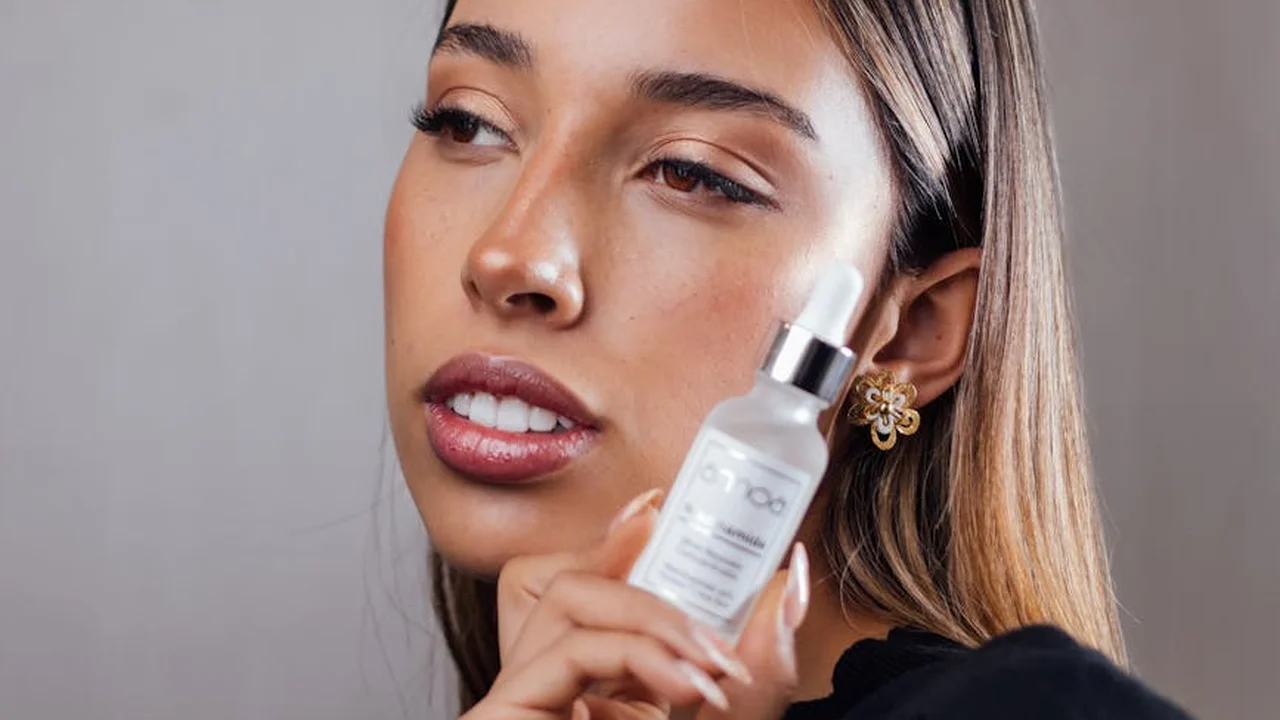
In my years of looking at ingredients, the short answer is maybe. Whether Olay causes breakouts depends entirely on how your unique skin reacts to specific ingredients in a given formula. A product can be non-comedogenic on paper but still not agree with your skin’s personal chemistry.
Think of it like a food sensitivity. Just because most people can eat strawberries doesn’t mean someone won’t have a reaction. Your skin has its own list of ingredients it prefers to avoid.
Breakout or Just Purging?
This is a critical distinction many people miss. A true comedogenic reaction clogs a pore with an ingredient it can’t handle. Not all ingredients clog pores. “Purging” is different. It happens when active ingredients, like the niacinamide Olay loves, speed up your skin’s renewal cycle.
Purging brings existing congestion to the surface faster, usually as small whiteheads in areas where you typically get breakouts, and it should clear within a few weeks. A true breakout from a clogging ingredient can pop up anywhere, often as deeper, more painful bumps, and it won’t stop until you stop using the product.
Your Safety Net: The Patch Test
Never skip this step. It’s the only way to know for sure. I treat every new product, whether a fancy serum or a simple carrier oil, with the same caution.
Here is how I do it:
- Clean a small area along your jawline or behind your ear.
- Apply a dime-sized amount of the Olay product twice daily for one full week.
- Watch closely. Any redness, itching, or new small bumps mean your skin is saying no. No reaction means you can likely apply it to your full face safely.
This week of patience saves you from a month of frustration. I have a dedicated patch on my jawline I use for testing everything from new moisturizers to oil blends.
How Olay Stacks Up Against Other Non-Comedogenic Choices
Olay is one path, but the world of clear-skin moisturizing has many trails. Let’s look at the landscape.
Brands like The Inkey List take a minimalist, single-active approach. You might get a bottle with just niacinamide or just squalane. This philosophy is great for pinpointing exactly what your skin needs and avoids, with fewer ingredients that could potentially cause a issue.
Olay, in contrast, crafts science-driven blends. Their products are like a carefully tuned orchestra, with niacinamide, peptides, and moisturizers working together. It’s a different experience: more complex, often with a richer feel.
Where Botanical Oils Fit In
This is where my apothecary shelf comes into play. A 100% plant-derived squalane oil (from sugarcane or olives) is inherently non-comedogenic and mimics your skin’s own moisture. For some, using a few drops of pure squalane is all the moisturizer they need, offering a simple, single-ingredient alternative to other non-comedogenic oils.
You can also use it as a supplement. If you love your Olay serum but find the accompanying cream too rich, try mixing a drop of squalane oil with the serum for extra hydration without the weight.
Jojoba oil, which is technically a wax ester, is another superb, non-clogging option that closely matches human sebum. I often recommend it for balancing oily, breakout-prone skin.
Making Your Choice
So, Olay or a minimalist serum or a botanical oil? The choice hinges on your skin’s language and your personal preference.
- Do you prefer a multi-benefit, cosmetically elegant formula? Olay’s blends are worth testing.
- Do you want to know every single ingredient and keep things starkly simple? A minimalist brand is your friend.
- Do you lean toward pure, plant-based solutions and enjoy a more hands-on approach? A non-comedogenic oil like squalane might be your perfect match.
There is no universal winner. The best non-comedogenic product is the one that makes your skin feel calm, balanced, and clear. Sometimes, that answer comes from a drugstore shelf, sometimes from a glass dropper bottle on a herbalist’s counter. Either way, it’s important to choose products suitable for oily and acne-prone skin.
Caring for Clog-Prone Skin with a Simple Routine
Finding products that won’t clog your pores, such as non-comedogenic oils and skincare products, is a great start. But the real magic happens with a consistent, kind routine. Think of it less as managing a problem and more as nurturing your skin’s natural balance every day.
A positive, gentle approach is often more effective for your skin barrier than a harsh, attacking one.
Start with a Gentle Cleanse
This step is non-negotiable. Cleansing removes the day’s buildup-oil, dirt, makeup-without stripping your skin. I look for a formula that leaves my face feeling soft, not tight or squeaky.
A harsh cleanser can trick your skin into producing more oil, which is the opposite of what we want. A gentle, non-comedogenic cleanser, like many in Olay’s line, creates the perfect clean slate.
Always Follow with a Light Moisturizer
This is where many with oily or clog-prone skin hesitate. Skipping moisturizer is a common mistake. Your skin needs hydration to stay balanced and healthy.
Look for a light, fluid lotion or gel-cream. A consistent, light moisturizer tells your skin it doesn’t need to overproduce oil to compensate for dryness. Whether you find one from Olay or another brand, the goal is a product that absorbs quickly and leaves a comfortable, supple feel, not a greasy film.
Incorporate a Chemical Exfoliant
While not always found in a moisturizer, this is a powerhouse step for keeping pores clear. Chemical exfoliants like salicylic acid (BHA) work by dissolving the bonds that hold dead skin cells together inside the pore.
You can find salicylic acid in dedicated serums, toners, or cleansers. Using a chemical exfoliant 2-3 times a week can help keep pores clear from the inside out, complementing your other non-comedogenic products. Start slow to see how your skin responds.
Remember: Hydrated Skin is Healthy Skin
Even skin prone to clogs needs water. When your skin is well-hydrated, it functions better, heals faster, and maintains its protective barrier. A light moisturizer delivers that hydration.
On my own shelf, I sometimes mix a drop of non-comedogenic squalane oil (derived from olives) into my night cream for an extra boost of hydration that I know won’t clog. Well-hydrated skin is more resilient and balanced, making your entire routine work more effectively.
Your Questions, Answered with Care
Can I trust that an Olay product labeled “non-comedogenic” won’t clog my pores?
You can trust it as a thoughtful formulation goal, but always verify with your own skin. Treat the label as a helpful starting guide, not an absolute guarantee for every individual.
Are Olay’s gel moisturizers a safe choice for very oily, clog-prone skin?
Yes, their gel-based formulas are typically designed to be breathable and absorb quickly. They mimic the lightweight feel of non-comedogenic botanical oils like grapeseed, making them an excellent first choice.
Should I avoid Olay products with SPF if I’m worried about clogged pores?
Not necessarily, but do proceed with more caution. Sunscreen ingredients can sometimes be heavier, so prioritize oil-free, non-comedogenic SPF formulas and be extra diligent with your evening cleanse.
What’s the simplest way to check if an Olay product will work for my pore health?
Let texture be your first clue. Before buying, if you can, feel the formula; a lightweight gel or fluid that sinks in quickly is often more pore-friendly than a thick, rich cream.
How does a simple botanical oil compare to Olay for keeping pores clear?
For a pure, single-ingredient approach, oils like squalane or jojoba are inherently non-clogging for many. Olay offers multifunctional blends, while a botanical oil provides straightforward hydration you can easily layer or use alone.
Finding Your Skin’s Harmony with Botanicals
The most reliable path is to treat each Olay product as its own unique blend. Check the label for a non-comedogenic claim and always, always perform a patch test before welcoming any new formula into your routine. This simple step respects your skin’s individual nature.
I invite you to explore more guides here as you build your personal apothecary. Trust your observations-your skin often gives the clearest feedback on what truly nourishes it.
Deep Dive: Further Reading
- Olay Complete Cream All Day Moisturizer SPF 15 2oz jar | Olay
- Sensitive Soothing Moisturizer
- Amazon.com : Olay Face Moisturizer, Complete with Sunscreen SPF 15, Daily Facial Lotion for Normal Skin, Lightweight Hydrating Broad Spectrum Sun Protection – Vitamin C, E, and Niacinamide – 6 Oz 2 Pack : Facial Moisturizers : Beauty & Personal Care
Noemi Kamińska
Noemi is an accomplished wellness researcher, nutrition care guide and body care expert. She has years of experience in formulating various oil combinations for full body wellness including face, hair, body care, essential oils and cooking oils. She works as a bio-formulator working with oil chemistry and analyzing the best formulations when it comes to your needs. Feel free to reach out to get your oil needs sorted.