
What Is the Shelf Life of Fish Oil and Cod Liver Oil Supplements?
If you’ve ever opened a bottle and wondered if those capsules are still good, I get it. In my years of working with oils, I’ve found that a simple, sensory check is often your best guide to freshness and safety.
The real shelf life hinges on how you protect the oil from heat, light, and air. In this article, I’ll share my hands-on advice for keeping your supplements effective:
- The true meaning of expiration dates
- How to tell if your oil has turned rancid
- My personal storage methods from the home apothecary
- Key differences between fish oil and cod liver oil stability
How Long Do Fish Oil and Cod Liver Oil Supplements Typically Last?
In my experience with oils, a sealed bottle of fish oil or cod liver oil capsules will generally stay at its best for about two years from the manufacture date.
Liquid oils in a bottle have a shorter clock, often around one year when unopened.
Once you break the seal, you start a new, faster countdown.
Oxygen is the enemy here. I think of it like a cut apple browning on my counter.
For liquid oil, plan to use it within 3 to 6 months of opening.
Softgels are a bit more protected, but you should still aim to finish the bottle within that same 3 to 6 month window after opening for top quality.
That date printed on the bottle is a promise of peak freshness, not a safety switch that flips at midnight.
The “expires on” or “best by” date is the company’s guarantee that the oil will meet its labeled potency and freshness until then, if stored perfectly. This shelf life or expiration date matters whether you’re using botanical oils for body care or in culinary uses, helping you plan usage and storage.
An oil a month past its date might just be slightly less potent. One that’s been open in a sunny kitchen for a year past its date is a different story. Expired oils often lose their effectiveness, especially when not stored properly.
How Do You Know If Your Fish Oil Has Gone Bad?
Your senses are the best tools you have. Trust them.
A mild, fresh oil should have almost no smell, or a very faint oceanic scent. A strong, pungent fishy odor that hits you when you open the bottle is your first and clearest warning.
If it smells like the fish counter at the market, not the supplement drawer, it has likely turned rancid.
Look closely at the capsules. They should be clear and consistent. Cloudiness, leaks, or a sticky film on the outside of the gelcap are visual red flags.
For liquid oils, note the color. A fresh oil is a clear golden hue. If it has become very dark, murky, or thick, it’s time to let it go.
The taste test often happens unexpectedly. That classic “fish burp” shouldn’t be sharp, bitter, or overwhelmingly foul.
If your burps taste noticeably worse or more acidic than usual, the oil inside is probably off.
And yes, both fish oil and cod liver oil can absolutely go bad. Their high levels of delicate omega-3 fats make them especially prone to oxidation, which is just a technical word for going rancid.
What Happens If You Take Rancid Fish Oil?
At its core, taking rancid oil works against your very goal for using it.
You take these supplements for their antioxidants and anti-inflammatory benefits. Rancid oil is packed with free radicals, which cause oxidative stress and inflammation in your body.
Consuming spoiled fish oil means you are introducing the very compounds you’re trying to combat, completely nullifying its wellness purpose.
For most people, a single dose might just cause some unpleasant burps or minor digestive grumbles.
But consistently taking oil that’s gone off is like pouring stale, murky water on a plant you’re trying to nourish. It simply won’t help, and it might cause some harm over time.
The vibrant, supportive properties are gone, leaving behind an oil that’s lost its virtue.
What Are the Biggest Threats to Fish Oil Shelf Life?
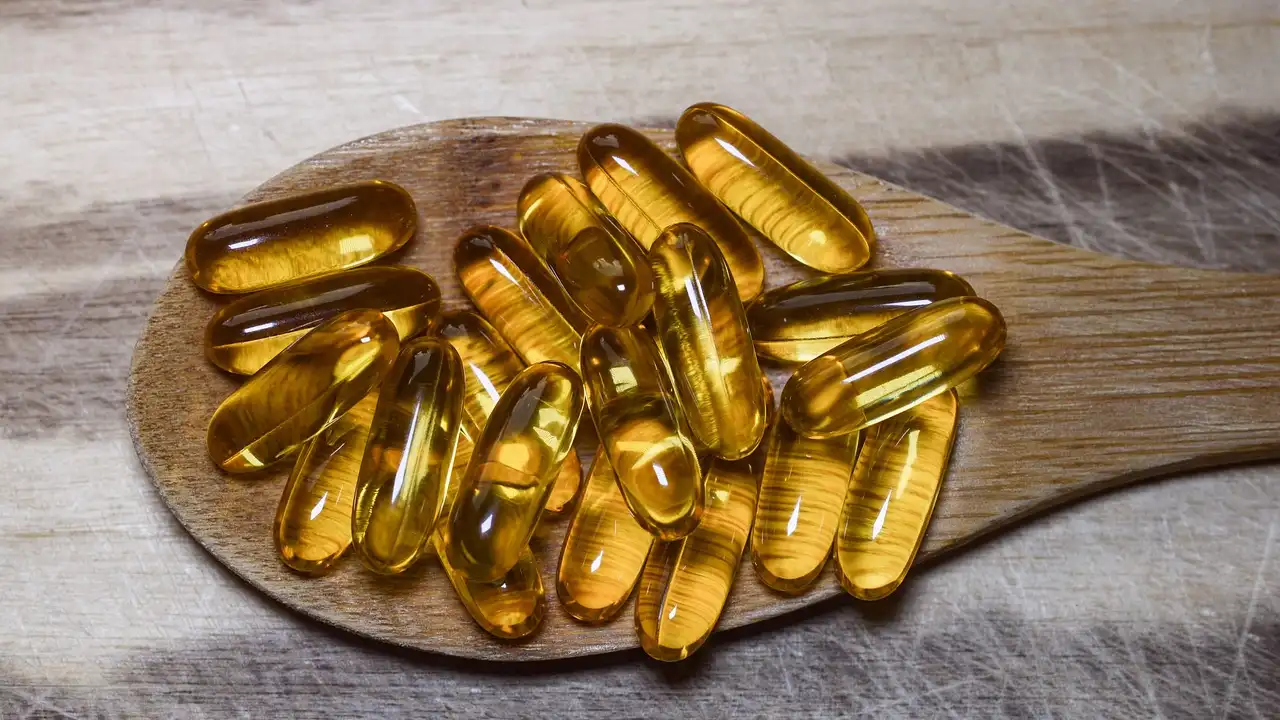
Think of your fish or cod liver oil as a delicate, precious ingredient. Its biggest enemies are simple: heat, light, and air. Protecting it from these three things is the secret to maintaining its quality and potency.
Why Heat and Light Are So Damaging
Picture a stick of butter left on a sunny kitchen counter. It turns soft, greasy, and off quickly. The same principle applies to these sensitive oils.
Heat and light directly accelerate a chemical process called oxidation. This is what makes oil rancid.
Rancid oil doesn’t just have a foul smell and taste; the beneficial omega-3s are damaged, reducing the supplement’s wellness value for your body. I keep all my liquid botanical oils, including fish oil, well away from my stovetop and window sill for this exact reason – because exposure to heat and light can cause them to deteriorate and go bad or turn rancid.
The Problem With Too Much Air
This threat is most relevant to the fish oil shelf life after opening. Every time you open a bottle, fresh oxygen rushes in and begins interacting with the oil.
The empty space in a bottle, called headspace, is just a pocket of air causing slow damage. If you have a large, half-empty bottle of liquid oil, consider transferring it to a smaller, dark glass container. This dramatically reduces the air exposure.
My number one rule is to tighten the cap immediately after each use. Make it a habit, just like putting the milk back in the fridge. Every second counts when you’re protecting freshness.
How Should You Store These Oils to Make Them Last?
A good storage routine is simple and becomes second nature. Here is the protocol I follow in my own home.
The Ideal Storage Spot
For liquid fish oils, the refrigerator is your best friend, especially after opening. The consistent, cool temperature significantly slows down oxidation. The oil may become cloudy or thicker-this is normal and it will liquefy again at room temperature.
For unopened bottles of softgels, a cool, dark cupboard is perfect. Choose one far from your oven, dishwasher, or any heating vent.
Never store these supplements in your car, on a sunny counter, or near a window. The temperature swings and light in these spots are a recipe for rapid spoilage.
Handling Your Supplements with Care
Your hands matter. Always handle softgel capsules with dry hands. The moisture from your skin can start to break down the gelatin shell over time, potentially letting air reach the oil inside.
If you only take a supplement occasionally, buy the smallest bottle size available. It’s better to purchase a fresh small bottle twice a year than to keep a large one hanging around for years past its prime. Freshness is key for both wellness benefits and taste.
Can You Take Expired Fish Oil Capsules?
My honest answer is no, I wouldn’t take them, and I don’t recommend you do either.
The printed date is your best guide for quality. “Expired” on the label means the manufacturer can no longer guarantee the oil’s freshness or potency. It’s not the same as “spoiled” at that exact moment, but the two become close friends very quickly after that date passes, especially for castor oil and other botanical oils.
Think of it like a timer that started ticking the day the oil was bottled. Heat, light, and air speed that timer up. By the expiration date, the protective antioxidants are weakened. After that, the oil turns rancid much faster.
If you find a bottle just a month or two past its date, your senses are the final judge. Here’s what I do with any questionable oil, fish or plant-based:
- Snip open one softgel.
- Smell the oil directly. Fresh fish oil has a mild, clean oceanic scent. Rancid oil smells sharply fishy, bitter, or even like old paint or crayons.
- Look at the oil. It should be clear, not cloudy. A dark yellow or brownish color is a warning sign.
If that oil smells or looks at all off, toss the whole bottle. Your body will thank you. The stomach upset or “fishy burps” from rancid oil simply aren’t worth the potential benefit.
When in doubt, throw it out. The small cost of a new supplement far outweighs the discomfort of consuming spoiled oil.
When Not to Use Old or Rancid Fish Oil
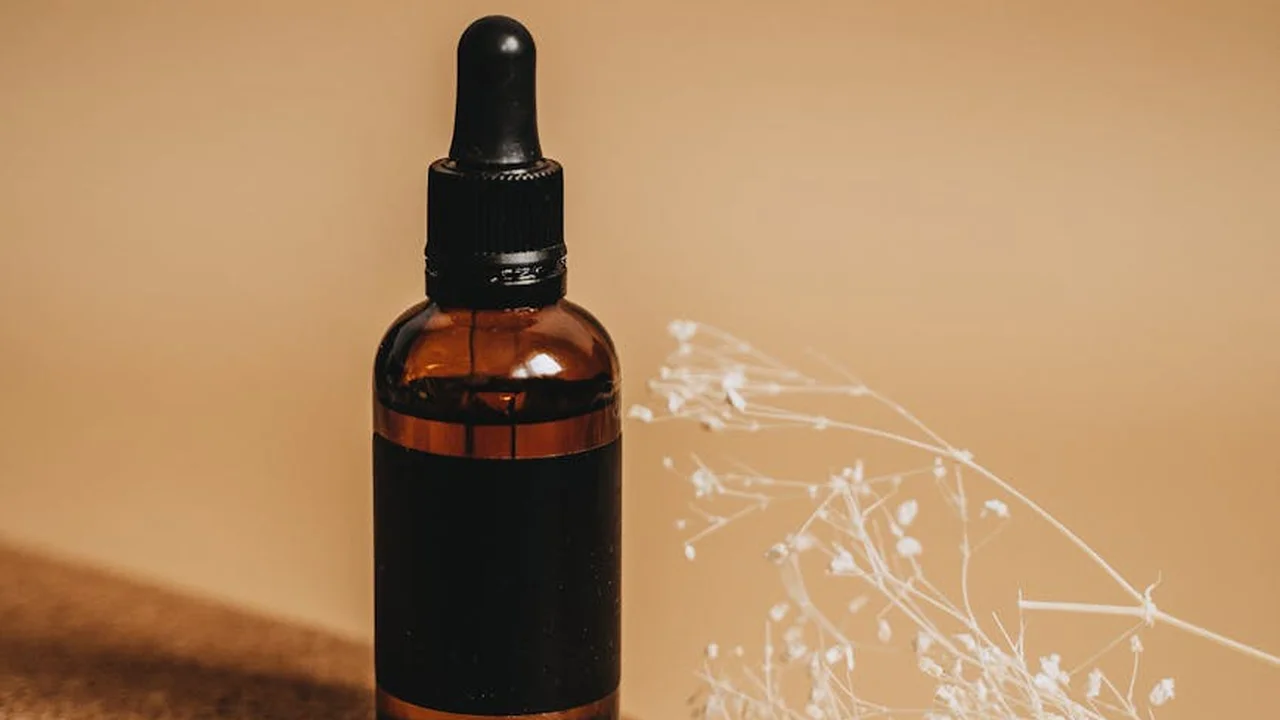
Do not consume oil that smells or tastes off. A rancid taste is your body’s immediate warning system. Listen to it.
I also want to give a specific caution about pets. You should never give expired fish oil to your dog or cat. They might not refuse a tasty treat, but their smaller bodies are even more sensitive to the compounds in spoiled oil. It’s not a risk worth taking for their health.
You might wonder about using it on your skin instead. Some people suggest using expired plant oils topically. I don’t recommend this with rancid fish oil.
Rancidity creates free radicals. Applying that to your skin could cause irritation and may counteract any skincare benefits you’re hoping for. I have a strict “if it’s not good enough for inside, it’s not going on my skin” rule on my shelf.
Your safest choice for any expired supplement is responsible disposal.
What to Do With Fish Oil Supplements You Can’t Take
I get it. Tossing a bottle of supplements feels wrong. In my own apothecary, I hate wasting any botanical product.
Your safety is always more important than using up a questionable product. Consuming rancid fish oil introduces oxidized compounds into your body, which defeats the entire purpose of taking it for wellness. To protect freshness, store oils in a cool, dark place. Some fish oils and vegetable oils may be refrigerated, or you can choose to freeze to prevent rancidity.
The Safest Path: Disposal
Do not pour the oil down your drain. It can solidify and cause plumbing issues.
The best method is simple. Place the softgels into a small, sealable plastic bag, like a sandwich bag.
Seal it tightly. You can even place that bag inside another bag for extra security.
Then, just put the sealed bag directly into your household trash. This contains any potential mess and odor.
A Note for Garden Experimenters
Some home gardeners, myself included, sometimes test expired plant-based oils like old neem or castor oil on our plants. However, natural oils do expire and lose their potency over time.
I have heard of people poking capsules of very expired fish oil into the soil near nutrient-hungry plants like tomatoes, thinking the omega-3s could break down into nitrogen.
This is purely an experimental, at-your-own-risk reuse idea and not a recommended use for the oil. It could attract pests or create an imbalance in your soil.
If you are curious, dilute one punctured capsule in a gallon of water for outdoor plants only, and observe carefully. I stick to compost and approved fertilizers for my garden.
Your Quick Freshness Guide
How can I extend the shelf life after I’ve opened the bottle?
Minimize air exposure every single time. Tighten the cap immediately after use and, for liquid oils, consider transferring them to a smaller, dark glass bottle to reduce damaging headspace.
Is there a specific moment when I should just throw them away?
Yes-the moment your senses give you a clear warning. If you get a strong, off-putting fishy smell or the oil tastes sharply bitter, it’s time to let it go for the sake of your wellness.
Does fish oil or cod liver oil go bad faster?
Cod liver oil generally has a slight edge in stability. It often contains added antioxidants like Vitamin E and may have a lower polyunsaturated fat content, which can help it resist rancidity a bit longer than standard fish oil.
Do I have to refrigerate the softgels too?
While unopened bottles are fine in a cool cupboard, I recommend refrigerating softgels after opening, especially if your home is warm. The consistent cold significantly slows oxidation, preserving those delicate omega-3s.
What’s the one storage mistake everyone makes?
Leaving the bottle on the kitchen counter or near the stove. Consistent, gentle coolness is key, so choose a dedicated spot away from heat and light, and make returning the bottle there an automatic habit.
Stewarding Your Supplement Oils
The single most reliable way to protect your fish oil is to treat it like a precious botanical infusion—store it in a cool, dark place and use it within its prime. I keep my bottles in the refrigerator, tucked behind the door, just as I do with my carrier oils that are prone to turning.
I share more tips like this for using oils in your daily wellness rituals right here on the blog. Consider how rosehip oil and other botanical face oils can fit into your daily skincare routine. Your own careful observation as you care for your body, skin, and home is the best tool you have.
Relevant Resources for Further Exploration
- Does Fish Oil Expire? | fatty15
- Is It Okay to Take Expired Fish Oil?
- Do Omega-3 Supplements Expire? | OmegaQuant
- Does Fish Oil Ever Expire? What You Should Know | iwi life
- Fish Oil Shelf Life: Storage, Signs of Spoilage and Health Concerns – Xandro Lab
Noemi Kamińska
Noemi is an accomplished wellness researcher, nutrition care guide and body care expert. She has years of experience in formulating various oil combinations for full body wellness including face, hair, body care, essential oils and cooking oils. She works as a bio-formulator working with oil chemistry and analyzing the best formulations when it comes to your needs. Feel free to reach out to get your oil needs sorted.