
Can Antioxidants in Botanical Oils Really Fight Skin Aging?
I see that look in the mirror sometimes, where sun spots or new fine lines catch the light. Based on years of blending oils, I trust certain botanicals to calm that visible stress and help skin feel stronger.
My key point is this: antioxidants in oils work by protecting your skin cells from the quiet damage that leads to aging.
- What antioxidants actually do inside your skin
- The top oils I keep on my shelf for their antioxidant power
- How to blend and apply them for the best results
Key Takeaways
Think of the antioxidants in your face oils as a daily defense squad for your skin.
- They actively neutralize the invisible damage from sun, stress, and pollution that we face every day.
- By calming this damage, they help preserve your skin’s natural bounce and smooth texture.
- Applying an antioxidant-rich oil creates a direct, nourishing shield right where your skin needs it most.
- Choosing cold-pressed, unrefined oils and storing them away from light keeps their protective power potent.
Working these oils into your life is straightforward. A few drops mixed with your moisturizer or carrier oils for safe and effective body treatments or smoothed on clean skin can make a real difference.
What Exactly Are Antioxidants Doing in My Skincare Oil?
You know that tight, slightly parched feeling your skin gets after a day in the sun or walking through a city? That’s more than just dryness. It’s a sign of your skin fighting off invisible attackers called free radicals.
These unstable molecules scavenge your skin cells, trying to steal what they need to stabilize. This theft causes damage. An antioxidant donates an electron to stabilize the free radical, stopping the chain reaction before it can harm your skin’s structure.
This protection is directly guarding the precious proteins, collagen and elastin, that keep your skin firm and springy. When these fibers break down, skin begins to sag and lines form.
Your botanical oils deliver this protection through three main families:
- Vitamin E (Tocopherols): A classic protector that also keeps the oil itself from going rancid.
- Polyphenols: Multi-purpose compounds, like those in rosehip or sea buckthorn oil, that soothe irritation and strengthen skin’s resilience.
- Carotenoids: Plant pigments, found in oils like carrot seed, that offer broad-spectrum environmental protection.
The Skin’s Support Team: Vitamin E, Polyphenols, and Carotenoids
Each antioxidant type brings its own strength to your skincare routine.
I see Vitamin E as the loyal guard. It sacrifices itself first to protect the other components in the oil bottle and on your skin’s surface from oxidative damage. That’s why I often add a drop to my more delicate oils.
Polyphenols are the clever multi-taskers. Oils high in these, like pomegranate seed oil from my shelf, don’t just fight free radicals. They also help calm visible redness and reinforce your skin’s natural barrier, making it less reactive over time.
Carotenoids provide nature’s gentle tint and glow. They absorb specific wavelengths of light, offering a subtle layer of photo-protection. Oils rich in them, like rosehip, can impart a soft, healthy luminosity while they work.
How a Free Radical Chain Reaction Damages Skin
It helps to visualize the process. Think of it like a row of falling dominos that antioxidants can stop.
- A trigger like UV radiation or pollution creates an unstable free radical on your skin.
- This free radical raids a nearby healthy skin cell to steal an electron, damaging its cell membrane (a process called lipid peroxidation).
- The newly damaged cell now becomes unstable itself, turning into another free radical.
- This new free radical attacks another neighbor, often targeting precious structures like collagen fibers or cellular DNA.
- The chain reaction continues, leading to a cascade of cellular damage that manifests as premature wrinkles, loss of firmness, and uneven tone.
Applying an antioxidant-rich oil intervenes at the very start of this cascade, donating electrons to stabilize free radicals and prevent the cellular theft that leads to visible aging. This is the core science of protection, delivered in a simple, nourishing drop.
Which Botanical Oils Bring the Most Antioxidants to My Skin?
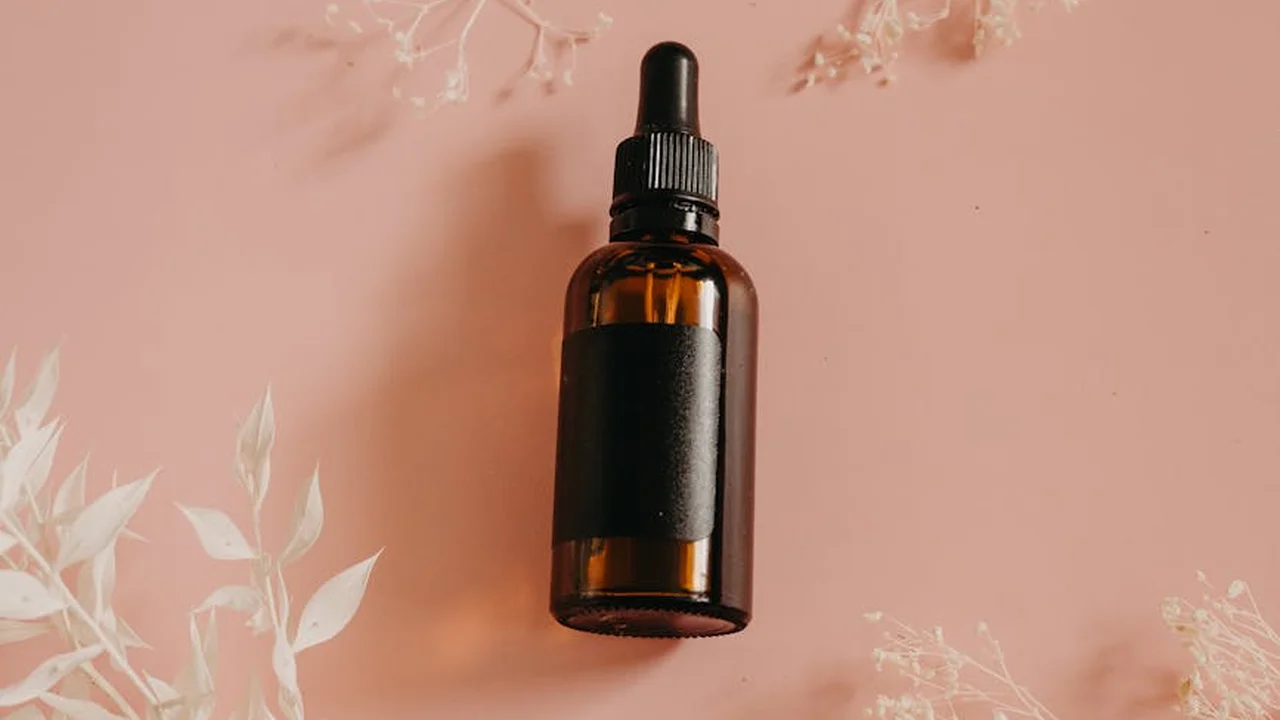
Not all antioxidant oils feel or work the same. I like to group them by their dominant protective compound, because it helps me choose the right one for my skin’s mood that day.
Always start with a simple test. Apply a few drops to your inner arm and wait a few minutes. Your skin will tell you if it’s a match.
Oils Rich in Stabilizing Vitamin E
These oils are like reliable friends. They’re often lightweight and work to stabilize other ingredients while defending your skin. They can be especially beneficial for oily and combination skin.
Argan oil has a soft, nutty scent and a silky, mid-weight texture that absorbs beautifully. It’s a classic for all skin types, especially normal to dry. I love adding three drops to my damp palms and pressing it into my face after a hyaluronic acid serum. Its benefits in facial skincare come from its key properties—deep hydration and nourishing fatty acids, along with vitamin E antioxidants. Understanding these properties helps explain why argan oil is a staple in many skincare routines.
Sunflower oil is almost odorless and wonderfully light. It’s a superb, affordable choice for oily or sensitive skin. A trick from my shelf: after your vitamin C serum, pat one single drop of high-linoleic sunflower oil overtop to seal it in without a heavy feel.
Jojoba oil is actually a liquid wax ester, which makes it incredibly similar to our skin’s own sebum. It feels clean and is brilliant for balancing both dry and oily complexions. Try mixing two drops with your gel cleanser for a gentle, nourishing double cleanse.
Oils Brimming with Soothing Polyphenols
These are the vibrant, potent defenders. They often have intense colors and are packed with compounds that calm irritation.
Always dilute these potent oils in a simple carrier oil like jojoba or sunflower before applying them to your face. A good starting point is adding just 1-2 drops of the polyphenol-rich oil to a teaspoon of your carrier.
Sea buckthorn oil is a force of nature. Its pulp oil is a shocking deep orange-red, rich in omega-7s. It feels nourishing and has a distinct, tart, musky scent. I add one single drop to my night cream when my skin feels particularly stressed.
Pomegranate seed oil has a deep red hue and a silky, slightly dry texture. Its scent is faintly fruity and earthy. It’s lovely for mature skin. Blend one drop with half a teaspoon of argan oil and smooth it over fine lines.
Green tea seed oil is a pale green treasure with a fresh, grassy whisper of a scent. It’s lightweight and incredibly soothing. Mix two drops into your daily moisturizer for a calming antioxidant boost perfect for daytime.
Oils Colored with Protective Carotenoids
These oils get their warm colors from nature’s own pigments, which are fantastic for skin renewal. They often have earthy, grounding scents.
Their orange or red hues can give your skin a temporary, healthy-looking glow, but they may also lightly stain pale skin if used undiluted. This washes off easily. I prefer using them in my evening routine.
Rosehip seed oil is a golden-orange oil with a dry texture and an earthy, vegetative scent. It’s famous for supporting skin tone and texture. I use three drops patted straight onto damp skin at night, letting its reputation for revival work while I sleep.
Carrot seed oil (a carrier oil, not the essential oil) is a deep amber with a thick, luxurious feel and a warm, root-like, herbaceous aroma. It’s deeply nourishing for dry skin. Try one drop blended into your body lotion for extra glow on shoulders and décolletage.
Buriti oil is a stunning rust-red oil from the Amazon. It’s rich and creamy with a smoky, earthy scent. This is a powerhouse for very dry or weathered skin. A tiny drop, the size of a pinhead, warmed between your fingers is enough to press over any particularly dry patches.
Should I Eat Antioxidants or Apply Them? How Oils Deliver a Direct Boost
This is a wonderful question I get often. My answer is always the same: do both. They work as a team from different directions.
Eating a diet full of colorful fruits, vegetables, and healthy fats builds a strong foundation for your skin’s health from the inside out. Think of it as the long-term, whole-body support system.
Topical application is your direct, daily defense strategy. Applying antioxidant oils creates a concentrated, localized shield right on the surface where pollution, UV rays, and other environmental stressors make first contact. It’s immediate support for your skin’s own defenses.
Here’s how I picture it. Eating your greens is like fortifying your house’s foundations and framing. It’s essential for long-term strength. Applying antioxidant oils is like adding a fresh, protective coat of paint to the exterior. It handles the daily weather, repels grime, and keeps the siding looking its best. You need both a solid structure and a good exterior finish for a home that lasts.
My Practical Guide to Using Antioxidant Oils for Calm, Hydrated Skin
If your skin often feels reactive or looks a bit flushed, antioxidant oils can be a gentle game-changer. They work by calming the inflammatory signals that cause redness and sensitivity, like a quiet conversation instead of a shout.
Think of your skin’s barrier as a brick wall. Over time, environmental stress knocks out a few bricks, letting moisture escape. Certain oils deliver both the lipids (the “mortar”) and antioxidants to patch those holes. This helps your skin better hold onto its own hydration.
A simple routine makes this easy. Here is a 3-step evening practice I use when my skin needs comfort.
- Cleanse gently with a soft, milky wash or plain water.
- While your skin is still slightly damp, press 3-4 drops of an antioxidant oil blend into your face and neck.
- Follow with a light, fragrance-free moisturizer to seal everything in.
This combination of water, oil, and cream helps calm the skin and rebuild its defenses overnight.
A Simple Soothing and Hydrating Serum Blend
You can find this mix in a small blue bottle on my shelf. It’s perfect for evenings when skin feels tight or sensitive.
- 2 teaspoons (10 ml) jojoba oil
- 4 drops sea buckthorn seed oil
- 2 drops carrot seed oil
Combine these in a clean glass dropper bottle. Gently shake it before each use. After cleansing, dispense 3-4 drops into your palm, rub your hands together to warm it, and gently press the oil all over your face and neck.
Always patch test a new blend on the inside of your arm and wait 24 hours to check for any reaction. Sea buckthorn oil has a vibrant orange color, so use it at night or blend it well into your skin.
Can Oils with Antioxidants Really Fight Sun Damage and Wrinkles?
Let me be perfectly clear: a botanical oil is not a replacement for sunscreen. You should always use a dedicated SPF product during the day.
The wrinkles and spots we call “photoaging” come from UV rays. These rays create unstable molecules called free radicals in your skin. Think of it like your skin’s natural antioxidant reserves getting drained by a long, sunny day.
Research on oils like pomegranate and green tea seed is promising. Clinical studies show that applying them consistently can help bolster the skin’s own defense against UV-induced damage. They act as a reserve team, donating electrons to stabilize those free radicals before they harm collagen.
I view a good antioxidant oil as an essential part of my daily sun protection strategy, but never the sole part. I use mine every night to help repair the day’s exposure and every morning under my mineral sunscreen for extra support.
How to Mix, Store, and Use Your Antioxidant Oils Safely
Creating a Protective Synergy
You do not need to pick just one oil. I often combine them on my shelf for a broader shield. Think of it like building a team. A Vitamin E-rich oil like argan is a brilliant stabilizer. Pair it with a polyphenol powerhouse like sea buckthorn, and you cover more bases.
Mixing oils with different antioxidant profiles can create a more comprehensive defense against daily stressors. My favorite evening blend is a few drops of rosehip seed oil with a single drop of sea buckthorn in a little jojoba. It feels like a healing blanket for my skin.
Storing Your Oils to Keep Them Potent
Antioxidants fight oxidation in your skin, but they can oxidize in the bottle if you are not careful. Light, heat, and air are their main enemies. I keep all my precious oils in a cool, dark kitchen cupboard.
Always store your botanical oils in dark amber or cobalt glass bottles, away from direct sunlight and heat sources like windowsills. Most unrefined oils have a shelf life of 6 to 12 months. Give them a quick sniff before use; if it smells off or rancid, it is time to let it go.
Using Oils Safely on Your Skin
More is not better with potent oils. Always dilute strong essential oils and even some potent carrier oils like sea buckthorn. For facial use, a 1% to 2% dilution is a perfect, gentle starting point. That is about 1 to 2 drops of essential oil per teaspoon of carrier oil. Understanding proper dilution ratios is essential for hair and skin care. It also helps you choose which carrier oils to use when mixing them.
Before using any new oil blend, perform a patch test on your inner arm and wait 24 hours to check for any reaction. Remember, citrus essential oils (like lemon, bergamot, or sweet orange) can cause photosensitivity. Avoid sun exposure on skin where you have used them for at least 12 hours.
Recommended Products to Look For
Your Daily Antioxidant Serum
When shopping, your first stop should be the serum aisle. Look for a lightweight facial serum where antioxidant-rich oils are listed high in the ingredients.
A good facial serum will feature oils like pomegranate, rosehip, or tamanu near the top of its list, often blended with soothing aloe or hydrating hyaluronic acid. The texture should sink in quickly, leaving no heavy residue. This is your daily workhorse layer.
A Nourishing Night Treatment
Nighttime is for repair. This is where you can use a slightly richer blend. I look for a night balm or an oil blend that is meant to be the last step in my routine.
A nourishing night balm will often combine a mix of oils, such as argan for vitamin E, seabuckthorn for repair, and maybe some calming blue tansy. It should feel comforting, not greasy, and help you wake up with a calm, supple complexion.
A Lightweight Daily Facial Oil
For those who prefer an oil over a serum, seek out a dedicated facial oil formulated for daytime. The key here is a dry, fast-absorbing texture.
Your ideal daily facial oil layers beautifully under sunscreen without pilling; look for blends with raspberry seed, marula, or squalane. These oils provide antioxidant benefits while mimicking your skin’s natural lipids. A few drops pressed into damp skin is all you need. When incorporating facial oils into your Korean skincare routine, consider how they layer with toners, essences, and emulsions for optimal compatibility. Done right, this approach can improve absorption and maintain a smooth finish.
Reading the Ingredients List
Turn the bottle around. The best products let the oils do the talking. I am drawn to short, clean lists where I can recognize every ingredient.
Prioritize products with minimal ingredient lists that clearly feature these powerhouse botanical oils as the stars of the formula. Avoid long lists filled with synthetic fillers or fragrances that can irritate the skin and undermine the beautiful, simple work of the antioxidants.
Your Questions, Answered
How does the topical application of antioxidant-rich oils compare to dietary intake for skin health benefits?
Think of them as a perfect team. Dietary antioxidants build your skin’s foundational health from within, while topical oils deliver a concentrated, direct shield right where environmental stressors first make contact with your skin.
What role do antioxidants play in reducing inflammation and soothing irritated skin?
They help calm the cellular signals that trigger redness and sensitivity. By neutralizing the free radicals that can spark inflammation, these oils support a more balanced, comfortable, and resilient complexion.
What is the evidence from clinical studies on the effectiveness of botanical oil antioxidants against photoaging?
Studies on oils like pomegranate and sea buckthorn show they can bolster skin’s defense against UV-induced free radicals and support collagen. This evidence confirms their valuable role as a supporting player in a comprehensive sun protection strategy.
Are there synergistic effects when combining different antioxidant-rich oils in a skincare formulation?
Absolutely. Combining oils with different antioxidant profiles, like vitamin E with polyphenols, creates a broader, more comprehensive defense network. This synergy can protect your skin against a wider range of daily stressors.
What are the best practices for formulating and storing antioxidant oils to preserve their potency?
Always store them in dark glass bottles in a cool, dark place to protect them from light and heat, their main enemies. For formulations, start with simple blends and use them within their shelf life to ensure you receive their full protective benefits.
A Personal Apothecary Note on Lasting Radiance
Making a simple, consistent ritual with oils like raspberry seed or tamanu is your most powerful tool against daily wear. I always keep a bottle blended with a few antioxidant stars on my bathroom shelf, and that steady care is what truly helps skin feel fortified.
I welcome you to follow along here at Botanical Oils as we explore more ways to use these plants for body, hair, and home. Trust your hands and your instincts-you are perfectly capable of creating routines that bring you real wellness.
Noemi Kamińska
Noemi is an accomplished wellness researcher, nutrition care guide and body care expert. She has years of experience in formulating various oil combinations for full body wellness including face, hair, body care, essential oils and cooking oils. She works as a bio-formulator working with oil chemistry and analyzing the best formulations when it comes to your needs. Feel free to reach out to get your oil needs sorted.