Are Essential Oils Regulated? Your Guide to FDA, GRAS, and Quality
If you’ve ever felt unsure about the rules for essential oils, I get it. From my apothecary shelf to yours, I can explain the simple truths about how these oils are overseen.
I will show you exactly how to navigate the standards for safety and purity.
- The FDA’s specific role with essential oils
- What GRAS status does and does not guarantee
- How to spot trustworthy quality for yourself
Key Takeaways: What You Need to Know First
Let’s get the biggest point out of the way. The U.S. Food and Drug Administration (FDA) does not approve or certify essential oils for your wellness or aromatherapy routines before they hit the shelf. This fact often surprises people, but it’s the cornerstone of understanding this landscape.
Most regulation focuses on the words on the bottle, not what’s inside it. If a company claims an oil can “cure” a disease like eczema or arthritis, the FDA can step in because that’s considered an unapproved drug claim. The rules are about marketing language, not mandatory testing for purity, contamination, or correct botanical species.
This means the responsibility for finding a good oil lands squarely with you. It feels like a lot, I know. I remember feeling overwhelmed when I first learned this. But it also empowers you to ask better questions and seek out brands that do the extra work voluntarily. Your best protection is your own knowledge about what makes a quality oil.
Quick Snapshot: Regulation vs. Quality Standards
This table breaks down the difference between official rules and the standards reputable companies choose to follow. Think of it like the difference between the law requiring your car to have seatbelts (regulation) and a manufacturer deciding to include a premium sound system and leather seats (quality standards).
| Category | What It Oversees | What It Doesn’t Oversee |
|---|---|---|
| Regulatory Bodies (e.g., FDA) | Labeling and marketing claims (e.g., stopping “treats cancer” claims). GRAS (Generally Recognized as Safe) status for some oils as food flavorings. Facility sanitation for manufacturers. | Purity testing for aromatherapy. Safety for topical use at common dilutions. Ensuring the lavender oil is truly from *Lavandula angustifolia*. Product efficacy. |
| Industry & Quality Standards | Self-imposed practices like GC/MS testing to verify chemistry. Sourcing audits for sustainable harvesting. Providing batch-specific test reports to customers. | These are not laws. A company can choose not to do any of this and still legally sell a bottle labeled “Pure Peppermint Oil.” |
That bottom row is where your trust gets built. A quality standard is a promise a company makes to itself and to you. When I look for a new oil to add to my shelf, I am looking for evidence of those self-imposed standards in the form of clear information.
What Does the FDA Actually Say About Essential Oils?
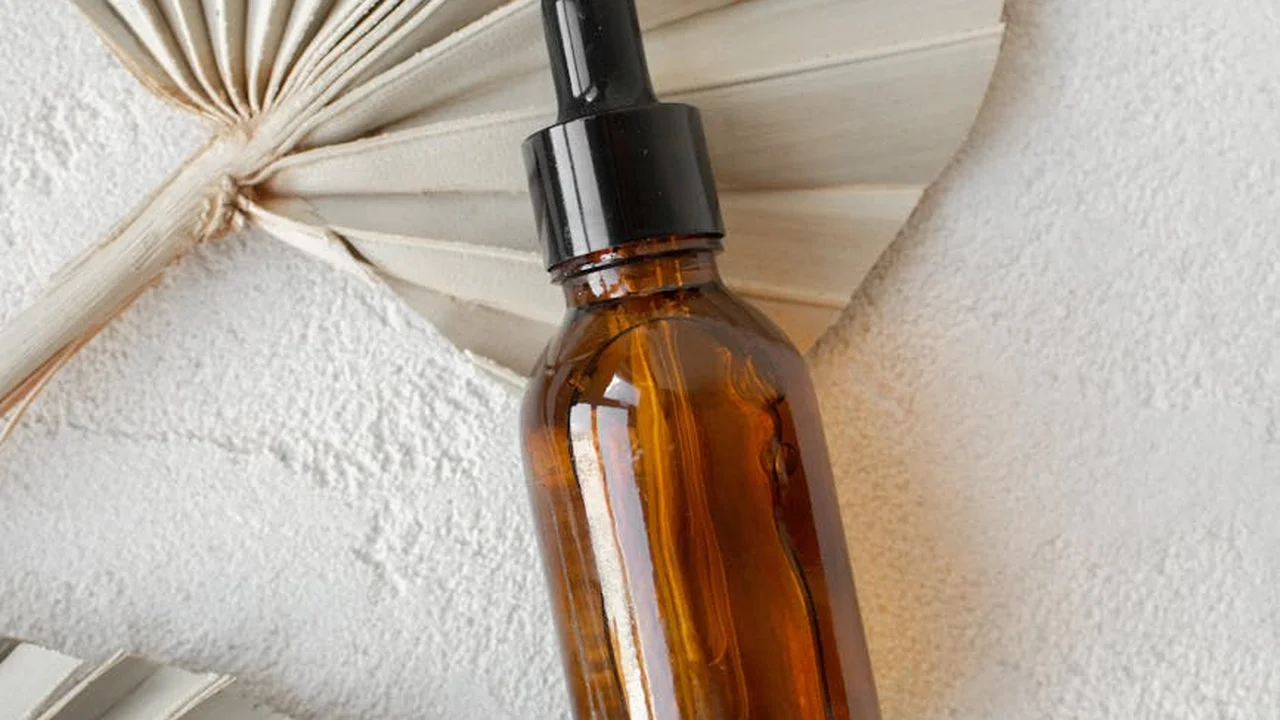
The FDA does not approve or certify essential oils as products.
Instead, they regulate based on how a company says you should use the oil. This intended use places the oil into a category.
If a bottle claims it will moisturize skin or perfume the body, it’s a cosmetic. If the label says it supports immunity when ingested, it’s marketed as a dietary supplement. If it claims to treat or cure a disease, it’s a drug.
The FDA has issued a “Consumer Advisory” on essential oils. It’s a gentle, official reminder to be cautious. The advisory notes reports of bad reactions, especially in children. When using oils for little ones, it’s crucial to know which essential oils are safe for babies and infants.
This advisory is why I keep my oils on a high shelf and always talk about dilution for skin use. It’s not meant to scare you, but to remind you that these are potent botanical extracts, not casual supplements.
A critical point in that advisory states that essential oils are not approved or notified as dietary ingredients.
This is the core of the ingestion debate. An oil being derived from a plant we eat (like lemon or peppermint) does not mean the concentrated oil is safe to consume in drops. Internal use is a complex area that requires specific, professional guidance.
The “GRAS” Designation: A Common Source of Confusion
“GRAS” stands for “Generally Recognized As Safe.” It sounds like a blanket safety stamp, but it’s not.
This status applies only when specific substances are used as food flavorings in minute amounts. The peppermint oil in your candy cane is GRAS. The peppermint oil in your bottle is a different story.
The FDA’s official GRAS list is surprisingly short and relates to food manufacturing, not to your personal aromatherapy or skincare practice. You can find it in the FDA’s Code of Federal Regulations or as a PDF on their website, but its utility for our purposes is limited.
An oil having GRAS status for flavoring does not automatically make it safe for you to apply undiluted to your skin or to ingest from the bottle.
How the Industry Defines Quality (Since the FDA Mostly Doesn’t)
Because broad FDA rules are minimal, reputable essential oil companies practice rigorous self-regulation.
They invest in deep, scientific testing to prove what’s in every bottle. This is where your trust gets built.
The gold standard test is GC-MS, or Gas Chromatography-Mass Spectrometry. Think of it as a molecular fingerprint.
This test doesn’t just confirm it’s lavender oil; it reveals the exact percentages of linalool, linalyl acetate, and every other compound inside, proving its purity and botanical authenticity. I look for companies that provide these batch-specific reports, especially when you’re trying to identify high-quality botanical oils and spot issues like mold or cloudiness.
Beyond the chemistry, true quality is defined by clear, transparent sourcing details you should expect to see:
- The exact botanical name (e.g., Lavandula angustifolia, not just “lavender”)
- The country of origin (French lavender differs from Bulgarian)
- The part of the plant used (leaf, peel, bark, flower)
- The extraction method (steam distillation, cold expression)
Reading Between the Lines on Labels and Certifications
Label claims can be tricky. Let’s decode a few common ones.
“100% Pure” has no legal definition for essential oils, but it’s a baseline expectation. “Therapeutic Grade” is a marketing term, not an official certification. Any company can use it.
“Organic,” however, carries legal weight when paired with a certification seal. A USDA Organic seal means a third-party verified the farming and handling practices against a strict federal standard.
Third-party certifications, like USDA Organic or Ecocert, are valuable because they involve an outside auditor, not just the company’s own word.
The single most telling sign of a quality-focused brand is the availability of batch-specific test results.
Look for a batch number on your bottle. The best companies let you look up the GC-MS report for that exact batch on their website. This move from vague promise to specific proof is everything.
Common Mistakes and How to Avoid Them
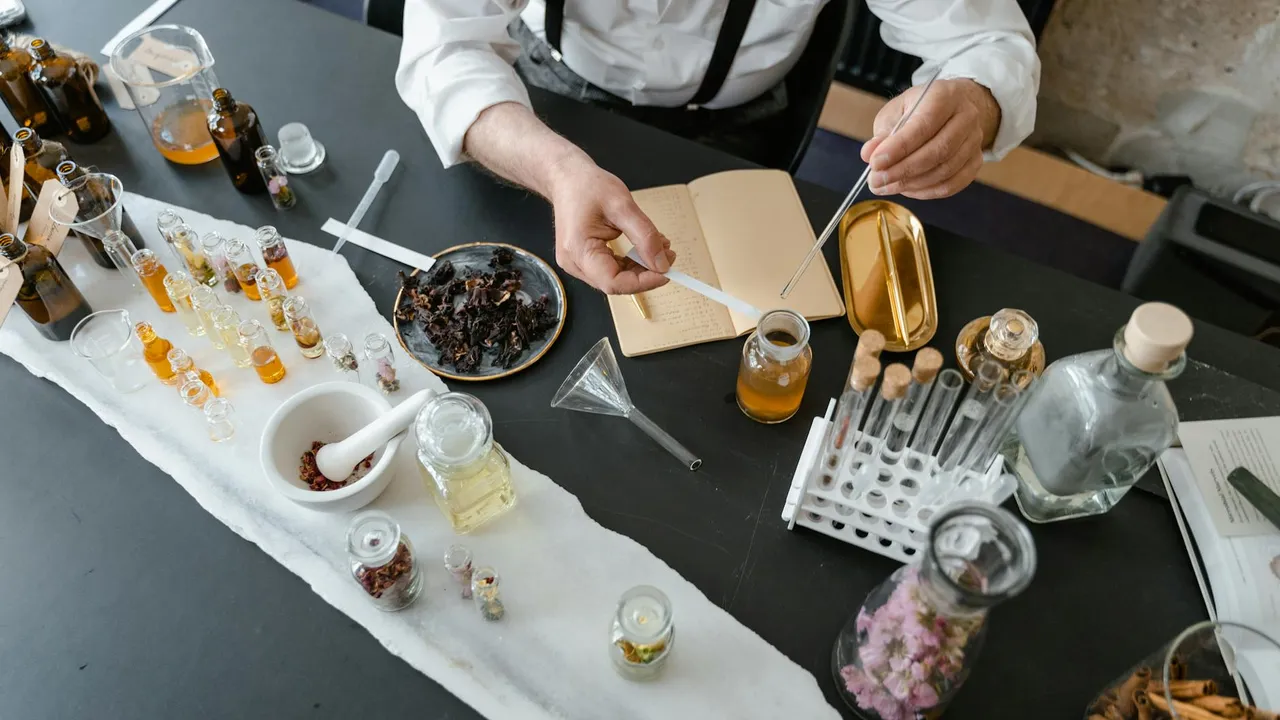
Let’s talk about the bumps in the road. I’ve hit a few myself over the years. Seeing these common mix-ups can save you time, money, and ensure you’re using oils safely in your home.
Mistake: Assuming “Natural” Means “Safe for Skin”
I get it. The word “natural” feels gentle. But undiluted essential oils are potent plant compounds. Think of them like a concentrated spice-a little goes a very long way, and applying it straight can cause serious irritation. I learned this early on with a single drop of peppermint. That cooling sensation quickly turned into a hot, uncomfortable reminder.
Always pair your essential oils with a carrier oil like jojoba or sweet almond for body and skin applications. This dilution makes them safe and effective.
Mistake: Trusting a Brand’s Seal Over Real Proof
Many bottles have beautiful stamps claiming “Therapeutic Grade” or “Certified Pure.” These are marketing terms created by companies, not official government standards. A fancy seal is not a guarantee of purity; verifiable test results are.
Look beyond the label. A trustworthy company should be able to provide a GC-MS (Gas Chromatography-Mass Spectrometry) report for the specific batch of oil you bought. This document is the oil’s scientific fingerprint, showing exactly what’s in it. This transparency helps verify authenticity and quality in branded olive oils. It helps ensure you’re getting pure, unadulterated extra virgin oil.
Mistake: Believing Drug-like Marketing Claims
If a label says an oil “treats migraines” or “cures eczema,” that’s a red flag. The FDA regulates drug claims, and oils are not approved drugs. Focus on the general wellness and sensory experiences quality oils can support: relaxation, a uplifting scent, or soothing skin when properly diluted. Some readers are curious which natural oils are discussed for eczema symptoms. We’ll touch on skin-safe options and proper dilution in the next steps, framing them as supportive care rather than cures.
I use oils to create a calming atmosphere before bed or to make a lovely, skin-nourishing body oil. That’s where their true, reliable power lies. Even if it’s not the best essential oil for stress relief or sleep, it still serves a lovely purpose.
Your Practical Checklist for Choosing Trustworthy Oils
Here’s my simple, hands-on guide for picking oils you can feel good about. I use this same list when restocking my own apothecary shelf, especially when selecting healthiest cooking oils for everyday use.
- Ask for the GC-MS report. Prioritize companies that offer batch-specific reports, either on their website or upon request. This is your best proof of purity and composition.
- Check the botanical name. The label should list the Latin name (like Lavandula angustifolia). For oils like Thyme or Rosemary, look for the chemotype (e.g., Thyme ct. linalool), which tells you its milder, dominant chemical profile.
- Choose dark glass bottles. Amber or cobalt blue glass protects the delicate oils from UV light, which breaks them down and causes them to spoil faster. Clear plastic or glass is a sign of poor shelf-life understanding.
- Engage your nose. A pure oil smells complex and multi-layered, not flat, harsh, or like a simple artificial perfume. Open a bottle of real rose otto or vetiver-the scent unfolds and changes, telling a story.
- Respect the price. High-quality distillation and ethical sourcing cost money. If a price seems too good to be true, the oil is likely adulterated (cut with synthetic chemicals or cheaper oils).
Blending Safety with Your Lifestyle
This is where all that talk of standards becomes practical for your daily life. Knowing you have a pure, properly identified oil is the foundation for safe use on your body, in your hair, and around your home.
Using a verified oil means you can calculate dilutions accurately, which is the cornerstone of topical safety. My go-to starting point for facial care is a 1% dilution. That’s about 5-6 drops of essential oil per ounce (30 mL) of a carrier oil like jojoba. Proper dilution is especially important when applying oils to sensitive skin or hair.
For home diffusion, quality matters too. Pure oils disperse a true aroma and don’t leave a sticky residue in your diffuser. They also ensure you’re not filling your air with unknown synthetic compounds. Wondering which essential oils are best, safest, and right to put in an aromatherapy diffuser? Choosing high-quality, properly diluted oils supports both scent and safety. Start with short diffusion periods, like 30 minutes, to see how you and everyone in your home responds.
Your Questions, Plant-Straight Answers
Is an oil with GRAS status safe for me to use on my skin or ingest?
Not necessarily. GRAS status is for trace amounts in food manufacturing, not for undiluted personal use. Your safety depends on proper dilution, usage method, and the specific oil’s chemistry.
Where can I find the official FDA GRAS list for essential oils, and is it useful for choosing my oils?
You can find it in the FDA’s Code of Federal Regulations or as a PDF on their site, but it’s designed for industry, not consumers. For your needs, a brand’s transparency and GC/MS reports are far more practical guides to quality.
If GRAS isn’t a personal safety guide, how do I know which oils are truly safe for my wellness routines?
Look beyond any GRAS reference to the brand’s own proof. Your best markers are a clear botanical name, stated dilution guidelines, and, most importantly, available batch-specific test reports that verify purity.
Cultivating Confidence in Your Botanical Practice
Your safest path forward is to prioritize oils from transparent suppliers who value quality testing above all. In my own home lab, I regularly test essential oil purity and authenticity to verify what ends up in my collection. I rely on this practice myself, ensuring every bottle in my home apothecary meets a high standard for purity and sourcing.
I share ongoing insights and personal recipes for body, hair, and home care right here. Trust both the guidance you find and your own instincts as you explore these potent tools for wellness.
Noemi Kamińska
Noemi is an accomplished wellness researcher, nutrition care guide and body care expert. She has years of experience in formulating various oil combinations for full body wellness including face, hair, body care, essential oils and cooking oils. She works as a bio-formulator working with oil chemistry and analyzing the best formulations when it comes to your needs. Feel free to reach out to get your oil needs sorted.