
Can Coconut Oil Soothe Sunburn and Improve Your Skincare Routine?
That hot, tender feeling after a sunburn makes you search for real relief. I keep a jar of virgin coconut oil on my apothecary shelf specifically for moments like this, and it’s my go-to for gentle, initial comfort.
I’ll share my practical experience on using coconut oil to calm sunburn and seamlessly upgrade your daily skin care.
- How coconut oil interacts with sunburned skin
- My preferred method for safe, soothing application
- Simple ways to add coconut oil to your morning and evening rituals
- Important tips to ensure it works for your skin type
What Exactly Is Coconut Oil, and Which Type Should You Choose?
Picture the white, solid flesh inside a coconut. Coconut oil is the fat extracted from that “meat.” At room temperature, it’s a soft, creamy solid. Scoop a little onto your finger, and it melts from your body heat into a silky liquid. That instant transformation is part of its magic.
Not all coconut oils are the same. The difference lies in how they are processed. Refined coconut oil is often bleached and deodorized. It has a neutral scent and a higher smoke point, which is great for frying. Unrefined oil, often called virgin or cold-pressed, is made by pressing fresh coconut meat without high heat or chemicals. Many people wonder about the key differences and benefits of virgin vs refined coconut oil for skin, hair, and cooking. Understanding these nuances helps you choose the right oil for each use.
For your skin, especially if it’s sensitive or sunburned, virgin, cold-pressed, unrefined coconut oil is the clear winner. It retains more of the natural compounds and that gentle, tropical aroma I love. It’s the jar I keep on my own apothecary shelf.
Refined vs. Unrefined: A Quick Guide for Your Skin
Let’s compare them side-by-side so you can choose with confidence.
- Processing: Refined uses high heat and chemicals. Unrefined uses pressure, often without heat (cold-pressed).
- Scent & Color: Refined has little to no scent and is bright white. Unrefined smells distinctly of coconuts and may have a slight ivory hue.
- Best Use: I reach for refined oil in my kitchen for sautéing. For my skin, hair, or making a simple balm, I always use unrefined.
My advice? Get in the habit of reading labels. Look for the words “virgin,” “cold-pressed,” or “unrefined” right on the jar.
How Coconut Oil Interacts with Your Skin
Coconut oil is mostly made up of saturated fats. One of these, lauric acid, is a key player. Think of these fats as tiny, soothing molecules.
When you apply it, coconut oil acts as an occlusive. This is a fancy word for a simple, helpful action. It forms a light, protective layer on top of your skin that slows down water loss. For a sunburn, which is essentially damaged, dehydrated skin, this occlusive seal helps lock in precious moisture so healing can happen underneath.
It’s also a wonderful emollient. This means it fills in the tiny cracks between flaking skin cells, creating a smoother, softer surface. The feeling is instantly comforting on tight, parched skin.
Some of its components have antimicrobial properties. This is more relevant for protecting minor scrapes, not for treating the inflammation of a sunburn itself. For that, its moisturizing power is the main event.
Is It Good for Every Skin Type?
For very dry, flaky, or mature skin, coconut oil can feel like a rescue. Its rich, occlusive nature delivers the intense hydration these skin types often crave.
Now, for the honest part. If your skin is oily or prone to acne, I advise caution. Coconut oil is considered comedogenic for many people, which means it can clog pores and lead to breakouts. Some people do use coconut oil as a facial cleanser or moisturizer, though results vary. My own skin leans this way, so I don’t use it on my face. I save it for my elbows, feet, and body.
This is non-negotiable: always do a patch test first. Apply a dab of oil to the inside of your elbow and wait 24 hours. If the area stays calm and happy, it’s likely safe to use on a larger area, like a sunburned shoulder.
Can Coconut Oil Actually Soothe a Sunburn?
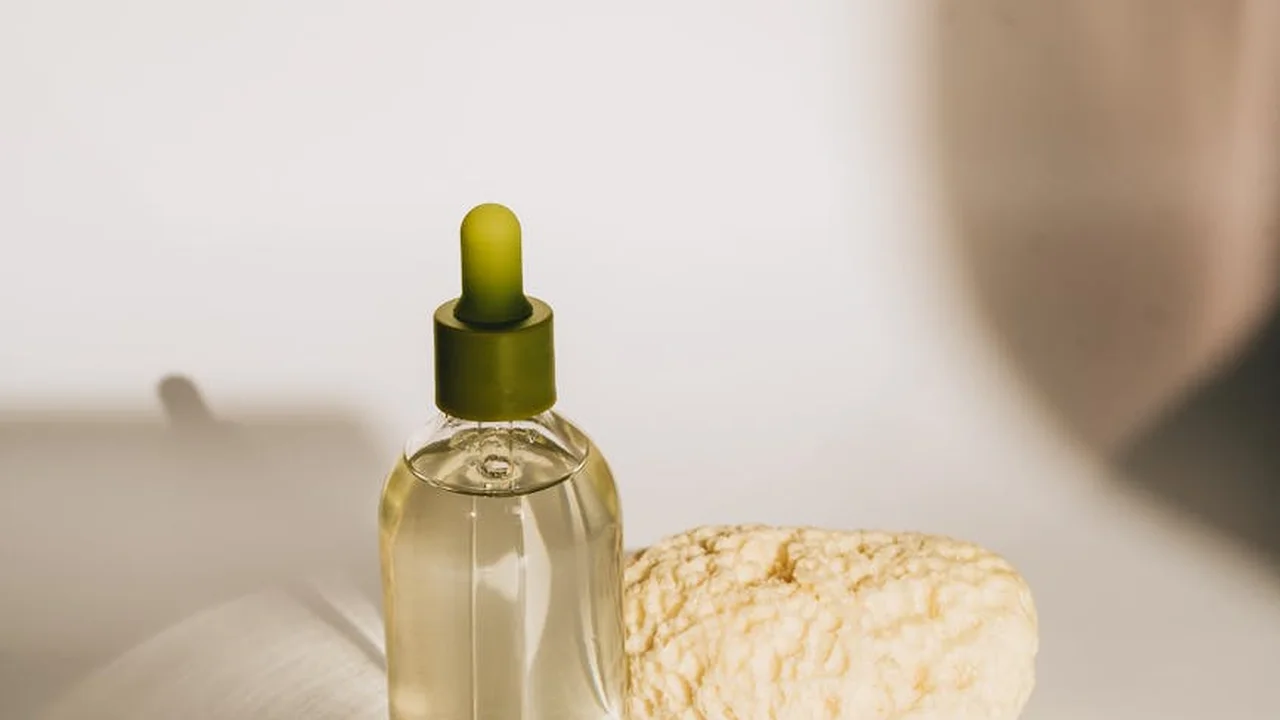
Yes, it can. But timing is absolutely everything.
Think of a fresh, fiery sunburn as a steaming pot of water. Putting a heavy oil on it right away is like slapping a lid on that pot. It traps all that heat and can make the inflammation feel worse. Your skin needs to breathe and cool down first.
The Right Time to Use It: The Healing Phase, Not the Burning Phase
Patience is your best tool here. Wait for the intense, angry phase to pass.
You’ll know it’s time when your skin no longer feels hot to the touch. The bright red flush will have started to fade into more of a pink. This shift means the initial wave of inflammation is calming down.
This is when coconut oil shines. Once peeling begins, its occlusive power creates a gentle barrier. This barrier is perfect for preventing moisture loss from the delicate new skin forming underneath. It keeps that new skin soft and supple, which can ease the tight, itchy feeling.
When You Should Absolutely Avoid It
Some rules are non-negotiable for your skin’s safety.
Do not apply coconut oil to blistered, broken, or oozing skin. It can seal in bacteria. Do not apply it if your skin still radiates its own heat. Let it cool completely.
I also need to be very clear: coconut oil is not a sunscreen. Using it as a “tanning oil” is a surefire way to get a severe burn. It offers only minimal, unreliable SPF protection, around SPF 4-7. Always use a proper, broad-spectrum sunscreen.
What People Are Saying Online (And What to Listen To)
In forums and communities, real experiences paint a consistent picture. The most common advice I see is a cautionary tale about using it too soon, followed by praise for its use on peeling skin.
Many people swear by it for the dry, flaky aftermath. They talk about how a thin layer before bed helps them wake up with less tightness. The recurring wisdom is clear: wait for the heat to leave, then use it for moisture.
One tip that consistently pops up and I agree with is using it for sunburned lips. It’s a small, safe area where its protective, moisturizing effect can work wonders on that specific chapped feeling.
How to Use Coconut Oil on Sunburn Safely and Effectively
When the moment is right, here’s how to do it gently. Keep a jar of organic, virgin coconut oil in your fridge for this. The coolness adds an extra bit of relief.
Step-by-Step: From Cool Compress to Coconut Application
-
Cool the skin first. Apply pure aloe vera gel, use a cloth dampened with cool water, or take a lukewarm bath with colloidal oatmeal. This is the most critical step.
-
Pat the skin gently with a clean towel until it’s just slightly damp. Don’t rub.
-
Scoop a pea-sized amount of solid coconut oil for a small area. Warm it between your clean palms until it melts into a clear liquid.
-
Apply a very thin layer to the cooled, dry-ish skin using the lightest touch. Imagine you’re barely touching a butterfly’s wing.
-
Let it absorb. You only need to reapply if the skin feels tight again or is actively peeling. Less is more.
Soothing Blends for Extra Relief
Once the heat is completely gone, you can enhance your coconut oil. I do this often in my own routine.
Add just one drop of lavender essential oil to a tablespoon of melted coconut oil. Lavender is known for its skin-soothing properties. You could use chamomile instead. Always wait until the heat has subsided, as essential oils can be irritating on freshly damaged skin. Knowing how to mix essential oils with a carrier oil is key for safe, effective body treatments. A quick guide on carriers and dilution will follow in the next steps.
For a simple After-Sun Soothing Balm, try this:
-
Mix 2 tablespoons of coconut oil with 1 tablespoon of pure aloe vera gel in a small jar.
-
Add a single drop of peppermint essential oil for a cooling sensation. A warning: peppermint is potent, so one drop is plenty for this small batch. Stir well.
-
Store it in the fridge. The cool, creamy balm feels incredible on skin that’s past the initial burn but feels parched.
Welcoming Coconut Oil into Your Daily Skincare Ritual
For the times you are not managing a sunburn, coconut oil can be a wonderful multi-tasking staple in your beauty cabinet. I think of it as a reliable pantry hero, ready to handle a variety of simple skin needs with a touch of tropical warmth. It is important to remember that coconut oil is not a substitute for sunscreen when you are exposed to the sun for extended periods.
As a Gentle, Nourishing Makeup Remover
This is one of my favorite uses for the oil jar I keep in my bathroom. Take a tiny dab of solid oil and massage it between your fingers to melt it. Gently work it over your dry face and eyes to dissolve makeup and sunscreen.
Follow with a soft cloth rinsed in warm water to wipe everything away. Your skin will feel clean and softly moisturized, not tight or stripped like some cleansers can leave it.
As a Rich Body Moisturizer
After a shower, I like to apply it while my skin is still damp. This helps seal in that hydration. It feels wonderfully rich on extra-dry spots like elbows, knees, and heels. Using shower oil is especially beneficial for keeping the skin moisturized.
The light, natural scent is a bonus. It can make a simple lotion routine feel like a small, tropical treat.
For Lips, Cuticles, and Dry Patches
For chapped or sunburned lips, it is a perfect, simple salve. I often swipe a little from the jar on my way out the door.
It also works well for soothing rough cuticles or calming dry, flaky patches from conditions like eczema. Only use it on intact, non-cracked skin to avoid irritation.
Who Might Want to Skip Coconut Oil?
Natural ingredients are powerful, and that means they are not a perfect match for everyone. Listening to your skin’s reaction is the most important step.
If You Have Acne-Prone or Very Oily Skin
I recommend proceeding with caution here. Coconut oil is comedogenic for many people, meaning it can clog pores and lead to breakouts.
If your skin is already oily or prone to acne, you might want to choose a lighter oil. Jojoba or grapeseed oil often work better for my clients with this skin type.
If You Have a Coconut Allergy
This is vital. Do not use coconut oil on your skin if you have a known allergy to it.
If you are unsure, always do a patch test first. Apply a small amount to the inside of your elbow and wait 24 hours to check for any redness or itching.
When to See a Doctor Instead
Home remedies have their limits. If a sunburn shows signs of being severe, you need professional medical care.
Seek help immediately for symptoms like fever, chills, confusion, severe blistering over a large area, or pain that feels intense and unmanageable. These are signs of a more serious reaction that requires treatment beyond oils.
Quick Answers
Can I put coconut oil on a fresh, red sunburn?
Please don’t. Applying it while your skin is still hot can trap heat and increase inflammation. Wait until the intense heat and redness subside before using it for moisture.
My face is sunburned. Is coconut oil safe to use there?
Proceed with extra caution, as facial skin is more sensitive and prone to clogging. I recommend a patch test first, and if your skin is oily or acne-prone, a lighter oil like jojoba may be a wiser choice.
I’ve seen people on Reddit say coconut oil helps peeling. Is that true?
Yes, this is where it shines. Once the initial burn phase is over, a thin layer can create a protective barrier that locks in moisture, easing the tight, itchy feeling of peeling skin.
Can coconut oil help sunburned lips?
Absolutely. It’s one of my favorite uses for this purpose. Its emollient nature provides immediate comfort and protection for that delicate, chapped skin.
Should I mix coconut oil with aloe vera?
Yes, this is a wonderful combination for a cooling, healing balm-but only after the skin has cooled completely. Mixing them leverages aloe’s initial soothing power with coconut oil’s lasting moisture.
Embracing Coconut Oil in Your Apothecary
For sunburn, always cool your skin completely before gently smoothing on a little virgin coconut oil. In daily care, this oil works best as a light moisturizer that supports your skin’s own protective barrier. It can also soothe skin after shaving or hair removal. A small amount on clean skin helps calm irritation and redness.
I share more simple, tested ways to use oils for body and home right here on the blog. Trust your own experience as you blend this tropical balm into your routine.
Industry References
- Why You Should Use Coconut Oil For Sunburn Relief – Bubbsi
- Coconut Oil Can Help Heal Sunburned Skin-If You Time It Right | theSkimm
- Coconut oil for sunburn: Does it work?
- Can You Use Coconut Oil on a Sunburn? We Asked Dermatologists
- Does Coconut Oil Help Sunburn? – Truly Beauty
Noemi Kamińska
Noemi is an accomplished wellness researcher, nutrition care guide and body care expert. She has years of experience in formulating various oil combinations for full body wellness including face, hair, body care, essential oils and cooking oils. She works as a bio-formulator working with oil chemistry and analyzing the best formulations when it comes to your needs. Feel free to reach out to get your oil needs sorted.