
Can You Dilute Essential Oils with Water? Why Water Alone Isn’t Effective and What to Use Instead
I’ve been asked this question countless times in my practice, often by someone holding a bottle of lavender and a spray bottle of water. Mixing essential oils with water might seem like a handy shortcut, but it simply won’t create a safe or useful blend.
You need a compatible substance called a carrier to dilute essential oils properly, and I’ll show you exactly what I keep on my shelf for this job.
- Why water and essential oils repel each other
- The best carrier oils and other diluents to use instead
- My simple method for calculating safe dilution ratios
- Practical blending tips for sprays, rollers, and more
Why Water and Essential Oils Don’t Mix (And When They Almost Do)
Essential oils and water are like two magnets with the same pole facing each other. They naturally push apart because of a difference called polarity.
If you try, you will see tiny droplets of oil floating on the surface or clinging to the glass. This visible separation answers the question: no, essential oils do not mix with water.
Boiling essential oils is a practice I always avoid. The intense heat breaks down their delicate properties and can fill your kitchen with overwhelming, potentially irritating fumes. Additionally, flames in the presence of natural oils can be hazardous.
There is one safe, almost-mixing moment. For nasal congestion, I add two drops of peppermint or eucalyptus oil to a bowl of just-steamed water. Leaning over it with a towel tent is my go-to relief.
The Simple Science of Oil and Water
Essential oils are hydrophobic. This simply means they are water-fearing.
Shaking a bottle of oil and water makes a cloudy, bubbly mix. It looks combined, but it is not. Those bubbles will pop and separate completely in less than a minute.
Since they never truly blend, drinking essential oils in water is unsafe and can cause irritation. The oil will contact your mouth and throat in concentrated spots.
When Water Can Play a Role: Sprays and Mists
For a room spray or linen mist, water needs a translator. You need a bridging agent to help the oil and water communicate briefly.
High-proof alcohol or witch hazel acts as this perfect bridge. It grabs hold of the oil molecules first, then that mixture can happily join with water in your spray bottle.
This method is the key to diluting essential oils with water for a spray that works. I keep a small bottle of high-proof vodka on my mixing shelf specifically for this.
What to Use Instead of Water: Your Dilution Toolkit
Forget water. Your new best friend is a carrier substance. This base safely reduces the potency of the essential oil and helps it work effectively.
Your toolkit has three main categories: nurturing Carrier Oils, clear Alcohol for sprays, and flexible bases like witch hazel or unscented lotion.
Required Materials for Safe Dilution
- Dark glass bottles (1 oz for roll-ons, 2-4 oz for sprays).
- A selection of carrier oils (e.g., jojoba, sweet almond, fractionated coconut oil).
- High-proof vodka or perfumer’s alcohol for sprays.
- Witch hazel (alcohol-based).
- A glass dropper or pipette for measuring.
Carrier Oils: Your First and Best Choice for Skin
See carrier oils as nourishing partners. They moisturize your skin while safely delivering the essential oil.
Grapeseed oil is light and fast. Olive oil is rich and lingering. Yes, you can dilute essential oils in coconut oil, but use fractionated coconut oil for a liquid that won’t solidify.
For Your Face and Sensitive Skin
Choose light, non-comedogenic oils. Jojoba and argan oil are my favorites for their gentle similarity to our skin’s own sebum. You can read more about non-comedogenic oils for skincare and moisturizers.
For facial applications, I use an extra-gentle dilution, often just one drop of essential oil per teaspoon of carrier. This protects delicate skin.
For Your Body and Massage
Richer oils like sweet almond or apricot kernel are wonderful here. They have a silky glide that feels luxurious.
In my body oil blends, I sometimes add one drop of rosemary essential oil. It has a way of making the whole aroma bloom warmly on the skin.
Other Dilution Helpers: Alcohol, Witch Hazel, and More
Use alcohol for non-topical creations. It is perfect for room sprays, surface cleaners, or diffuser blends because it evaporates without a trace.
To dilute essential oils in witch hazel for a toner, add 5-8 drops to an ounce of witch hazel in a dark bottle. Shake it like a cocktail before each spritz.
For a simple lotion, stir a few drops of oil into an unscented, oil-based cream. A dab of unscented Castile soap can also be a good base for a hand wash.
How to Dilute Essential Oils for Topical Use
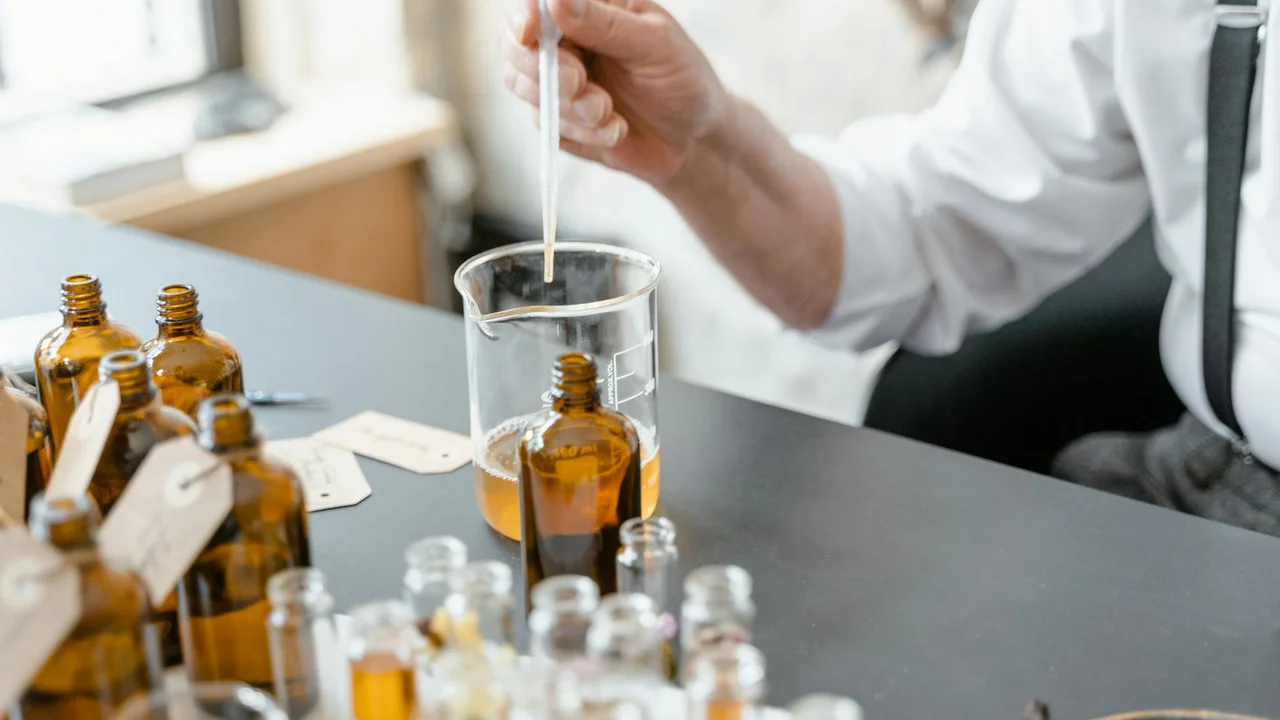
When you want to use oils on your skin or hair, a proper carrier is non-negotiable. Diluting essential oils for skin requires a fatty substance, like a plant oil, to safely disperse the potent essences and prevent irritation. This rule applies whether you’re crafting a body oil, a facial serum, or a scalp treatment.
I keep a row of carrier oils on my shelf-jojoba for its lightness, sweet almond for its gentleness, and a thicker avocado oil for extra-dry spots. Each one brings its own skin-loving benefits to the blend, unlike argan oil, which is often used separately for its rich properties.
Simple Dilution Ratios to Remember
Forget complex math. I think in drops per ounce of carrier oil, which makes blending simple and safe every time.
A 1% dilution, which is perfect for general daily use on the body, means using about 6 drops of essential oil per 1 fluid ounce of carrier oil. If you’re exploring how to mix essential oils with carrier oils for safe, effective body treatments, this is a good starting point. You can adjust from there based on your needs and sensitivity.
| Use Case | Dilution % | Drops per 1 oz Carrier |
| General Body Use | 1% | 6 drops |
| Facial or Sensitive Skin | 0.5% | 3 drops |
| Short-term Spot Treatment | 2% | 12 drops |
For your face or if your skin is reactive, start with that gentler 0.5% ratio. It’s a kind place to begin.
My Go-To Method for Mixing a Small Batch
I make roll-on blends constantly. They’re tidy, portable, and easy to apply. Here’s exactly how I do it.
- Grab a clean 1-ounce glass roller bottle.
- Fill it about three-quarters full with your chosen carrier oil. I often use jojoba because it feels silky and doesn’t go rancid quickly.
- Add your essential oils. For a calming bedtime blend, I add 3 drops of lavender and 3 drops of frankincense.
- Top off the bottle with more carrier oil, leaving a tiny space at the top.
- Snap on the roller ball and cap. Roll the bottle firmly between your palms for 30 seconds to warm and mix everything together.
That gentle warming helps the oils bond, and you’ll get a consistent, effective blend every time. Label it with the date and contents-your future self will thank you.
How to Dilute Essential Oils for Home and Air
For freshening a room or your linens, you can use water, but you need a helper. Essential oils and water separate almost instantly, so a dispersing agent like alcohol is the key to a successful spray. This principle applies to most aromatic home blends.
Creating Room and Linen Sprays
A basic room spray is a staple in my home. The alcohol acts as an emulsifier, holding the oils and water in a temporary suspension so they spray evenly.
My simple recipe: in a 4-ounce spray bottle, combine 2 ounces of distilled water, 2 ounces of witch hazel or vodka, and 15-20 drops of your chosen essential oils. Shake well before each spritz.
For a shower spray, you want the steam to release the aroma, not the spray nozzle. I mix 5 drops of eucalyptus or peppermint oil with a tablespoon of full-fat milk or honey in a small dish, then place it safely on the shower floor away from direct water flow. The steam works its magic.
Filling a Reed Diffuser
Those beautiful reed diffusers need a very thin carrier liquid to travel up the reeds. Water is too thick and won’t work.
I use fractionated coconut oil because it’s odorless and stays liquid. Fill your diffuser vase about halfway with fractionated coconut oil, then add 15-25 drops of essential oil. For better scent throw, I sometimes add a teaspoon of perfumer’s alcohol or vodka and give it a gentle swirl before inserting the reeds.
Flip the reeds after a day to refresh the scent. This method creates a slow, consistent fragrance that water alone could never provide.
Special Considerations: Safety for Skin, Kids, and Pets
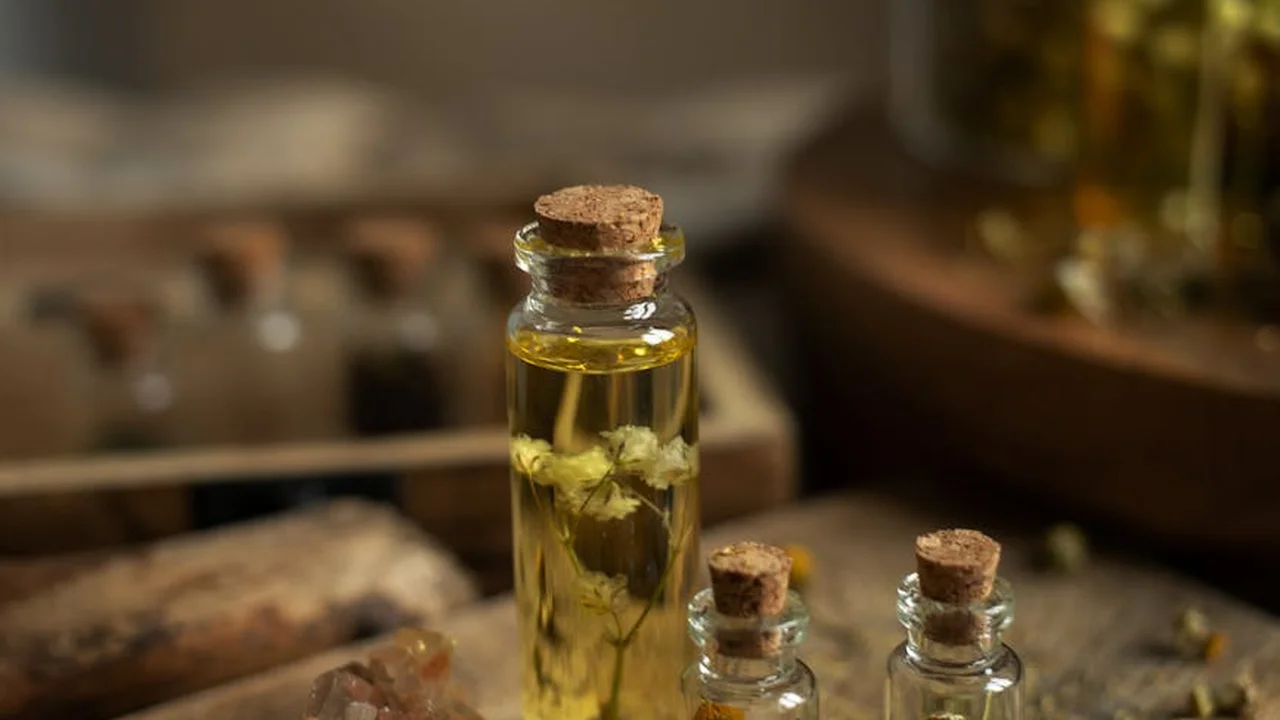
Mixing your oils into a proper carrier is the single best thing you do for safety. Correct dilution prevents skin irritation and allows your body to use the oils effectively. Understanding proper dilution ratios for hair and skin—and how to mix them with carrier oils—lets you tailor blends safely.
Some folks need extra gentleness. This includes children, anyone who is pregnant or nursing, and our animal companions.
I need to say this clearly. Never take essential oils internally unless a qualified clinical aromatherapist or doctor gives you direct, personalized guidance. It’s a big risk with little reward.
Patch Testing: Your Essential First Step
Always test a new blend on a small patch of skin first. It’s easy and gives you peace of mind.
Dilute one drop of your chosen essential oil in a teaspoon of carrier oil. Dab a little of this mix on the inside of your forearm. Cover it with a bandage.
Wait a full 24 hours. Check for any redness, itching, burning, or swelling. If you see or feel any reaction, wash the area and don’t use that blend on your skin. If your skin is happy, your blend is likely good to go.
Adjusting Dilutions for Sensitive Individuals
Little bodies are more sensitive. For children over two years old, I use a very light hand. A 0.25% dilution is a good start. That’s just one drop of essential oil in four teaspoons of carrier oil.
If you are pregnant or nursing, some oils are best avoided. For the ones that are considered safe, a lower dilution is a wise choice. Talking with your care provider is always a good idea. For babies and infants, there are specific guidelines on dilution and age restrictions. Our complete guide on essential oils safety for babies and infants covers dilution, age restrictions, and application methods.
Now, about our pets. This matters a lot. Most essential oils are not safe to use around cats or use on their skin, as their bodies can’t process them. Some oils are also problematic for dogs. When in doubt, keep the oils and diffusers in a separate room from your pets.
What Helped Me: A Note from My Apothecary Shelf
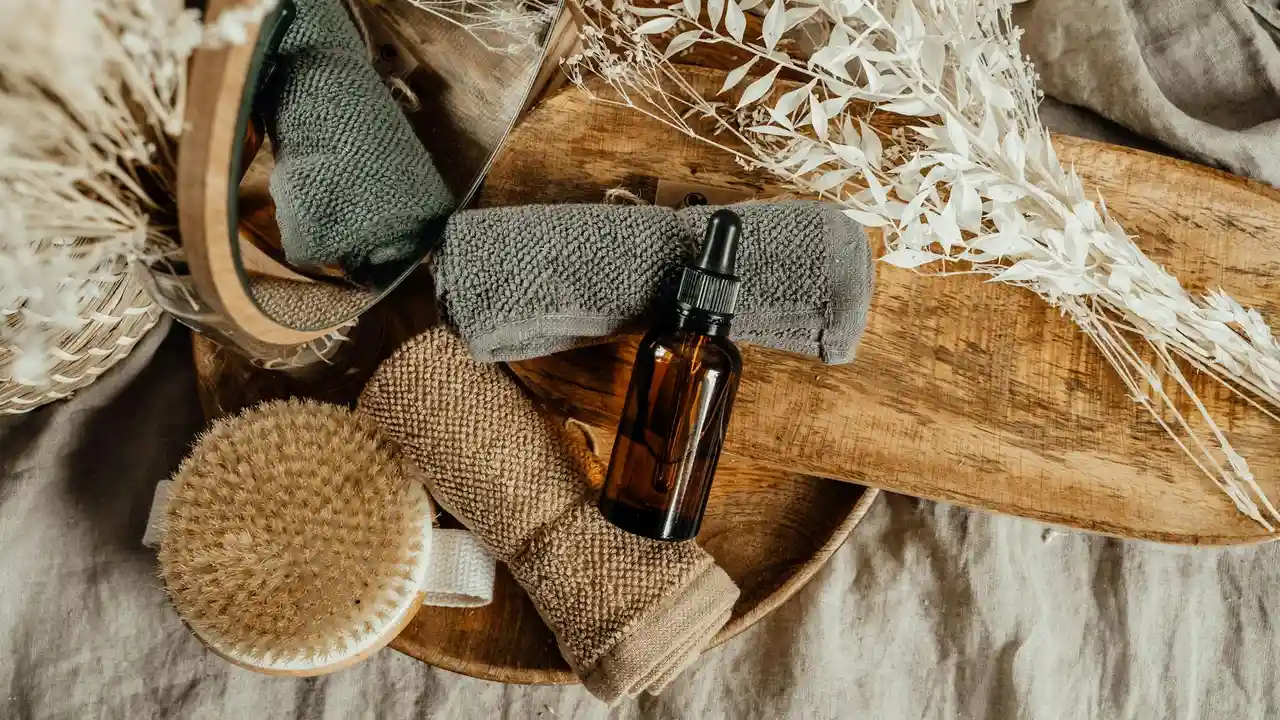
Early on, I wanted a linen spray. I mixed lavender oil with water in a pretty glass bottle. It looked lovely for a minute. Then it just separated, like oil and vinegar in a forgotten salad dressing.
The water and oil wouldn’t stay together. The fix was simple. I learned to add a dispersant, like polysorbate 20 or vegetable glycerin. Just a little bit binds the oil and water into a stable mist. My lavender linen spray finally worked.
Getting dilution right is a simple skill. Once you know it, you can use your oils with confidence.
My most used blend is a comfort roller. I keep it in my bag. It’s two drops of lavender and one drop of frankincense in a 10ml roller bottle, filled the rest of the way with jojoba oil. It’s my go-to for calm moments. It never fails me because the oils are properly held in their carrier.
Common Questions
Can I use witch hazel to dilute essential oils for my skin?
Yes, an alcohol-based witch hazel is an excellent, clarifying base for toners or light body mists. Always shake the bottle well before each use to temporarily combine the ingredients.
Is it ever safe to take essential oils orally with water?
No, diluting essential oils in water for drinking is unsafe and can cause serious irritation. Oral use should only be under the specific guidance of a qualified professional.
What’s the best way to make a shower spray?
For a shower, skip the spray bottle. Instead, mix a few drops of oil with a tablespoon of full-fat milk or honey in a small dish placed safely on the shower floor, letting the steam do the work.
Why shouldn’t I use water in my reed diffuser?
Water is too thick to travel up reed diffuser sticks effectively. Use a thin, odorless carrier like fractionated coconut oil mixed with your essential oils for a consistent, lasting fragrance. That same method works for crafting perfume or cologne, as well as for reed diffusers, room sprays, or diffuser jewelry. Try different essential fragrance oils to tailor the scent to your liking.
How do I dilute oils for a facial serum?
Use a light carrier oil like jojoba or argan and a very gentle dilution of about 0.5% (roughly 3 drops per ounce). This protects your delicate facial skin while delivering the benefits.
Caring for Your Scented Sanctuary
Always partner your essential oils with a proper carrier oil, not water, for any application on skin or around your home. This foundational step ensures safety, maximizes the oil’s benefits, and creates truly effective, nurturing blends for body, hair, and wellness.
I welcome you to explore more of my personal insights and recipes right here on the blog. As you experiment, trust in these time-tested methods and in your own growing intuition-your senses are a powerful guide in crafting a home and routine that feel just right.
Research and Related Sources
- 5 Best Tips To Dilute Your Essential Oil | Volant
- What happens if you dilute essential oils in water? Can this method be used for making fragrant room sprays? – Quora
- How to Mix Essential Oils with Water: A Complete Guide – MAFU
- Proper Essential Oil Dilution Chart & Guide – The Northwest School of Aromatic Medicine
Noemi is an accomplished wellness researcher, nutrition care guide and body care expert. She has years of experience in formulating various oil combinations for full body wellness including face, hair, body care, essential oils and cooking oils. She works as a bio-formulator working with oil chemistry and analyzing the best formulations when it comes to your needs. Feel free to reach out to get your oil needs sorted.