
Should You Bake and Cook with Extra Virgin Olive Oil?
I see that bottle on your counter and understand the hesitation. From my own apothecary and kitchen, I can tell you that using extra virgin olive oil for both baking and cooking is not just possible-it’s a practice I rely on for richer flavors and better wellness.
You can absolutely use extra virgin olive oil in most of your kitchen tasks if you know a few key principles.
- The real story on heat and smoke points
- How its flavor transforms baked goods
- My go-to methods for sautés and roasts
- What I keep in my own pantry for different jobs
Key Takeaways: Your EVOO Cheat Sheet
- Yes, you can absolutely use extra virgin olive oil for both everyday cooking and baking.
- Its smoke point is generally high enough for sautéing, roasting, and baking at home.
- This oil adds a unique, fruity flavor that makes simple foods taste special.
- You also get the wellness benefits from its polyphenols, even when heated gently.
| Quick Snapshot: EVOO in the Kitchen | ||
| Best For | Consider | Think Twice |
| Sautéing, roasting, vinaigrettes | Its fruity, peppery flavor profile | Deep-frying at very high temps |
| Moist cakes, quick breads, rustic bread | A 1:1 swap for butter/oil in many bakes | Recipes needing a totally neutral fat |
What Helped Me: A Spoonful from My Kitchen
I kept my fancy olive oil for salads for years. One day, I ran out of my usual baking fat. I used a robust EVOO from my shelf for a batch of carrot muffins.
The change was immediate. My kitchen filled with a warm, earthy aroma that butter never gave. The muffins baked to a deeper golden brown.
They stayed impossibly moist for days, with a subtle peppery note that made them far more interesting. Now, that green bottle lives on my counter. It goes into everything from roasted potatoes to my favorite citrus olive oil cake, which I always make using the freshest olive oil after understanding how to properly store it to maintain its quality.
Can Extra Virgin Olive Oil Be Used for Cooking? The Smoke Point Story
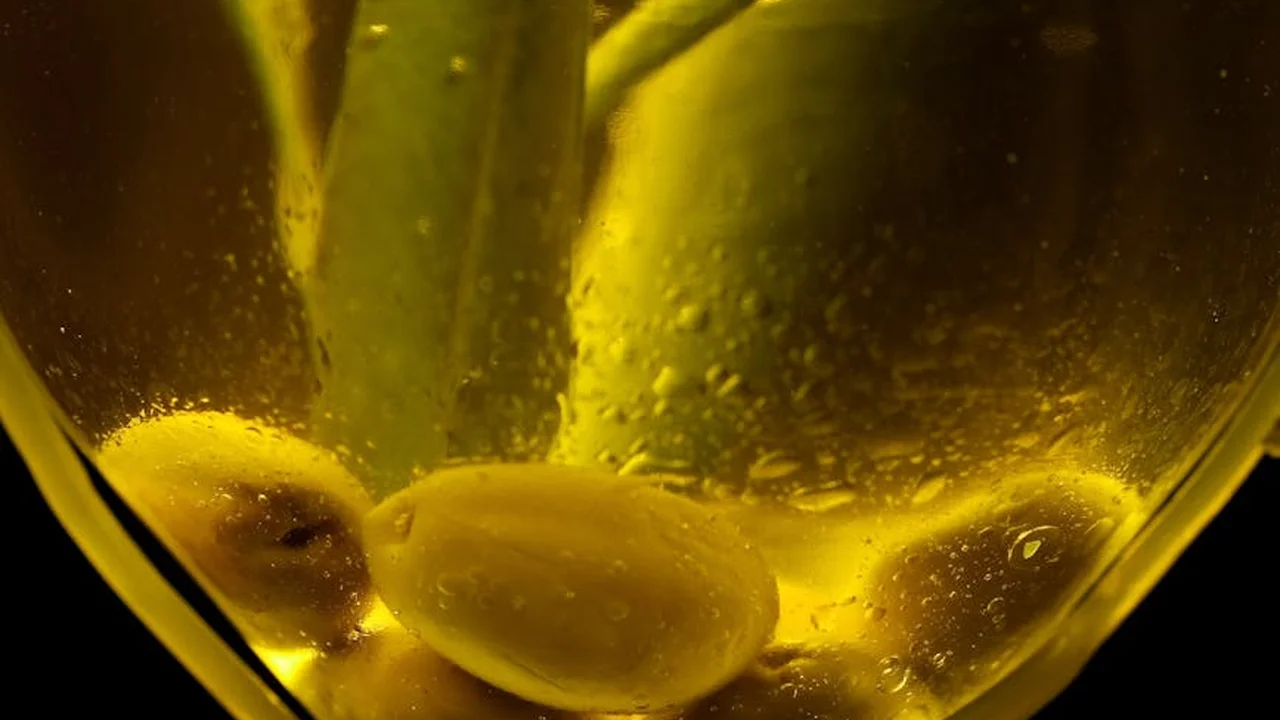
Yes, you can cook with extra virgin olive oil. I use it for most of my stovetop meals.
Smoke point is simply the temperature when oil starts to smoke and break down.
A quality EVOO has a moderate smoke point, around 350 to 410°F. This makes it perfect for most pan-frying, sautéing, and roasting tasks in your kitchen. For high-heat frying, you’ll typically choose oils with higher smoke points—avocado oil, canola oil, refined coconut oil, or ghee.
How to Cook with EVOO Without Fear
Follow these simple tips for confident cooking.
- Use medium heat. This protects the oil’s integrity and flavor.
- Preheat your pan before adding the oil. A warm pan helps control the temperature.
- Listen for a gentle sizzle when food hits the oil. That’s your cue that the heat is just right.
- Trust your nose. If you catch a sharp, burning smell, reduce the heat right away.
Can I Bake with Olive Oil? Transforming Your Sweets & Breads
You can absolutely bake with olive oil. I love the dimension it adds.
EVOO contributes deep moisture and a unique, sophisticated flavor to baked goods. It replaces other fats cup for cup, bringing a fruity complexity you can’t get from butter or refined oils.
Whether you’re considering evoo for baking bread or curious about evoo for baking cookies, it’s a versatile choice.
EVOO for Baking Bread: A Rustic Tradition
Using evoo for baking bread is a timeless practice. The oil enriches the dough, adding a lovely tenderness.
It complements the earthy notes of hearty grains like spelt or rye. I always fold a tablespoon into my focaccia dough for a supple, flavorful crust.
EVOO for Baking Cookies: A Surprising Twist
For cookies, choose a mild, buttery EVOO. Pair it with bold flavors like citrus, dark chocolate, or toasted nuts. For baking or cooking where you want the flavor of the oil to be less pronounced, choose neutral-flavored oils instead.
EVOO creates a delightfully chewier, more cake-like texture in cookies. My kitchen staple is a mild Arbequina EVOO for this very purpose.
Your EVOO Baking Recipes: A Simple Starting Point
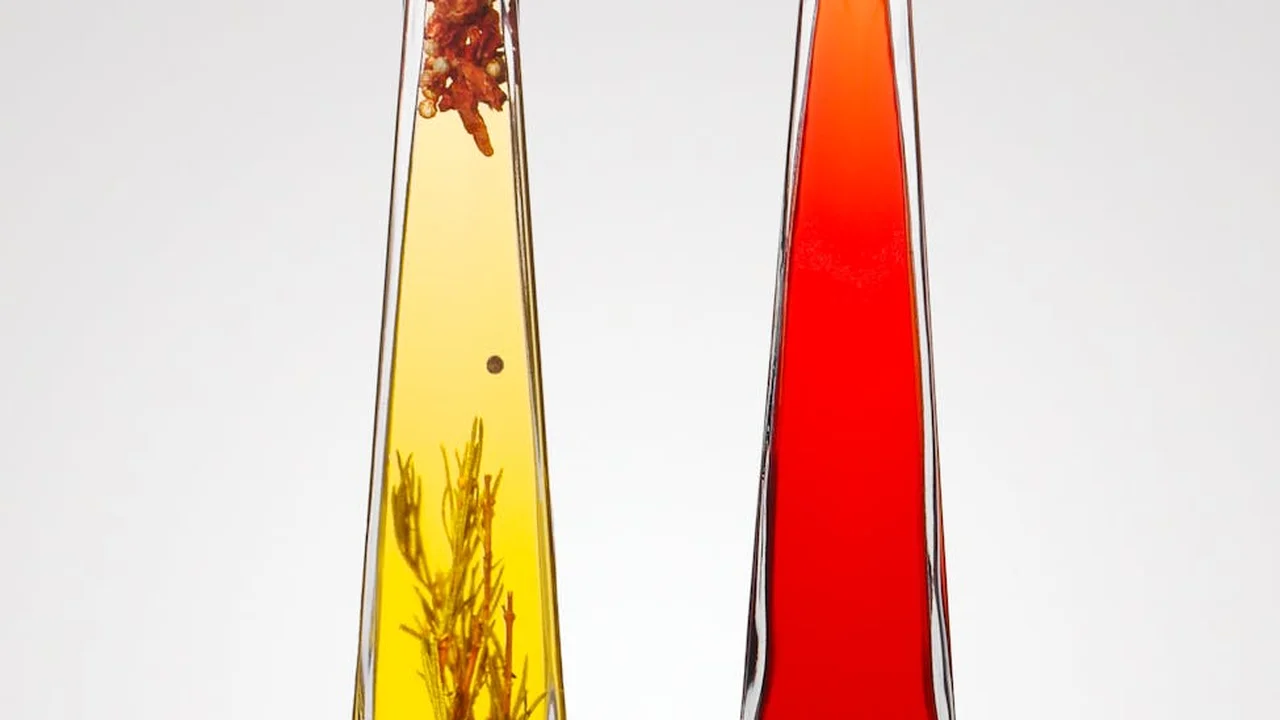
I keep a bottle of fruity, robust extra virgin olive oil on my baking shelf just for these moments. These foundational evoo for baking recipes show how versatile it truly is.
They are simple, forgiving, and let the oil’s character come through.
My Go-To Extra Virgin Olive Oil Cake
This cake is a staple in my kitchen. I whip room-temperature eggs and sugar until the mixture is light, thick, and pale.
Then, I slowly stream in the EVOO while the mixer runs. The key is that steady stream, which helps create a beautifully emulsified, almost mayonnaise-like batter that bakes up supremely moist. That same oil-in-emulsion chemistry is what makes mayo and vinaigrettes come together so smoothly. When oil, acid, and emulsifiers unite, you get a glossy, stable emulsion every time.
Folding in the zest of an orange or lemon fills the air with a sunny, bright scent that promises something good.
One-Bowl Chocolate Chip Cookies with EVOO
This is my favorite simple swap. Instead of creaming butter, I pour EVOO right into the bowl with the sugars.
You often need a touch less sugar since EVOO brings its own fruity richness. The dough will feel softer than butter-based dough, but that’s what gives the baked cookie a tender, yielding bite.
They spread just enough and have a deep, almost caramel-like flavor behind the chocolate.
Savory Baking: A Simple Potato & Herb Galette
For savory baking, EVOO moves from ingredient to star. I use it two ways here.
First, I work chilled EVOO into the flour for the crust. This makes it flaky and tender without the fuss of pastry. Brushing more EVOO over the layered potatoes before baking is the secret to that deep golden, crisp finish.
It smells herby and warm, like a rustic kitchen should.
The Quiet Wellness in Your Pan: Why It’s More Than Just Fat
When you cook with good extra virgin olive oil, you are using more than just a cooking fat. You are using the preserved juice of the fruit, with its polyphenols and antioxidants intact.
Gentle, lower-heat cooking methods like those used in baking and sautéing help protect these delicate compounds from breaking down.
Think of it as choosing the whole fruit over a refined juice. It is not medicine, but it is a consciously healthier choice within a balanced way of eating.
If you have specific digestive considerations, like wondering about olive oil before SIBO, I always suggest a chat with your healthcare provider. Individual tolerance can vary widely, and they can offer guidance tailored to you.
Quick Answers from My Kitchen
Can I swap EVOO for butter or oil in any baking recipe?
Yes, in most recipes you can use a 1:1 substitution for melted butter or other oils. Start with a mild EVOO to let the other flavors shine, and expect a beautifully moist result. Coconut oil is another great 1:1 butter substitute, especially for dairy-free baking and cooking. It can add a light, tropical note while keeping textures moist.
Does EVOO make bread denser?
Actually, no. A tablespoon or two enriches the dough, promoting a tender, supple crumb and a more flavorful crust, especially in rustic loaves and focaccia.
Why do my EVOO cookies have a different texture?
EVOO creates a delightfully chewy, cake-like interior because it’s a liquid fat. For the best result, pair it with bold mix-ins like dark chocolate or citrus zest.
Is EVOO good for savory baking, like galettes or pot pies?
Absolutely. Use chilled EVOO in the crust for flaky tenderness, and brush it over the top before baking for a deep golden, herb-infused finish.
Final Notes from the Kitchen Apothecary
The single best piece of advice I can give you is to trust your senses and your palate. A good, fresh extra virgin olive oil is a remarkably versatile partner, equally at home in a moist cake as it is sizzling in your favorite skillet. My own bottle sits right on the counter, ready for both dinner and dessert.
I hope this gives you the confidence to experiment with it in your own routines. You can also explore how rosehip oil and other botanical face oils fit into a daily skincare routine. Stay tuned for practical tips you can apply every day. For more ways to weave botanical oils into your life for body, skin, hair, and home, I welcome you to follow along right here.
Deep Dive: Further Reading
- Guide to Baking with Olive Oil | The Mediterranean Dish
- Filippo Berio Baking with Olive Oil
- 25 Ways to Bake With Olive Oil Instead of Butter
- My Oil of Choice for Baking and Cooking – Extra Virgin Olive Oil – Bread Beckers
- A Beginner’s Guide to Baking with Olive Oil
- Extra Virgin Olive Oil Even Works in Cake! – Appetito
Noemi is an accomplished wellness researcher, nutrition care guide and body care expert. She has years of experience in formulating various oil combinations for full body wellness including face, hair, body care, essential oils and cooking oils. She works as a bio-formulator working with oil chemistry and analyzing the best formulations when it comes to your needs. Feel free to reach out to get your oil needs sorted.