
Cold-Pressed vs. Refined Oils: Which One is Right for Your Needs?
I see that confusion all the time in my own kitchen and apothecary. Grasping the difference means you can select an oil that truly nourishes your skin, enriches your meals, and supports your well-being.
This article will show you how the extraction process shapes an oil’s character, benefits, and best uses in your daily life.
- What cold-pressing really means for nutrients and scent.
- How refining alters an oil’s color, texture, and stability.
- The practical impact on cooking, skin care, and home blends.
- Simple ways to choose based on your own routine.
Let’s Start With the Basics: How They’re Made
Think of it like juice. Cold-pressed oil is fresh-squeezed orange juice, full of pulp and flavor. Refined oil is like juice from concentrate, clear and uniform.
The way we squeeze the oil from a seed or nut is the core scientific difference. This single step decides everything about the oil in your bottle.
Cold-Pressing: Nature’s Simple Squeeze
This method uses mechanical pressure at low temperatures. It’s a gentle, physical squeeze.
Cold-pressing preserves the oil’s natural nutrients, its rich color, and its true, earthy scent. The oil you get is the oil that was in the plant, nothing added, very little taken away. It’s a key difference from other methods like expeller pressing, which involves heat and can degrade quality.
You might notice these oils are a bit cloudy or have sediment at the bottom. On my shelf, my cold-pressed avocado oil is a deep green and smells faintly of grass and nuts. That sediment is just plant particles, and it’s a sign of minimal processing.
For rubbing on your skin, mixing into a hair serum, or using for wellness, this is the grade you want.
Refining: The Industrial Makeover
Refining is a series of chemical and high-heat processes. It often involves bleaching and deodorizing.
The goal is to strip away color, scent, and impurities to create a neutral, clear oil that lasts a long time on a store shelf. Unfortunately, many of the vibrant nutrients are damaged or removed in this “makeover.”
Watch for words like “pure,” “light,” or just “vegetable oil” on labels-they usually point to a refined product.
A key practical result of all this stripping? A much higher and more consistent smoke point, which we’ll talk about next.
Side-by-Side: A Practical Comparison for Your Cabinet
This table shows how the extraction method you choose directs the oil’s final quality and best job in your home.
| Feature | Cold-Pressed Oil | Refined Oil |
| Nutrition & Compounds | High. Rich in antioxidants, vitamins, and phytonutrients. | Low. Many compounds are removed or damaged. |
| Color & Scent | Vibrant color, robust natural aroma. | Very light color, neutral or no scent. |
| Smoke Point | Lower, varies by oil. Best for low-heat cooking. | Higher and uniform. Made for high-heat frying. |
| Shelf Life | Shorter. Keep it cool and dark. | Longer. Very stable. |
My simple rule? Reach for cold-pressed when you want flavor, fragrance, or skin benefits, and choose refined when you need a workhorse for high-heat frying.
Nutrition and “Vibrancy”
A cold-pressed oil is a live food. It contains antioxidants like tocopherols (vitamin E), vitamins, and various phytonutrients that protect your skin and body.
Refining actively removes these elements to prevent spoilage and standardize the product. What remains is a pure fat-functional but bland.
It’s the difference between a vibrant, grassy green extra virgin olive oil and a pale, slick “light” olive oil that tastes like nothing. That vibrancy isn’t just sensory; it’s a direct measure of the oil’s intact life force and nutritional value.
Heat Tolerance and Smoke Point
The smoke point is the temperature at which an oil starts to burn and smoke, breaking down into unhealthy compounds and tasting bitter. This breakdown happens when heat causes the oil’s triglycerides to decompose, producing off-flavors and potentially harmful compounds. The science behind smoke points explains how and why this breakdown occurs.
Refined oils generally have a higher, more consistent smoke point because the impurities that burn easily have been removed. This makes them reliable for searing or deep-frying. To deepen understanding, a science-based guide on smoke points and choosing oils for different cooking methods ties these ideas to practical kitchen decisions.
Using a delicate, fragrant cold-pressed walnut or pumpkin seed oil for high-heat cooking is a mistake. You’ll waste its beautiful flavor and nutrients, and it might smoke up your kitchen. Save those precious oils for drizzling, dressings, or blending into body care.
Should You Cook With Cold-Pressed Oils?

Yes, you can absolutely use cold-pressed oils for cooking, including Indian cooking, but treat them with a little more care than refined ones.
Their full, complex flavors and delicate nutrients shine brightest without high heat. I reach for them to make vibrant dressings, to drizzle over soups and roasted vegetables, or for a quick, gentle sauté.
For different cuisines, try a robust cold-pressed mustard or sesame oil to finish a dal or curry. A fruity, cold-pressed olive oil is perfect for Mediterranean dishes.
Always keep an eye on the pan. If you see wisps of smoke, the heat is too high and the oil is starting to break down.
What Helped Me: My Kitchen Shelf
On my own shelf, I keep two bottles side by side. A dark bottle of cold-pressed sesame oil adds a nutty, aromatic finish to my stir-fries. Next to it, a bottle of refined avocado oil handles my high-heat roasting without a fuss.
Store your precious cold-pressed oils in a dark cupboard, far from the stove’s heat and light. This simple habit keeps them fresh and potent for much longer.
Choosing Oils for Your Skin and Hair
Is cold-pressed oil better for skin and hair? My answer is a resounding yes.
The very things that make cold-pressed oils special for food-their intact vitamins, antioxidants, and fatty acids-are exactly what your skin and hair crave. For topical use, you want every bit of that natural goodness.
When you choose a cold pressed oil for skin or a cold pressed oil for hair, you are feeding your body with a richer, more complete botanical ingredient, similar to how Herbivore Botanicals uses cold-pressed oils in their formulations.
For a Glowing Complexion
Match the oil to your skin’s needs. Light, fast-absorbing jojoba oil mimics skin’s own sebum and is brilliant for oily or combination skin. Richer avocado oil is a salvation for very dry, flaky patches.
Always do a patch test on your inner arm before using any new oil on your face. This helps you avoid any unexpected reactions.
These oils also serve as perfect carrier oils for your favorite essential oils. A few drops of lavender in some jojoba oil makes a calming nighttime serum.
For Nourished Hair
A simple pre-wash treatment works wonders. Warm a small amount of cold-pressed coconut or olive oil in your hands, then work it through your lengths and ends an hour before you shampoo.
While a refined oil might coat the hair shaft for shine, a cold-pressed oil nourishes it from the inside out. The difference in long-term softness and strength is noticeable.
For a stimulating scalp massage, I like to blend a tablespoon of cold-pressed argan oil with a single drop of peppermint essential oil. Gently massage it in before your wash.
Which Cold-Pressed Oils Should You Try First?
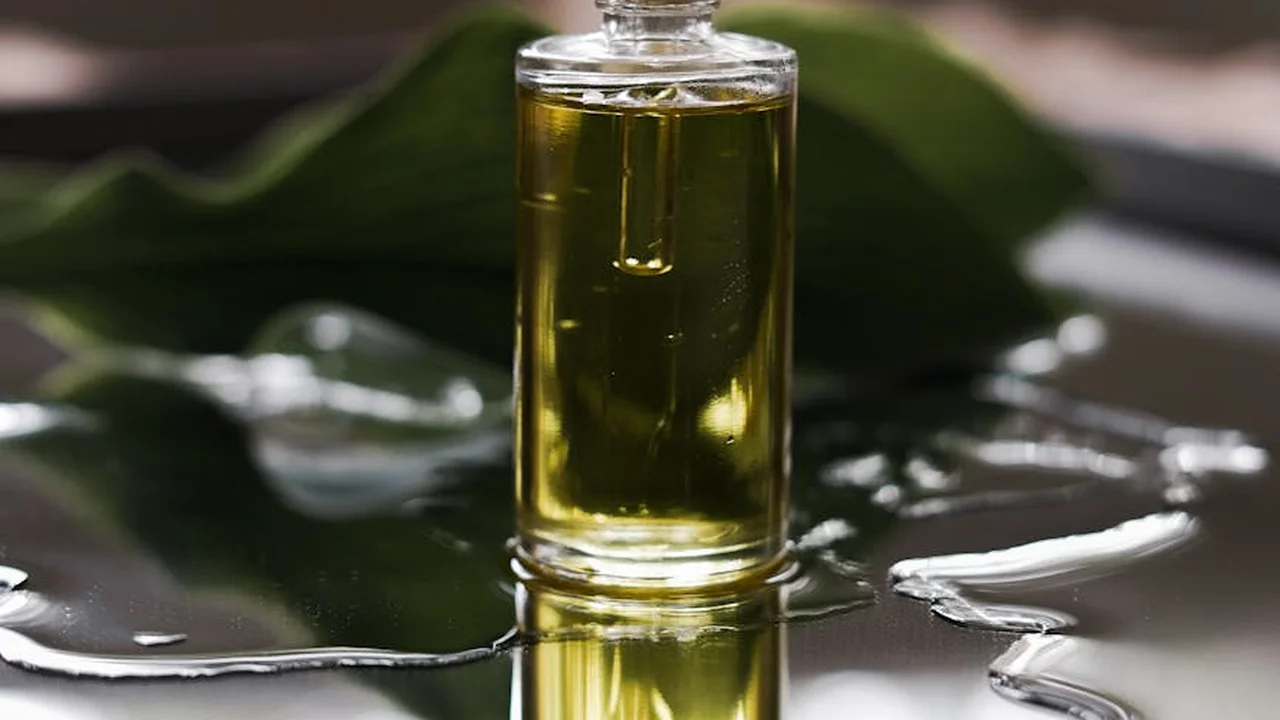
Starting with versatile oils makes the most sense. You get more uses from each bottle.
This short list focuses on oils that are wonderful for your body and have a place in your home. These choices can form the backbone of an everyday-use guide for choosing the healthiest cooking oils for your kitchen. They bridge practical cooking with nutrition, helping you select oils by use, flavor, and health goals. These are all commonly found in well-stocked U.S. grocery stores, natural food markets, and online.
A Short List to Get You Started
- For Cooking & Wellness: Extra Virgin Olive Oil. This is the classic. Look for a dark glass bottle. Its peppery, grassy flavor is perfect for dressings. I also keep a small bottle in my cabinet for a quick, nourishing cuticle treatment.
- For Your Skin: Apricot Kernel Oil. This is a personal favorite. It’s light, absorbs quickly, and feels silky. It’s gentle enough for sensitive faces but rich enough for a full-body moisturizer after a shower.
- For Your Hair: Unrefined Coconut Oil. In its solid state, it’s a fantastic pre-shampoo treatment for dry ends. The tropical, nutty scent is a bonus. Just use a small amount, as a little goes a long way.
- For Home DIY: Walnut Oil. This oil is a star for wood care. It brings out the grain and leaves a soft, satin finish. The nutty aroma it leaves on a wooden bowl or cutting board is simply lovely.
Finding Quality Oils Near You
You don’t need to search far. Good quality is often closer than you think.
Check the natural foods section of your regular supermarket first. Then, visit a local health food store or food co-op. Staff at these smaller shops often know their suppliers well and can offer great advice. For a wider selection, reputable online herbal shops are a reliable option.
Reading the label tells you everything. Your eyes should look for a few key words.
- “Cold-Pressed” or “Expeller-Pressed”: This confirms the mechanical extraction method we want.
- “Unrefined”: This means it hasn’t been bleached or deodorized. The color and scent are natural.
- Packaging: Oils degrade in light. A dark glass bottle (amber or green) is a sign the producer cares about preserving quality.
If you make your own balms and salves in large batches, or have a big family going through oil quickly, buying cold pressed oils wholesale can be cost-effective. Many online suppliers offer gallon sizes. Just ensure you can use it before its shelf life ends, typically within a year.
Bringing Botanicals Home: Simple DIY Uses
The beauty of these oils extends far beyond the kitchen and bathroom. They bring a subtle, natural warmth to your living space.
Here are two simple projects that make your home smell wonderful and feel cared for.
1. Dusting & Wood Polish
This replaces aerosol sprays with something real. The lemon essential oil adds cleaning power and a bright scent.
- In a small glass jar, mix 1/2 cup walnut oil with 10 drops of lemon essential oil.
- Cut an old, soft t-shirt into small cloth squares.
- To use, lightly dab a cloth square into the oil mixture. Rub it onto wood surfaces in a circular motion, then buff with a dry part of the cloth.
This polish leaves a protective layer and a faint, nutty-citrus fragrance that doesn’t smell chemical.
2. Relaxing Linen Spray
Spritz this on pillows and curtains before bed. The lavender promotes calm, and the apricot kernel oil leaves no sticky residue.
- Use a 4-ounce glass spray bottle. Add 2 tablespoons of apricot kernel oil.
- Add 15 drops of lavender essential oil.
- Top off the bottle with distilled water. Cap it and shake well before each use.
The oil and water will separate, which is normal. Shaking combines them briefly for a fine mist. The apricot oil gives the spray a slight skin-nourishing quality, perfect for a spritz on your arms before relaxing.
How to Pick Your Perfect Oil and Make It Last
Think of shopping for oil like choosing a good piece of fruit. You check for quality, ripeness, and what you plan to do with it. This little checklist puts all that advice in your pocket for the store shelf.
- Read the label for the words “cold-pressed,” “expeller-pressed,” or “unrefined.” That’s your signal for a more complete oil.
- Look for a dark glass bottle. This protects the oil from light damage before you even get it home.
- Give it a sniff if you can. A nutty, grassy, or distinctly plant-like aroma often means a less processed oil.
- Ask yourself the job. Is it for a vibrant salad dressing, a nourishing hair mask, or a gentle baby massage? Match the oil’s character to the task.
- Trust your source. I always look for brands that share where their seeds or nuts are from.
The Right Home for Your Oil
Cold-pressed oils are a bit like fresh milk. They need a cool, quiet spot to stay good. Heat and light are their biggest enemies, especially when it comes to oxidation in botanical oils.
I keep all my precious carriers in a dedicated kitchen cabinet, away from the stove and oven. The pantry or a cool basement shelf works perfectly. That simple habit extends their vibrant life for months.
For oils I use slowly, like rare seabuckthorn or tamanu, I use the fridge. They get thick and cloudy, but a quick warm-up in my hands returns them to perfect texture.
Always screw the cap on tight after use. Oxygen can slowly turn oil rancid. If an oil starts to smell like crayons or old nuts, it’s time to let it go.
Your New, Simple Skill
This might feel like a lot now, but it becomes second nature. You’ll soon glance at a bottle and just know.
Choosing the right oil for the right job is a simple, satisfying skill that makes everything from your skin to your supper better.
I have my favorites for different jobs-apricot kernel for my face, robust olive for cooking, sturdy refined coconut for DIY cleaning sprays. You’ll build your own lineup. Start with one bottle for a specific need and see how it goes. You’ve got this.
Your Questions, Answered Simply
Where’s the best place to buy cold-pressed oils near me?
Start with the natural foods aisle of your local grocery or a trusted health food store. I also love connecting with regional producers at farmers’ markets, as they can share the freshest, most vibrant oils.
Is buying cold-pressed oils wholesale worth it?
Wholesale is fantastic for making large batches of salves or if your household uses oil quickly. Just be sure you have proper, cool storage and can use it within its shorter shelf life to avoid waste.
Can I use cold-pressed oils for traditional Indian frying?
For deep-frying or tadka at very high heat, a refined oil is the safer, more stable choice. Reserve your precious cold-pressed mustard or sesame oil for finishing a dish, where its robust flavor and nutrients truly shine.
Why invest in cold-pressed for skin care when refined is more affordable?
Refined oils act as a simple barrier, while cold-pressed oils deliver active antioxidants and vitamins that nourish and repair your skin directly. Antioxidants in botanical oils help fight aging and repair skin damage. These intact nutrients bolster resilience against daily environmental stress. For a true botanical benefit, the intact nutrients are worth the investment.
What’s one versatile cold-pressed oil I can use for both cooking and skin?
Unrefined, cold-pressed coconut oil is a wonderful multi-tasker. Use a small amount for low-heat cooking or as a deeply nourishing pre-shampoo hair treatment and body moisturizer.
Cultivating Your Botanical Practice
For nurturing your skin, hair, and home, I always reach for cold-pressed oils first to capture the plant’s full, vibrant story. That choice makes all the difference in creating effective, sensory-rich blends for your daily wellness.
I hope you’ll continue exploring with us here on the blog as you experiment with these oils in your own space. Trust the guidance you find here, and equally trust the instincts you build through your own hands-on practice.
Noemi Kamińska
Noemi is an accomplished wellness researcher, nutrition care guide and body care expert. She has years of experience in formulating various oil combinations for full body wellness including face, hair, body care, essential oils and cooking oils. She works as a bio-formulator working with oil chemistry and analyzing the best formulations when it comes to your needs. Feel free to reach out to get your oil needs sorted.