
Grapeseed Oil or Sunflower Oil: Which Neutral Oil Suits Your Pan Best?
Standing in the oil aisle, you just want a clear choice for your skillet. I use both oils in my home kitchen, and the best pick depends entirely on what you’re cooking.
You’ll leave knowing exactly when to reach for each bottle.
- Heat tolerance and smoke points compared
- The subtle taste each oil adds to food
- Nutritional notes from my herbalist perspective
- My personal pantry rules for everyday use
Meet the Two Neutral Contenders
In my kitchen, grapeseed and sunflower oils are quiet heroes. They are light, versatile pantry staples you can reach for almost daily.
Their core appeal is a simple one: they have a mild flavor that lets your other ingredients shine. You get the cooking benefits of oil without it overpowering your dish.
We will look at where they come from, how they behave under heat, and what they offer for your wellness.
A Closer Look at Grapeseed Oil
Grapeseed oil comes from the seeds of wine grapes, Vitis vinifera. It is a wonderful example of using the whole plant, transforming a winemaking byproduct into a useful kitchen oil.
It has a very pale green color you can see when you hold the bottle to the light. The texture is exceptionally light, almost watery, and it pours easily.
The scent is subtle and clean. I find it has a faint, dry hint of nutty grapes, like the quiet memory of a vineyard.
How Grapeseed Oil Performs in Your Kitchen
Grapeseed oil has a high smoke point around 420°F (215°C). This means it can handle high heat without breaking down and smoking, which is perfect for getting a good sear. Its ability to perform under high heat has been analyzed in detail.
Its best uses are for high-heat jobs like sautéing vegetables, stir-frying, and pan-frying proteins. I also love it for making delicate vinaigrettes where you want just a whisper of texture.
My personal tip? I keep a small bottle right next to my stove. It is my go-to for giving my cast iron skillet a quick, light seasoning after I wash and dry it. The high smoke point creates a good polymer layer, and its lightness means no greasy residue.
Getting to Know Sunflower Oil
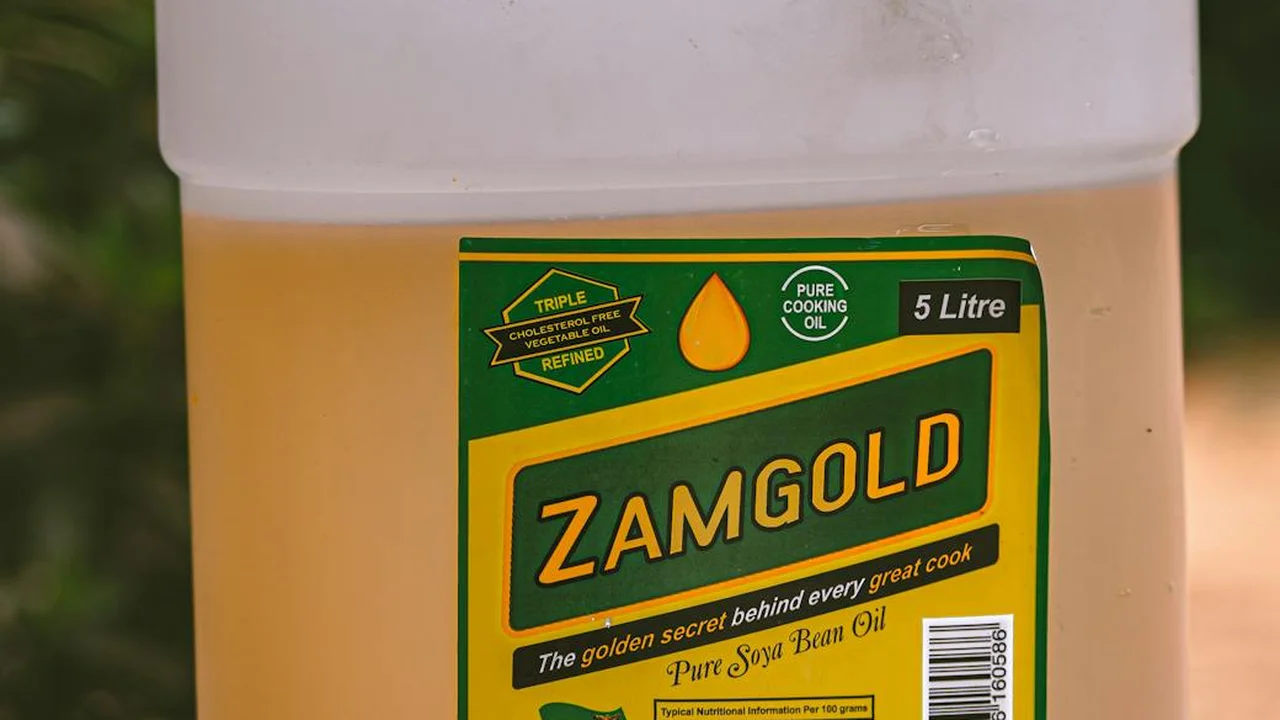
That cheerful flower in your summer garden is the source of this common kitchen oil. Sunflower oil is pressed from the seeds of the Helianthus annuus plant.
You will usually find two main types on the shelf. The most common is high in polyunsaturated fats, specifically linoleic acid. The other is labeled ‘high-oleic,’ which means it’s richer in stable monounsaturated fats, much like olive oil.
In my hand, a bottle of standard refined sunflower oil is a pale, clear yellow and has a light, slightly oily texture that feels a bit heavier than grapeseed oil.
How Sunflower Oil Performs in Your Kitchen
Heat tolerance is key. Regular sunflower oil has a good smoke point around 440°F (225°C). The high-oleic version pushes that even higher, to about 450°F (230°C), making it very resilient.
I reach for sunflower oil for a few specific jobs. It’s a classic for deep-frying because it’s affordable and neutral. In baking, it creates a wonderfully moist crumb in cakes and muffins. It’s also my top choice for making homemade mayonnaise, as its lightness lets the egg flavor shine.
For your everyday high-heat cooking, like weekly stir-fries, the high-oleic sunflower oil is the smarter pick because its fat structure resists breaking down better.
The Head-to-Head Kitchen Comparison
Let’s move from theory to your stovetop. This is your practical guide to choosing between them for tonight’s dinner.
Flavor Neutrality and Heat Tolerance
For flavor, it’s nearly a tie. Both are very clean. I find grapeseed oil leaves a barely-there, cleaner finish on the palate, while sunflower oil can have the faintest oily whisper.
Both have impressively high smoke points. For the absolute highest heat, like searing a steak, high-oleic sunflower oil has a slight edge over grapeseed.
So, grapeseed oil vs sunflower oil for frying? For a big pot of oil for french fries or chicken, use cost-effective high-oleic sunflower. For pan-frying a single fillet of fish, I grab my grapeseed oil for its clean finish.
Nutrition and Everyday Health
Their fat profiles tell different stories. Grapeseed oil is very high in polyunsaturated omega-6 fats. High-oleic sunflower oil is packed with monounsaturated fats, the kind praised in heart-healthy diets.
If you’re using a neutral oil daily, the high-oleic sunflower oil offers a more stable, balanced fat profile that aligns better with wellness goals.
A quick note: people often confuse sunflower oil with rapeseed oil (sold as canola). They are different. Canola oil is typically lower in saturated fat and has a distinct, sometimes fishy, scent when unrefined.
Price and Shelf Life
Your wallet will notice a difference. Refined sunflower oil is almost always the more affordable and widely available option in any grocery store.
Store both of these oils in a cool, dark cupboard, not by the stove. Their high polyunsaturated content makes them prone to going rancid faster than oils like avocado or olive. Use them within a few months of opening for the best flavor. Understanding the shelf life and proper storage guidelines for vegetable, olive, and nut oils helps you keep them fresh longer. Check best-by dates and keep them away from heat and light in a cool, dark place.
Beyond the Stovetop: Uses for Skin and Hair
Both of these oils have a permanent spot on my apothecary shelf, right next to the clays and salts. They are incredibly versatile for everyday body care.
Caring for Your Skin
If your skin feels slick by midday, you might prefer grapeseed oil. It has a light, almost dry texture that absorbs quickly without leaving a greasy film.
Grapeseed oil can feel slightly astringent, which makes it a favorite for balancing oily or combination skin. Sunflower oil, in contrast, is richer and more emollient.
Its fatty acids help reinforce the skin’s own moisture barrier. I find it wonderfully soothing for dry, flaky patches or skin feeling sensitive and compromised. For those interested in the science behind it, understanding the role of fatty acids in skin barrier function provides a deeper insight.
I often see people ask which oil is better to lighten scarred skin. It’s a common hope, but neither oil will lighten hyperpigmentation, as discussed in this article.
What both can do is improve the scar’s texture and hydration, making it appear softer and smoother over time as part of a consistent care routine.
For a gentle, nourishing blend, try this simple facial oil I make for my own sensitive skin.
Mix one tablespoon of high-linoleic sunflower oil with two drops of lavender essential oil in a small glass bottle. Apply two to three drops to clean, slightly damp skin at night. It’s a simple recipe that feels like a comforting hug for your face.
Nourishing Your Hair
Your hair type will guide your choice here. For a light pre-wash treatment, grapeseed oil is a winner.
I massage a small amount into my lengths and ends about thirty minutes before shampooing. It helps prevent protein loss without weighing down fine hair.
Sunflower oil is my go-to for a scalp massage or to add serious shine to parched ends. Its viscosity allows it to coat the hair shaft nicely, smoothing the cuticle.
For instant frizz control on damp hair, try this. Warm two drops of grapeseed oil between your palms and gently smooth it over your hair, focusing on the flyaways. It’s a perfect, light finishing step.
When to Seek Professional Advice
While these oils are wonderfully supportive, remember that dietary needs are personal. If you have specific health conditions like heart disease or diabetes, talk to a doctor or dietitian about the best fats for your diet.
For persistent skin concerns like eczema, acne, or rosacea, see a dermatologist before beginning any new topical regimen. They can provide a diagnosis and a plan that safely incorporates these oils.
Always, always do a patch test with any new oil. Apply a dime-sized amount to your inner forearm, cover it with a bandage, and wait 24 hours. Reactions are rare, but this simple step is the cornerstone of safe, confident self-care.
Other Neutral Oils to Consider
While grapeseed and sunflower oil are kitchen staples, your shelf has other wonderful options. I often rotate between a few based on what I’m cooking and what my skin needs that week.
Refined Avocado Oil: The High-Heat Specialist
When I need to sear a steak or roast veggies at a blistering high temperature, my hand reaches for refined avocado oil. Refined avocado oil has a very high smoke point, often above 500°F, making it my go-to for serious frying and roasting. It is more expensive, but a little goes a long way for high-heat tasks. Beyond its high smoke point, avocado oil also provides healthy fats and a neutral flavor that fits many dishes. Its versatility makes it a top pick for frying, roasting, and other high-heat cooking uses.
Nutritionally, it is a powerhouse, rich in monounsaturated fats and vitamin E. The refined version has a very, very mild flavor, unlike its unrefined counterpart which tastes distinctly of avocado. I keep a bottle in my kitchen specifically for those “don’t-smoke-up-the-kitchen” moments.
Light Olive Oil: The Flavor-Tolerant All-Rounder
Do not confuse this with extra virgin olive oil. “Light” refers to its mild flavor and color, not its calories. Light olive oil is a refined oil with a higher smoke point than extra virgin and a neutral taste that won’t overpower delicate dishes.
It still brings the heart-healthy benefits of monounsaturated fats to your meal. I find it perfect for sautéing vegetables or making a batch of muffins where I want moisture without a strong olive note. It’s a versatile bridge between neutral oils and more robust ones.
A Quick Note on Naming: Sunflower Seed Oil
If you see a recipe or comparison for “grapeseed oil vs sunflower seed oil,” don’t let it confuse you. Sunflower seed oil is simply another name for the sunflower oil we’ve been discussing; it’s the same product. The name just emphasizes the source-the seeds of the sunflower. You can use them interchangeably without a second thought, especially when comparing them to other vegetable oils.
Quick Answers to Common Kitchen & Care Questions
Is sunflower oil the same as rapeseed oil?
No, they come from different plants-sunflower from Helianthus flowers and rapeseed from Brassica plants (often sold as canola). They have distinct fat profiles and flavors, with canola being a common, affordable all-purpose oil with a neutral taste.
Which oil is better for my hair type?
For fine or oily hair, use light, fast-absorbing grapeseed oil as a pre-wash treatment. For dry hair or a nourishing scalp massage, richer sunflower oil is ideal to add shine and moisture.
Can these oils lighten scars or dark spots?
No, neither oil will lighten hyperpigmentation. However, both can improve a scar’s texture and hydration through consistent use, making it appear softer and more supple over time. People often ask whether coconut oil lightens or darkens skin tone, and how it relates to hyperpigmentation and acne scars. These questions tie into overall skin health and routine care.
What’s the best way to store these oils?
Always store them in a cool, dark cupboard away from the stove or sunlight. Their high polyunsaturated content means they can go rancid faster than more stable oils, so use within a few months of opening.
For daily health, is one oil clearly better?
If used regularly, high-oleic sunflower oil is the wiser choice for its high, stable monounsaturated fat content. It supports heart-healthy dietary patterns better than standard grapeseed oil, which is very high in omega-6 fats.
Your Kitchen’s Botanical Ally
The best choice rests on what you’re cooking-grapeseed oil confidently takes the heat, while sunflower oil offers a gentle, nutrient-rich touch for cooler creations. Let this simple match guide your hand toward meals that feel both nourishing and effortless.
I hope you feel inspired to trust your own preferences as you explore oils in your kitchen and home. My own shelf is always evolving with new finds, and I share those honest experiences right here for you.
Related Guides and Information
- Grapeseed Oil vs Sunflower Oil: A Comprehensive Comparison
- Why Sunflower Seed Oil Is the Best Substitute for Grape Seed Oil
- Sunflower Oil vs. Grapeseed Oil: A Comprehensive Comparison
Noemi Kamińska
Noemi is an accomplished wellness researcher, nutrition care guide and body care expert. She has years of experience in formulating various oil combinations for full body wellness including face, hair, body care, essential oils and cooking oils. She works as a bio-formulator working with oil chemistry and analyzing the best formulations when it comes to your needs. Feel free to reach out to get your oil needs sorted.