
How Do You Use and Care for a Castor Oil Pack? A Complete Guide
If you’re curious about castor oil packs but unsure where to begin, I understand that feeling. From my own apothecary shelf, I can tell you that a consistent, simple routine makes all the difference for comfort and results.
This guide walks you through my hands on method for safe, effective use and long term care of your pack.
- Gentle, step by step application instructions
- How to store your pack to keep it ready and clean
- Easy maintenance for repeated, worry free use
Key Takeaways: Your Pack Journey at a Glance
Before we get into the details, here is the simple core of the practice.
- A typical session lasts one to two hours, and many people find benefit using a pack three to four nights a week.
- Gentle, moist heat is a non-negotiable part of the process; it helps your skin absorb the oil and is deeply relaxing.
- Your used pack lives in the refrigerator between uses to keep the oil fresh and prevent rancidity.
- Always place a barrier like plastic wrap or a towel between your heating source and the oil-soaked cloth.
- Your body gives the best feedback; if you feel any discomfort, simply remove the pack.
What Exactly Is a Castor Oil Pack?
At its simplest, a castor oil pack is a piece of cloth soaked in high-quality castor oil that you place on your skin. The goal is to let the oil’s unique fatty acids be absorbed with the aid of gentle heat.
I prefer organic, unbleached cotton flannel from my fabric stash. It is thick enough to hold the oil without dripping. Some people use wool or silk for their texture and warmth. The material needs to feel soft and forgiving against your skin for an hour or more.
Think of a “pack” as a long, warm soak for your liver or joints. A “compress” is often quicker, sometimes using cooler temperatures for acute issues like swelling. The pack is your slow, steady wellness ritual.
To keep everything clean and in place, you will secure the oiled cloth with what I call a castor oil pack wrap. This is usually plastic film or a towel, followed by a hot water bottle and a cozy blanket. It turns a simple cloth into a therapeutic sanctuary.
How to Make Your Own Simple Castor Oil Pack
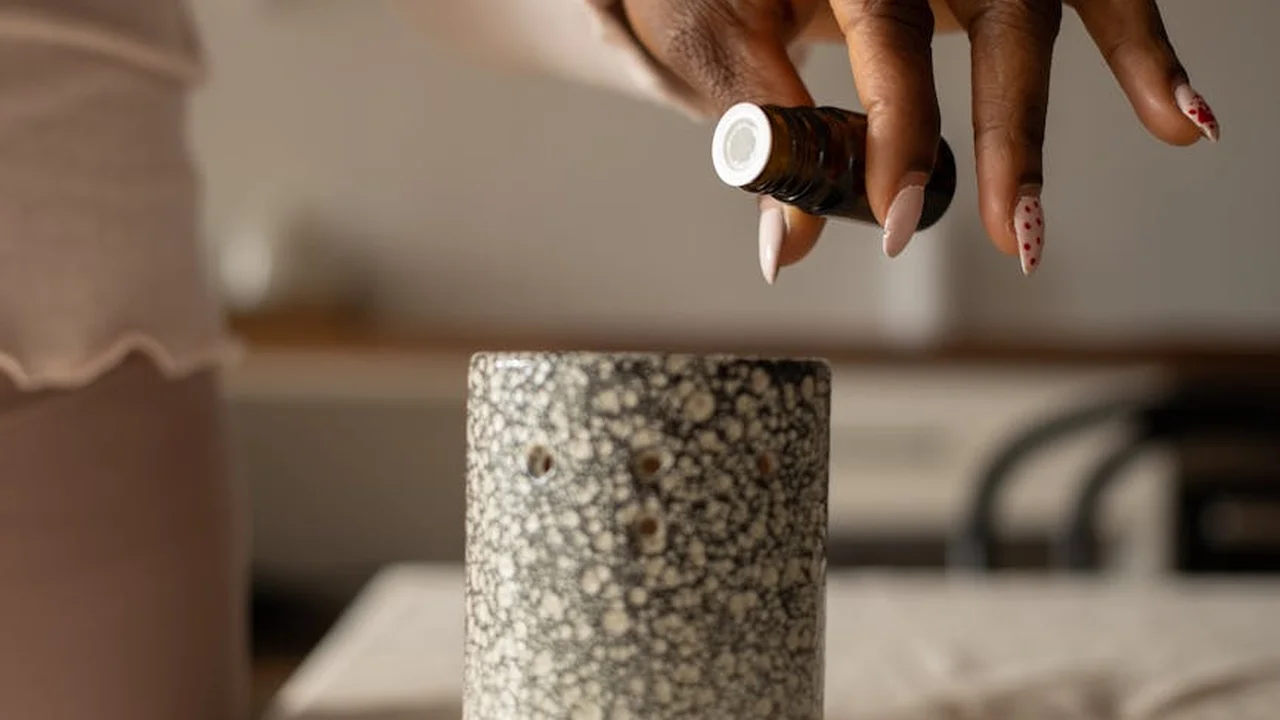
Gathering your supplies is the first step. I keep mine in a dedicated basket on my apothecary shelf.
You will need:
- High-quality, hexane-free castor oil
- A piece of soft, undyed flannel cloth (about the size of a standard hand towel)
- A glass jar with a lid for storage
- Plastic wrap or a reusable silicone sheet
- An old towel you don’t mind getting stained
- A hot water bottle or heating pad
- Fold your flannel cloth into 3-4 layers so it’s a manageable square for your abdomen or other area.
- Pour a generous amount of castor oil directly onto the cloth. The goal is for it to be thoroughly saturated but not actively dripping. Think of the dampness of a well-wrung sponge.
- Place the oily cloth into your glass jar, seal it, and let it sit for at least an hour. This lets the oil fully penetrate the fibers. I often prep mine in the afternoon for evening use.
- When ready, simply take the cloth from the jar. It’s now your pack. You can use it immediately or store the sealed jar in a cool, dark place for repeated use.
This cloth can be reused many times, simply adding a bit more oil as needed, which makes this a very economical practice. Some people prefer to buy a beautifully sewn, pre-made pack, and that’s a perfectly good option if DIY isn’t your style.
Your Step-by-Step Pack Routine: From Setup to Cleanup
This ritual is about creating a quiet, restorative pause. Here is how I do it in my own routine.
Getting Ready: Setting the Scene
Choose a time when you can truly relax. Evening works beautifully for me, as it helps transition into rest.
Castor oil has a distinct, warm, heavy scent and can stain fabrics, so protecting your space is non-negotiable. Lay down an old towel or sheet on your bed or couch. Have your pack, plastic wrap, hot water bottle, and a timer all within arm’s reach before you begin. If you’re considering castor oil for dogs, safety and proper application matter. We’ll outline benefits and risks and provide next-step resources with implicit links.
How Long to Wear a Castor Oil Pack (The Golden Window)
You want to know how long to keep a castor oil pack on. The general recommendation is 1 to 2 hours.
If you are new to this, please start slow. Try just 30 to 45 minutes for your first few sessions. Listen to your body. Longer is not necessarily better; consistent, shorter sessions are often more effective and sustainable. Set a gentle timer so you can drift off without worry.
How Often Should You Do a Castor Oil Pack? (Finding Your Rhythm)
For how often you can do castor oil packs, a common and gentle protocol is 3 to 4 consecutive days per week, followed by a break of several days. If you’re considering castor oil for hair, you may wonder how often to apply it and how long to leave it in. Apply a small amount to the scalp and lengths, and leave it on for a few hours or overnight before washing.
Your body’s needs are unique. You might find once a week is perfect, or a short daily series during a particular time of the month feels supportive. Frame this as a personal experiment, not a rigid rule. I caution against using it daily for months without a break, as your body benefits from the rhythm of rest.
The Gentle Cleanup: Wiping Off and Caring for Your Skin
After your session, slowly remove the pack and plastic. Your skin will feel slightly sticky and warm.
I keep a bowl of warm water and a washcloth by my bed. Wipe the area gently. For a deeper clean, use a mild soap or a paste of baking soda and water. You do not need a full shower after a castor oil pack, though one is perfectly fine if you prefer it. It’s quite different from oil cleansing for skin which may cause purging. Pat your skin dry.
Castor oil is a humectant and can sometimes feel drying once it’s wiped away. I like to follow up with a light moisturizer, like a simple jojoba or almond oil, to keep my skin feeling balanced and soft. Castor oil itself has several benefits, but it works best when paired with other oils.
Where to Place Your Pack: Uses and Benefits
Think of this as choosing your pack’s destination. Each spot connects to a long tradition of folk use, offering gentle, localized support. Always listen to your body, and never use a pack over open wounds, rashes, or during pregnancy unless your healthcare provider says it’s okay.
For Belly & Digestive Ease
Place the pack over your entire lower abdomen, from just below the navel to the pubic bone. This practice is rooted in traditional systems for calming digestive spasms and encouraging movement. It’s common for folks to wonder if castor oil packs make you poop, and yes, they can encourage gentle bowel activity for some. You might notice shifts in your digestion as a sign your body is responding.
For Liver Support
Position the pack under your right rib cage, where your liver sits. Using “castor oil packs for liver” is a classic in herbalism for encouraging detoxification pathways. People often share they feel less “sluggish” and experience reduced bloating after consistent use. It’s a subtle, warming support for your body’s main filtration system.
For Menstrual Comfort and Fertility Nurturing
Apply the pack to the lower abdomen, just as you would for digestion. Herbalists have long used this to ease menstrual cramps and nurture pelvic circulation. When considering “castor oil packs for fertility,” view them as part of a holistic routine to create a nourished, relaxed environment, not a promise. This is vital: castor oil packs are strictly avoided during pregnancy, as they can stimulate uterine activity — especially when applied near the belly button.
For Soothing Achy Muscles and Joints
Lay the pack directly on the sore area-your lower back, a stiff neck, or creaky knees. The deep warmth can ease tension and increase blood flow. The “castor oil pack on neck benefits” I’ve felt personally are a profound release of that tight, knotted feeling after a long day. Remember, this is a soothing complement to rest and recovery, not a cure for injury.
For Nourishing Skin and Hair
For skin, apply a small pack directly to old scars or dry patches. For hair, massage oil into your scalp and cover with a cap (this is wonderfully messy, so plan it before a shower). In a “castor oil pack before and after” scenario for skin, patience is key; you may notice scars becoming softer and more pliable over weeks of use, especially when used alongside other botanical oils designed for skin healing. The ricinoleic acid is deeply moisturizing and supportive.
How to Clean and Store Your Pack for the Long Haul
Proper care makes your flannel pack a lasting companion. I have packs in my apothecary that are years old because I follow these simple steps.
The Simple Cleaning Method
After use, rinse excess oil under warm water. Then, wash the pack in your machine’s hottest cycle with a mild, fragrance-free detergent or a half-cup of baking soda. Always air dry your pack completely, laid flat or hung up; the heat of a dryer will degrade the fibers and any remaining oil. Sunlight can help freshen it further.
The Golden Rule of Storage
This is non-negotiable for me. Store your slightly damp, used pack in a sealed glass jar or container in the refrigerator between uses—just like you would for any organic oil to prevent rancidity. The cool temperature prevents the organic oils from turning rancid quickly. This method lets you reuse the same pack for many applications over a few months. You’ll know it’s past its prime if it develops a sharp, unpleasant smell or any visible mold.
Common Castor Oil Pack Mistakes and How to Avoid Them
I’ve made most of these mistakes myself over the years. Think of this as friendly advice from someone who has learned what works through trial and a little bit of error.
Mistake 1: Using Too Much Heat
This is the most common slip-up. An electric heating pad on its highest setting is too intense. That dry, penetrating heat can actually be counterproductive and risks a mild burn.
I prefer a classic hot water bottle wrapped in a thin towel. It provides a moist, gentle warmth that feels like a comforting hug for your middle.
The rule is simple: the pack should feel warm and soothing, never hot or uncomfortable. If using an electric pad, keep it on the lowest setting and always keep layers of fabric between it and your skin.
Mistake 2: Ignoring Your Skin’s Signals
Your skin will talk to you. It’s wise to listen from the very start. Before your first full session, do a quick patch test. Apply a small amount of your prepared oil blend to the inside of your elbow and wait 24 hours.
During a session, any new sensation like stinging, intense itching, or a rash is a clear signal. Your body is asking you to stop.
If you feel any redness, itching, or discomfort, remove the pack immediately. You can try again another time with a different carrier oil or less essential oil, but never push through irritation.
Mistake 3: Expecting Overnight Miracles
Castor oil packs are a practice, not a quick fix. I see them as a form of gentle, consistent nourishment. The benefits tend to be subtle and build up over time, like weekly tending to a garden. You can learn more about how to use castor oil packs properly and what to expect from them.
You might notice deeper sleep first, or a calmer feeling in your belly after a few weeks. Keeping a simple journal helps track these small wins.
Realistic expectations are key; this is about cumulative, supportive care, not an instant cure. Note small changes in your digestion, skin, or stress levels over several weeks to see your personal progress.
Mistake 4: Using It When You Shouldn’t
This practice is powerful, which means it’s not for every moment. There are specific times when it’s best to pause.
Do not use a castor oil pack if you are pregnant, have an open wound or rash on the application area, or have a diagnosed serious illness without your doctor’s guidance. Some people also find it best to avoid abdominal packs during menstruation.
When in doubt, the safest choice is to pause and consult your healthcare provider. Honoring these boundaries keeps your practice safe and respectful of your body’s current needs.
Your Castor Oil Pack Questions, Answered
Can a castor oil pack cause detox symptoms?
Some people report mild, temporary symptoms like a headache or fatigue, which may be part of the body’s adjustment process. This isn’t a requirement for benefit, so listen to your body and adjust frequency if needed.
How many times can I reuse my DIY flannel pack?
A well-cared-for pack can last for dozens of uses over several months. You’ll know it’s time to retire it when the cloth develops a sharp, rancid odor or shows signs of mold.
Are there specific benefits to placing a pack on the neck?
Yes, applying a pack to the neck area can help soothe muscle tension and support lymphatic flow in that region. The gentle warmth is excellent for releasing the tightness that builds up from stress or posture.
Can a castor oil pack help with fertility?
As a supportive practice, it may nurture pelvic circulation and relaxation, which are important for reproductive wellness. It is absolutely contraindicated during pregnancy, as it can stimulate uterine activity.
Do I need a special wrap, like the ones from Queen of Thrones?
While branded wraps are convenient, you can create an effective pack with simple materials like flannel and plastic wrap. The core principles of oil, cloth, gentle heat, and a protective barrier are what matter most.
Honoring the Ritual of Castor Oil Packs
The foundation of this practice is gentle, consistent application paired with thorough drying after each use. This routine care transforms your pack from a simple tool into a trusted part of your wellness ritual.
I hope you feel empowered to explore more botanical routines right here on the blog. Trust your own experience as you integrate castor oil into your life—it’s your best guide to choose the right oil for your needs.
Noemi Kamińska
Noemi is an accomplished wellness researcher, nutrition care guide and body care expert. She has years of experience in formulating various oil combinations for full body wellness including face, hair, body care, essential oils and cooking oils. She works as a bio-formulator working with oil chemistry and analyzing the best formulations when it comes to your needs. Feel free to reach out to get your oil needs sorted.