
How Do You Remove Oil Stains from Concrete Driveways and Garage Floors?
That dark, greasy blotch on your concrete can feel like a permanent mistake. From my years of handling botanical oils, I know that even the toughest stains respond to simple, patient techniques.
This article will show you how to lift oil stains by using the right method for the stain’s age and severity.
- Why quick action with the right absorbent matters most
- Mixing powerful cleaning pastes from common household items
- Selecting and using a commercial degreaser safely
- Protecting your clean concrete from future spills
Your Quick-Start Guide: Key Takeaways
Think of cleaning concrete like caring for sensitive skin. You start gentle.
Always begin with the mildest method, like absorbents or simple dish soap, and only bring in the stronger degreasers if the first pass doesn’t work. This prevents unnecessary damage and saves your effort.
Speed wins with a new spill. For a stain that’s been sitting for months, your best tool is patience. It will likely need more than one treatment.
Safety isn’t optional. Pull on those rubber gloves and some eye protection before you start, and open a window or garage door for fresh air with any cleaner. This is non-negotiable in my home apothecary and workshop.
Your aim is to pull the oil up and out. Vigorous scrubbing right away can just grind it deeper into those tiny pores, making the problem worse.
Understanding Your Concrete and the Oil That Stained It
Concrete might look solid, but up close it’s full of tiny holes. It’s porous. Imagine a dry sponge. When oil hits it, the concrete soaks it in quickly, which is why these stains can be so stubborn.
Not all oils act the same. Cooking oils like olive or vegetable oil are fatty and can leave a greasy residue. Automotive oils, like engine or motor oil, are designed to be stable and slippery, often mixed with additives that darken. Penetrating lubricants (like WD-40) are very thin and are literally made to seep into small spaces. They should never be used as personal lubricants, unlike some natural or plant-based oils meant for the skin.
Your strategy changes based on what spilled and how long ago. A fresh puddle of vegetable oil and an old, black motor oil stain need different first steps.
What Makes a Stain “Old” vs. “Fresh”?
A fresh spill is still changing. It might be wet, shiny, or just tacky to the touch. You often have a day or so before it truly sets. This is your golden window.
An old stain has fully settled in. It’s usually darker, dry, and has formed a tight bond with the concrete. It looks like a permanent part of the floor. This is where gentle persuasion and repeat applications come into play, much like treating a deep-set skin concern.
The First 60 Minutes: How to Clean an Oil Spill on Driveway Immediately

Speed is your best friend here. The goal is to stop the oil from sinking deep into the concrete’s pores.
First, contain the spill. Use an old rag or paper towels to blot up any standing pools. Do not wipe. Wiping just spreads the oil over a wider area. Proper cleaning methods should be employed to ensure the area is thoroughly cleaned and any oil-based tools are maintained.
Next, smother it with a dry absorbent. You likely have a perfect option in your home right now.
- Clay-based cat litter is a classic for good reason. It’s highly porous and grabs onto oil.
- Baking soda or cornstarch from your pantry are gentler, fine powders that work on smaller, fresh spills.
- Sawdust from a workshop project is another excellent, natural choice.
The key is to cover the stain completely, creating a thick layer that will pull the oil upward. I keep a bag of plain clay litter in my garage just for this. It’s saved my floor more than once after topping up my diffuser blends.
Here is the simple process. I think of it like making a poultice for the concrete.
- Pour your absorbent over the stain until you can’t see the oil anymore.
- For litter, use your foot to gently crush it into a finer powder. This increases its surface area.
- Let it sit. Give it at least 30 minutes, or even several hours for a bigger spill. You’ll see the oil darkening the material from below.
- Sweep it all up and dispose of it properly.
Does Dawn Dish Soap Remove Oil from Concrete on Fresh Spills?
Yes, it really can. Dish soap is designed to cut through grease on your plates. It works the same way on your driveway.
The science is called emulsification. Soap molecules have one end that loves water and one end that loves oil. They surround the oil droplets, breaking the slick into tiny bits that can be washed away with water.
For a fresh spill after you’ve soaked up the worst of it, this method is wonderfully effective.
My go-to method is simple. I mix a generous squirt of the plain blue Dawn into a bucket of hot water. The hotter the water, the better it breaks up the grease. I pour this directly onto the stain, let it soak for ten minutes, then attack it with a stiff-bristled brush. You’ll see suds turning a bit grey or brown as the oil lifts.
Finally, a thorough rinse with a hose is crucial to wash away all the soap and suspended oil. Otherwise, it can leave a film.
Remember, this is a first-step solution. It works miracles on a spill from yesterday. For a dark, set-in stain that’s been there for months, you’ll likely need a stronger approach.
Your Botanical (and Pantry) Arsenal: Gentle DIY Oil Stain Removers
Before reaching for heavy chemicals, look in your kitchen and cleaning cupboard. Many everyday items have powerful cleaning properties.
Each one works a bit differently, and knowing their pros and cons helps you choose.
- Baking Soda (Sodium Bicarbonate): A mild abrasive. It helps scrub the surface clean and can absorb odors. It’s gentle and safe for most sealed concrete.
- White Vinegar (Acetic Acid): A mild acid that can help break down the oil’s bond with the concrete. Its sharp smell dissipates quickly, which I prefer over synthetic chemical odors.
- Citrus Solvents (like d-Limonene): Found in orange or lemon peel oil, this is a powerful natural solvent that literally dissolves grease. It leaves behind a fresh, bright scent.
The Baking Soda and Vinegar Reaction Method
This fizzy reaction isn’t just for school volcanoes. The bubbling action can help lift oil from the tiny pores in the concrete.
This paste method works best on newer, lighter stains where the oil hasn’t fully penetrated.
Start by covering the stain with a thick layer of dry baking soda. You want a good half-inch blanket. Slowly pour plain white vinegar over the baking soda. It will fizz and bubble dramatically. Let the reaction do its work for 10-15 minutes.
Once the fizzing stops, you’ll have a wet paste. Use a stiff brush to scrub this paste into the stain. The baking soda provides gentle abrasion. Finally, rinse everything away completely with plenty of water. Any leftover paste can leave a white, dusty residue.
Using a Natural Citrus Solvent
For a tougher stain, I often turn to the power of citrus. The compound d-Limonene, found in citrus peels, is a champion degreaser.
You can use pure, undiluted lemon juice straight from the bottle. Soak the stain, let it sit for an hour, then scrub and rinse. For a stronger option, look for a commercial, plant-based citrus degreaser at the hardware store. These are concentrated and very effective.
The fresh, uplifting scent of oranges or lemons is a genuine perk, making the chore feel less like a chemical chore. It’s a world away from the harsh, eye-watering smell of some industrial cleaners I’ve used.
A word of caution: acids can etch or dull some concrete finishes over time. Always do a patch test in an inconspicuous corner of your garage or driveway first. Apply your citrus cleaner, let it sit, rinse, and check for any changes in the surface texture or shine the next day.
When to Bring in the Heavy-Duty Commercial Cleaners
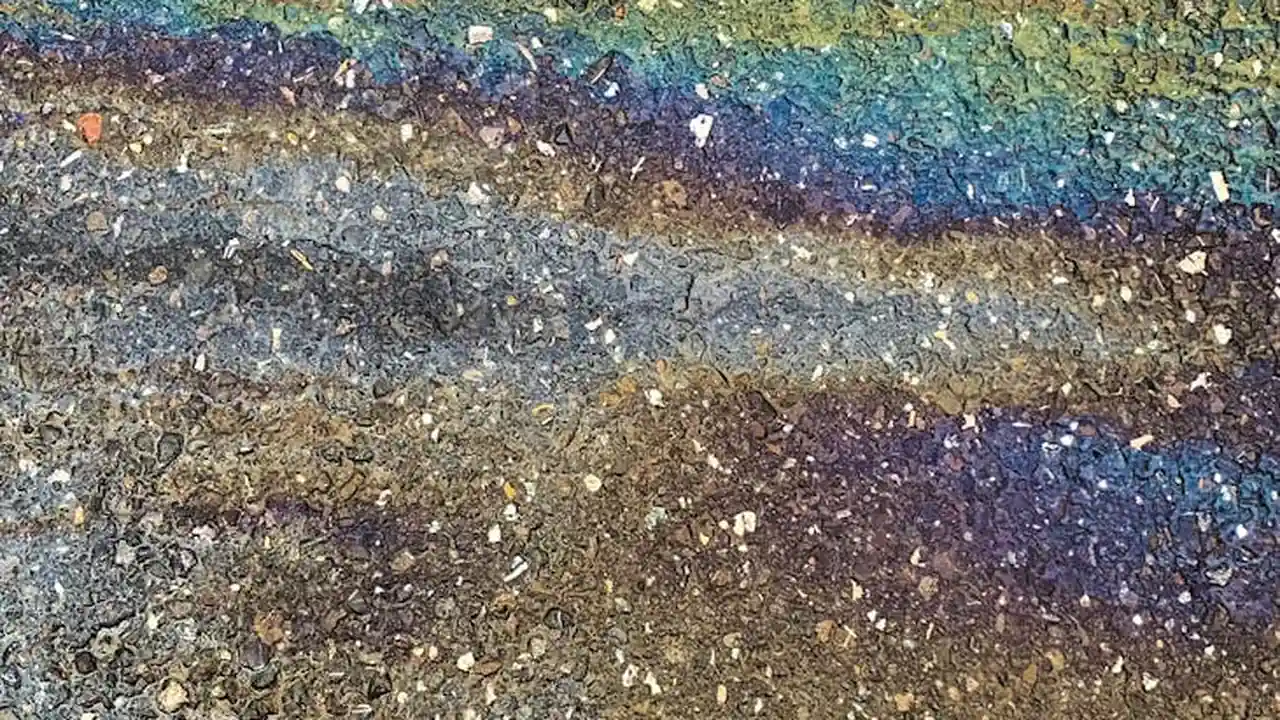
I love a good DIY fix, but sometimes the gentle solutions from my kitchen shelf just aren’t enough. If that oil spot is dark, has been there for seasons, or spans a large area, it’s time for a specialized cleaner.
For old, deep, or large stains, a dedicated oil stain concrete remover is your best bet. These stains have settled into the concrete’s pores, much like a deeply absorbed carrier oil on skin. If you’re dealing with cooking oil on driveways, patios, or garage floors, this approach can help.
When I select a product, I read labels with the same care I use for choosing a facial oil. I look for biodegradable options that are gentler on the garden edges of my driveway. Crucially, I verify the formula is concrete-safe to prevent surface damage.
Your success hinges on following the label instructions for dwell time and dilution exactly. Think of it like steeping a potent herbal tea; the timing matters for full effectiveness.
How to Use a Concrete Degreaser Safely and Effectively
Handling a strong cleaner requires the same respect as working with undiluted essential oils. Proper gear is non-negotiable.
From my own garage sessions, I always gather:
- Gloves: Durable rubber gloves to shield your skin.
- Goggles: Simple safety glasses to protect your eyes from splashes.
- Durable shoes: Wear old, closed-toe shoes with good grip.
The application process is straightforward. Apply the product to cover the stain completely. Agitate it with a stiff brush to help it penetrate. Let it sit for the full dwell time so it can break down the oil. Finally, rinse it away with a pressure washer or the strongest hose setting you have. This same approach also works for removing oil stains from wood surfaces like tables, floors, and furniture. If you’re applying it to wood, test a small, inconspicuous area first to avoid harming the finish.
Tackling the Tough Ones: How Do You Get Old Oil Off a Concrete Driveway?
An old stain needs a different strategy. It requires more patience, similar to waiting for a healing salve to work on a stubborn irritation.
For these set-in stains, I use a technique called a poultice. It’s a method I borrow from herbalism, using an absorbent material mixed with a cleaner to literally draw the oil up and out of the concrete — similar to how you would treat oil stains on fabrics or upholstery.
Creating a Degreaser Poultice for Set-In Stains
Here is my standard recipe. You’ll need a commercial oil stain concrete cleaner or a TSP alternative. For the absorbent, I often reach for diatomaceous earth or bentonite clay from my home supplies, especially when dealing with vegetable or cooking oil stains.
Mix the cleaner with the powder to form a thick, spreadable paste. Aim for a consistency like smooth almond butter.
Apply a generous layer, about a quarter-inch thick, directly onto the stain. Cover it tightly with plastic wrap to keep it moist and active. Let it sit for at least 24 hours. I sometimes leave it for 48 hours on really persistent spots.
After waiting, scrape off the hardened poultice with a putty knife. You’ll often see the discoloration has been pulled into the paste. Rinse the area thoroughly with water.
A poultice can dramatically lighten an old stain, but it may not erase it completely. Manage your expectations; sometimes the goal is significant improvement, not total removal.
Keeping It Clean: How to Prevent Future Oil Stains
Once your concrete is clean, a few simple habits can keep it that way. My own garage has a dark stain from an old project, a reminder to be proactive.
The simplest trick is to keep a box of cheap cat litter or a dedicated oil-absorbent mat right where you park. Sprinkle it on any fresh drip the moment you see it. For chronic leakers, a sturdy drip pan under your vehicle is a game-changer. It catches those slow, seeping leaks before they ever touch the ground.
For a more permanent solution, consider a concrete sealant. Think of it like applying a protective balm to your skin. This clear coating sinks into the porous surface and creates a slick, non-porous barrier. Oil and water bead up on top, giving you precious time to wipe them away with a rag. I applied a penetrating sealer to my workshop floor last year, and cleanup is now just a quick wipe.
In high-traffic garage areas where you change oil or tinker, interlocking rubber mats or an epoxy floor coating are brilliant. They create a dedicated, easy-clean surface that protects the concrete underneath completely.
Your Step-by-Step Stain Removal Checklist
Keep this list handy for your next cleanup. It blends the methods we’ve discussed into a clear action plan.
1. Safety First
Always put safety before speed. Good ventilation is key, especially in a garage with the door closed.
- Wear durable rubber gloves and safety goggles.
- Put on old clothes and shoes you don’t mind getting dirty.
2. Absorb Fresh Spills
Speed is your best friend here. The goal is to pull up as much free oil as possible before it sinks in.
- Cover the spill completely with an absorbent like cat litter, baking soda, or cornstarch.
- Let it sit for at least 15 minutes to soak up the oil, then sweep it all up and dispose of it.
This initial soak-up can make the deep cleaning step much faster and more effective.
3. Choose Your Cleaner
Match your cleaner to the age and severity of the stain. For most DIY jobs, you likely have what you need.
- For a gentle, accessible start: Try the baking soda poultice or a paste of dish soap and salt.
- For tougher, older stains: A citrus-based degreaser or a dedicated concrete cleaner is your next step. I keep a bottle of orange oil cleaner on my shelf for greasy messes.
4. Apply & Agitate
This is where the work happens. You need to get the cleaner down into the concrete pores.
- Pour or spread your chosen cleaner generously over the stain. For a poultice, spread a thick paste.
- Use a stiff-bristled brush (a deck brush works well) to scrub the cleaner deeply into the surface.
For old stains, let a wet poultice sit covered with plastic overnight to draw the oil out.
5. Rinse Thoroughly
Never skip the rinse. Leftover cleaner can leave its own residue or dull the concrete.
- Use a hose or several buckets of clean water to flood the area.
- Scrub once more with the brush as you rinse to lift away the dissolved oil and cleaner.
6. Repeat if Necessary
Deep stains often need more than one attempt. Patience pays off.
- Let the area dry completely. This shows you the true remaining stain.
- If a shadow remains, simply repeat from step 3 with your chosen cleaner.
7. Consider Sealing
After a deep clean, your concrete is perfectly prepped for protection.
Applying a quality concrete sealant now will make your next accidental spill a 5-minute wipe-up, not a weekend project. Follow the product instructions on your clean, completely dry floor for the best results.
Your Questions, Answered Gently
Are plant-based cleaners really strong enough for old motor oil stains?
For very old, set-in stains, a concentrated botanical degreaser with ingredients like d-Limonene (from citrus) can be highly effective, especially when used in a long-sitting poultice. For the toughest cases, a quality commercial biodegradable remover is a practical choice that still respects your home environment.
I’m worried about my garden edges. Are citrus solvents safe for nearby plants?
Absolutely, but with sensible care. Always apply the cleaner directly to the stain and rinse thoroughly; a brief shield with a board during application prevents direct contact. Unlike harsh chemicals, natural citrus solvents break down readily, making them a kinder choice for your garden’s ecosystem.
What should I look for in a “botanical” oil stain remover at a store like Home Depot?
Check the label for active ingredients derived from plants, like citrus peel extracts or plant-based surfactants, and the term “biodegradable.” My priority is always finding a concrete-safe formula that balances powerful cleaning with a greener philosophy, which several major brands now offer.
Does cleaning an oil stain from a concrete patio require a different approach than a driveway?
The fundamental cleaning principles are the same, but extra care is needed on patios, which may have more decorative finishes or adjacent landscaping. I always recommend a gentler method first, like a baking soda paste, and a patch test in an inconspicuous corner before treating the entire stain.
After I’ve cleaned a stain, what’s the one thing I should do to protect the area?
Once the concrete is completely dry, apply a penetrating sealant. This creates an invisible, protective barrier that causes future spills to bead up, giving you time to simply blot them away before they become a new stain.
Tending Your Garden of Practical Care
The single best thing you can do is act the moment a spill happens. Blot, don’t rub, and let your absorbent clay or cat litter do the quiet work of pulling the oil up and out.
I hope these methods give you confidence to care for your home spaces with the same attentiveness you give your personal rituals. Trust the process, and trust yourself to handle these little mishaps, just like you do on my own workbench.
Citations and Authoritative Sources
- r/howto on Reddit: how to remove oil stains from concrete
- Question. Can I get oil stains out of concrete … – Facebook
- How to clean up old oil stains on your concrete driveway | Lounge | APH Networks
- How to remove old oil stains from concrete?
- How to Remove Oil Stains From Concrete
- cleaning – How do I remove an oil stain from my concrete driveway? – Home Improvement Stack Exchange
Noemi Kamińska
Noemi is an accomplished wellness researcher, nutrition care guide and body care expert. She has years of experience in formulating various oil combinations for full body wellness including face, hair, body care, essential oils and cooking oils. She works as a bio-formulator working with oil chemistry and analyzing the best formulations when it comes to your needs. Feel free to reach out to get your oil needs sorted.