
Body Oil or Lotion First? Your Guide to Truly Hydrated Skin
That moment of hesitation with both bottles in hand is something I know well. After years in my home apothecary, I’ve found the order isn’t just trivia-it’s the secret to skin that feels nourished, not weighed down.
This guide will show you how to layer products so your skin absorbs moisture deeply. We’ll cover:
- How oil and lotion interact with your skin’s surface
- My personal step-by-step routine for optimal hydration
- When you might flip the script based on your oil’s texture
- How to spot and fix common application mistakes
Oil and Lotion: Understanding Your Moisture Team
Body lotion and body oil work together, but they play different roles. Lotions are water-based emulsions designed to hydrate, while oils are occlusive agents that seal moisture in.
Think of it this way. Applying lotion is like giving your skin a refreshing drink of water. Applying oil is like wrapping it in a soft, protective sweater to keep that hydration from escaping.
Textures tell the story. In my own routine, I see lotions (creams or gels) absorb quickly with a light, cool feel. Oils like jojoba or sweet almond have a richer, more viscous texture. They sink in slowly, leaving a silky finish rather than a wet one.
This brings up the oil versus lotion for skin debate. For very dry skin, both are allies. Oily skin might do best with a light lotion alone. Combination skin can use lotion all over and add a drop of oil to extra-dry patches like elbows or knees.
What Body Lotion Brings to Your Skin
Lotion delivers humectants and water directly to your skin’s upper layers. Ingredients like glycerin pull moisture from the air into your skin. This quick hydration plumps up skin cells, giving an immediate feeling of relief from tightness or dryness.
Its lighter, often fast-absorbing texture is why I prefer lotion for daytime. It layers well under clothing without feeling sticky or leaving marks on fabrics.
Choosing a lotion depends on your skin’s need. For general dryness, a basic moisturizing lotion works. For very dry skin, look for a richer cream with shea butter. The key is to find one that feels comforting, not irritating.
What Body Oil Brings to Your Skin
Plant oils replenish the lipids that make up your skin’s barrier. When my skin feels compromised, I reach for oils like rosehip or argan. Different oils use distinct production methods—argan, jojoba, and rosehip each involve unique extraction and refinement steps that can affect quality. They work to repair and strengthen your skin’s natural defense against moisture loss and irritation.
The feel is deeply luxurious. A good body oil has a warming, nurturing quality as you massage it in. More than that, it provides a longer-lasting seal. Your skin stays supple for hours, not minutes.
For facial care, oil versus lotion requires extra care. Always choose non-comedogenic oils like squalane or jojoba. I patch test every new oil on my inner arm before using it on my face to ensure compatibility.
The Golden Rule: Do You Put Lotion or Body Oil On First?
Do you apply body oil or lotion first? Apply lotion first, then oil. This is the most effective order for locking in hydration and supporting your skin barrier.
The science is straightforward. Lotion provides the water-based hydration. Oil acts as the sealant. Applying the oil last traps the water from the lotion against your skin, preventing it from evaporating into the air.
This directly answers the common query, “do you put body oil on first or lotion.” Reversing the order can leave your skin feeling greasy without the deep hydration, as the oil may block the lotion from absorbing properly.
You can think of it like hair care. Many people ask, “do I put leave in conditioner before oil?” The logic is the same. You apply the hydrating product (conditioner) first, then the sealing product (oil) to lock in all that goodness.
Your Step-by-Step Guide for Optimal Layering
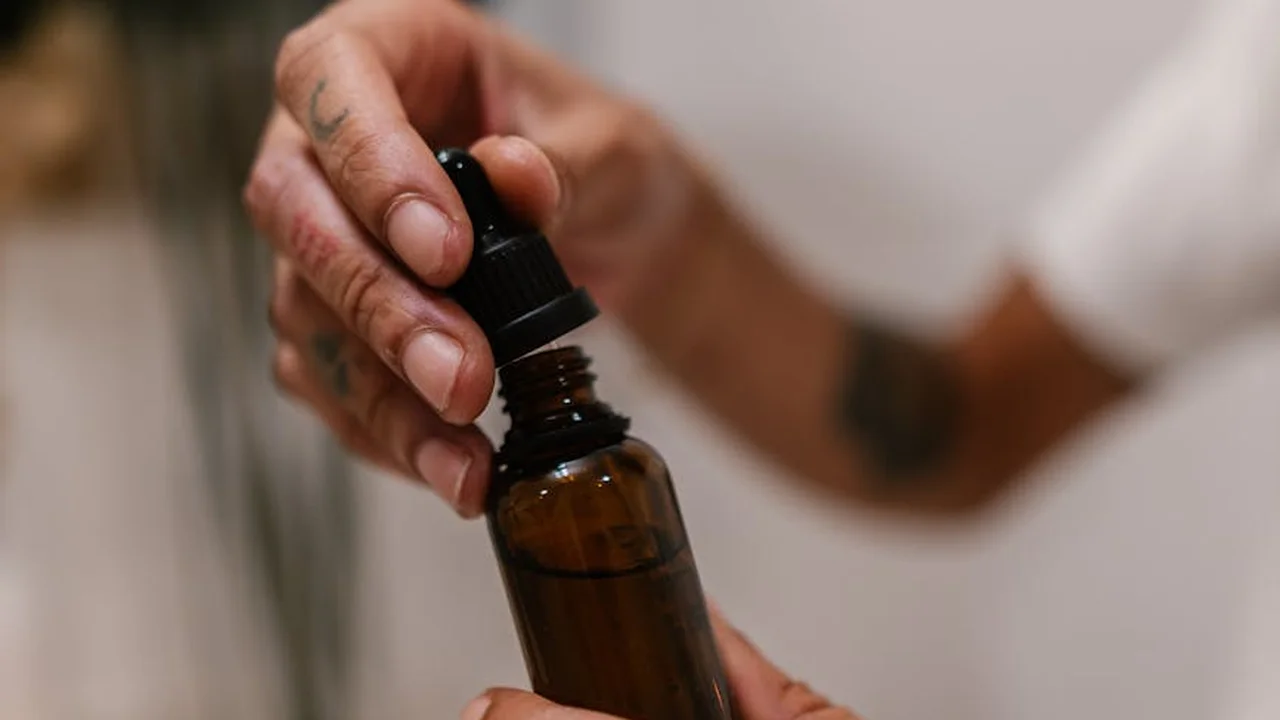
Think of this less as a chore and more as a nurturing ritual. The order matters, but so does your presence in the moment. Let’s walk through it together.
Step 1: Prep Your Canvas (Shower or Bath)
When you step out, grab your towel. Don’t rub your skin dry. Instead, give yourself a few gentle pats until your skin is just damp. This lingering moisture is your best friend.
Applying your products to damp skin is the secret to locking all that hydration in where it belongs.
If your skin feels tight or parched even after a shower, a quick mist can help. I keep a bottle of rose hydrosol on my shelf for this, but plain water in a spray bottle works perfectly. If irritation, itching, or rashes are a concern, you may wonder which essential oils are among the best for skin issues. I’ll share a concise guide on the best essential oils for skin irritation in the next steps.
Step 2: Apply Your Lotion
Now, take your body lotion. Use a generous, comforting amount. Begin massaging it into your damp skin using firm, circular motions.
Work it in thoroughly until you feel it start to sink in and your skin begins to soften. Don’t rush this part. Pay special attention to those drier areas like elbows, knees, and shins.
This consistent, nourishing massage is what helps improve skin elasticity and texture over time, which is the real key when considering oil vs lotion for stretch marks. Additionally, we’ll look at the best natural oils for spots and fading stretch marks. The next steps will include links to specific oil options and application tips.
Step 3: Seal with Your Body Oil
Next, pour a small amount of your chosen body oil into your palms. Rub your hands together briefly to warm it. This wakes up the aroma and makes it easier to spread.
Here’s the shift: gently press and smooth the warmed oil over the skin you just moisturized. Use long, loving strokes. You are not trying to rub it in.
You are letting the oil form a gentle seal over the lotion, trapping all that goodness beneath. This answers a common question: you apply the oil over your damp, freshly-lotioned skin, not on dry skin alone.
Step 4: The Patient Pause
Resist the urge to get dressed right away. Give yourself two or three minutes. Let the symphony of layers settle and absorb properly.
I use this time to take a few deep breaths and simply enjoy the scent drifting up from my skin. It’s a tiny, quiet act of care that makes all the difference.
Common Layering Mistakes and How to Avoid Them
We’ve all been there. Getting the sequence right is one thing, but a few small tweaks can transform the entire experience.
Using Too Much Product
More is not always better. Using too much oil is the fastest way to feel greasy and risk staining your clothes. Start with a dime-sized amount per limb; you can always add a drop more.
Similarly, applying a thick layer of lotion and then adding oil on top can cause pilling, where the products ball up on your skin. A fully absorbed layer of lotion creates the perfect base for your sealing oil.
Choosing the Wrong Textures
Pairing a super thick, buttery body cream with a heavy oil like castor or olive oil can feel like wearing a heavy raincoat over a sweater. It’s simply too much.
Think in terms of balance. Try a light, watery lotion with a richer oil for deep nourishment. Or, pair a rich cream with a fast-absorbing, “dry-touch” oil like fractionated coconut or grapeseed.
Neglecting Skin Readiness
This is the biggest missed opportunity. Applying lotion and oil to skin that is completely dry misses the chance to lock in that primary source of hydration-water. When it comes to applying body and hair oil for maximum benefits, timing is crucial.
Your slightly damp skin is the essential first ingredient in this entire process. Remember, the principle for your skin is internal hydration, which is entirely different from something like oil vs lotion for leather bags, where you’re creating an external, protective seal.
Tailoring the Routine to Your Skin’s Needs
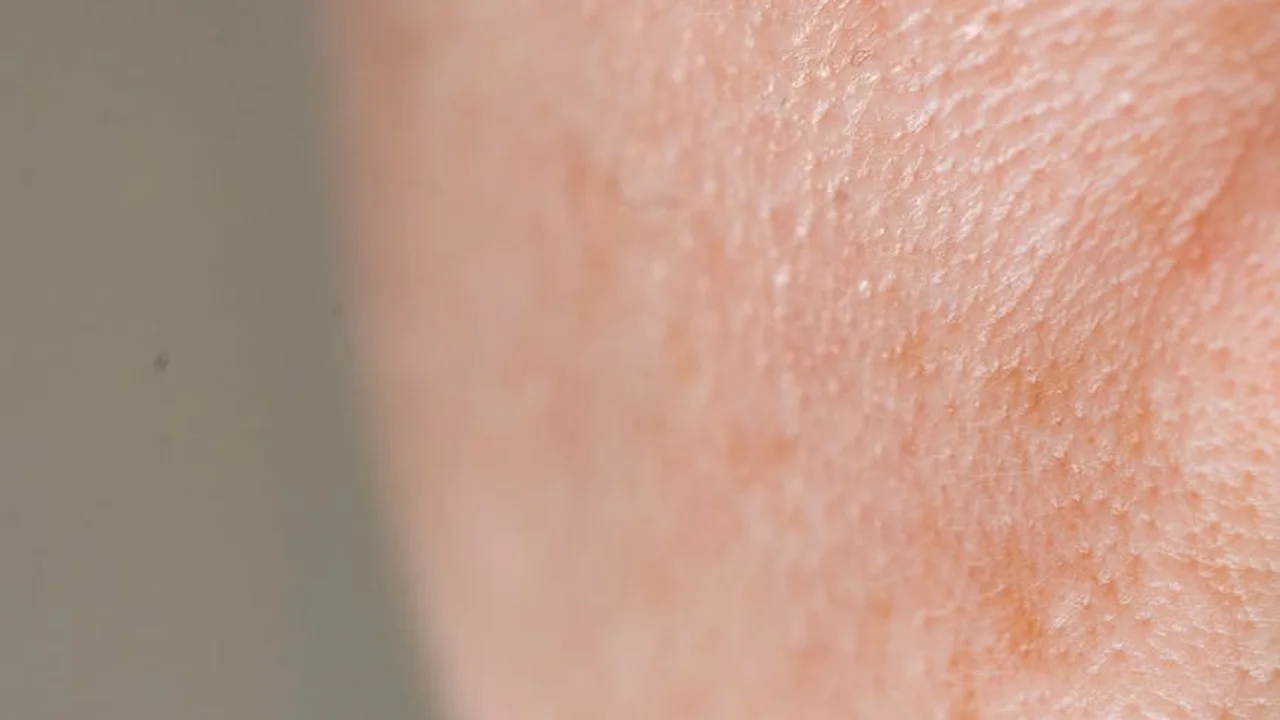
The basic rule of lotion then oil is a great start.
But your skin has its own personality. Let’s adjust the plan to fit you.
If Your Skin is Very Dry or Mature
Your skin will likely thank you for the full layering treatment. Think of it as a double dose of comfort.
Start with a rich, creamy lotion or body butter to deliver that initial hydration. Follow it with a deeply nourishing oil to seal everything in.
I keep a bottle of avocado oil on my bathroom shelf for this exact purpose. It’s thick, luxurious, and feels like a healing hug for parched skin. Rosehip seed oil is another wonderful choice.
Using a body oil every day for this skin type is not just okay, it’s often the key to maintaining a healthy, supple barrier.
If Your Skin is Oily or Acne-Prone
Layering both products might feel like too much. It can lead to a heavy, greasy feeling you don’t want.
Instead, try using a light, non-comedogenic oil all by itself. Apply a few drops to your damp skin right after the shower. Jojoba oil is a star here because it closely mimics our skin’s own sebum.
It can help balance oil production without clogging pores.
Before using any new oil all over, please do a patch test on a small area of skin for a few days. This simple step can save you from a lot of frustration.
For Targeted Concerns Like Stretch Marks
I want to be honest with you. No oil or lotion can erase stretch marks.
What consistent moisturizing can do is remarkable in its own way. It improves overall skin health, elasticity, and texture.
A gentle, daily massage with a nurturing oil like almond or a rich lotion can make the skin in those areas feel softer, smoother, and more pliable over time. The act of massage itself supports circulation and skin resilience. Focus on care, not cure.
Answering Your Other Layering Questions
Let’s clear up a few more common curiosities.
Can You Mix Them Together in Your Hand?
Absolutely. This is my go-to trick on busy mornings.
Pump your usual amount of lotion into your palm. Add two or three drops of your favorite body oil. Rub your hands together briefly to combine, then apply.
This hand-blending method gives you the combined benefits in one speedy step. It’s efficient and feels wonderfully silky.
What About Temperature and Season?
Your skin’s needs change with the weather, and your products can too.
In the humid summer, I switch to lighter lotions and fast-absorbing oils like grapeseed. They hydrate without leaving a heavy film.
When winter winds blow, I embrace richer creams and more viscous oils. Sesame oil is a favorite for cold months. It creates a slightly thicker, protective layer that helps guard against dryness from indoor heat.
Is a Body Oil Safe for My Face?
Proceed with extreme caution here. The skin on your face is far more delicate than the skin on your body.
Body oils are often formulated with stronger fragrances and heavier textures that can irritate facial skin or lead to breakouts.
I strongly recommend using oils specifically made for facial use. They are designed for that delicate terrain. The bottle of rosehip or squalane oil in my facial routine is entirely different from the one I use on my elbows and feet.
Your Layering Questions, Answered
Can I ever apply body oil before lotion?
Only with a very light, fast-absorbing “dry oil” like squalane or grapeseed. In most cases, oil first can block the lotion’s hydration, so sticking to lotion-then-oil is your safest bet for truly moisturized skin.
If I have to choose just one, is oil or lotion better?
Choose lotion if your primary goal is instant hydration. Choose a plant oil if you aim to repair and strengthen your skin’s moisture barrier for long-term resilience.
Do “dry oils” change the layering rule?
No, the rule stays the same. Their quick-absorbing nature simply means you’ll have less wait time before getting dressed after you seal in your lotion with them.
How does layering help with skin conditions like eczema?
The method delivers immediate hydration (from lotion) and then locks it in with a soothing, occlusive oil. Always patch-test any new oil on a small area first to ensure it doesn’t irritate sensitive skin.
Can I use the same oil on my body and face?
I don’t recommend it. Body oil formulations are often heavier and more fragrant, which can irritate delicate facial skin. Opt for oils specifically labeled for facial use, like non-comedogenic jojoba or rosehip.
Nurturing Your Botanical Skincare Ritual
From my shelf to yours, the most reliable method is to apply your lotion first, then gently layer your body oil on top. This simple order lets the lotion’s hydration sink in deeply while the oil seals it in, leaving your skin supple and fragrantly cared for.
I share these practices from my own home apothecary on the blog, and I encourage you to experiment with your favorite oils. Trust this process and your own touch-your skin knows what feels truly nourishing.
Expert Resources and Citations
- r/30PlusSkinCare on Reddit: Stupid question time. Body oil vs lotion. Is there s difference in why to use one or the other?
- Body Oil vs. Lotion: What’s the Difference?
- Body Oil vs Lotion: Where They Fit in Your Routine | Augustinus Bader US
- Body Oil vs Body Butter: Which Is Better for Moisturizing Skin?
- Body Oil Vs. Lotion: Everything You Need To Know
- Body Oil vs Lotion: The Differences & How to Choose – Gisou EU
Noemi Kamińska
Noemi is an accomplished wellness researcher, nutrition care guide and body care expert. She has years of experience in formulating various oil combinations for full body wellness including face, hair, body care, essential oils and cooking oils. She works as a bio-formulator working with oil chemistry and analyzing the best formulations when it comes to your needs. Feel free to reach out to get your oil needs sorted.