
Should You Apply Facial Oil Before or After Moisturizer?
I’ve mixed up this order myself, standing at my bathroom shelf with a bottle of rosehip oil in one hand and moisturizer in the other. Getting the sequence right isn’t about rules, it’s about what makes your skin feel nourished and balanced.
You can use facial oil both before and after moisturizer, and I’ll show you how to choose based on your skin’s needs.
- Why the order changes for dry versus oily skin
- A simple method to test textures on your hand
- My favorite way to layer oils for a glowing finish
A Quick Snapshot: The Oil-Moisturizer Order
Think of this as your cheat sheet. The right order depends on what you want your skin to feel and do.
| Oil Before Moisturizer | Moisturizer Before Oil |
| The primary goal here is to let a light, fast-absorbing oil prepare your skin. It softens the surface so your moisturizer can sink in deeper. | The goal shifts to sealing. You apply your water-based moisturizer first to deliver hydration, then lock it all in with a protective oil layer. |
| This works well for skin that feels tough, flaky, or uneven. It’s like giving your skin a primer of softness. Dry, combination, and normal skin types often enjoy this method. | This is a champion for very dry, dehydrated, or sensitive skin that needs a protective seal. It prevents moisture from escaping into the air overnight or throughout the day. |
| Best for: Prepping a dry canvas for better moisturizer absorption. | Best for: Creating a lasting, occlusive barrier to trap hydration. |
How Your Skin Drinks Up Layers: A Simple Science
Your skin absorbs products best when you apply them from the thinnest, wateriest consistency to the thickest, richest one.
Picture your skin like a dry sponge. If you pour water (think toner or a hyaluronic acid serum) on it first, the sponge soaks it up. Now, if you rub a bit of beeswax (your oil or thick cream) on that damp sponge, the wax seals the water inside. The wax sits on top.
If you put the wax on first, the water just beads up and rolls right off. It can’t get through.
This is the core idea behind layering: water-based hydration first, oil-based sealing second.
Most moisturizers are full of humectants like glycerin. These are ingredients that attract and pull water molecules into your skin. They need to go on clean, slightly damp skin to work their best.
Facial oils are primarily occlusives. They create a thin, protective film on the skin’s surface. This slows down water loss, keeping all that good hydration from your moisturizer right where you want it.
So, how do they work together? The moisturizer quenches your skin’s thirst. The oil puts a lid on it to stop evaporation. When I use my light bottle of rosehip oil, I choose its place in my routine based on what my skin needs that day. Do I need the softening effect first, or the sealing power last? That’s your daily decision.
The Step-by-Step Guide to Layering for Your Skin
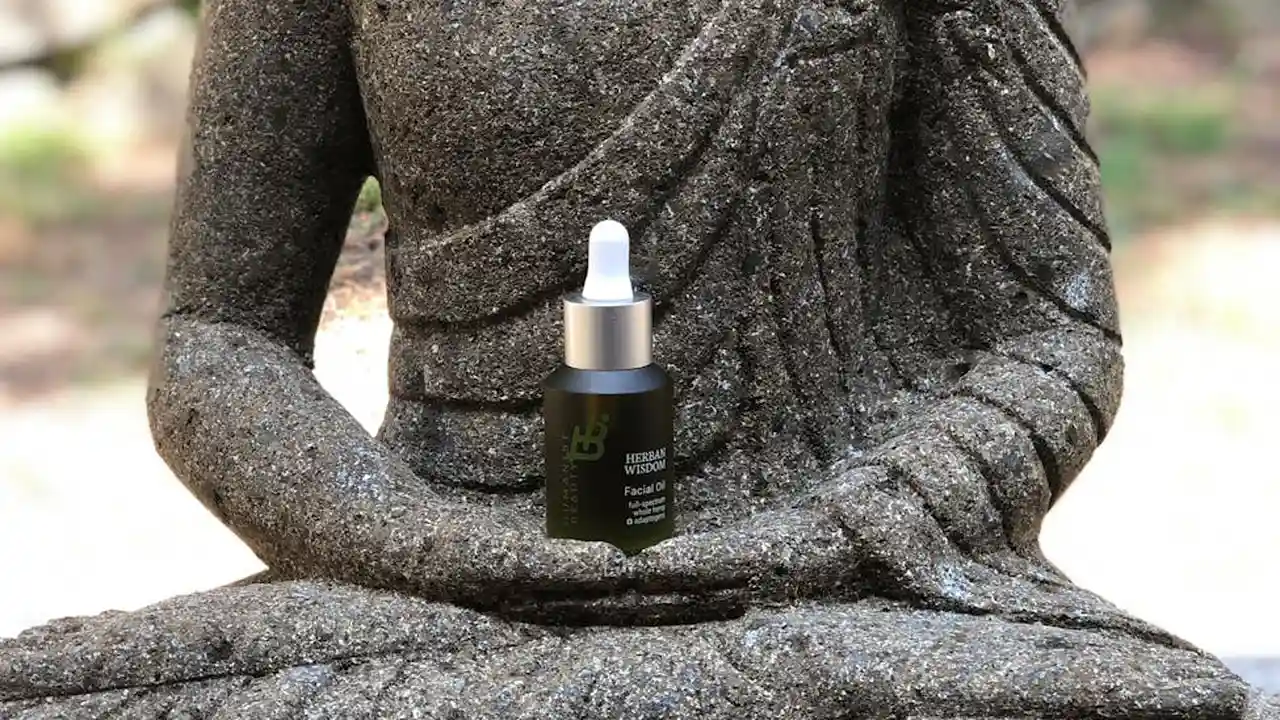
Layering products isn’t complicated when you know the basic rule.
Apply your facial oil after water-based products but before or after cream, depending on your goal. This simple guideline is your key to a glowing routine.
Follow these steps to build your skincare from thinnest to richest texture.
- Cleanse. Start with a clean canvas using your favorite gentle cleanser.
- Tone or Apply Serum. Pat your face dry with a soft towel. Do you put products on wet or dry skin for this step? Apply toners and serums to damp, not dripping, skin. The slight moisture helps these water-based formulas absorb better.
- Moisturize or Oil. This is your decision point. Wait a moment for your serum to sink in, then follow either the “Seal-It-In” or “Soak-and-Softem” method below.
- Sun Protection (AM only). In the morning, sunscreen is your non-negotiable final step.
Here’s a pro-tip from my own routine: always warm your oil between your palms for five seconds before gently pressing it onto your face. The warmth helps it blend seamlessly with your skin’s natural lipids.
For Most Skin Types: The “Seal-It-In” Method
This is my go-to method for most of the year. The order is cleanse, tone, serum, moisturizer, then oil.
Think of your facial oil as the final, protective lid on your skincare jar. It creates a light barrier that seals in all the hydration from the previous steps.
This method is fantastic for daytime use and for normal, combination, or even oily skin types that still want oil’s benefits without heaviness. If you’ve searched “oil before moisturizer reddit,” you’ll find this is the consensus answer for balanced skin. It leaves a soft, satin finish.
For Very Dry or Mature Skin: The “Soak-and-Softem” Method
When skin feels parched, thirsty, or looks crepey, flip the script. The order here is cleanse, tone, serum, oil, then moisturizer.
This lets the oil sink directly into a dry, thirsty barrier to nourish it first. Your cream moisturizer then layers on top to lock that oil and all the underlying hydration in place. It’s a double-dose of comfort.
This sequence directly answers the common question, “moisturizer before oil for dry skin?” with a clear alternative that provides deeper penetration.
What Helped Me: My Winter Skin Switch-Up
I live by the “Seal-It-In” method in summer with a light rosehip oil. When winter winds hit, my cheeks feel tight and papery by noon. That’s my cue to switch. I now apply a few drops of rich prickly pear seed oil before my thick shea butter cream. The difference isn’t subtle. My skin drinks it in for a deeper, lasting comfort that holds up against indoor heating all day. It’s especially effective after learning how to use rosehip oil and other botanical face oils properly.
Can You Mix Oil and Moisturizer Together?
Yes, you absolutely can. I do it often for a quick, unified application.
Mixing is a great middle path, especially if applying a separate oil feels like too much. It can feel lighter and is undeniably convenient.
Just know the trade-off. Blending them in your hand can dilute the precise concentration of active ingredients in your serum or moisturizer. For a simple hydrating routine, it’s perfect. For targeting specific concerns with a potent serum, layering is better.
The safe way to mix: drop just 1-2 drops of facial oil into your palm with your usual dollop of moisturizer, rub your hands together to emulsify, then press and smooth over your face. It’s a wonderful, non-intimidating way to start.
Choosing Your Botanical Oil: A Quick Guide by Skin Need
Think about what your skin is asking for, not just the name on the bottle. The texture of an oil tells you everything.
Light, dry-feeling oils are perfect for oily or combination skin. They mimic your skin’s natural sebum and sink in fast. If you want moisture but fear grease, jojoba or squalane oil are brilliant first choices. I keep a bottle of squalane on my bathroom shelf year-round for this exact reason.
Richer, more viscous oils are a gift for dry or mature skin. They feel more substantial and provide a deeper, longer-lasting layer of comfort. For skin that feels tight or flaky, a few drops of avocado or marula oil can be transformative. They have a lovely, buttery glide.
What About Body Care?
This brings us to a common question: are body oils better than lotion? They do different jobs. A lotion or cream delivers hydration (water). An oil acts as an occlusive, sealing that moisture in. They work best as a team. Try applying your lotion to damp skin, then following with a light layer of oil to lock it all in. Your skin will feel plump and soft for hours. If you’re unsure about the order, a quick step-by-step guide can help. It covers whether to apply oil before or after lotion for optimal skin hydration.
Common Layering Hiccups (And How to Fix Them)

Even with the right oil, things can get tricky. Here’s how to smooth out the process.
Why Your Oil Isn’t Absorbing
If your oil just sits on top, check your canvas. Applying to dirty skin is like painting on a dusty wall. Cleansing first is non-negotiable. Biochemistry teaches that the right oil dissolves dirt and sebum without stripping skin. Oil cleansing applies that principle to lift impurities while keeping skin balanced.
Also, the dampness of your skin matters. I find a slightly damp face ideal. Applying oil to skin that is too wet can create a barrier, while bone-dry skin may drink it up too fast without proper spread. Pat your face with a towel, leaving it dewy, not dripping.
Should You Massage Oil Into Skin?
Yes, but be gentle. Harsh rubbing can tug and irritate. Warm a few drops between your palms and press them gently onto your face and neck. Use upward, circular presses to encourage absorption and circulation. This isn’t a deep tissue massage; think of it as a calming press.
Dealing with Pilling
When your skincare starts to ball up, it’s frustrating. This pilling often happens when water-based products meet silicone or heavy oils. Pilling is usually a sign of incompatible formulas or applying layers that are too thick, too quickly. Let each product absorb for a minute before adding the next. If it persists, you may need to switch the order or find simpler formulations.
A Note for Beards
For the “oil before moisturizer beard” question, the logic is similar. Apply your beard oil to clean, towel-damped skin and hair first, massaging it down to the skin. This conditions the beard and the skin underneath. In practice, this step is often part of a daily beard care routine. Many beards benefit from applying beard oil daily, with adjustments based on skin type and beard length. After it absorbs, you can apply your regular facial moisturizer to the surrounding skin on your cheeks and neck.
When to Seek Professional Help
I adore what oils can do for skin. My whole apothecary shelf is a testament to that. Still, they are partners in care, not replacements for medical advice. I always make sure to check for hypoallergenic options and patch test oils before using them extensively.
Think of your facial oils as a wonderful support act, not the headlining doctor. They work beautifully alongside professional treatments but should not be substituted for them.
Seeing a Dermatologist is Smart Care
If you’re dealing with ongoing skin issues, a professional opinion is invaluable. I always tell my friends this.
Schedule a visit if you have persistent, painful acne, patches of severe eczema, or any sign of an allergic reaction like swelling or hives. A dermatologist can diagnose the root cause and create a plan that might include where oils fit safely for you.
The Non-Negotiable Patch Test
I patch test every new oil, every single time. It’s a simple habit that prevents big problems.
Mix a tiny drop of your facial oil blend (diluted as normal) and apply it to your inner forearm. Cover it with a bandage and leave it for 24 hours.
This step is absolutely critical if you have known nut allergies, as many beloved carrier oils like sweet almond or apricot kernel come from tree nuts. Redness or itchiness means that oil isn’t for you.
Listen to Your Skin’s Signals
Your skin might feel a new sensation with an oil, like a slight warmth from ginger or a cooling touch from helichrysum. That’s often okay.
A genuine burning feeling or a stinging pain is your skin asking you to stop immediately. Rinse the area with a gentle cleanser. That reaction is not normal and means the formulation isn’t right for your skin at this moment.
Quick Answers from Your Plant Ally
Is there a “right” order for everyone?
Not exactly-your ideal order is a personal recipe based on your skin’s needs that day. Think of it as choosing to nourish first with oil or seal last with it for maximum benefit.
My moisturizer is already oily. Do I need a separate facial oil?
Not necessarily; a well-formulated cream may be sufficient. A standalone botanical oil allows you to customize the type and amount of lipid nourishment your skin receives.
I saw advice on Reddit saying oil always goes last. Is that true?
It’s an excellent general rule for sealing moisturizer, but for very dry or mature skin, applying oil before moisturizer can provide deeper, more softening nourishment.
How does this work for my beard and the skin underneath?
Always apply your beard oil directly to clean, damp skin and beard hair first to condition both. You can then moisturize the surrounding skin on your face if needed. Make sure you know how to apply beard oil and balm properly to get the best results.
What if my skin feels tight even after using oil?
Tightness often signals dehydration, not just dryness. Try applying a hydrating toner or serum to damp skin first, followed by your moisturizer, and *then* your oil to seal all that water in.
Finding Balance in Your Oil Ritual
Stick with applying your facial oil after moisturizer to effectively seal in hydration. This order allows your skin to absorb water-based moisture first, then locks it in with a protective, nourishing layer of oil. In Korean skincare, facial oils are often used as a final seal after water-based layers, making layering compatibility straightforward. This helps you incorporate oils seamlessly into your routine.
I write regularly about blending oils for body, hair, and home on the blog-follow along for more shared wisdom. Trust your own senses and skin’s response as you experiment; your personal experience is the best guide, especially when you learn how to mix essential oils with carrier oils.
Research and Related Sources
- How to Use a Face Oil in Skin Routine | World of Kiehl’s | Kiehl’s UK
- r/Sephora on Reddit: Skincare help: should I put a facial oil on over or under moisturizer?
- Should You Use Face Oil Before or After Moisturizing? | 100% PURE
- Face Oil or Moisturizer First? Settling the Debate | goop
- Should You Put On Face Oil Before Or After Moisturizer? – Kinship
- How to Incorporate Face Oils into Your Skincare Routine | The Ordinary | The Ordinary
Noemi Kamińska
Noemi is an accomplished wellness researcher, nutrition care guide and body care expert. She has years of experience in formulating various oil combinations for full body wellness including face, hair, body care, essential oils and cooking oils. She works as a bio-formulator working with oil chemistry and analyzing the best formulations when it comes to your needs. Feel free to reach out to get your oil needs sorted.