
What Role Do Oils Really Play in Your Mayonnaise and Vinaigrettes?
That moment when your vinaigrette splits or your mayonnaise turns oily can make you want to give up. I’ve rescued plenty of my own batches, and I promise, a little oil knowledge builds unshakeable kitchen confidence.
In my home apothecary and kitchen, treating oils as the main character, not just an ingredient, is what leads to silky, stable results every time.
- Why the weight and flavor of your oil make all the difference.
- My hands-down method for perfect, creamy mayonnaise.
- Building a basic vinaigrette you can adapt with any oil on your shelf.
- Simple fixes for when your emulsion starts to separate.
Key Takeaways
After many years of blending oils for both my apothecary and my kitchen, I’ve found these principles never fail. They’re the foundation of every silky dressing and rich mayo on my shelf.
-
Oil acts as the continuous phase, providing the luxurious body and richness that makes emulsions so satisfying. It’s the lush, velvety base that carries flavor and gives the mixture its substance.
-
An emulsifier, like egg yolk or a dab of mustard, is the essential peacekeeper you can’t skip. It’s the ingredient that convinces oil and water to mix and stay mixed.
-
Adding oil slowly is the non-negotiable secret to success. A steady, thin stream while whisking is what builds a stable emulsion from the ground up.
-
The oil’s flavor and fat profile define the final product completely. A peppery extra virgin olive oil creates a bold vinaigrette, while a mild, high-oleic sunflower oil makes for a neutral, creamy mayonnaise.
What’s Really Happening When Oil and Water Mix?
Let’s break down the magic. It’s less about chemistry and more about understanding a good partnership.
An emulsion is simply a suspended mixture. Picture a storm of tiny oil droplets floating in vinegar, held in place just long enough to coat your greens. It’s a temporary truce, much like oil cleansing on skin.
That shaken vinaigrette is a temporary emulsion. It looks united for a minute, then separates. Mayonnaise, with its emulsifier, is permanent. It stays creamy and combined for days in your fridge.
The primary role of the oil is to form the thick, luxurious body that coats and carries flavor. In a vinaigrette, it’s the silky film on your tongue. In mayo, it’s the rich, creamy spread that holds your sandwich together.
This is where the emulsifier steps in. Its job is to bridge the two worlds. Lecithin in an egg yolk is my go-to example. I think of it as a molecule with one arm hooked to an oil droplet and the other holding onto water. It’s the ultimate mediator, creating a stable, permanent bond.
Choosing Your Botanical Partner: A Guide to Oils
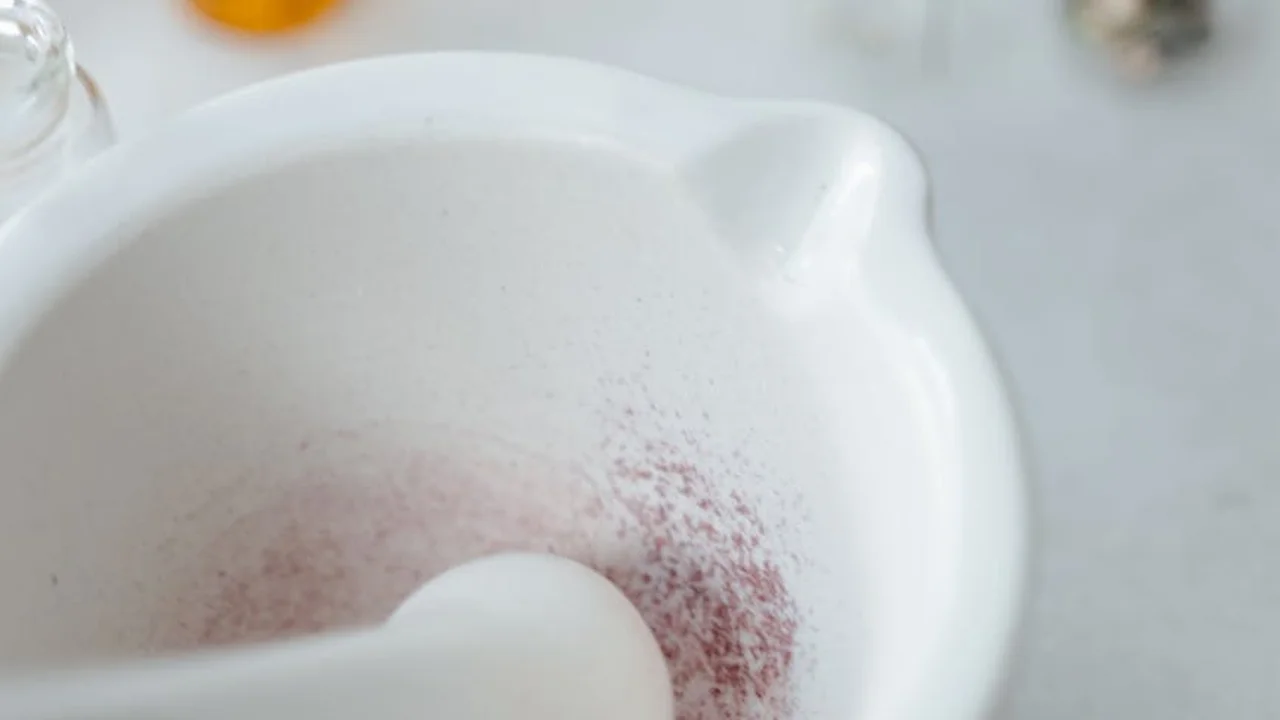
The oil you choose is the main ingredient. Its flavor and character come through directly in your finished sauce or dressing.
Think of oils as having voices. A neutral oil like grapeseed or sunflower has a light, quiet voice. It lets other flavors like lemon or herbs sing. A robust extra virgin olive oil has a bold, resonant voice. It’s the star of the show.
The oil’s fat makeup determines how well it holds an emulsion. Oils high in polyunsaturated fats, like most seed oils, create very stable, thick emulsions. Oils higher in monounsaturated fats, like olive or avocado, make slightly lighter, more delicate ones.
For the most reliable results, match the oil’s personality to your recipe’s goal.
My shelf always has a mild, refined avocado oil for mayo and a fragrant, grassy olive oil for vinaigrettes.
Oils for a Graceful Vinaigrette
This is where you want an oil with personality. A good, grassy extra virgin olive oil is my kitchen staple. For a nutty twist, I love walnut oil. Unrefined avocado oil brings a buttery richness, unlike refined avocado oil which is often used for cooking due to its higher smoke point.
Notice how many vinaigrette recipes include mustard? It’s not just for bite. The compounds in mustard act as a secondary emulsifier, giving those oil and vinegar droplets something extra to cling to.
Mustard anchors the flavor and helps your vinaigrette stay silky and unified for longer.
The classic ratio is three parts oil to one part acid. I suggest you treat that as a starting point. Try a 2-to-1 ratio for a brighter, punchier dressing you might prefer.
Oils for Stable, Creamy Mayonnaise
For a classic, creamy mayo with a neutral flavor, choose a refined oil. A light-tasting olive oil, avocado oil, or even sunflower oil works perfectly. Pick a truly neutral oil to let the other flavors shine.
I advise against using 100% strong extra virgin olive oil. Its intense, peppery notes can become bitter when whisked raw into mayo. Its composition can also make the emulsion a bit weepy, especially when used in homemade mayonnaise.
A bitter, broken mayo is often the result of choosing an oil that’s too robust for the job.
For the best balance, I make a blend. A 50/50 mix of a light olive oil and a completely neutral oil gives you a stable texture with just a hint of olive character.
How to Make a Vinaigrette That Stays Together
Grab a small jar with a tight lid. This is your easiest tool. My master formula is simple: 1 tablespoon acid, 1 teaspoon emulsifier (like mustard or honey), 3 to 4 tablespoons oil, plus salt and any herbs.
Always start with your wet ingredients and emulsifier in the jar. Add your acid, mustard, and a pinch of salt first. Secure the lid and give it a good shake to dissolve the salt and combine.
Now, add your oil. Pour it in slowly while whisking vigorously, or add it all to the jar and shake like crazy for a full minute.
A successful emulsion won’t look like oily water; it will turn creamy, slightly opaque, and coat the back of a spoon.
Here’s my favorite test. Let your dressed salad sit for ten minutes. A poor emulsion will separate quickly, leaving a clear pool of oil on top. A good one will only slowly develop a thin, shiny layer, meaning it held together beautifully while you ate.
The Foolproof Path to Homemade Mayonnaise
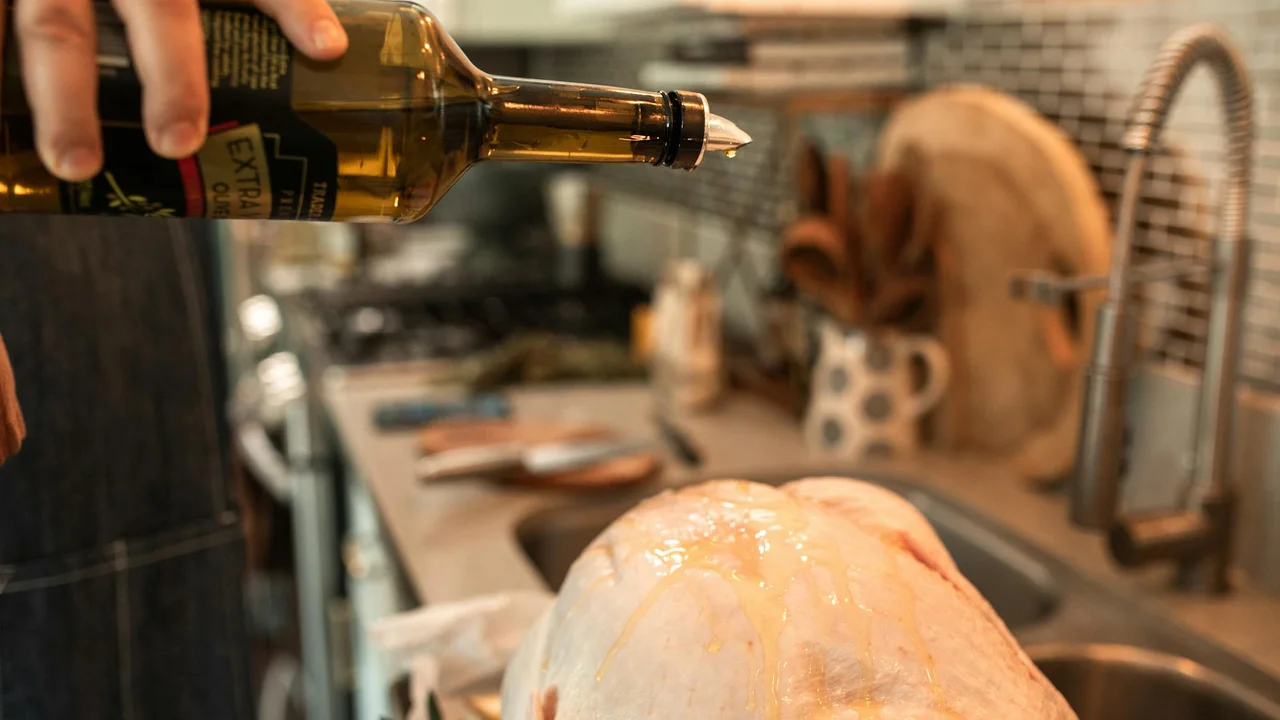
Before you even crack the egg, get everything out on the counter. Cold ingredients are the enemy of a smooth, stable emulsion.
Room temperature oil and egg yolk blend together seamlessly, creating that creamy texture we love.
Your Tools: The Immersion Blender Method
This is the method I use every single time. It’s fast, it’s clean, and it almost never fails. You’ll need a tall, narrow container that just fits the head of your immersion blender.
- Place one large room-temperature egg yolk, a teaspoon of vinegar or lemon juice, a pinch of salt, and a teaspoon of mustard (your emulsifier) into the bottom of your container.
- Pour one cup of a neutral-tasting oil (like sunflower or light olive oil) carefully over the back of a spoon so it layers on top of the yolk mixture. Do not mix yet.
- Submerge the blender head all the way to the bottom. Turn it on to high and hold it perfectly still for 10-15 seconds. You will see a white vortex of mayo form at the bottom.
- Now, slowly and gently tilt and lift the blender up through the oil. That’s it. The machine does the work of slowly incorporating the oil for you.
The key is letting the emulsifiers in the yolk and mustard build their structure before introducing the bulk of the oil.
Think of it like building a net. You weave the first few strands carefully. Once that web is strong, you can add more material quickly without it falling apart.
Watch your mixture transform. It will thicken noticeably and turn a beautiful, pale cream color as air gets whipped into the stable emulsion.
Common Mistakes and How to Avoid Them
The number one reason mayonnaise breaks is impatience. Adding the oil in a rushing stream overwhelms the emulsifier’s ability to surround each fat droplet.
Pouring oil too fast is like trying to catch a firehose with a butterfly net-the structure just can’t hold.
Other Culprits to Sidestep
- Cold Ingredients: Chilly egg yolk is sluggish and won’t bond well with the oil.
- Wrong Oil Type: Extra virgin olive oil has a very strong flavor and can be unstable. Save it for vinaigrettes. For a neutral mayo, use a light, refined oil.
- Insufficient Emulsifier: That teaspoon of mustard or the lecithin in the egg yolk is non-negotiable. Don’t skip it.
The Simple Rescue
Your mayo looks thin, greasy, and separated. Do not panic. I have a small bowl just for this purpose in my kitchen.
Everyone breaks a mayo at some point. It’s a rite of passage. Here is how to fix it.
- Get a clean, medium bowl. Place one new room-temperature egg yolk in it.
- Whisk the new yolk vigorously with a wire whisk. Now, start adding your broken, separated mayonnaise mixture to it drop by drop, just like you should have with the oil.
- Once about a quarter of the broken mixture is incorporated and you see a thick, creamy base forming, you can start adding the rest in a slow, steady stream, whisking constantly.
You are essentially giving the emulsion a fresh, strong foundation to rebuild upon. It works like a charm.
Emulsions Beyond the Kitchen: For Skin, Hair, and Home
Once you see how mayonnaise works, you start seeing emulsions everywhere.
Making a simple lotion follows the same exact principle as making mayo.
It’s just water, oil, and an emulsifier whisked into a stable, creamy blend for your skin. The silky texture of a good moisturizer? That’s a successful emulsion at work.
You can create beautiful, simple blends for your home without complex preservatives.
My favorite quick project is a linen spray.
You will need a small spray bottle, your favorite floral hydrosol, a lightweight oil like fractionated coconut, and a solubilizer.
- Fill your bottle 95% with the hydrosol (like rose or lavender water).
- Add 1-2 teaspoons of your light oil.
- Add about half a teaspoon of a solubilizer, which acts as the emulsifier.
- Shake vigorously before each use to temporarily blend the water and oil into a fine mist.
It leaves a light, non-greasy scent on fabrics. I keep one with orange blossom water on my laundry shelf.
This basic knowledge is a powerful tool when you shop.
Understanding emulsions helps you identify stable, effective store-bought products that won’t separate or feel greasy. Look for ingredients like lecithin or cetearyl alcohol in the list-these are the emulsifiers doing the hard work.
For years, my homemade hair serums were either too watery or left a slick residue.
I was just mixing oils and aloe vera gel, hoping they’d stay together.
Applying the emulsion principle changed everything. I now use a tiny bit of vegetable emulsifying wax to bind aloe, rosemary hydrosol, and argan oil.
Knowing this finally helped me make a balanced, non-greasy hair serum that actually works and stays blended in the bottle.
Alternative Botanical Applications
This concept extends into gentle wellness remedies, too.
A calming oatmeal bath soak benefits from emulsification.
Blend finely ground colloidal oatmeal with a spoonful of a light oil and a drop of polysorbate 80 (a gentle solubilizer).
This helps disperse the oil’s moisturizing benefits evenly in the bathwater, instead of it floating on top, creating a skin-soothing milky bath.
For your home, you can make a powerful herbal cleaning spray.
Fill a bottle with white vinegar and a handful of fresh rosemary sprigs. Let it infuse for a week, then strain.
To add disinfectant essential oils like lemon or tea tree, you must emulsify them into the vinegar water.
Add a teaspoon of solubilizer to your infused vinegar, then add your essential oils (about 20 drops total), and shake.
This quick-blend herbal vinegar cleaner uses emulsification to suspend and evenly distribute the essential oils, making your cleaning solution much more effective. If you’re curious about what happens when oil and vinegar mix, you’re tapping into the basics of separation and emulsions and how stability is achieved. These ideas also connect to culinary uses and body-care formulations. Always patch-test on surfaces first.
Your Questions, Answered
Why is mustard so common in vinaigrettes?
Mustard serves a brilliant double duty: its sharp flavor builds complexity, while its natural mucilage acts as a gentle emulsifier. This helps bind the oil and acid into a silkier, longer-lasting mixture on your greens.
How does my oil choice affect a vinaigrette’s stability?
Beyond flavor, an oil’s fatty acid profile influences cohesion. Oils higher in polyunsaturated fats, like sunflower or safflower oil, often create more stable emulsions than those very high in monounsaturated fats, like some robust olive oils.
What’s the one secret to unbreakable mayonnaise?
Patience is your most important tool. Adding the oil in a slow, thin stream allows the emulsifiers in the egg yolk to thoroughly encase each fat droplet, building a strong, stable structure from the very start.
Can I use any botanical oil for mayonnaise?
You can, but for a classic, neutral mayo, a refined oil like avocado or light olive oil is best. Strongly flavored oils like extra virgin olive oil or unrefined walnut oil can dominate the flavor and sometimes compromise the emulsion’s stability.
Final Whispers from the Oil Shelf
The most crucial step is always to incorporate your oil with a slow, steady pour, letting the emulsion build its strength quietly. This patience is the same care I use when blending a facial serum, and it guarantees a stable, silken result for your dressings and spreads.
I share many more practical blends on Botanical Oils, and I truly hope you’ll feel confident to experiment with the oils you have. I also love highlighting simple, at-home oil crafts. For example, you can try making avocado, olive, lavender, and peppermint oils in your own kitchen. Trust your hands and your intuition-they are your most reliable tools for bringing wellness from your kitchen into your daily life.
Noemi Kamińska
Noemi is an accomplished wellness researcher, nutrition care guide and body care expert. She has years of experience in formulating various oil combinations for full body wellness including face, hair, body care, essential oils and cooking oils. She works as a bio-formulator working with oil chemistry and analyzing the best formulations when it comes to your needs. Feel free to reach out to get your oil needs sorted.