
Can Makeup Be Kind to Your Pores? Understanding Non-Comedogenic Ingredients
If you love makeup but dread the clogged pores and breakouts that can follow, I get it-I’ve tested countless oils and balms on my own combination skin. Non-comedogenic ingredients are simply those proven not to block your pores, letting your skin function normally even under foundation.
This article explains how these smarter ingredients work and how to spot them.
- The simple science behind the “non-comedogenic” label
- How these ingredients create a barrier that doesn’t trap debris
- Common non-comedogenic oils and butter I keep in my kit
- Comparing product textures for different skin types
A Quick Snapshot: Comedogenic vs. Non-Comedogenic
| Term | What It Means | Common Feel on Skin | Likely Outcome for Pores |
|---|---|---|---|
| Comedogenic | An ingredient with a high likelihood of blocking a pore follicle and causing a clog. | Often feels heavy and waxy. It can sit on top of skin like a coating. | Pores become blocked, which can lead to blackheads, whiteheads, and acne. |
| Non-Comedogenic | An ingredient formulated to avoid blocking pores. | Typically feels light and breathable. It sinks in without a greasy residue. | Pores stay clear and able to function normally, which supports healthy skin. |
How Non-Comedogenic Ingredients Keep Pores Clear
Imagine a pore is a small doorway. Ingredients are like differently shaped objects trying to pass through.
Some non-comedogenic molecules are simply too large to fit into the pore opening in the first place. They sit on the surface and do their job without ever venturing inside.
Other ingredients have a molecular shape that mimics your skin’s own natural lipids, so your skin recognizes them as friendly.
These compatible oils can nourish the skin barrier without disrupting the pore’s natural flow. It’s like using a key that fits the lock perfectly instead of jamming the mechanism.
They prevent clogged pores by either being physically unable to block the passage or by working in harmony with your skin’s biology.
The Botanical Connection: Skin-Friendly Oils
Here’s a truth I share with everyone: non-comedogenic does not mean oil-free. Your skin needs good oils.
Many plant-based oils are naturally non-comedogenic and brilliant for skin, precisely because of their light molecular structure.
These oils absorb quickly and provide deep nourishment without leaving a pore-clogging film behind.
My shelf always has a few of these heroes:
- Jojoba Oil: This is a liquid wax ester that closely mirrors human sebum. Your skin accepts it easily, so it hydrates without clogging.
- Argan Oil: It has a fine, silky texture. Rich in vitamin E, it sinks in fast and leaves skin soft, not slick.
- Rosehip Seed Oil: A dry oil packed with fatty acids. It feels thin and absorbs almost instantly, making it ideal for face serums.
- Hemp Seed Oil: Incredibly light and non-greasy. It’s superb for balancing oily skin because it moisturizes without added heaviness.
Jojoba oil is my personal favorite for daily use. I keep a bottle by my sink for a post-cleanse serum.
Always source these oils from reputable suppliers to ensure purity, and for facial use, a few drops blended into your moisturizer is often enough. For facial skincare, you might want to know which almond essential oils are best for the complexion. The next steps will explore that topic further.
Finding Non-Comedogenic Products: A Label-Reading Guide
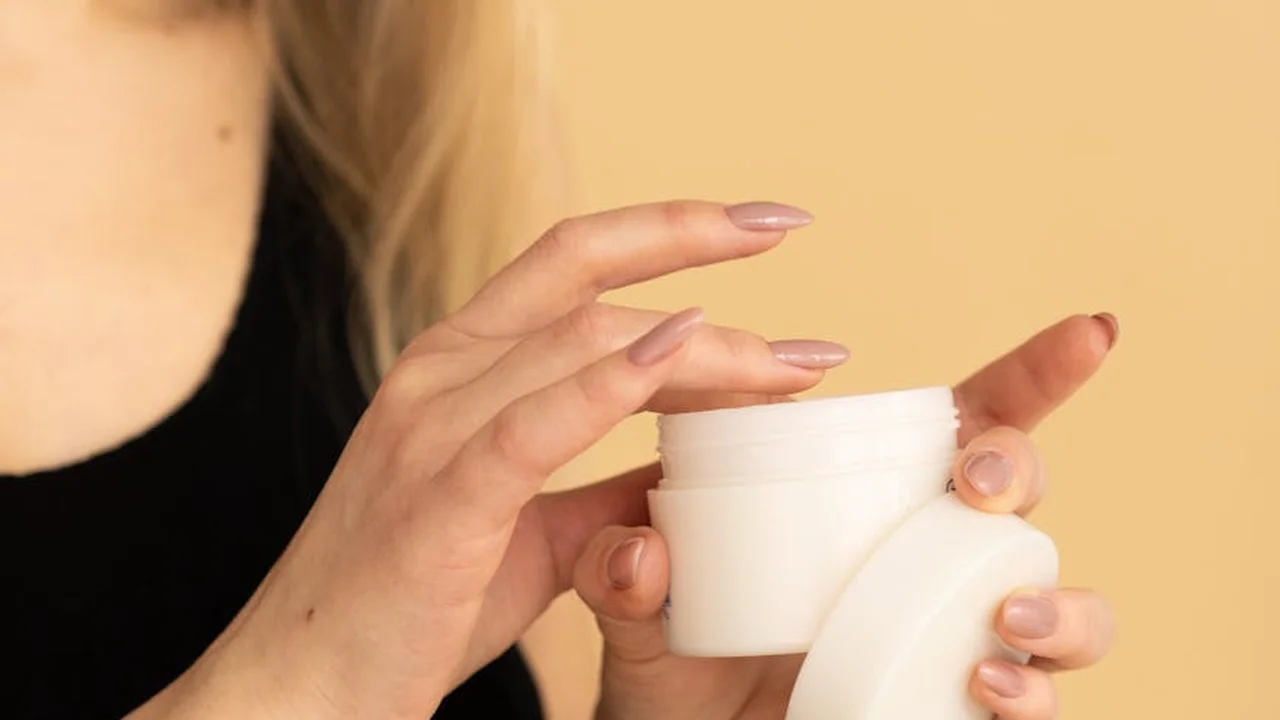
Finding a product that won’t clog your pores starts with a careful look at the packaging.
Your first stop is the front of the bottle or box, where you might see “non-comedogenic,” “non-acnegenic,” or “won’t clog pores” printed. This is a good sign, but it’s not the final step. If you’ve ever wondered, it’s pronounced non-koh-mee-doh-JEN-ik.
Next, flip the product over. You must read the full ingredient list, usually on the back. The marketing claim is a promise, but the ingredient list is the proof. Ingredients are listed from highest to lowest concentration.
Get familiar with the names of a few key lightweight and heavier ingredients. Over time, you’ll learn to spot the formulations that are more likely to work for you.
When in doubt, I look up unfamiliar ingredients on my phone right in the store aisle. A quick search can tell you a lot about an oil or wax’s comedogenic rating.
Ingredients to Welcome
These are the workhorses of clean-feeling makeup and skincare. They hydrate, bind, and provide slip without feeling heavy.
Lightweight Oils and Emollients: These mimic your skin’s natural lipids without overwhelming it. Look for squalane (often derived from olives), caprylic/capric triglyceride (from coconut, but highly processed to be light), and hemisqualane. In my own blends, I often reach for meadowfoam seed oil or cranberry seed oil for their silky, non-greasy feel, especially for oily and combination skin.
Humectants: They draw water into the skin. Hyaluronic acid and glycerin are classic, non-comedogenic choices that give a plumping effect without oiliness.
Powders: Mineral makeup bases like silica, mica, and zinc oxide are inherently non-comedogenic. They help mattify and provide coverage by sitting on the skin’s surface.
Ingredients to Approach with Caution
This list isn’t about “bad” ingredients. Many are wonderfully nourishing. They are simply known to be common pore-cloggers for many people.
Heavier Oils and Butters: Coconut oil, cocoa butter, and wheat germ oil are highly comedogenic for most. I love them in body balms, but I keep them far from my face serums. Lanolin, a wool-derived wax, is another frequent culprit.
Waxes and Heavy Emollients: Ingredients like red algae, cottonseed oil, and some forms of laureth-4 can be problematic. Isopropyl myristate and palmitate, used to make textures creamy, are also known to clog.
Your skin is unique. An ingredient that causes breakouts for one person might be perfectly fine for another. This is why patch testing is non-negotiable.
Always patch test a new product, even one labeled non-comedogenic, on a small area of your jawline or neck for a few days before applying it to your entire face. It’s the only way to know for sure how your skin will react.
Who Truly Benefits from Non-Comedogenic Makeup?
If you have oily, combination, or acne-prone skin, non-comedogenic formulas should be your first choice. They allow your skin to breathe and can prevent makeup from exacerbating breakouts. You get the coverage you want without the clogged pores you don’t. Wondering whether the best non-comedogenic skincare products truly fit oily, acne-prone skin? Here’s how to choose formulas that balance oil and clarity.
But these products aren’t exclusive to oily skin. If you have dry or mature skin, you might love the light, breathable texture. You can always layer a rich, non-comedogenic facial oil like argan or prickly pear seed underneath for extra nourishment.
Consider your environment and habits, too. Living in a humid climate, working out regularly, or having a job where you wear makeup for long hours are all great reasons to choose lighter, non-pore-clogging formulas. They’re less likely to contribute to congestion when mixed with sweat and environmental debris.
Think of it as choosing the right fabric for the weather. Non-comedogenic makeup is like a breathable linen shirt for your skin.
Putting It Into Practice: Your Gentle Routine

Knowing what to look for on a label is one thing. Making it work for your skin is another. This is where patience and a gentle touch become your best tools.
I keep my testing routine simple. It’s the method I’ve used for years in my own apothecary when trying a new face oil blend.
The 3-Step Product Introduction Test
Never introduce more than one new product at a time. Your skin needs a clear signal.
- Patch Test First. Apply a small amount behind your ear or on the inside of your forearm. Wait 24-48 hours. Look for any redness or itching.
- Start Slow on Your Face. If the patch is clear, apply the product to a small, less visible area of your face, like along your jaw. Use it just once for two or three days.
- Gradually Increase. Only if your skin seems happy should you begin using the product in your full routine, perhaps every other day at first.
This slow dance gives your skin time to whisper its response before you commit to a full application.
The Art of Gentle Makeup Removal
This step matters just as much as what you put on. Leaving traces of makeup, even non-comedogenic formulas, can still lead to congestion.
My personal favorite method is the oil cleanse. It might sound counterintuitive, but certain lightweight plant oils dissolve makeup and sunscreen beautifully without stripping your skin. Look for non-comedogenic carrier oils like grapeseed, hemp seed, or jojoba.
Massage a small amount of dry oil onto your dry face for about a minute. You’ll feel makeup loosen. Then, wet your hands and gently emulsify the oil-it will turn milky. Rinse thoroughly with lukewarm water and pat dry.
A thorough, gentle removal each night is the clean slate your pores need to breathe and renew.
Keep a Simple Skin Journal
Don’t rely on memory. Grab a small notebook or use a notes app on your phone.
- Jot down the product name and date you started it.
- Note just one or two things about your skin each morning: “calm,” “one new spot on chin,” “feels softer.”
- Track any other changes, like stress or diet, that week.
After a few weeks, patterns emerge. You might see that a product labeled non-comedogenic still doesn’t agree with you, and that’s valuable information.
Your Skin’s Path is Unique
Finding what works is a personal journey. An ingredient that is a miracle for one person might be mediocre for another.
I have a shelf of beautiful, elegant oils that simply don’t suit my face. They get used lovingly on my body or hair instead. It’s not a failure; it’s redirection.
Trust the process, listen to your skin’s feedback over any marketing claim, and be kind to yourself along the way. The goal is a happy, healthy complexion, not perfection.
Your Questions, Gently Answered
How are products tested to be called ‘non-comedogenic’?
The most reliable method is a clinical patch test on human skin, often over several weeks, to observe for clogged pores. Look for brands that reference this specific testing, as the term itself isn’t strictly regulated by agencies like the FDA.
Is non-comedogenic makeup only for people with acne?
Not at all! While it’s essential for acne-prone skin, anyone with sensitive skin, rosacea, or simply a preference for breathable layers can benefit. It’s a wise choice for anyone wanting their makeup to support, rather than stress, their skin’s natural function.
Are non-comedogenic products always oil-free?
Absolutely not, and that’s a wonderful thing. Many beautiful plant oils, like jojoba and argan, are inherently non-comedogenic due to their molecular structure. They nourish deeply without clogging, proving that light, compatible oils are skin’s allies.
How can I quickly spot a genuinely non-comedogenic product while shopping?
First, look for the claim on the front label. Then, immediately check the full ingredient list on the back-if the first five ingredients include heavy oils or waxes like coconut oil or cocoa butter, it may not be the best fit for delicate facial skin.
Your Path to Clear, Balanced Skin
When building your skincare routine, think of your pores as delicate gateways that thrive on clarity. The single best thing you can do is become a mindful label reader, looking for non-comedogenic oils like hemp seed or jojoba that nourish without burdening your skin. For a broader view, these oils often appear in both skincare and cosmetic products that won’t clog pores. This cross-category awareness helps you choose formulas that keep your complexion breathable and clear.
I encourage you to experiment with these skin-friendly oils in your own blends, trusting their light texture and supportive nature. There’s a whole world of gentle, effective botanicals waiting to become part of your daily ritual for truly balanced skin. Consider weaving rosehip oil and other botanical face oils into your daily skincare routine for balanced, nourished skin. They glide on lightly and pair well with your current steps, helping you maintain a simple, cohesive regimen.
Related Guides and Information
- The Best Non Comedogenic Makeup for a Full Beat, Sans Breakout | Vogue
- Noncomedogenic: What It Means, Ingredients, and Products
- Official Non-Comedogenic Acne Makeup List • Over 140+ Acne-Safe Foundations, Concealers, Sunscreens, and more…
Noemi Kamińska
Noemi is an accomplished wellness researcher, nutrition care guide and body care expert. She has years of experience in formulating various oil combinations for full body wellness including face, hair, body care, essential oils and cooking oils. She works as a bio-formulator working with oil chemistry and analyzing the best formulations when it comes to your needs. Feel free to reach out to get your oil needs sorted.