
What Are the Best Food Sources of Linoleic Acid and How Much Should You Eat Daily?
Figuring out where to get linoleic acid can feel confusing. After years of working with botanical oils in my home apothecary, I can tell you the best sources are probably already in your pantry.
You will learn which everyday foods are richest in this fatty acid and get practical guidance on how much to aim for.
- Common cooking oils packed with linoleic acid
- The best nuts and seeds to snack on
- Clear daily intake recommendations for adults
- Simple ideas for adding these foods to your meals
Linoleic Acid, Decoded: The Essential Omega-6
Think of linoleic acid as a building block your body needs but can’t produce on its own.
You have to get it from food. In my work with botanical oils, I see this fatty acid as a foundational ingredient, much like a pure carrier oil is for a potent blend.
Chemically, its structure is simple to picture. It has 18 carbon atoms in its chain with 2 double bonds. Those bends in the chain are what make it a polyunsaturated and liquid at room temperature.
This specific structure is what makes it essential for building healthy cell membranes, especially in your skin and scalp.
When I formulate oils for dry skin or brittle hair, linoleic acid-rich carriers are my first consideration. It helps fortify your skin’s natural barrier, supports strong hair growth, and keeps your cells functioning smoothly. Understanding the role of fatty acids is key to choosing the right oil.
Linoleic vs. Linolenic Acid: A Crucial Distinction
These two sound very similar, but they belong to different families. It’s a common point of confusion.
Linoleic acid is the parent of the omega-6 family. Alpha-linolenic acid, or ALA, is the parent of the omega-3 family. Your body uses them for different, yet equally vital, tasks.
The real magic for your wellness happens when you maintain a good balance between omega-6 and omega-3 fats in your diet.
Many modern diets are heavy in omega-6 and low in omega-3. I aim for more balance in my own kitchen. You’ll often see people search for “a-linoleic acid foods,” but they usually mean ALA, the omega-3.
For a boost of that plant-based omega-3 (ALA), I keep ground flaxseed, chia seeds, and walnuts in my pantry. I sprinkle them on oatmeal or blend them into smoothies for a nutty, wholesome touch.
Top Food Sources of Linoleic Acid for Your Kitchen

You can think of linoleic acid in two main forms. The first is concentrated in the beautiful botanical oils on my shelf. The second is nestled within whole foods you might already eat. This invites a closer look at its health benefits and potential risks in both dietary and topical oil contexts. We’ll explore these ideas in the next steps.
Linoleic Acid from Botanical Oils
Seed and nut oils are some of the most potent sources. I keep a few of these in my kitchen and others in my apothecary for skin care. I always make sure to research their botanical properties before using them.
- Safflower Oil: This is often the top contender. Its light flavor makes it a good choice for salad dressings where you don’t want a strong taste.
- Sunflower Oil: Common and versatile. The high-oleic version has less, so look for the standard type if linoleic acid is your goal.
- Grapeseed Oil: I love its light, almost neutral profile. It’s my go-to for homemade mayonnaise or a quick body oil after a shower.
- Hemp Seed Oil: This oil has a distinct, grassy-nutty flavor. It brings a valuable balance, as it also contains omega-3s. Never heat it-drizzle it over finished dishes.
- Evening Primrose Oil: You’ll typically find this in supplement capsules. It’s prized in herbal traditions for wellness support.
- Rosehip Seed Oil: This is a skincare superstar in my routine. It’s nourishing and absorbs beautifully, delivering linoleic acid directly to your skin.
Now, you might wonder about animal fats. Does lard have linoleic acid? Yes, but the amount is much smaller compared to these seed oils. Your focus should be on the plants.
Linoleic Acid from Whole Foods
Getting nutrients from whole foods feels grounding. These are easy additions to meals and snacks.
- Nuts and Seeds: Sunflower seeds and pine nuts are particularly rich. Walnuts are a great choice too, as they also provide omega-3s.
- Tofu and Tempeh: These soy-based proteins are reliable plant sources.
- Poultry: Dark meat chicken and turkey contain more than white meat.
- Whole Grains: Foods like wheat germ and whole-grain bread contribute small amounts throughout the day.
Are eggs high in linoleic acid? Do eggs have linoleic acid? They contain a moderate amount. The linoleic acid in an egg is concentrated in the yolk. So, eating the whole egg gives you this benefit.
Finding Your Daily Balance: How Much Linoleic Acid is Right?
More is not always better. The goal is thoughtful inclusion, not overconsumption.
Major health bodies suggest that linoleic acid make up about 5% to 10% of your daily calories. For someone eating 2000 calories, that’s roughly 11 to 22 grams.
What does that look like on your plate? It’s simpler than it sounds.
- Two teaspoons of safflower oil provides about 9 grams.
- A small handful (about 30g) of sunflower seeds offers around 9 grams.
- Using grapeseed oil in your dressing and snacking on a few walnuts easily gets you there.
I always think about balance. The question “how much alpha linoleic acid per day” is about alpha-linolenic acid (ALA), an omega-3. Your body thrives on a good omega-6 to omega-3 ratio.
Focusing only on high omega-6 oils can tilt that balance. Pair these linoleic acid sources with omega-3s like flaxseeds, chia seeds, or fatty fish. This approach supports overall wellness far better than just adding more oil.
Using Linoleic Acid for Skin, Hair, and Home Wellness
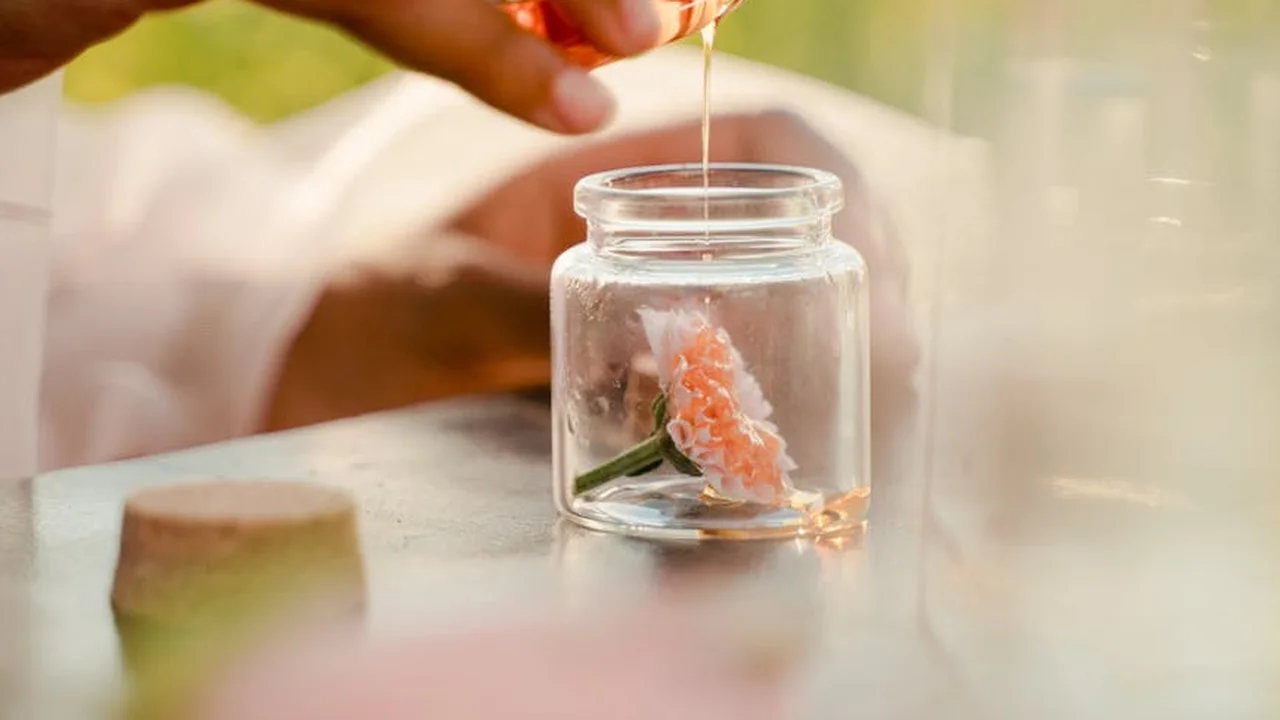
Once you understand linoleic acid’s role in your diet, you can harness it directly through botanical oils in your daily rituals.
This is where my apothecary shelf gets put to work.
High-linoleic oils feel lightweight and absorb quickly, making them perfect for topical use where a rich, heavy oil just won’t do. They also help debunk the myth that all oils are greasy, especially for those with oily or combination skin seeking a lightweight option.
For a Glowing Skin Barrier
If your skin tends to be oily or acne-prone, linoleic acid-rich oils can be a game-changer.
These oils are light and non-comedogenic, meaning they moisturize without clogging pores or leaving a greasy film.
I often reach for safflower or evening primrose oil for facial serums.
They help soothe irritation and support the skin’s natural moisture barrier, which can actually reduce excess oil over time. Castor oil is one such botanical oil known for its benefits.
Here’s a simple blend I make for myself: mix one teaspoon of rosehip seed oil (another linoleic star) with two drops of lavender essential oil.
I press a few drops into damp skin every evening.
The scent is calming, and my skin drinks it right up.
For Nourished Hair and Scalp
A healthy scalp needs balanced nourishment, too.
Grapeseed and hemp seed oils are fantastic for a pre-shampoo treatment.
Massaging a small amount into your scalp 30 minutes before washing can help maintain a healthy environment for hair follicles.
It feels soothing, especially if your scalp is dry or itchy.
I warm a tablespoon of grapeseed oil in my hands, then work it in gentle circles from my temples to my crown.
It rinses out cleanly with shampoo, leaving my scalp feeling refreshed and my hair with a nice shine.
Around the Home
Botanical oils are not just for personal care.
A simple, high-linoleic oil like cold-pressed sunflower oil makes a wonderful base for natural home care products.
It can be mixed with beeswax and a drop of lemon essential oil for a gentle wood polish.
I also use it on my leather boots.
A tiny bit on a soft cloth, rubbed in well, conditions the leather without the synthetic fragrances found in many commercial products.
It’s a thrifty, effective way to care for your home with ingredients you trust.
Linoleic Acid for Dogs: Sources and Safety
Many pet owners wonder if the oils that benefit them can also help their furry friends.
The answer is yes, but with careful guidance and a focus on safety first.
Always consult your veterinarian before adding any new food or supplement to your dog’s diet.
They know your dog’s specific health needs best.
Safe Sources for Your Dog
Dogs need linoleic acid just like we do, and they typically get it from high-quality commercial food.
If you and your vet decide to add a bit more, these are safe, dog-friendly sources.
- A small drizzle of sunflower oil over their regular meal.
- Hemp seed oil, which is also rich in other beneficial fats.
- The natural poultry fat found in cooked chicken or turkey (plain, with no seasoning or bones).
- Supplements specifically formulated for canine health.
For dogs with dry or dull coats, these same oils can directly support skin health from the inside.
I’ve seen a noticeable difference in my own dog’s coat shine after adding a vet-approved bit of hemp oil to his diet.
A Cautious Note on Serious Health Concerns
Some pet owners search for information on linoleic acid and cancer in dogs, or related compounds like linolenic acid from lecithin.
Nutrition is a powerful part of wellness, but it is not a cure.
While certain fats are discussed in supportive care contexts, the research is complex and individual needs vary greatly.
Any dietary change for a pet with a serious illness like cancer must be done under the direct and ongoing guidance of your veterinarian.
They can help you navigate the science and ensure any additions are safe and appropriate for your dog’s unique situation.
Your love and care are the best medicine, and that includes partnering with a trusted vet.
Your Questions, Answered
What’s the best way to get more alpha-linolenic acid (ALA), the plant omega-3?
Focus on whole foods like ground flaxseed, chia seeds, hemp seeds, and walnuts. While lecithin contains some ALA, it’s not a primary source; think of it as a supportive nutrient.
Can I use lecithin supplements as a source of linolenic acid?
Lecithin is better recognized for its choline and phospholipid content than as a direct source of ALA. For a concentrated omega-3 boost, I recommend high-ALA oils or seeds over lecithin supplements.
What are safe linoleic acid sources for my dog’s dry skin?
A vet-approved drizzle of sunflower or hemp seed oil over their food can support skin health from within. Always introduce any new food slowly and under your veterinarian’s guidance.
I’ve heard about linolenic acid and lecithin for cancer support. What should I know?
Some nutrients are studied in supportive care, but they are not treatments. Any use of supplements like lecithin for serious health conditions must be directed by a healthcare professional.
How do I balance linoleic (omega-6) and linolenic (omega-3) acids in my diet?
Pair your linoleic-rich oils and nuts with direct sources of ALA, like the flax or chia in your morning routine. This mindful pairing supports a healthier fatty acid ratio for overall wellness.
Nourishing Your Wellbeing with Linoleic Acid
Focus on getting your linoleic acid from whole, beautiful foods like nuts, seeds, and their oils. This natural approach supports your skin’s radiance and your body’s balance far better than any isolated supplement ever could. Understanding fatty acid profiles in oils helps explain their impact on acne-prone skin. Oils with a higher linoleic-to-oleic ratio can support clearer skin as part of this whole-food approach.
I encourage you to weave these oils and foods into your own kitchen and care rituals. Trust your experience as you notice how these simple additions make you feel, in your body and your home.
Research and Related Sources
- Linoleic Acid – PMC
- 6 Foods That Are High in Linoleic Acid | iwi life
- Linoleic Acid: A Narrative Review of the Effects of Increased Intake in the Standard American Diet and Associations with Chronic Disease – PMC
Noemi Kamińska
Noemi is an accomplished wellness researcher, nutrition care guide and body care expert. She has years of experience in formulating various oil combinations for full body wellness including face, hair, body care, essential oils and cooking oils. She works as a bio-formulator working with oil chemistry and analyzing the best formulations when it comes to your needs. Feel free to reach out to get your oil needs sorted.