
What Are the Best Oils for Healthy Salad Dressings at Home?
Feeling stuck with bland, store-bought dressings? I’ve filled my own apothecary with oils that now make my salads something I genuinely crave.
You can make vibrant, health-supporting dressings by understanding a few key oils and simple pairings.
- The best healthy oils for vinegar-based dressings
- Easy, no-fail recipe formulas from my kitchen
- How to balance flavor and wellness in every bottle
- Simple tips for storage and use
A Quick Snapshot: Your Healthy Oil Cheat Sheet
Think of your oil shelf as a painter’s palette. Each oil brings its own color, texture, and character to your dressing. Choosing the right one transforms a simple mix into a crafted flavor. I keep a few of these lined up on my own kitchen shelf for different moods and meals.
| Oil | Flavor & Texture | Smoke Point | Best For Dressings |
|---|---|---|---|
| Extra Virgin Olive Oil | Grassy, peppery, sometimes fruity. Unfiltered versions are lusciously cloudy. | Low to Medium (325-375°F) | The classic. Perfect for bold vinaigrettes you’ll shake and use immediately. |
| Avocado Oil (Unrefined) | Buttery, subtly grassy, and remarkably silky on the tongue. | Medium (375-400°F) | Silky, mild dressings. It emulsifies beautifully for a creamy texture without dairy. |
| Walnut Oil | Rich, nutty, and toasty. It feels luxurious and a bit delicate. | Low (320°F) | Drizzling on finished dishes or simple blends. Its flavor is a star, so pair it lightly. |
| Flaxseed Oil | Earthy, nutty, and thick. It has a distinct, wholesome aroma. | Very Low (225°F) | Whisk-and-serve immediately dressings. Never heat it. Keep it in the fridge. |
| Pumpkin Seed Oil | Deep, roasted seed flavor with a dark green, almost opaque color. | Low (320°F) | A stunning, flavorful accent. Just a teaspoon swirled into a milder base oil makes magic. |
How to Make a Basic Oil and Vinegar Dressing: Your New Kitchen Ritual
Forget complicated recipes. The best dressing happens in a jar with a good shake. This method is less about precision and more about feeling the ingredients come together. You’ll hear it start to thicken slightly, a soft *swish-swish* in the glass.
- Start with your acid. Add 1 part vinegar or lemon juice to a small jar. I often use a 1-tablespoon measure to keep ratios easy.
- Add flavor anchors. Drop in a pinch of salt, a crack of pepper, maybe some minced garlic or herbs. The salt starts dissolving right in the acid.
- Pour in your oil. Add 3 parts of your chosen oil. This 3:1 ratio is your launchpad. Love more tang? Try 2:1. Prefer it mellow? Go 4:1.
- Shake with spirit. Secure the lid tightly. Shake it like you mean it for a good 20-30 seconds. You’re not just mixing, you’re creating a temporary emulsion.
- Taste and adjust immediately. Dip a leaf in. Need more salt? Another drip of acid? Adjust now, shake again, and it’s ready.
Why does shaking work? You’re breaking the oil into tiny droplets that suspend in the vinegar. It’s a temporary bond, which is why dressings separate again on the counter. That’s completely normal. Just give it another quick shake before you pour.
Mustard-Free Magic: Vinaigrettes That Hold Together Naturally
Not a fan of mustard, or simply out? Plenty of natural ingredients can help your vinaigrette cling together longer. These emulsifiers work by bridging the oil and water-based acids, much like a peacekeeper. I use them all the time for variety.
A tiny bit of mashed roasted garlic is my favorite. It melts into the dressing, adding depth and body without a sharp bite. About a quarter of a clove per quarter-cup of dressing is plenty.
For a touch of sweetness that balances bitter greens, a teaspoon of raw honey or maple syrup works wonders. They don’t just sweeten; they help create a smoother, more stable blend.
My secret for creamy, rich dressings? A small spoonful of tahini or almond butter. It creates a luxurious, almost paste-like emulsion that coats every leaf beautifully.
Some oils, like that silky unrefined avocado oil, are naturally more willing to blend and stay blended with a vigorous shake. Experiment with different bases to see which one gives you the texture you love right from the jar.
Choosing Your Oil: A Guide for Flavor and Wellness
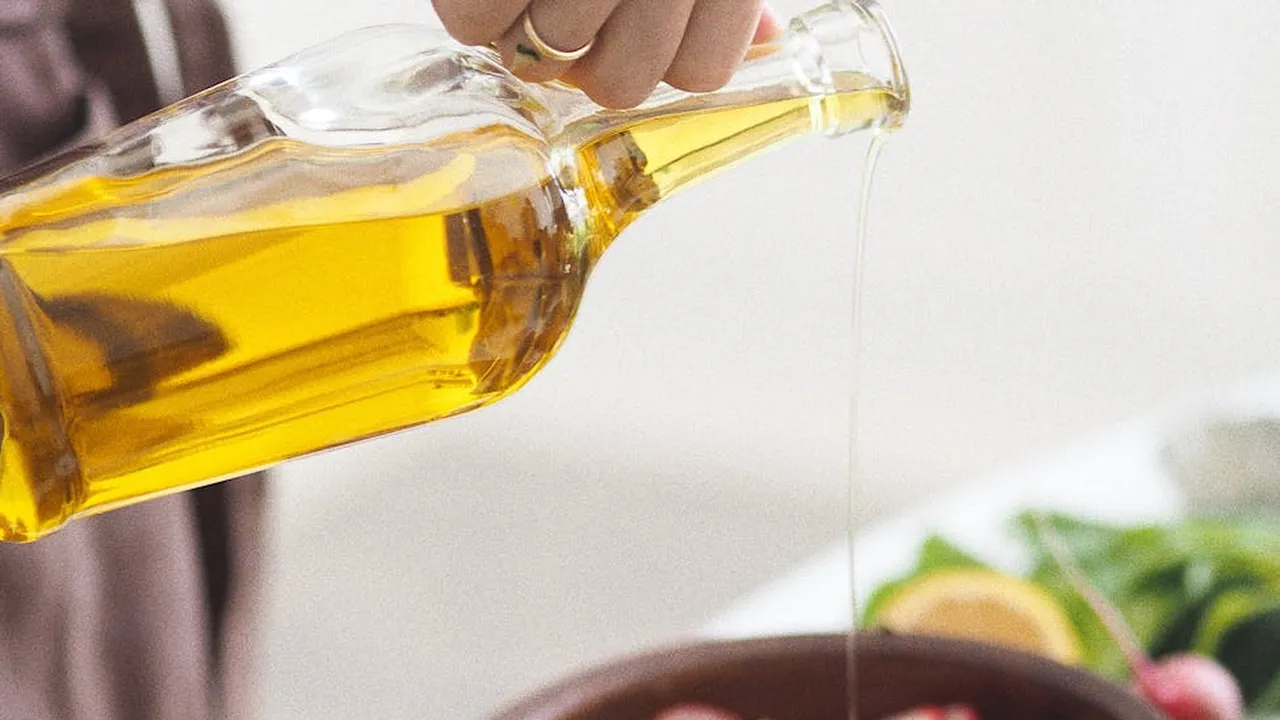
Think of healthy oils as your salad’s flavor boosters and nutrient carriers. They add lush texture and beneficial fats that make your meal satisfying and good for you.
Every oil has a personality. Some love bold companions like garlic and mustard, while others wilt with heat.
Wellness often shows up in the kitchen. The deep green of pumpkin seed oil, for instance, hints at the minerals and antioxidants inside.
Extra Virgin Olive Oil: The Kitchen Staple
A good extra virgin olive oil should have character. Taste for a peppery kick at the back of your throat, or scents of fresh grass and ripe fruit. Different oils range from delicate to robust, and the right pick depends on whether you’re cooking, dressing, or dipping.
My shelf tip is simple: I have two bottles. One is for general cooking near the stove. A special, vibrant one is reserved for drizzling over finished dishes and making dressings.
Avocado and Walnut Oils: The Silky Smooth Operators
Avocado oil is my go-to blank canvas. Its flavor is very mild and buttery, so it lets other ingredients shine.
Walnut oil is fragile and richly nutty. I treat it as a finishing oil, never for cooking, and it always lives in my fridge door to keep it fresh.
Flaxseed and Other Special Oils: Handle With Care
Flaxseed oil is packed with nutrients but extremely delicate. You must never heat it, and it has a very short life once opened, so keep it refrigerated and use it fast.
Oils like hemp or toasted sesame are wonderful guest stars. Use a small amount for a specific flavor, but don’t make them the base of your dressing. Sesame oil shines in Asian cuisine. It’s also excellent in salad dressings, adding aroma without overpowering other flavors.
Three Simple Dressings to Start With
These are my favorite formulas. Think of them as friendly guides, not strict rules. Adjust the ratios to match your taste.
My Everyday Herb Dressing
This is my weekly workhorse. It’s fresh, flexible, and comes together in a minute.
Best oil for cooking and dressings: Extra Virgin Olive Oil. Its robust flavor stands up to sharp vinegar and hearty herbs. Look for a trusted brand to ensure quality.
- 3/4 cup extra virgin olive oil
- 1/4 cup red wine vinegar
- 1 tablespoon Dijon mustard
- 1 small clove garlic, minced
- 2 tablespoons chopped fresh herbs (like parsley, basil, or thyme)
- A big pinch of salt and black pepper
Add everything to a jar. Screw the lid on tightly and shake vigorously until it looks creamy. Taste and adjust the salt. It keeps in the fridge for a week.
Bright Citrus Dressing
This dressing is sunny and light. It’s perfect for tender greens or grain salads.
Best oil: Avocado Oil. Its mild, silky nature doesn’t compete with the citrus, creating a beautifully smooth emulsion. When weighed against grapeseed oil for culinary or cosmetic uses, avocado often wins on texture and stability. Its mild flavor and nourishing feel suit both cooking and skincare.
- 2/3 cup avocado oil
- 1/3 cup fresh lemon or orange juice
- 1 teaspoon honey or maple syrup
- 1 teaspoon finely grated citrus zest
- Salt to taste
Whisk the citrus juice, honey, and zest together in a bowl. Slowly drizzle in the avocado oil while whisking constantly. Season with salt. Use it the same day for the brightest flavor.
Warm Spiced Nut Dressing
This one feels cozy. It transforms a simple salad into something special.
Best oil: Walnut Oil. Its inherent nutty depth is enhanced by the warm spices, creating a rich, aromatic finish.
- 1/2 cup walnut oil
- 2 tablespoons apple cider vinegar
- 1 tablespoon warm water
- 1/4 teaspoon ground cinnamon or cardamom
- 1 small shallot, finely minced
- Salt and pepper
Whisk the vinegar, water, spice, and shallot in a bowl. Let it sit for 5 minutes to soften the shallot. Slowly whisk in the walnut oil until combined. Season well. Make this dressing just before serving.
Common Mistakes and How to Avoid Them
Using oil that has turned rancid will give your dressing a terrible, off flavor. The sniff test is your best friend here. Fresh oil should smell clean and bright, like its source.
Ignoring the balance between oil and acid makes a harsh or greasy dressing. I use a starting point of three parts oil to one part vinegar. Taste and adjust from there. Oil emulsions are what make mayonnaise-style vinaigrettes creamy without heaviness. Tinker with the emulsion to shape texture and flavor.
Over-blending delicate oils like walnut or flaxseed can damage their delicate compounds. For these, I gently whisk by hand or shake in a jar instead of using a high-speed mixer.
Choosing an oil with a flavor that fights your other ingredients creates a muddy taste. Match intensity. A light almond oil pairs beautifully with white wine vinegar, not a powerful balsamic.
Storing your dressing incorrectly shortens its life and wastes good oil. I always use dark glass bottles. Most sit in my cupboard, but I keep dressings with nut oils in the fridge. Different oils have different storage needs—olive oil, coconut oil, and essential oils each prefer different light and temperature conditions. Knowing which oils belong in the fridge versus a cool, dark cupboard helps keep them fresher longer.
When Your Dressing Needs a Little Professional Help
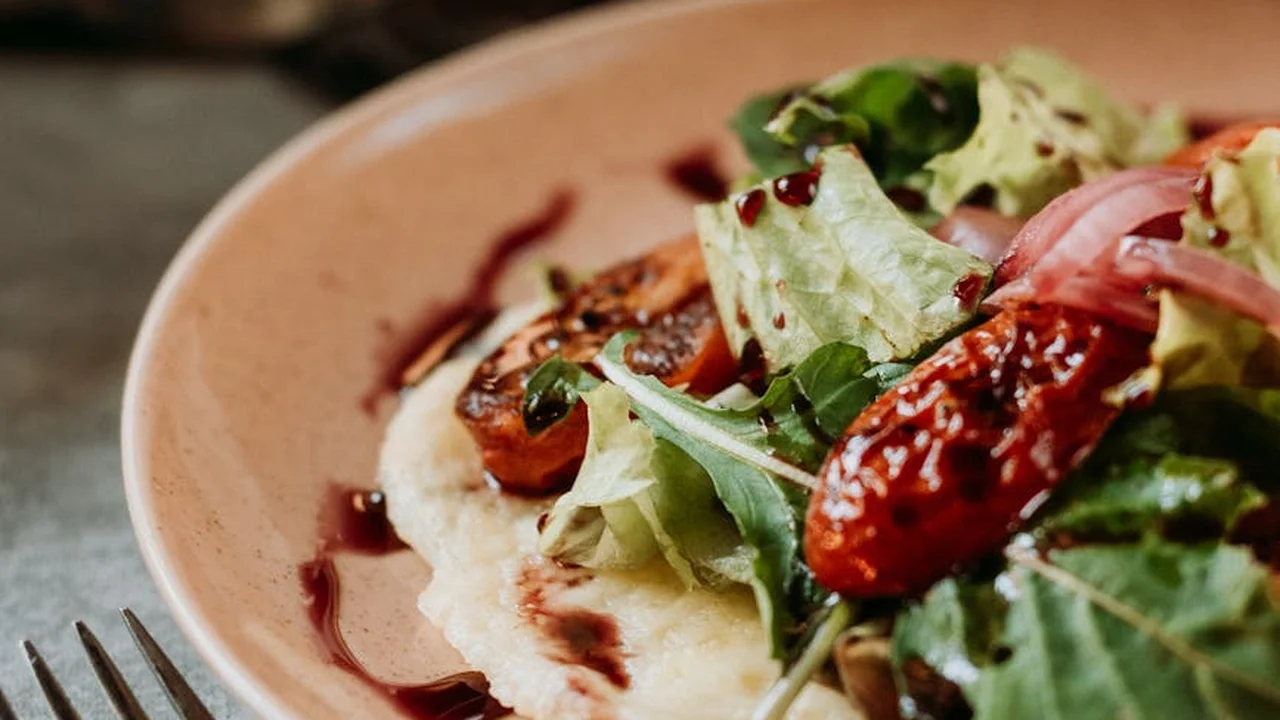
Rancidity has a very specific smell and taste you should never ignore. It often smells like old crayons, wet cardboard, or stale nuts. The flavor is unpleasantly bitter and sharp.
If you detect rancidity, discard the entire batch. Consuming rancid oil can cause digestive discomfort and provides no nutritional benefit.
Seeing your oil and vinegar separate is completely normal and not a sign of trouble. A good shake brings it back together. The real issue is a flat, dull taste even after adding salt or herbs.
When flavors are flat, the problem is usually the oil itself. It may be old or of poor quality. Oils lose their vibrancy and health properties over time.
On my own shelf, I put a small piece of tape with the date on every oil bottle I open. This helps me use them while they’re still fresh and effective.
Beyond the Bowl: Your Homemade Dressing’s Second Act
The beauty of a well-crafted oil blend is its versatility. That jar of dressing in your fridge isn’t just for greens-it’s a ready-made flavor booster for countless meals. Think of it as your secret kitchen helper, a quick way to add healthy fats and vibrant taste to your whole cooking routine.
Let these ideas inspire you. That robust mustard and apple cider vinaigrette? It makes a fantastic marinade for chicken thighs. Just pour it over the meat in a dish, let it sit for an hour, and roast. The oils tenderize while the vinegar and herbs create a savory crust.
Your simple lemon and herb olive oil blend has another life, too. I use mine all the time. Drizzle it over roasted vegetables like carrots or Brussels sprouts right when they come out of the oven for a bright, fresh finish. It wakes up their flavor beautifully.
For a truly easy appetizer, reach for your garlic-infused oil. Pour a small pool of it into a dish, add a splash of balsamic vinegar, and serve with chunks of warm, crusty bread. It’s a humble, satisfying treat that always feels special.
Mixing your own oils connects you to your kitchen in a quiet, rewarding way. You control the quality, you know every ingredient, and you get to be creative. Start with one simple recipe this week, and you might just find it becomes a joyful little ritual.
Quick Answers
I see mustard is a common emulsifier. What can I use if I don’t have any or don’t like the taste?
Perfectly understandable! A tiny bit of mashed roasted garlic, a teaspoon of raw honey or maple syrup, or even a small spoonful of tahini will help your dressing cling together beautifully. These natural ingredients act as gentle bridges between the oil and vinegar.
If I remove mustard from a vinaigrette recipe, do I need to change anything else?
You might want to compensate for mustard’s sharp flavor. Consider adding a pinch more salt, a crack of extra pepper, or some fresh herbs to keep the dressing balanced and vibrant. Your taste buds will guide you perfectly.
Do dressings made without mustard separate faster?
They can, but this is natural and not a problem. Oils like unrefined avocado oil emulsify more readily, and a vigorous shake in a jar before each use is all you need. Think of separation as a sign of a pure, unprocessed blend.
Is it okay to avoid mustard in dressings altogether for health or taste reasons?
Absolutely. Many classic vinaigrettes use only oil, vinegar, salt, and herbs. Embrace simplicity, or use the natural emulsifiers mentioned above. The goal is a dressing you love and that loves you back.
Your Homemade Dressing, Bottled Freshness
The single best step you can take is to start with the freshest, highest-quality oil you can find. For everyday use, it’s helpful to know which oils are healthiest and easiest to cook with. A vibrant, unrefined oil transforms a simple recipe into something truly special for your table and your wellness. A concise guide to choosing the best oils for your kitchen can help you decide with confidence.
I invite you to use these ideas as a starting point for your own kitchen experiments. The same thoughtful approach you apply here-choosing botanical oils with care-is the heart of all the recipes and routines we share for body, skin, hair, and home. I also make botanical oils at home—from avocado and olive to lavender and peppermint—to show how simple, mindful crafting translates into everyday care. You can explore more about this home oil crafting in our next notes.
Deep Dive: Further Reading
- The Type Of Oil You Should Use In Salad Dressing – Tasting Table
- Oil For Cooking And Salads | Ask Nigella.com | Nigella Lawson
- r/salads on Reddit: What kind of olive oil is best for homemade salad dressing?
- Best Cooking Oils for High Heat, Baking, and Salad Dressing
- Good Fats/ Bad Fats; What’s in Your Salad Dressing? – Taste of Healing
- The 7 Best Oils for Summer Salad Dressings
Noemi Kamińska
Noemi is an accomplished wellness researcher, nutrition care guide and body care expert. She has years of experience in formulating various oil combinations for full body wellness including face, hair, body care, essential oils and cooking oils. She works as a bio-formulator working with oil chemistry and analyzing the best formulations when it comes to your needs. Feel free to reach out to get your oil needs sorted.