Coconut Oil vs. MCT Oil: What’s the Real Difference for Your Diet and Skin?
If you’re mixing up coconut oil and MCT oil for your smoothies or skincare, that’s a common kitchen cabinet conundrum. Having both on my shelf for years, I can tell you the main gap is in their MCT concentration and how your body interacts with each.
The biggest takeaway is that pure MCT oil delivers a potent, fast-acting source of energy, while coconut oil provides a gentler, multifaceted fat perfect for daily routines. Here’s what we’ll unpack:
- The specific MCT types and amounts in each oil
- How to use them for dietary energy and wellness
- Topical benefits for your hair, skin, and home blends
- My personal picks from my own apothecary practice
Key Takeaways
Many people see coconut oil and MCT oil mentioned together and think they’re interchangeable. Let me clarify: coconut oil contains MCTs, but it is not pure MCT oil. A jar of virgin coconut oil from my kitchen is about 60% medium-chain triglycerides. The remaining 40% is a blend of longer-chain fatty acids that digest more slowly.
This brings us to the core difference. Pure MCT oil is a concentrated, fractionated extract, usually from coconut or palm kernels. The fractionation process separates and isolates only the MCT molecules. What you get is a clear, lightweight liquid that is 100% MCTs, with none of the other fats found in the whole oil.
This isn’t just a label change. That 100% concentration is why pure MCT oil and coconut oil behave so differently in your body and on your skin. One isn’t inherently better. They are different tools, and I use them for very different purposes in my daily routine.
MCTs Explained: What Are We Actually Talking About?
MCT stands for Medium-Chain Triglyceride. Simply put, MCTs are a type of dietary fat that your body processes rapidly for immediate energy. Imagine your metabolism as a stove. Long-chain fats (like those in olive oil) are like a big log-they take time to break down and burn. MCTs are more like tightly rolled paper-they light quickly and give a fast, clean flame.
There are four primary MCTs, distinguished by the length of their carbon chains: C6 (caproic), C8 (caprylic), C10 (capric), and C12 (lauric). In the world of pure MCT oils, C8 and C10 are the standout performers for quick energy. C6 is often less desirable due to its sharp taste and potential for stomach upset. C12, or lauric acid, has a split personality-it’s technically an MCT but acts more like a longer-chain fat in how your body processes it.
So, does coconut oil have MCT? Yes, without a doubt. The primary MCT in coconut oil is lauric acid (C12), which accounts for nearly half of its fatty profile. This high lauric acid content is what gives coconut oil its firm, creamy texture at cool temperatures and its famous skin-loving reputation. In my apothecary, I reach for the coconut oil for making balms, but I keep a separate bottle of pure C8/C10 MCT oil for dietary blends.
Coconut Oil: The Whole-Plant MCT Source
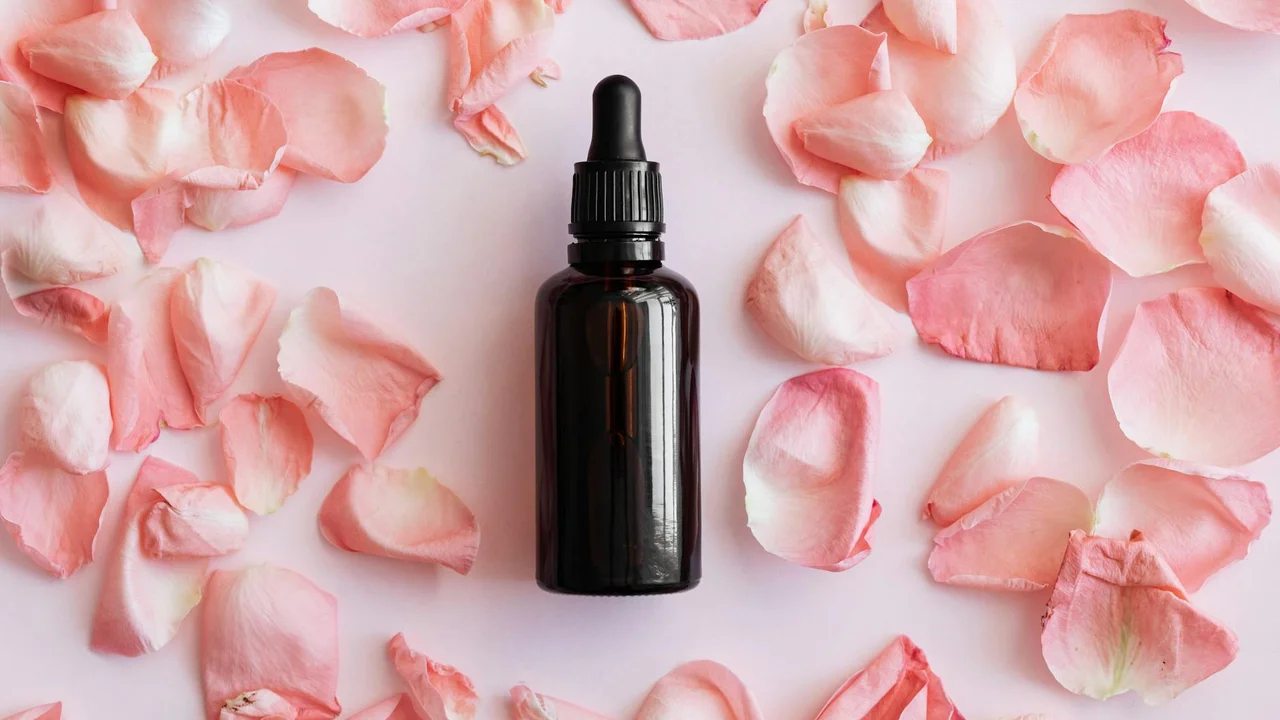
When you scoop coconut oil from the jar, you are holding a whole-plant gift. It is roughly 60% medium-chain triglycerides, with lauric acid (that is C12) being the most abundant. The remaining portion is a mix of longer-chain fatty acids that give it a richer body.
I love its texture at room temperature. It is semi-solid, like a soft butter that melts the moment it touches your warm skin. Its scent is unmistakable, a warm and tropical aroma that always reminds me of the beach.
So, does all coconut oil have MCT? Yes, absolutely. The exact percentage can vary a little between brands and processing methods, but MCTs are always present.
This natural blend offers inherent qualities I rely on in my own routines:
- It is deeply moisturizing for skin and hair, absorbing without a heavy greasy feel.
- The high lauric acid content provides natural antimicrobial properties.
- With a high smoke point, it is my go-to for stable, medium-heat cooking and baking.
Pure MCT Oil: The Concentrated Extract
Pure MCT oil is a processed extract containing only 100% medium-chain triglycerides. Think of it as the isolated, potent core of the MCTs found in source oils.
It is made by fractionating coconut or palm kernel oil. This process separates and concentrates the MCTs, removing the longer-chain fats and other components.
In your hand, it feels completely different. It is colorless, odorless, and remains a clear liquid even in a cool room. The texture is very lightweight, almost like a thin silk. I reach for it when I need a carrier oil that will not alter the scent of my blends.
You will often see it as a blend of C8 (caprylic acid) and C10 (capric acid). People seek this concentration because these shorter MCTs are known for rapid conversion to energy and they add no flavor to foods or drinks.
And to a common question: does MCT oil have omega 3? No, it does not. They are entirely different types of fatty acids with different roles in the body.
The Heart of the Matter: Coconut MCT Difference
This direct comparison shows their distinct personalities. I find a quick look makes the choice clearer for any project.
| Feature | Coconut Oil | Pure MCT Oil |
|---|---|---|
| Composition | ~60% MCTs (mostly C12), balance is longer-chain fats | 100% MCTs (commonly C8 and C10 blends) |
| Texture | Semi-solid at cool temps, melts easily | Always liquid and very lightweight |
| Scent | Distinct, warm, tropical aroma | Colorless and odorless |
| Primary Component | Lauric Acid (C12) | Caprylic (C8) and/or Capric (C10) Acid |
Is coconut oil an MCT oil? Not in the pure, concentrated sense you buy as “MCT Oil.” It contains them, but it is not the same as the laboratory extract.
Are MCT oil and coconut oil the same? No. One is a whole food with a broad profile for general use, and the other is a targeted supplement for specific, concentrated effects. I use both, but for very different reasons in my apothecary.
Choosing for Your Body: Dietary Use Compared
Think of your body’s fuel processing like two different kitchens. MCT oil works in a quick, efficient prep kitchen. Coconut oil needs the main kitchen with more equipment.
Pure MCT oil bypasses much of the normal digestive process. It goes straight to your liver for rapid conversion into energy. This makes MCT oil a tool for a swift, clean energy lift, often without a blood sugar crash.
Coconut oil contains MCTs, but also longer-chain fats. Your body must work more to break these down. The energy release from coconut oil is gentler and more sustained compared to the rapid hit of pure MCT oil.
How to Use Them
I use MCT oil when I want energy, not flavor. I stir a teaspoon into my morning coffee or post-workout smoothie. It blends in smoothly, with no coconut taste to interfere with my drink.
Coconut oil shines where its flavor is a feature. I use it for sautéing vegetables, in homemade granola, or to grease a baking pan. It adds a rich, subtly sweet fat to recipes that benefit from that tropical note, whether you’re cooking or baking.
A Crucial Safety Note
If you are new to MCT oil, start with half a teaspoon daily. Your digestive system needs time to adjust. Jumping to a full tablespoon can cause cramping or an upset stomach. Increase slowly over a week or two to help minimize any side effects.
Both oils are staples in ketogenic diets because they provide fat for fuel. MCT oil offers precision for directly supporting ketone production, while coconut oil contributes as a wholesome dietary fat. I keep both in my kitchen for different needs.
Choosing for Your Skin & Hair: Topical Use Compared
On your skin, these oils play very different roles. It all comes down to their texture and which fatty acids they contain, which determine their benefits.
Coconut oil is a classic, occlusive moisturizer. It forms a protective layer on the skin. For many people with dryness, eczema, or psoriasis, it can help support the skin’s barrier. It can be a gentle option in daily skincare routines. This makes it fantastic for ultra-dry patches, whipping into body butter, or as the base for a deeply conditioning hair mask.
Be cautious using coconut oil on your face. It is comedogenic for many people, meaning it can clog pores. On my shelf, it’s a body and hair hero, but I rarely use it on my own acne-prone face.
A Lightweight Alternative
Pure MCT oil, usually from C8 and C10 chains, lacks the heavier, more comedogenic fats. This gives it a potential edge as a lightweight, non-greasy carrier oil for facial serums or for sensitive skin types.
I find it absorbs quickly with little residue. Some of my clients with reactive skin or a sensitive scalp prefer diluting their essentials in MCT oil over thicker alternatives.
The Golden Rule for Both
Never apply any new oil “neat” to a large area of skin without a patch test first. Apply a dime-sized amount to your inner forearm and wait 24 hours. This simple step saves you from potential irritation.
Here’s a fun tip from my blending table. MCT oil has virtually no scent. This makes it an excellent base for custom perfume oils or beard oils where you want the true aroma of your precious essential oils to shine through, undistorted.
Recommended Products for Your Apothecary
My own kitchen and bathroom shelves hold both of these oils. I use them for different reasons, and knowing what to look for makes all the difference.
Choosing Your Coconut Oil
For almost all body care and kitchen purposes, I reach for cold-pressed, unrefined coconut oil. The label might say “virgin” or “extra virgin.”
This process keeps the oil’s natural compounds and that gentle, tropical scent intact. You want that full spectrum of fatty acids and antioxidants for your skin, hair, and medium-heat cooking. The aroma is part of the experience for me.
I keep a jar by my sink for hand softening and a separate one in the pantry. Look for oil that is solid and white at room temperature but melts cleanly in your hands.
Choosing Your Pure MCT Oil
Pure MCT oil is a refined product, so sourcing is key. I look for a brand that specializes in dietary supplements.
My preference is a blend of C8 (caprylic) and C10 (capric) acids. C8 is known for quick energy conversion, while C10 offers a balance. Always ensure the bottle states it’s for dietary use and is stored in dark glass to protect it from light.
The oil should be utterly clear, odorless, and as thin as water. If it has any cloudiness or a strong smell, it’s past its prime.
Why I Recommend Having Both
Think of them as specialized tools. Coconut oil is my sturdy multi-tool, and MCT oil is my precision instrument.
I use coconut oil for making body butters, oil pulling, and roasting vegetables. I also extract coconut oil at home and use it in DIY body care recipes. Coconut oil remains a versatile, aromatic staple for both home and body care routines.
Pure MCT oil is what I add to my morning tea for sustained energy. I also blend it into facial serums because it’s so light and non-greasy. Pure MCT oil serves as a targeted supplement and an elegant, lightweight base for cosmetics.
Starting with a good jar of coconut oil is perfect. You can always add a bottle of pure MCT oil later for specific goals, especially when using it for cooking and chocolate making.
Common Questions
Can I use coconut oil and MCT oil interchangeably in recipes?
Not quite, as their flavors and behaviors differ. Use coconut oil for its rich, sweet note in baking or cooking, and choose odorless MCT oil when you want a quick energy boost without altering a recipe’s taste.
Which oil is better for someone with oily or acne-prone skin?
Pure MCT oil (C8/C10) is generally the safer first choice for facial skin, as it’s lighter and less comedogenic. I recommend patch-testing coconut oil on a small area, as its richer composition can clog pores for some individuals.
How should I store each oil, and do they last the same amount of time?
Store both in a cool, dark place. Coconut oil is shelf-stable and solidifies when cool, while pure MCT oil remains liquid; both typically last 1-2 years, but always check for any off odors or cloudiness. Even with proper storage, it’s essential to monitor their condition regularly.
If I’m new to this, which one should I try first?
Start with a high-quality virgin coconut oil, as it’s incredibly versatile for both kitchen and body care. You can always add a bottle of pure MCT oil later for more targeted dietary or skincare goals.
Does the processing to make pure MCT oil make it less “natural”?
The fractionation process concentrates the MCTs, so it’s a refined product, not a whole food. Think of it as a specialized tool-highly effective for specific purposes, while coconut oil remains a wonderful, minimally processed whole-plant ingredient.
Your Guide to Choosing MCT Oils with Confidence
Let your intention guide your choice: reach for coconut oil when you want a gentle, multi-purpose balm for skin and hair, and select pure MCT oil for a direct, dietary energy source. This mindful matching ensures you get the most benefit, whether you’re crafting a home serum or enhancing a morning smoothie.
I share these insights from my own apothecary to help you feel assured in your choices for body, skin, hair, wellness, and home. Trust the wisdom you’re building, and know that this space is here for you as you continue your journey with plant oils.
Expert Resources and Citations
- What is the difference between MCT and coconut oil?
- MCT Oil vs Coconut Oil – Citrin Foundation
- MCT Oil vs. Coconut Oil: What’s the Difference?
- MCT Oil: Health Benefits, Common Uses and side effects
- Can You Use MCT Oil For Skin Care? Benefits, Uses, & Side Effects – Desert Essence
Noemi Kamińska
Noemi is an accomplished wellness researcher, nutrition care guide and body care expert. She has years of experience in formulating various oil combinations for full body wellness including face, hair, body care, essential oils and cooking oils. She works as a bio-formulator working with oil chemistry and analyzing the best formulations when it comes to your needs. Feel free to reach out to get your oil needs sorted.