
Where Can You Find Good Oregano Oil? A Simple Guide
You’re ready to bring oregano oil into your routine, but the search feels overwhelming. Finding a quality oil that’s both pure and trustworthy doesn’t need to be complicated.
Your most reliable choices are local health stores and carefully chosen online shops, where you can easily verify purity and brand reputation. In this guide, I’ll walk you through what to look for in each place, from the shelf in my local co-op to my favorite online retailers.
- What to look for on a product label
- Checking local health and grocery stores
- Navigating online marketplaces safely
- My go-to sources for potency and purity
My First Stops for Oregano Oil Near Me
My favorite local haunts are almost always independent health food stores or community co-ops.
The staff there usually share a passion for botanicals. Vitamin shops are another reliable spot on your map.
When you scan the shelf, you’ll see a few different forms.
- 100% Pure Essential Oil: This is the potent, concentrated oil in a tiny bottle. It must be diluted.
- Softgel Capsules: These are for internal use and contain the oil sealed in a gel capsule.
- Pre-Diluted Blends or Roll-ons: These are already mixed with a carrier oil like olive or jojoba for safe topical application.
You might ask, does Walmart sell oregano oil? Often, yes. You’re more likely to find capsules or diluted topical blends in the vitamin or natural remedies aisle.
I rarely see the pure, undiluted essential oil there. It’s a convenient option, but check the label closely for fillers.
To find a great local shop, I get specific in my search. Instead of just “oregano oil near me,” try “herbal apothecary Denver” or “health food store Beeston.” If you’re considering oregano oil for dogs, look for reputable dosing guidelines and safety information for canine use. A trusted safety guide can help you weigh benefits and risks.
Check the websites of local co-ops or naturopathic clinics. They often have small retail sections or can point you to their suppliers.
How Do I Shop for Oregano Oil Online?
Online shopping opens a world of choice. Large marketplaces offer convenience and reviews.
Dedicated aromatherapy websites, however, often provide deeper sourcing information. I trust these for my purest oils.
Reading labels on a screen requires a careful eye. Look for clear photos of the bottle’s back label.
Reputable sellers will provide a Certificate of Analysis (COA) or lab report. This document proves the oil’s purity and chemical composition. Beyond the COA, you can test essential oil purity and authenticity in a simple home lab. These at-home checks complement the official report and help you verify the oil before use.
Shipping is a key detail. Many international sellers ship to Australia, South Africa, or Pakistan, but always verify costs and times.
I look for a clear shipping policy page before I add anything to my cart. Some carriers are slower with liquids.
Before you click purchase, find the return policy. A company that stands behind its products will have a fair one.
Scan recent customer service questions and replies. It shows how they handle real concerns.
What to Look for on a Product Page
The product title and description should clearly state what you’re getting. This seems obvious, but it’s where mistakes happen.
First, look for the Latin name: Origanum vulgare. This specifies the correct plant species.
Next, check the extraction method. Steam distillation is standard for a true, therapeutic-grade oregano essential oil.
The country of origin matters for quality. I look for oils sourced from the Mediterranean region where oregano thrives.
Is it a 100% essential oil, or is it already in a carrier? This is the biggest difference. A pure oil will say “100% essential oil” and come in a small bottle, often 5ml or 10ml.
A bottle that’s 1oz (30ml) or larger for a low price is almost certainly a blend. That’s not bad, you just need to know what you’re getting.
Always read the intended use description. It will specify if the oil is for aromatic diffusion, topical application (usually when diluted), or, in the case of some capsules, dietary support.
Never use an oil internally unless the label explicitly states it is safe for dietary use and you’ve consulted a professional.
What Type of Oregano Oil Do I Need?
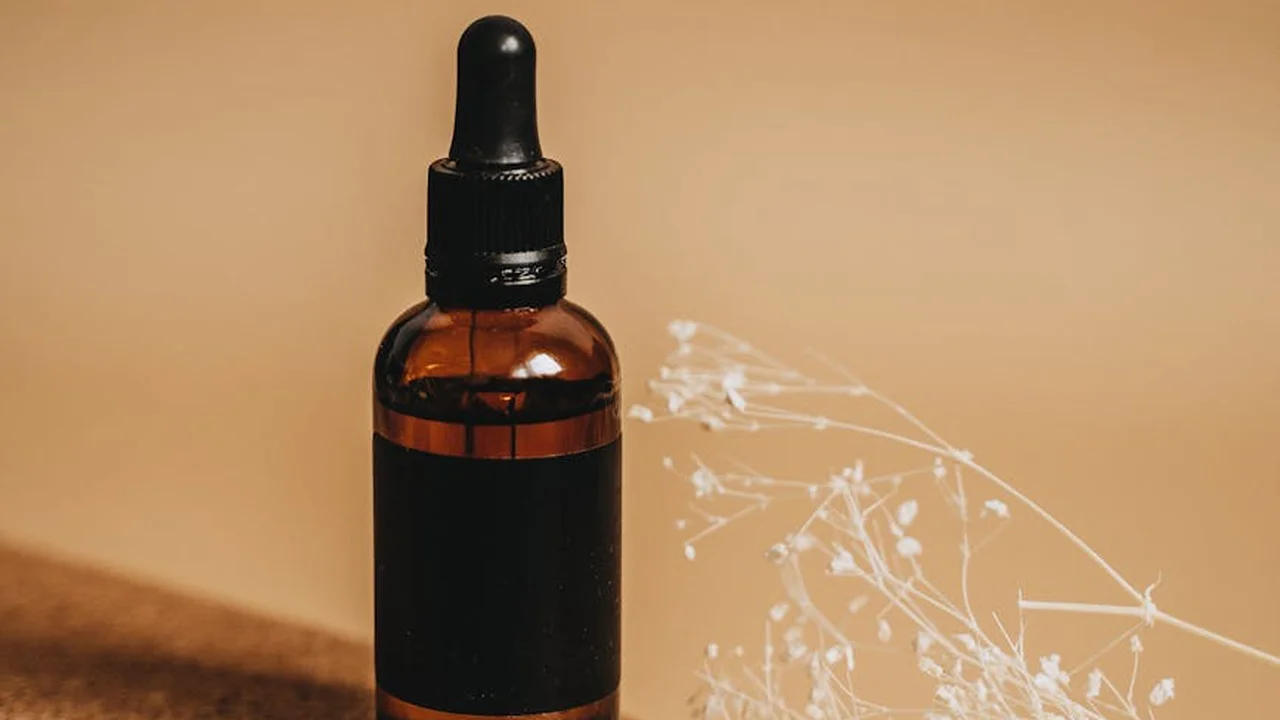
Oregano oil comes in a few different forms. Each one is for a different job.
Pure Oregano Essential Oil
This is the concentrated steam-distilled oil. It’s incredibly potent. You should never apply this pure oil directly to your skin, as it can cause severe irritation. I keep a small amber bottle of this on my apothecary shelf. Its primary uses are for diffusing to clean the air in your home or diluting it in a carrier oil for specific topical needs.
- Potency: Very high.
- Best For: Diluting for topical use, adding to homemade cleaning sprays, or using in a diffuser.
Oregano Oil Softgels (Capsules)
These are for internal use. The oil is safely sealed inside a gelatin or vegan capsule. This is the form most people use for seasonal wellness support. It’s convenient and eliminates the strong taste. Always follow the dosage on the bottle and consider talking to a healthcare provider first.
- Potency: Pre-measured for internal use.
- Best For: Internal wellness routines.
Pre-Diluted Serums or Roll-Ons
These are ready-to-use blends for your skin or scalp. A good brand has already mixed the potent oregano essential oil into a gentle carrier oil like jojoba or coconut. This is the safest, easiest choice for direct skin and hair care applications. I love having a roll-on blend handy for on-the-go use.
- Potency: Already diluted and safe for skin.
- Best For: Targeting blemishes, supporting scalp health, or soothing minor skin irritations.
What is “Wild” Oregano Oil?
You might see this term. It typically refers to oil from oregano plants (like Origanum vulgare) that grow uncultivated. The idea is that wild plants produce more potent protective compounds. Many believe wildcrafted oils offer a broader, more complex profile. The scent is often deeper and more robust. If you can find a trustworthy source, it’s a lovely option.
Matching the Oil to Your Goal
Let’s make this simple. Think about what you want to do.
- For wellness support: Look for oregano oil softgels.
- For skin or hair care: Choose a pre-diluted serum or roll-on. It’s ready and safe.
- For home cleaning or DIY blends: A pure essential oil is your versatile tool. You can mix a few drops with water and vinegar in a spray bottle.
How Do I Spot a High-Quality Bottle?
Quality matters with something this powerful. Here’s what my eyes and nose look for on a label and in the bottle.
The Bottle and The Label
Pure essential oil must come in a dark glass bottle, usually amber or cobalt blue. This protects the oil from light, which breaks it down. Clear or plastic bottles are a major red flag. The label should be clear, not flashy.
- Latin Name: It should say Origanum vulgare or another specific species. Just “oregano oil” is too vague.
- Batch or Distillation Date: This shows transparency. Oils don’t last forever, and a date lets you know you’re getting a fresh product.
- Country of Origin: Good brands are proud to share where their plants were grown.
The Scent Test
Open the bottle carefully. A pure, high-quality oregano oil has a distinct smell. It should be pungent, warmly herbaceous, and slightly woody, not just harshly medicinal. I find a good one has a clean, sharp top note that settles into a warm, almost spicy sensation. If it smells thin, fake, or just like chemicals, trust your nose and put it back.
Understanding Price
Real oregano oil is not the cheapest oil on the shelf. The plant material and distillation process cost money.
- Pure Essential Oil (5ml-15ml): A good 5ml bottle typically ranges from $10 to $25. A 15ml might be $20 to $40. Wildcrafted or organic oils will be at the higher end.
- Softgels (60-count): Expect to pay between $15 and $30 for a reputable brand.
- Pre-Diluted Roll-On (10ml): These usually cost $8 to $20, depending on the other ingredients.
If a price seems too good to be true, it often is. Extremely cheap oil is often diluted or adulterated with lesser oils like thyme.
The Organic Question
Organic certification means the plants were grown without synthetic pesticides. For an oil you might use internally or apply to your skin, choosing organic can offer extra peace of mind. It’s a personal choice, but one I lean toward for my own cupboard. Not all excellent oils are certified organic, but the best brands are transparent about their growing practices either way.
What Should I Know Before Using Oregano Oil?
I always tell folks to treat this powerful oil with respect. It’s not a gentle floral water. Think of it more like a concentrated herbal tool in your wellness kit.
This is your “When NOT to Try This” checklist. Please read it before you open that bottle.
- Never, ever use pure oregano essential oil directly on your skin. It will likely cause a severe burn or reaction.
- If you are pregnant, nursing, or trying to conceive, avoid using oregano oil unless a qualified professional guides you.
- Do not use it on infants or very young children.
- If you have a known allergy to plants in the mint family (like basil, mint, or sage), proceed with extreme caution or skip it.
- Internal use requires special knowledge. Do not ingest it casually, especially if you are on medications.
For any skin application, you must dilute it. My go-to rule is simple.
For adults, mix 1 drop of oregano essential oil with at least 1 teaspoon (about 5 ml) of a gentle carrier oil like jojoba or fractionated coconut oil. This makes a safe, roughly 1% dilution for small, targeted areas when using carrier oils for safe and effective body treatments.
Even when properly diluted, your skin might not agree with it. A patch test is your best friend.
Mix your diluted oil, then dab a tiny bit on the inside of your forearm. Cover it with a bandage and wait 24 hours. If you see any redness, itching, or swelling, wash it off and know this oil isn’t for your skin.
Thinking about taking it internally? This is my biggest piece of advice.
Please talk to a doctor or a certified clinical aromatherapist before using oregano oil internally. They can consider your health history and medications. It’s a potent substance, not a daily supplement, unlike some essential oils used topically.
Safe Storage for Maximum Potency
Oregano oil hates three things: heat, light, and air. They break it down and make it lose its kick.
Right after I use mine, I wipe the bottle rim and screw the cap on tight. I keep it in a cool, dark kitchen cupboard, far from the stove. The steamy bathroom cabinet is the worst place for it.
Stored well in its dark glass bottle, a good oregano oil can stay potent for about 2-3 years. You’ll know it’s past its prime if the scent becomes weak, flat, or strangely sharp. The oil might also get thicker or sticky. If in doubt, it’s safer not to use it, especially when unsure about its proper usage or dosage.
What Are My Alternatives to Oregano Oil?
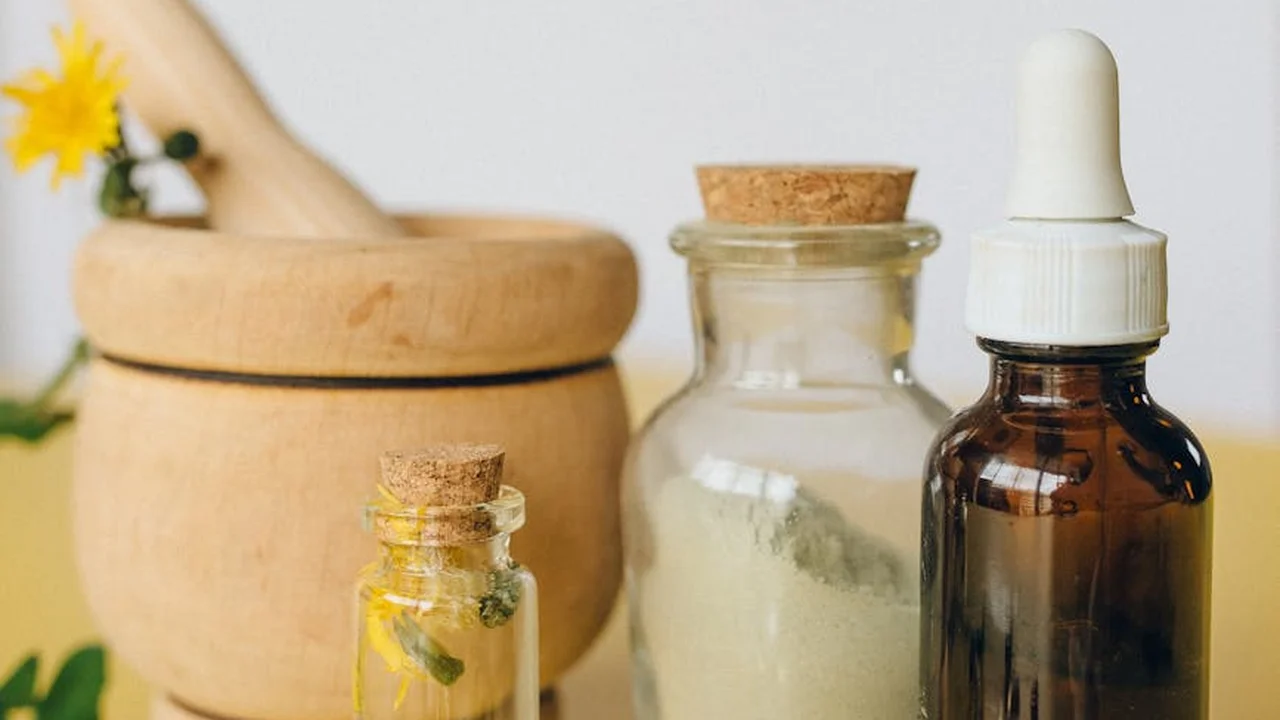
Oregano oil is fantastic, but it’s not the only option. Sometimes a gentler oil or a different form of the herb is a better fit. If you’re curious about making oregano oil at home for natural remedies, this area covers gentler oils and other herb forms.
For cleaning or topical use, other essential oils share similar properties. Tea tree oil is my shelf staple for its cleansing feel. Thyme oil (chemotype linalool) is also powerful but often a bit gentler on skin. For a fresh, herbaceous scent in home sprays, I sometimes reach for rosemary.
If you want the wellness benefits of oregano but find the oil too intense, the dried herb itself is a wonderful alternative. Adding it to soups, stews, or even steeping a light tea is a time-honored, gentler way to welcome it into your routine. For those curious about making herbal infused oils at home, exploring the best methods and simple recipes can be a handy next step. This approach lets you tailor strength and flavor to your preferences.
And sometimes, the best alternative is a completely different path. If you’re looking for skin soothing, maybe turn to lavender. For immune support, consider a strong cup of ginger or elderberry tea. Listen to what your body needs. Oregano oil is one tool, not the whole toolbox.
Questions We Hear Most
Can I use oregano oil capsules daily?
For short-term seasonal support, many do, but it’s not a daily supplement for ongoing use. Always follow the bottle’s dosage and consult a healthcare provider first to ensure it’s right for you.
Is there a real difference between ‘wild’ and regular oregano oil?
Wildcrafted oil, from uncultivated plants, often has a more complex, robust scent and may offer a broader profile of compounds. For a potent, traditional experience, a verified wild oil is a lovely choice if your budget allows.
How do I store my oil to keep it potent?
Always keep it in its dark glass bottle, tightly capped, in a cool and dark cupboard away from steam. Stored properly, a high-quality oil will maintain its potency for about two to three years.
What’s a safe, simple dilution for skin?
A great starting point is to dilute 1 drop of pure oregano essential oil in 1 teaspoon (5ml) of a carrier oil like jojoba. Getting dilution ratios right matters for hair and skin. This helps you learn how to mix essential oils with carrier oils properly. Always perform a patch test with this mixture first to check for sensitivity.
My local store doesn’t carry it. What’s my best online strategy?
Focus on dedicated aromatherapy or wellness retailers that provide a Certificate of Analysis (COA). Filter for sellers who clearly list Origanum vulgare and steam distillation, and always check their shipping policies to your region.
Bringing Oregano Oil Into Your Home Apothecary
Your best choice is always an oregano oil with clear labeling about its source and purity, whether from a local shop or online retailer. This simple check supports every use, from a soothing skin dilution to a fresh, cleaning home spray.
I write regularly on Botanical Oils about blending oils for body, hair, and home, so follow along for more hands-on advice. Trust your intuition as you experiment, and let your own comfort guide how you weave this potent herb into your wellness routine.
Further Reading & Sources
- Amazon.com: AROMAVITA Essential Organic Oil of Oregano-100% Pure Undiluted Greek Oregano Oil with Carvacrol – Over 86%, Non-GMO, Extra Strength Oregano Oil Organic Liquid Drops, 1.7 FL.OZ/50ml : Health & Household
- Buy Bulk – Oregano Oil – Vulgare Organic | Jedwards International
- Oregano Essential Oil Organic
- Oregano Oil
Noemi Kamińska
Noemi is an accomplished wellness researcher, nutrition care guide and body care expert. She has years of experience in formulating various oil combinations for full body wellness including face, hair, body care, essential oils and cooking oils. She works as a bio-formulator working with oil chemistry and analyzing the best formulations when it comes to your needs. Feel free to reach out to get your oil needs sorted.