Where Can You Buy Pure Tea Tree Oil and Other Botanical Oils?
I know that hunt for a real, effective tea tree oil can leave you scratching your head. Let me use my experience from years stocking my own apothecary shelf to point you toward the trustworthy sources I rely on.
This guide shares my personal checklist for finding pure oils, whether you’re clicking ‘add to cart’ or browsing a store aisle.
- My go-to online retailers for consistent quality
- Local stores where I often find good options
- Simple ways to spot a pure oil before you buy
- What I look for on a label every single time
What Makes a Good Tea Tree Oil, Anyway?
Pure, high-quality tea tree oil has a very distinct character. The aroma is sharp, clear, and medicinal, with strong camphorous notes.
It’s a powerful scent, but it shouldn’t smell artificial or like harsh chemicals. It should be clear in color and feel thin, almost watery, not thick or syrupy.
My own bottle from a trusted distiller smells like a clean, resinous forest after a rain.
The label “100% pure” means nothing else has been added to the bottle, like filler oils or synthetic fragrances.
You also want to see the full Latin name, *Melaleuca alternifolia*. This confirms you’re getting the true tea tree species, not a different type of melaleuca oil.
This specific oil is my first reach for occasional skin blemishes, to refresh homemade cleaning sprays, and to add a purifying note to diffuser blends.
Your Detective Kit: What to Check Before You Buy
Before you click “add to cart,” get in the habit of checking a few key details. Think of it as reading the ingredients on your food.
A trustworthy label will always list three things: the Latin botanical name, the country of origin (like Australia), and the extraction method (steam distillation).
If any of these are missing, it’s a red flag.
Understanding the Quality Report Card
Many serious brands provide a GC/MS report. That stands for Gas Chromatography/Mass Spectrometry.
It sounds complex, but you can think of it as the oil’s quality report card. This test shows the exact chemical makeup of that batch of oil. With a few at-home checks, you can assess purity and authenticity in a home lab. These quick checks help verify the oil’s true identity before use.
It proves the oil is pure, potent, and free from contaminants. Reputable companies often make these reports easy to find on their website.
Looking Beyond the Bottle
Take a few minutes to research the brand itself. A quick visit to their “About Us” or “Sourcing” page can tell you a lot.
Look for information on where and how they partner with growers. Do they mention sustainable harvesting or fair trade practices?
These practices often reflect a deeper care for the product from soil to shelf.
A Note on Price
Pure, ethically sourced tea tree oil has a general cost range. You can typically expect to pay between $10 and $20 for a half-ounce (15ml) bottle from a good supplier.
If you see a huge bottle labeled “pure” for just a few dollars, it’s almost certainly diluted or synthetic.
Investing in a small bottle of real oil is more effective and safer for your skin and home.
Finding Tea Tree Oil In Your Neighborhood Stores
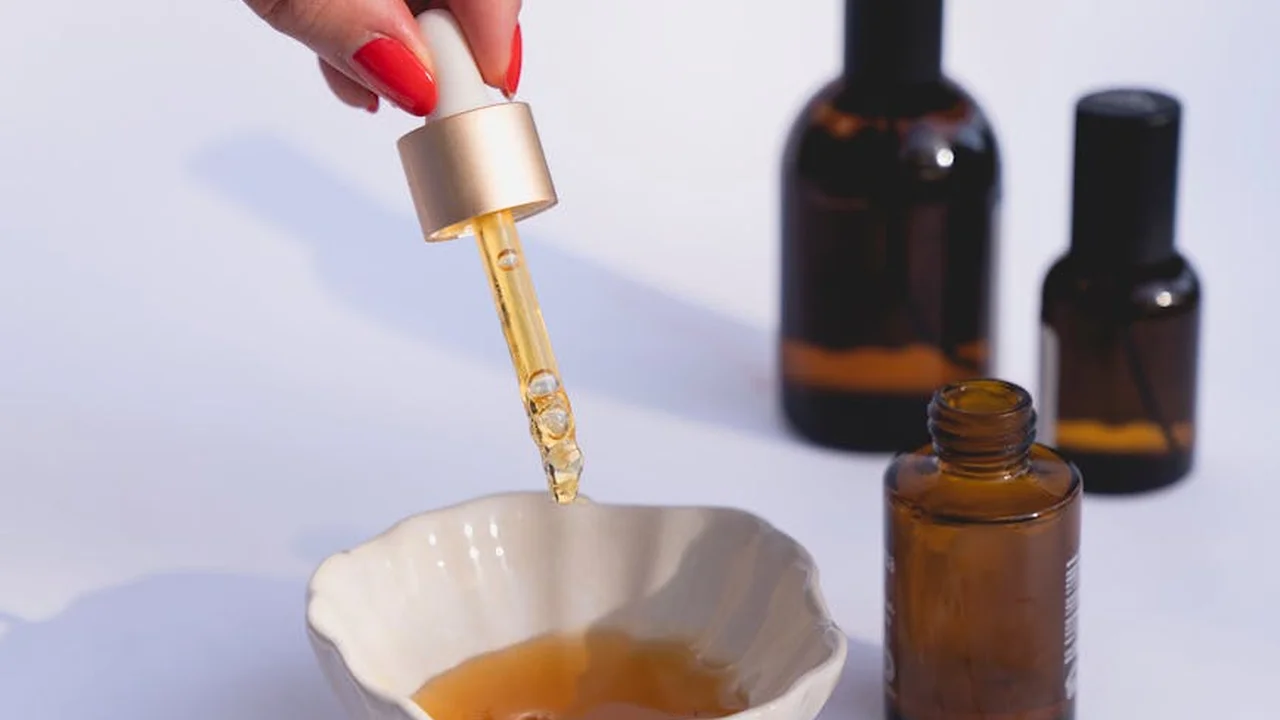
You often need an oil quickly, and local shopping is your best bet.
Yes, Walmart usually carries tea tree oil. I find it most often in two spots.
Check the pharmacy area near other essential oils and rubbing alcohol.
Look in the natural beauty or skincare aisle too. My local one stocks a few brands right next to the witch hazel.
Many other chains keep it on their shelves.
- Drugstores like CVS, Walgreens, and Rite Aid.
- Health food grocers such as Whole Foods, Sprouts, and The Fresh Market.
- Big-box retailers like Target and Costco (sometimes in multi-packs).
Save yourself a trip by checking stock online first.
Go to the store’s website or app, search for “tea tree oil,” and use the “find in store” feature. It will show you aisle numbers and real-time stock for your zip code.
This is the easiest way to find tea tree oil near me without driving around.
Buying in-store has clear upsides and downsides.
The big pro is immediacy. You have it in your hands in an hour.
The con is a limited selection. You might only find one or two brands. I also check bottles carefully in stores, as some blends add synthetic fragrance or other oils. You want the bottle to say “100% Melaleuca alternifolia” oil.
The Online Marketplace: A World of Choice
Online shopping opens up every option, which is both wonderful and overwhelming.
Large marketplaces like Amazon offer convenience and price comparison.
Dedicated botanical retailers often provide detailed sourcing information, GC/MS reports, and expert advice. I buy from both, depending on my needs.
Learning how to buy tea tree oil online safely is a key skill.
Follow these steps to feel confident in your purchase.
- Read the product description thoroughly. Look for the Latin name and words like “undiluted” or “pure.”
- Dig into the customer reviews. I look for patterns. Do multiple people mention a weak scent? That’s a red flag for dilution.
- Check the seller’s rating and years in business. A specialist store with a long history is often a safer bet than a brand-new general seller.
Trustworthy sellers are transparent about their sourcing and testing.
For the purest oils, consider buying direct from a distiller or a well-known manufacturer.
These companies often grow or directly source their own botanicals. You can sometimes buy larger sizes, and you’re getting the oil straight from its source. This is my preferred method for oils I use constantly.
Our friends abroad have great options too.
In the UK and Canada, look at major pharmacy chains and natural health stores online. In Australia, you can often find excellent local tea tree oil at chemists, health food shops, and even Woolworths. Australian brands are fantastic, given it’s the plant’s native home. Likewise, eucalyptus oil is commonly available from many of the same retailers, and the ‘where I buy eucalyptus oil’ guide will map purchase locations and trusted retailers. This will help you quickly locate online and in-store options across the UK, Canada, and Australia.
Considering Bulk Purchases and Specialized Oils
If your household uses tea tree oil for cleaning, skincare, and first aid, buying in bulk can make sense.
I buy a larger bottle maybe once a year. It’s cost-effective and ensures I always have some on my shelf for DIY projects. Just store it in a cool, dark place to preserve its strength.
Buy tea tree oil in bulk if you use it regularly and have a proper storage spot.
Sometimes searches get mixed up with very different products.
If you’re looking for where to buy pure tung oil, you’re likely working on a wood project. Tung oil is a drying oil from nut kernels, not an essential oil for skin. You’ll find it at hardware stores, woodworking shops, or online specialty suppliers. The same goes for teak oil. They are for home and hobby use, not wellness.
You can also find the benefits in pre-made products.
A good tea tree oil shampoo will list “Melaleuca alternifolia (Tea Tree) Leaf Oil” clearly in the ingredients. It shouldn’t be the last item. The closer it is to the start of the list, the higher the concentration likely is. I always give the bottle a quick sniff too-that clean, sharp scent should be noticeable.
Beyond Tea Tree: A Quick Guide to Five Other Staples
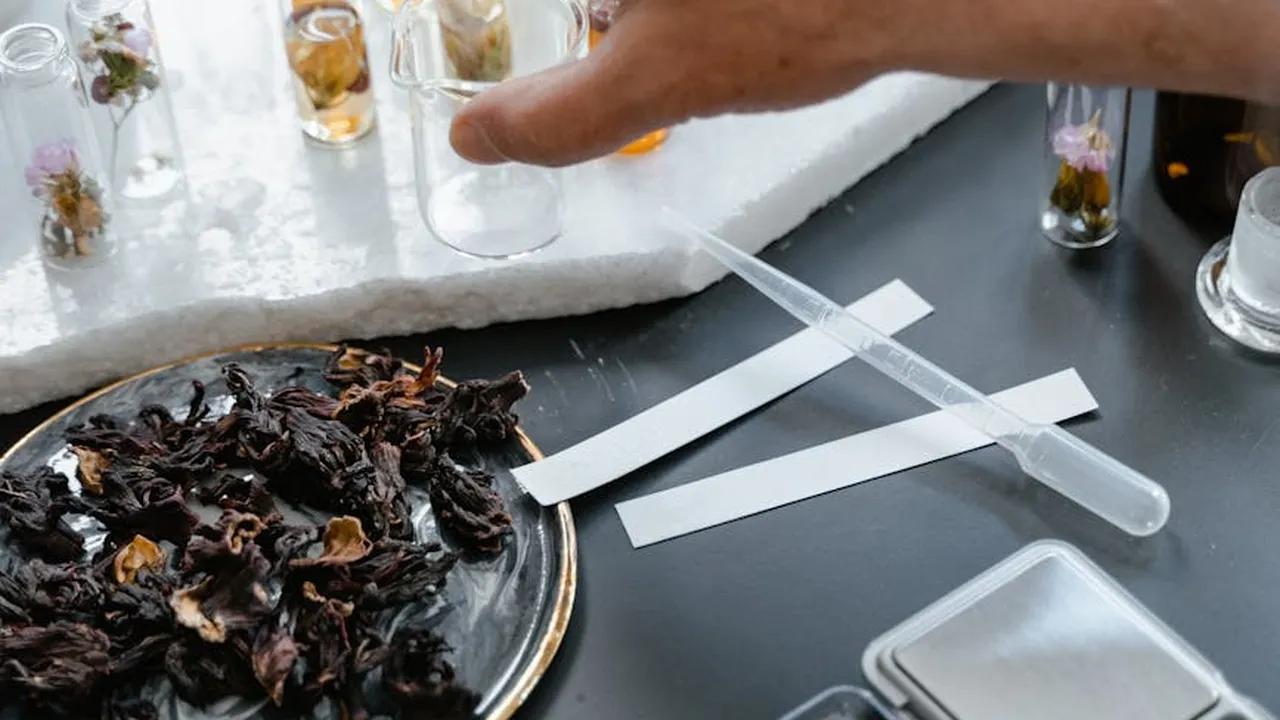
Those same rules for finding pure tea tree oil apply here. Check for the Latin name, read the ingredient list, and trust your nose. I keep small bottles of these five on my shelf for almost everything.
Lavender
Look for oil labeled Lavandula angustifolia. This is true lavender, with a sweet, almost honey-like floral scent perfect for calming. For a peaceful night, I put one drop on a cotton ball and tuck it near my pillow—one of the best essential oils for sleep and stress relief.
Peppermint
Your bottle should say Mentha piperita. The aroma is sharp, cool, and instantly awakening. For a quick pick-me-up, I mix one drop with a teaspoon of jojoba oil and rub it on the back of my neck.
Eucalyptus
Seek out Eucalyptus globulus for that classic, clearing camphoraceous smell. When the air feels stuffy, I add two drops to a bowl of hot water, drape a towel over my head, and breathe deeply for a few minutes.
Lemon
Always choose cold-pressed Citrus limon. It smells like the brightest, zesty part of the peel. I add about ten drops to a spray bottle with water and vinegar for a cheerful kitchen cleaner.
Frankincense
This is my wildcard. Look for Boswellia carterii or serrata. Its scent is warm, woody, and deeply grounding. For skin, I blend one drop with a dollop of my facial moisturizer for a soothing evening ritual.
Common Mistakes and How to Sidestep Them
I’ve made some of these errors myself early on. Learning from them saves money and ensures your oils work well.
Chasing Low Prices or Pretty Bottles
A very cheap oil or one in a fancy bottle often cuts corners on purity. That stunning decorative bottle is usually a sign the oil is diluted, as pure oils degrade in clear glass. I prioritize a plain, dark bottle over pretty packaging every time.
Skipping the Dilution Step
Tea tree oil and most others can irritate skin if applied straight. You must mix them with a gentle carrier oil like jojoba or sweet almond. For most topical use on adults, I start with a simple rule: one drop of essential oil to every teaspoon of carrier oil. This makes it safe and helps it spread evenly. If you’re using tea tree oil at home for skin or hair, always dilute and perform a patch test first. This careful approach—diluting, patch-testing, and applying sparingly—keeps home use safe.
Trusting the “Natural” Label Blindly
The word “natural” isn’t regulated. A brand can use it even if their oil contains synthetic fillers. Your trust should come from a clear ingredient list that names only the plant, not from marketing terms. I look for the Latin name and “100% essential oil” on the label.
Poor Storage Habits
Heat and light break down the delicate compounds in your oils. Storing them on a sunny windowsill or above the stove ruins their potency. I keep my collection in a wooden box inside a cool, dark cupboard to make them last for years. The difference in aroma over time is noticeable.
When NOT to Try This at Home
Even the most versatile botanical oils have clear boundaries for safe use.
I keep my tea tree oil in a locked box for a reason.
Here are the non-negotiable rules I follow in my own practice.
Skip the “Neat” Application
Never apply an essential oil straight from the bottle onto your skin, a method called using it “neat”.
This is a fast track to irritation, burns, or a serious allergic reaction, even with “gentle” oils.
My tea tree oil, for instance, is powerful stuff. I always mix it into a carrier oil like jojoba or sweet almond first. Doing so keeps the oils safe for skin and maximizes their benefits. It’s a simple step in learning how to mix essential oils with carrier oils for safe, effective body treatments.
Pets Are Not People
Your dog or cat processes oils very differently than you do.
What’s calming for you can be toxic for them.
Never assume an oil safe for you is safe for your pet, and always consult a vet trained in aromatherapy before using any oils around them, especially when diffusing essential oils around pets.
I keep my diffuser in a room my cat rarely enters, just to be safe.
Internal Use is a Professional’s Domain
Swallowing essential oils is a serious matter.
It requires specific, pharmaceutical-grade oils and precise dosing knowledge that most home users don’t have.
I never recommend internal use unless you are directly guided by a qualified healthcare professional.
Beware the Old Citrus
Those lovely lemon or sweet orange oils from last year? Give them a sniff before using on your skin.
Citrus oils can oxidize over time, which changes their chemical makeup.
An oxidized citrus oil can cause phototoxicity, meaning it might make your skin burn or blister in the sun.
If it smells “off” or sharp, use it in a household cleaner instead.
Plastic and Oils Don’t Mix
Essential oils are potent solvents.
They can break down certain plastics and synthetic materials over time.
Always store your oils in dark glass bottles, and use diffusers made from glass, ceramic, or metals approved for oil use. Proper storage is essential to preserve their quality and effectiveness, especially for different types of oils like olive, coconut, and essential oils.
I once ruined a plastic measuring cup by leaving a bit of peppermint oil in it. The cup became cloudy and sticky.
When to Seek Professional Guidance

Knowing when to ask for help is a sign of a wise herbalist.
These wonderful plant extracts are partners in wellness, not replacements for professional care.
For Personalized Blends and Complex Goals
If you’re dealing with a layered issue like ongoing stress patterns, complex skin concerns, or want support during a major life transition, a certified aromatherapist is your best ally.
They can create a custom blend tailored just for you, something you can’t get from a generic recipe.
Think of them like a master perfumer for your health, blending oils for a specific emotional or physical outcome.
During Pregnancy, Nursing, or With Health Conditions
Your body is in a unique state during pregnancy and nursing.
Some oils commonly used for relaxation, like certain basil or rosemary types, might not be advised.
The same goes if you have a serious health condition like epilepsy, high blood pressure, or are on regular medication.
Always have a conversation with your doctor before introducing essential oils into your routine in these cases, especially when using them in an aromatherapy diffuser.
It’s a simple step that brings immense peace of mind.
The Essential Patch Test
Your skin is unique. A patch test is the smart way to listen to it.
This is crucial for anyone, but non-negotiable if you have sensitive skin or known allergies.
Mix one drop of the essential oil in a teaspoon of your regular carrier oil.
Apply a dab to the inside of your elbow or behind your ear.
Cover it with a bandage and leave it for 12-24 hours.
If you see any redness, itching, or swelling, wash the area with soap and water and avoid using that oil on your skin.
I do this quick check with every new oil I bring onto my shelf. It takes a day but can prevent weeks of discomfort.
Your Quick Questions, Answered
I live in Pakistan. Where can I find pure tea tree oil?
I recommend searching reputable online marketplaces like Daraz for trusted international brands that ship to Pakistan. Always check seller reviews and product listings for the Latin name Melaleuca alternifolia to ensure purity.
Is buying tea tree oil in bulk a good idea?
Bulk buying is cost-effective only if you use it regularly for DIY cleaners or skincare. Ensure you have a cool, dark storage place to maintain the oil’s potency over time.
Where can I buy tea tree oil wipes in Duncan, BC?
For pre-made wipes, check the first aid or skincare aisles at local pharmacies like Shoppers Drug Mart. Remember, wipes are a diluted, convenient product, not a substitute for pure oil for your own formulations.
What are the best sources in the UK, Canada, and Australia?
In the UK and Canada, turn to major pharmacy chains and dedicated natural health retailers online. In Australia, you have excellent local options; besides chemists, check Woolworths for authentic Australian-grown tea tree oil, but always verify the label for purity.
Final Thoughts on Building Your Oil Collection
The single most important step is to prioritize purity and transparency from every supplier you consider. When you start with a truly pure oil, every drop becomes a reliable tool for your skin, hair, and home wellness.
For more guidance on blending and using these oils, I invite you to follow along right here on the blog. Trust the process, trust your own senses, and you’ll find what brings balance to your body and your space. Plus, you might wonder which essential oil blends pair best with lavender. Stay tuned for simple lavender pairing ideas in upcoming posts.
Industry References
- Amazon.com: Tea Tree Oil
- Tea Tree Oil | Organic & Australian Tea Tree Oil | Desert Essence
- Tea Tree – Organic EO | Eden Botanicals
Noemi Kamińska
Noemi is an accomplished wellness researcher, nutrition care guide and body care expert. She has years of experience in formulating various oil combinations for full body wellness including face, hair, body care, essential oils and cooking oils. She works as a bio-formulator working with oil chemistry and analyzing the best formulations when it comes to your needs. Feel free to reach out to get your oil needs sorted.