
Where Should You Buy Your Next Bottle of Peppermint Essential Oil?
Finding a truly pure and potent peppermint oil can feel overwhelming with so many options. Your search ends here, because a high-quality oil makes all the difference in how it feels and works for you.
I’ll walk you through exactly what to look for on a label and which types of companies I trust, based on years of blending oils for my own apothecary shelf.
- How to read a product label for purity clues.
- The pros and cons of different retail sources.
- My personal criteria for a trustworthy brand.
- Simple tests you can do at home.
Your First Stop: Where to Actually Look for Peppermint Oil
Let’s get straight to it. You can find peppermint oil in two main places: local shops and online retailers.
Big-box stores like Walmart and Target are a common first stop. Yes, Walmart does sell peppermint oil. The trade-off is important to understand.
You’ll often find fragrance oils or diluted blends on these shelves, not pure therapeutic-grade essential oil. The price is low and the access is instant, which is perfect for a simple room scent. For aromatherapy or skin application, the quality and purity usually aren’t there. Fragrance oils differ from essential oils in that they lack the natural therapeutic compounds and stem from synthetic sources.
For a better local option, turn to health food stores, co-ops, or even some pharmacies. My own first good bottle came from a local co-op’s wellness aisle. These shops tend to curate brands that care about sourcing.
To find a shop near you, try a search like “buy peppermint oil nearby” or “aromatherapy supplies near [your city].” For example, searching “buy peppermint oil near Queens NY” will point you to local herb shops and wellness stores in that community. If you’re specifically looking for doTERRA essential oils or other carrier oils, search for “doTERRA near me” or “carrier oils near me” to locate local distributors or consultants. This helps you compare options and confirm stock at nearby shops.
How to Spot a Truly High-Quality Peppermint Oil
High-quality means the oil is pure, comes from a known source, and is tested for its composition. Think of it like buying honey. You want raw, local honey, not a flavored syrup blend.
The label is your first clue. A trustworthy bottle will always show three things.
- The Latin name: Mentha piperita.
- The country of origin (like USA, India, or France).
- A mention of GC/MS testing, which is a lab report confirming purity.
Next, use your nose. Real peppermint oil has a sharp, clean, almost crisp aroma. It should create a cooling sensation in your sinuses. If it smells only sweet, like a candy cane, it’s likely synthetic.
For the best selection, I prefer buying from dedicated aromatherapy companies online over general marketplaces. These specialists live and breathe plant extracts. General marketplaces can be a mix of genuine and imitation products, which is confusing. Especially when searching for niche oils like Batana oil.
If you use peppermint oil often for headaches or homemade cleaners, buying a larger size makes sense. The cost per drop is much lower. I keep a 30ml bottle in my apothecary for this reason.
Red Flags and Green Lights on a Product Page
Read carefully. Specific words tell you exactly what you’re getting.
The terms “fragrance oil,” “perfume oil,” or “nature-identical” mean it’s a synthetic blend not suitable for wellness use. These are for candles and soaps only.
A rock-bottom price is a major warning. Producing pure peppermint oil requires hundreds of pounds of plant material. If a price seems too good to be true, it almost always is.
Look for the green lights. USDA Organic certification is a strong indicator of clean farming practices. A lot or batch number means the company can trace that oil back to its source. Some brands even provide the full GC/MS report online. That level of transparency is a very good sign.
Smart Shopping: Sizes, Forms, and What You Really Need

Think of your first purchase as a test run, not a lifetime supply. I always recommend a small 5ml or 10ml bottle.
This lets you check the oil’s aroma and how your body responds without a big investment. A truly fresh, high-quality peppermint oil should smell clean and vibrant, like crushing a leaf between your fingers, not just like candy.
Starting with a small bottle is the smartest way to ensure you love a brand’s specific peppermint profile before committing to more.
Capsules Versus the Pure Essential Oil
You might see “peppermint oil” sold in gel capsules for internal use. This is a different product.
Those capsules typically contain peppermint essential oil in a carrier oil, sealed for swallowing. The pure essential oil in your little brown bottle is for aromatic or diluted topical use. Internal use of essential oils is a serious matter and should only be done under the guidance of a qualified healthcare practitioner.
For most home aromatherapy and wellness routines, the pure essential oil is the versatile choice.
Using Peppermint Oil in the Home
A common question I get is about using it as a natural pest deterrent. Mice and spiders dislike the strong scent.
For this, you never use the oil neat. Create a gentle spray. I mix about 15 drops of peppermint oil into a small spray bottle filled with water and a teaspoon of vodka or white vinegar (this helps the oil and water mix). This base is a great starting point for other DIY peppermint spray recipes used around the home and on skin. In the next steps, you’ll see more ideas for peppermint oil sprays suited for cleaning and body care.
Shake well before each use and lightly mist areas like baseboards, entry points, or corners, keeping it away from pet food areas and children’s reach. Reapply every few days as the scent fades.
Finding Quality Locally
If you’re searching locally, look for brands that specialize in aromatherapy. In Australia, for instance, several reputable artisan distillers and ethical suppliers offer fantastic pure peppermint oil, as well as lavender and sage essential oils.
While a general store like Bunnings might carry some options, their selection is often geared more toward cleaning or industrial use. Your best bet is a health food store, a dedicated aromatherapy supplier, or a trusted pharmacy with a wellness focus. The staff there are more likely to understand the difference between a fragrance oil and a therapeutic-grade essential oil.
Common Mistakes and How to Avoid Them
Walking into a shop, it’s easy to grab the first bottle labeled “peppermint oil.” This is where mistakes start.
That bottle could be a pure essential oil, a diluted roll-on, or a fragrance oil made from synthetic chemicals. Always check the label for the words “100% pure *Mentha piperita* essential oil” to ensure you’re getting the real thing for wellness use. Fragrance oils are for scenting candles and soaps, not for your skin or diffuser.
Skin Sensitivity and Dilution
Peppermint is a “hot” oil. Applying it directly to your skin can cause a burning sensation or a rash.
I keep a pre-diluted roller bottle in my apothecary for headaches. I mixed 10 drops of peppermint oil into 10ml of fractionated coconut oil. For most adults, a safe starting dilution is 1-2 drops of essential oil per teaspoon (5ml) of a carrier oil like jojoba or sweet almond. Always do a patch test on a small area of skin first.
Safety Around Family
The strong, cooling vapor of peppermint can be too intense for little lungs and sensitive systems.
I avoid diffusing peppermint in rooms where my young nieces are playing. For pets, especially cats, it’s best to avoid using peppermint oil around them altogether as they process oils very differently. Additionally, this topic is covered in our peppermint essential oil safe pets guide, including toxicity symptoms and safe alternatives. Always ensure good ventilation when diffusing, and keep bottles and applications out of reach of children and pets.
Preserving Your Oil’s Power
Sunlight and heat are the enemies of essential oils. They break down the delicate compounds, making your oil lose its potency and go “flat.”
That sunny windowsill above your stove is the worst place for your collection. Store your peppermint oil in its original dark glass bottle, in a cool, dark cupboard away from appliances. My oils live in a wooden box in a consistently cool pantry. Proper storage makes a single small bottle last a long, effective time.
The Temptation of the Big Bottle
A giant bottle seems like a better deal. But what if you don’t like its minty character? What if it feels harsh to your senses?
Peppermint can vary from brand to brand-some are sharper, some sweeter, some more herbaceous. Committing to a large volume before you know you enjoy and trust a specific source is a common way to waste money. Start small, fall in love with the quality, then you can confidently size up.
Beyond the Bottle: Using Your Peppermint Oil at Home
You have your pure, vibrant bottle of peppermint oil. Now, let’s put it to work. The simplest uses are often the most rewarding.
I love starting with a cooling chest rub for stuffy days. In a small glass dish, mix one teaspoon of a skin-loving carrier oil, like fractionated coconut or sweet almond oil, with just one drop of peppermint oil. Gently massage a dab onto your chest. The immediate sensation is a cool, open breath that feels like a fresh breeze in your sinuses.
For an afternoon pick-me-up, try this diffuser blend. Add three drops of peppermint and two drops of sweet orange oil to your water reservoir. The mint sharpens focus while the citrus brings a smile. It clears the mental fog.
Around the home, a simple surface spray is wonderfully effective. In a 4-ounce glass spray bottle, combine 1 cup of water, 1/4 cup of white vinegar, and 10 drops of peppermint oil. Shake well before spritching kitchen counters or wiping down surfaces. It leaves a clean, invigorating scent.
My favorite shelf tip is for laundry. I add a single drop of peppermint oil to a wool dryer ball before tossing it in with a load of towels or sheets. It imparts the faintest, most uplifting crispness without any chemical residue.
A Quick Guide to Dilution for Safety
Peppermint oil is incredibly potent. For topical use, you must always dilute it in a carrier oil. Think of it as a powerful concentrate that needs a gentle base.
Here is a simple rule of thumb for adults. For a standard 1% dilution, which is perfect for chest rubs or a temple massage, use:
- 1 drop of peppermint essential oil per 1 teaspoon (5 mL) of carrier oil.
For a larger batch of massage oil, you can scale this up. With peppermint, less is genuinely more; you can always add another drop next time if needed.
Before using any new blend on a large area, please do a patch test. Apply a small amount to the inside of your forearm and wait 24 hours to check for any reaction. Safety first, always.
If Pure Peppermint Isn’t Right: Thoughtful Alternatives
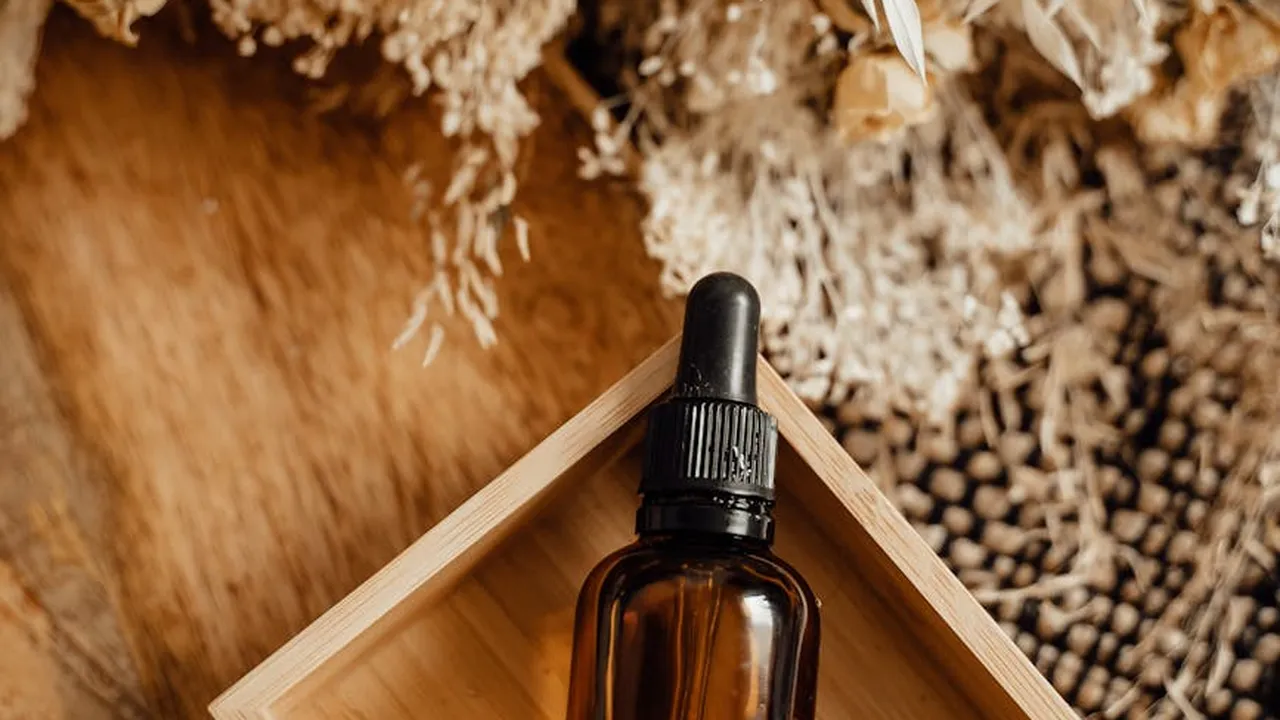
Pure peppermint can be intense. If its sharp, camphorous scent feels too strong for you, there are wonderful alternatives on the shelf.
For a gentler, sweeter minty aroma, try spearmint essential oil. It reminds me of chewing gum and is often better tolerated for calming diffuser blends or by those with scent sensitivities.
If you seek the cooling sensation without the intense mental punch, consider cornmint oil. It has a high menthol content but a different aromatic profile. A pre-diluted peppermint roll-on from a trusted brand is another excellent choice, as the safety work is done for you.
For a similar uplifting, focusing effect without any mint, I often turn to rosemary cineole essential oil. It has a clear, herbaceous scent that supports concentration. Sweet orange oil is another cheerful option for an energy boost, though its effect is more emotionally brightening than cooling.
Note that if you’re blending for pest concerns, peppermint is a good start, but oils like tea tree or citronella can be powerful partners for a broader defensive aroma. These oils are frequently discussed as options for bug repellent and pest control against mosquitoes, ticks, fleas, bed bugs, and other pests. If you’re evaluating the “best essential oils” for pest management, consider how well they work across different insects and environments.
Bringing It Home: Your Personal Purchasing Checklist
It can feel like a lot. I keep a sticky note with these exact points inside my own apothecary cabinet for quick reference.
Before you click “buy” or walk into a shop, run through this simple list. It turns a confusing search into a confident choice.
Your Quick-Reference Shopping List
-
Confirm the Botanical Name
Look for Mentha piperita on the label. This is non-negotiable.
If it just says “Peppermint Oil,” it could be a fragrance or a different mint. The Latin name is your first guarantee you’re getting the real plant.
-
Find the Testing Claim
Scan the bottle or website for “GC/MS tested” or a “Quality Report.”
This report is like a purity fingerprint, showing exactly what’s in the bottle and ruling out fillers or synthetic additives. Reputable brands are proud to share this.
-
Decide Your Primary Use
Ask yourself: is this mainly for my diffuser or for my skin?
- For diffusing and home scent: A standard 5ml or 10ml bottle from a trusted brand is perfect.
- For topical use (diluted!): Consider if you need a larger size, but always start small to test your skin’s response.
This choice helps you budget and avoid buying more than you need.
-
Pick a Reputable Seller
Choose companies that specialize in botanical oils and share detailed sourcing info.
I look for brands that tell me the oil’s country of origin. A good peppermint has a crisp, clear, almost sweet minty aroma-not harsh or chemical.
-
Start With a Small Size
Begin with a 5ml bottle, even if a larger one seems like a better deal.
Your first purchase is a test drive for both quality and how your body responds to that particular batch. You can always get more later.
A Quick Note on Safety & Smell
As you shop, keep two things in mind. First, peppermint oil is potent. For skin, you’ll always dilute it in a carrier oil like jojoba or sweet almond. That also begs the question: are there best carrier oils for skin to dilute essential oils? Understanding which oils work best helps you dilute safely and avoid irritation.
Second, trust your nose when it arrives. The scent should be vibrant and clean, lifting your senses, not giving you a headache. If it smells “off” to you, it probably is.
See? It’s a straightforward path. You have the map. Now you can find that perfect, invigorating bottle of peppermint with total confidence.
Quick Botanical Q&A
Is buying peppermint oil in bulk a good idea?
For frequent users, buying in bulk (30ml or more) can be cost-effective. Ensure it’s from a trusted source with a recent batch date, and store it properly in a cool, dark place to preserve its potency.
Can I buy good peppermint oil at Bunnings?
Bunnings may carry some options, but their range is often geared more toward cleaning or pest control. For therapeutic-grade oil for wellness, a dedicated health food store or aromatherapy supplier is a more reliable choice.
Can I use peppermint oil to deter pests like mice?
Yes, its scent is a natural deterrent. Always dilute it in water with a dispersant like vinegar in a spray bottle, and avoid spraying near pet food areas or bird cages, as the strong aroma can be overwhelming for some animals.
How do I verify quality when I buy peppermint oil online?
Prioritize brands that provide a GC/MS batch report directly on the product page. This transparency is your best evidence of purity and distinguishes specialists from general marketplaces.
Where’s the best place to buy peppermint oil in Australia?
Look for Australian-owned artisan distillers or well-established aromatherapy suppliers online. Many offer exceptional, locally sourced or ethically imported oils with the detailed provenance you want for wellness use, such as pure tea tree oil and other botanical oils.
Your Peppermint Oil Sanctuary
When sourcing peppermint oil, let clarity and purity from a trusted supplier be your guiding light. This simple priority ensures every drop supports your aromatherapy, skin care, or home cleaning routine safely and effectively. Exploring the uses and benefits of peppermint, lemon, lemongrass, and thieves oils can guide diffuser choices and therapy-ready routines. These oils appear in aromatherapy, skincare, and home care to support safe, effective practice.
I regularly share my own apothecary experiments for oils in body, skin, hair, wellness, and home right here. Trust your growing knowledge and start with a small bottle-your personal experience is a powerful teacher.
Related Guides and Information
- peppermint oil – Walmart.com
- Amazon.com: 16 fl oz – Peppermint Essential Oil 100% Pure, Uncut, 16 fl oz – GreenHealth : Health & Household
- Peppermint Essential Oil | Bulk Apothecary
- Natural Peppermint Essential Oil | 100% Pure and Organic | Sparoom
- Amazon.com: NaturoBliss Peppermint Essential Oil, 100% Pure and Natural Therapeutic Grade, Premium Quality Peppermint Oil, 4 fl. Oz – Perfect for Aromatherapy and Relaxation : Health & Household
Noemi Kamińska
Noemi is an accomplished wellness researcher, nutrition care guide and body care expert. She has years of experience in formulating various oil combinations for full body wellness including face, hair, body care, essential oils and cooking oils. She works as a bio-formulator working with oil chemistry and analyzing the best formulations when it comes to your needs. Feel free to reach out to get your oil needs sorted.