Which Essential Oils Calm Poison Ivy Rash and Soothe the Itch?
That relentless poison ivy itch can feel overwhelming and endless. From my own apothecary shelf, I know several essential oils that genuinely cool the sting and quiet the urge to scratch.
I’ll share my firsthand picks for oils that ease discomfort and support skin healing, plus exactly how to blend them.
- The specific oils I use for their anti-itch and calming properties
- Simple methods to dilute and apply oils safely to sensitive skin
- Quick blend recipes I keep on hand for immediate relief
- Crucial precautions to protect your skin while it recovers
Key Takeaways
Before we get into the details, here is the heart of the matter.
- For direct, soothing relief, I consistently turn to three oils: lavender for its calming whisper, peppermint for its cool distraction, and tea tree for its supportive cleanse.
- You must dilute essential oils in a carrier oil like jojoba or coconut oil before applying them to a rash. Applying them straight, or “neat,” can severely worsen skin irritation.
- These oils are for managing discomfort and supporting your skin’s comfort. They are not a substitute for seeing a doctor if you have a severe reaction, trouble breathing, or a rash on your face or genitals.
How Do Essential Oils Calm a Poison Ivy Rash?
These oils do not cure the rash or remove the urushiol oil that caused it. Their job is simpler and gentler. They help soothe the itch (that’s the antipruritic effect) and quiet the visible inflammation.
Think of lavender oil as a soft, floral blanket for your frazzled nerves. When your skin is screaming with itch signals, lavender works to calm that communication. It tells your system to turn the volume down.
The real issue is your skin’s reaction to the urushiol. Since we can’t change that initial contact, our best move is to comfort the skin. We offer it cooling sensations and calming messages so it can heal with less distress.
Why Your Carrier Oil is a Co-Star, Not a Backup
Diluting your essential oil is non-negotiable for safety and effectiveness. A carrier oil protects your sensitive skin from irritation and helps spread the essential oil evenly. Knowing the right dilution ratios is key to getting the benefits without any risks.
This brings up a common question: does coconut oil help poison ivy? From my shelf, I reach for fractionated coconut oil often. It’s a brilliant carrier-lightweight and soothing. But its role is to deliver the treatment, not to be the treatment itself. It won’t neutralize urushiol, but it creates the safe, gentle medium your skin needs.
The Best Essential Oils to Quiet the Itch
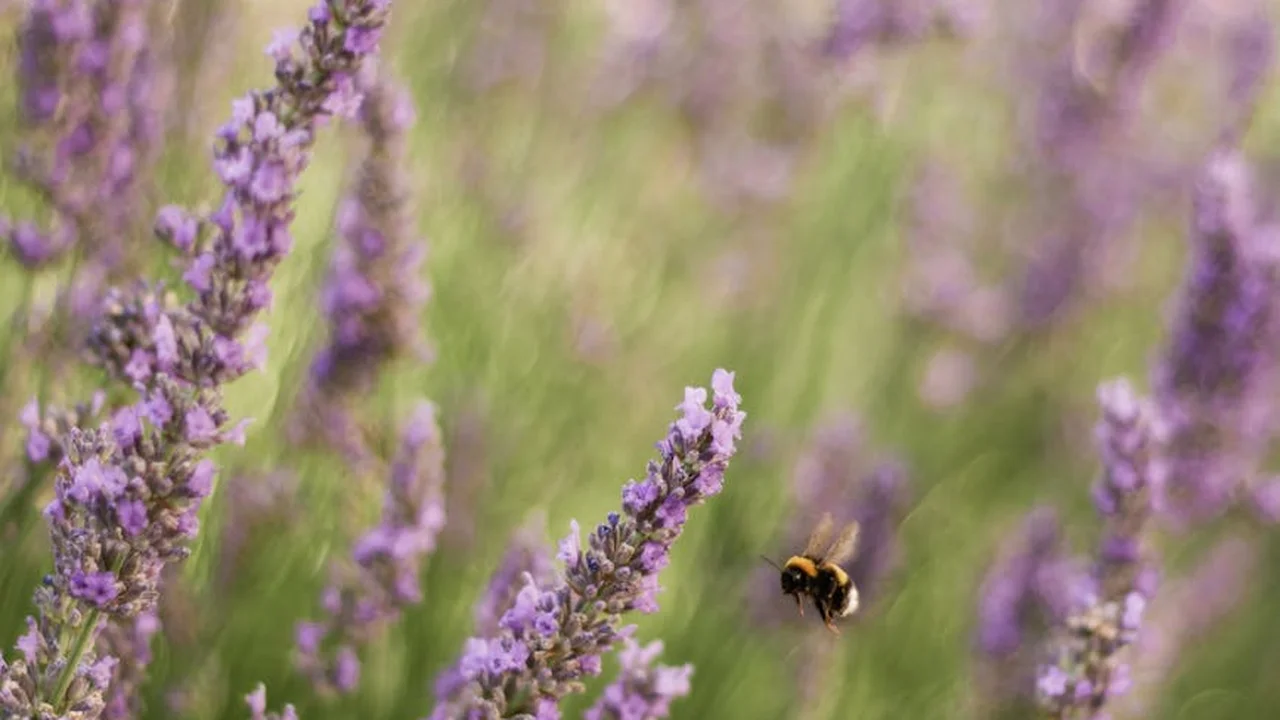
When that maddening itch starts, these oils from my shelf can offer real comfort. Each one has a special way of calming your skin and your nerves.
Lavender Essential Oil: The Soothing Balm
Lavender smells like a calm, floral field. It feels gentle and forgiving on skin.
Its superpower is quieting angry, red skin while supporting your skin’s natural healing process. It is my first grab for any skin upset because it’s so versatile and mild.
I always keep a bottle in my summer first-aid kit. For a fresh rash, a single drop mixed with a little carrier oil can make a world of difference.
Peppermint Essential Oil: The Cooling Distraction
Peppermint is bright, sharp, and smells like a crisp winter leaf. On the skin, it creates a deep, tingling coolness.
That intense cooling sensation acts as a welcome distraction, helping to override the constant itch signal your skin is sending. It feels like a refreshing, cool slap that tells the itch to take a break.
Use it in a low dilution. You want a pleasant tingle, not a burning sensation. One drop is often plenty in a small blend.
Tea Tree Essential Oil: The Clean Feel
Tea tree has a sharp, clean, medicinal scent that makes things feel orderly. It gives a soothing, slightly tightening sensation.
So, can tea tree oil help poison ivy? For weepy, oozy rashes, tea tree provides a cleansing, soothing feel that can help skin feel more comfortable and supported. It’s one of the many uses of tea tree oil for treating skin conditions. It’s the oil I reach for when a rash feels “messy.”
It can be strong for some. I always do a patch test on a small, clear area of skin before using it on a larger rash.
Chamomile Essential Oil: Gentle Comfort
Roman chamomile smells like sweet apples and warm hay. It is the gentlest hug for your skin.
This oil is my go-to for hypersensitive, reactive skin that needs deep, gentle comfort. It doesn’t shout; it whispers calm.
Its soothing effect is like giving your inflamed skin a mild, herbal tea. It’s a beautiful oil to pair with lavender for extra tender care.
Mixing Your Relief: Carrier Oils and Simple Recipes
Now, let’s mix your apothecary. Essential oils need a carrier oil to dilute them for safe skin application. Choosing the best carrier oil for skin helps dilute essential oils safely and supports your skin type. We’ll tailor our blend using those top carrier oils for optimal results. This is where we make your personal soothing blend.
Choosing Your Carrier Oil Base
Your carrier oil is the quiet hero. It carries the essential oils and nourishes your skin. For a watery, itchy rash, lighter oils are best. For sensitive skin, choosing the right carrier oil matters. Our best carrier oils for sensitive skin safe blending guide helps you pick and blend safely.
Jojoba oil is light and absorbs easily. It’s very similar to our skin’s own oils.
Sweet almond oil is slightly richer and feels very nourishing. Fractionated coconut oil is completely non-greasy and won’t solidify.
People often ask, does castor oil help poison ivy? Castor oil is very thick and can feel heavy, which may not be ideal for this type of rash; lighter oils like jojoba or almond are usually better choices.
Similarly, does coconut oil help with poison ivy? Regular coconut oil is a safe carrier, but it can be occlusive. The active relief comes from the essential oils; the carrier’s main job is to deliver them safely without further irritating the skin.
A Poison Ivy Essential Oil Roller Recipe
This 10ml rollerball blend is perfect for targeted relief on the go. You’ll need an empty glass roller bottle.
- Add 10 ml of your chosen carrier oil (like jojoba) to the bottle.
- Add 6 drops of Lavender essential oil.
- Add 3 drops of Peppermint essential oil.
- Add 1 drop of Tea Tree essential oil (optional, skip if your skin is very sensitive).
This creates a gentle 2% dilution, which is safe for occasional use on small areas of intact skin. Cap the bottle and roll it between your palms to mix.
Roll it gently over the itchy, red area. Do not apply on broken, weeping, or openly blistered skin.
A Cooling Bath Soak for Widespread Relief
For a rash on your legs or arms, a bath can bring total relief. You must mix the oils properly so they don’t just float on top and irritate your skin.
First, fill your bathtub with comfortably cool water. Warm water can make itching worse.
In a small bowl, mix 5 drops of Lavender and 5 drops of Roman Chamomile with a tablespoon of a dispersant. Use whole milk, honey, or a dedicated bath oil base. To learn more about mixing and blending essential oils, including the best lavender pairings, check this out.
Stir this mixture thoroughly into the bath water before you get in. This helps safely disperse the oils.
Soak for 15-20 minutes. The cool water and gentle oils work together to calm widespread discomfort. Pat your skin dry gently afterwards.
Common Mistakes and How to Avoid Them
I have learned these lessons the hard way, so you do not have to. When your skin is on fire, it is easy to grab the first bottle in sight and make a rash decision. Let us talk about how to steer clear of common pitfalls.
Applying Oils Neat or to Broken Skin
Putting pure essential oil directly on a poison ivy rash is asking for more trouble. Applying oils “neat” can cause a burning sensation and may increase irritation dramatically. I keep a bottle of pre-diluted lavender roll-on in my kit for a reason.
Open, weeping blisters are a sign your skin barrier is compromised. I recommend waiting until those areas have scabbed over or dried before you apply any blend. Your goal is to soothe, not sting.
Skipping the Patch Test
I know you are itchy now, but this step is non-negotiable. Inflamed skin is in a heightened state and can react to almost anything, even oils you have used before.
Here is my simple routine. Mix a tiny bit of your diluted blend. Dab it on a small, clear patch of skin, like your inner forearm. Cover it with a bandage and wait 24 hours. If you see any new redness, bumps, or itching on that test spot, do not use that blend on your rash. It is better to know on your arm than on the inflamed area.
Forgetting to Clean Your Tools
This one is about preventing the next rash. The urushiol oil from poison ivy can linger on surfaces and spread. If you use a roller bottle, cotton swab, or mixing spoon, you must clean it.
So, does rubbing alcohol kill poison ivy oil? Yes. It is excellent for degreasing and disinfecting tools like glass droppers or metal mixing bowls. Wipe them down well.
Does hydrogen peroxide kill poison ivy oil? It can help clean surfaces and has bleaching properties, so be careful with fabrics. For a countertop, it is a fine option. Poison ivy oil can linger on surfaces like countertops and fabrics, including jeans or shirts, for varying times. Knowing how long helps guide cleaning decisions.
Does bleach remove poison ivy oil from tools? Technically, yes, but it is harsh and corrosive. My first line of defense is always warm, soapy water or rubbing alcohol for a thorough clean. I save the bleach for major outdoor surface clean-ups.
Smart Steps Before You Reach for the Oils
Essential oils are wonderful for managing symptoms, but they are not the first step. A calm, methodical approach makes all the difference in healing.
Washing the Area Thoroughly First
This is the single most important action you can take. The itchy rash is an allergic reaction to urushiol, the plant’s oily resin. If that oil is still on your skin, the reaction will continue.
Use cool water and plenty of soap. Scrub under your nails, too. Essential oils are for managing the rash and itch that develop after you have removed the initial cause. They are part of the comfort team, not the cleanup crew.
Knowing When to See a Doctor
Botanical oils are for comfort care. They are not a substitute for professional medical treatment when you need it. Definitions, common uses, and the various botanical oils are covered in our related topics to help you learn more.
Stop and call a doctor if the rash is on your face, near your eyes, or on your genitals. Also seek help if it covers a large part of your body, if blisters are oozing pus, or if you develop a fever. These are signs your reaction is severe and needs professional care immediately. Your comfort is important, but your safety is essential.
Your Questions, Answered
Can I make a poison ivy essential oil roller ahead of time to keep on hand?
Absolutely! A pre-made roller is a fantastic idea for quick relief. Just remember that most homemade blends are best used within 6-12 months, as the carrier oil can eventually go rancid.
Can essential oils prevent a poison ivy rash if applied before exposure?
No, essential oils cannot block or neutralize the urushiol oil that causes the allergic reaction. Their role is solely to soothe the skin and calm the itch after the rash has developed and the area has been thoroughly washed.
Are these essential oils safe to use on children with poison ivy?
You must exercise extra caution. For children, use a much lower dilution (0.5-1%), always patch test first, and avoid peppermint or tea tree oils on young children entirely. When in doubt, consult their pediatrician before application.
I don’t have tea tree oil; what’s a good substitute in a blend?
Roman chamomile is a wonderful, gentle substitute that provides deep soothing comfort. You can also simply increase the lavender in your recipe by a drop or two for added calming support.
How often can I reapply my essential oil blend to the rash?
You can apply your diluted blend 2-3 times a day for comfort. Listen to your skin-if any increased redness or stinging occurs, discontinue use immediately and let the area rest.
Finding Relief in Nature’s Apothecary
The single most important step is to always dilute your essential oils in a mild carrier oil before they meet your skin. This practice safely harnesses their power, turning potential irritants into soothers that calm without causing more distress. Learning how to mix essential oils with carrier oils safely is key to safe, effective body treatments. In the next steps, we’ll explore which carrier oils to use and how to blend them properly.
I welcome you to follow Botanical Oils for more trusted insights on using oils for body, skin, and home. Consider how rosehip oil and other botanical face oils can fit into your daily skincare routine, helping you tailor a simple, consistent regimen. This seamless approach invites mindful experiments and layering as you learn. Let your own experiences guide you as you blend and learn, building confidence in your personal wellness journey.
Research and Related Sources
- Essential Oil for Poison Ivy: Peppermint and Other Oils for Rash, Itch
- Itch antidote: The best essential oils for poison ivy
- How To Use Essential Oil For Poison Ivy Relief – Revive Essential Oils
- 9 Best Essential Oils For Poison Ivy | Poison Sumac Rash Natural Oils – VedaOils
Noemi Kamińska
Noemi is an accomplished wellness researcher, nutrition care guide and body care expert. She has years of experience in formulating various oil combinations for full body wellness including face, hair, body care, essential oils and cooking oils. She works as a bio-formulator working with oil chemistry and analyzing the best formulations when it comes to your needs. Feel free to reach out to get your oil needs sorted.