Will Hemp Oil Make You Fail a Drug Test? Legality & THC Explained
If you’re nervous that your wellness routine could trigger a failed drug screen, I get it. From my experience, the risk is very low with the right product, but you need to know the details.
I’ll walk you through the key facts so you can use hemp oil with confidence.
- The big legal difference between hemp and marijuana
- How to read a label for THC content
- Why full-spectrum and isolate oils are not the same
- How drug tests work and what they look for
- My personal method for picking a safe oil
Key Takeaways: What You Need to Know First
Your risk depends entirely on the type of oil and its THC content.
I keep a bottle of pure hemp seed oil on my shelf for cooking and skin care. It comes from the seeds, not the flowers, and contains zero THC. Using pure hemp seed oil will not cause you to fail a drug test.
The confusion starts with CBD oils. These are made from hemp flowers, which can contain trace amounts of THC. Drug tests screen for THC metabolites, not CBD itself. So while the oil shouldn’t make you feel impaired, those tiny traces are what a test might find.
Think of it like poppy seeds on a bagel. The seeds themselves won’t get you high, but they can leave a trace that shows up on a sensitive test. It’s the same principle with some hemp oils.
Quick Snapshot: Hemp Oil Types and THC Risk
This table breaks down the common types you’ll find. Knowing the source and what’s inside is your first step to choosing safely.
| Oil Name | Source Plant Part | Typical THC Content | Drug Test Risk Level | Best Used For |
|---|---|---|---|---|
| Hemp Seed Oil | Seeds of the hemp plant | 0% THC | None | This light, nutty oil is a superb moisturizer for dry skin and hair. I also love its green, viscous texture in salad dressings. |
| CBD Isolate Oil | Hemp flowers, highly processed | 0% THC (pure CBD only) | Very Low | For targeted wellness routines where you want only CBD, without other plant compounds. |
| Broad-Spectrum CBD Oil | Hemp flowers, moderately processed | 0% THC (but contains other cannabinoids) | Very Low | A popular choice for the “entourage effect” without THC. It often has a robust, herbal flavor. |
| Full-Spectrum CBD Oil | Hemp flowers, minimally processed | Up to 0.3% THC (legal limit) | Low to Moderate | This oil contains the full profile of the plant, including trace THC. It has a complex, earthy aroma. |
| Cannabis Oil (Marijuana-derived) | Flowers of marijuana plants | Often over 5% THC | High | Used primarily for its intoxicating effects, not general body or skin care. |
So, does hemp seed oil cause a positive drug test? The answer is a clear no. It’s as inert as sunflower or olive oil in that regard.
For the CBD oils, the risk isn’t about feeling different. Your body must process and eliminate any THC it encounters, and that’s what a test can detect. If your job has zero-tolerance testing, I recommend sticking with broad-spectrum or isolate products from brands that provide third-party lab results.
How Drug Tests Work and What They Actually Screen For
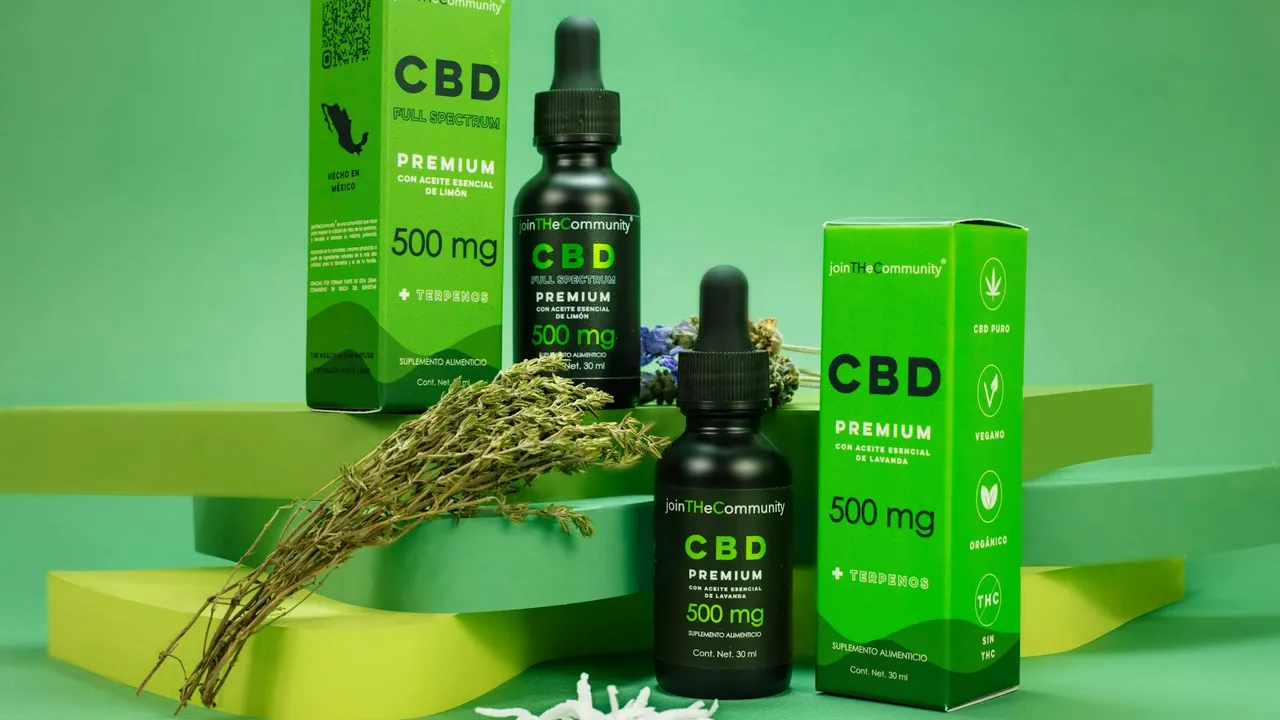
Let’s clear the air right away. The standard urine drug test you’re likely thinking of is called a 5-panel test. It screens for specific compounds, and for cannabis, it’s looking for one thing only: a metabolite called THC-COOH. This is what your body produces after it processes THC, the psychoactive part of the plant.
This is why the question “does cbd oil show up on a drug screen?” typically has a reassuring answer: no, it does not. Pure CBD is a different compound altogether, and those standard tests are not designed to detect it. They have a single, specific target.
THC is the Target, Not the Whole Plant
Think of the hemp plant as a complex, botanical recipe with hundreds of ingredients. A drug test is like a food inspector checking for a single, specific spice-in this case, THC. It ignores all the other herbs and flavors, even the beneficial ones like CBD or CBG.
Detection Windows: How Long Does THC Linger?
If THC is present, how long it stays in your system isn’t a fixed number. It’s a personal equation. Your body fat percentage matters, as THC metabolites are stored in fat. Your metabolism speed plays a role. Most importantly, how often and how much you use is key.
For a one-time, small exposure, it might be out of your urine in a few days. With frequent, heavier use, it could be detectable for weeks. So, “does cannabis oil show up in a drug test?” It hinges entirely on these factors and, crucially, how much THC was in that oil to begin with.
Cut-Off Levels: The Lab’s Threshold for a “Positive”
Labs use a measurement called nanograms per milliliter (ng/mL). They set a “cut-off” level, a minimum amount they need to see to call a test positive. A common initial screening cut-off for urine is 50 ng/mL.
This concept of trace amounts is critical for understanding risk from full-spectrum hemp oils. A single dose of a 0.3% THC oil is unlikely to push you over that limit. But if you use it daily, those tiny traces can, over time, accumulate in your fatty tissues and potentially lead to a positive result.
Legal Limits and Daily Life
Legally, hemp-derived products must contain 0.3% THC or less. This trace amount is not intoxicating for most people when used as directed. Which brings us to driving. Does cannabis oil affect driving? Any amount of psychoactive THC can impair motor skills and judgment. If you ever feel spaced out, dizzy, or altered after using an oil, do not drive. Most reputable, low-THC hemp oils will not cause this effect, but you must listen to your own body.
Untangling the Hemp Oil Family: From Soothing Skin to Potential Risk
The label “hemp oil” is incredibly vague. To answer “does hemp oil have thc?” you must become a label detective. The risk level changes dramatically based on what’s actually in the bottle.
Hemp Seed Oil (Cannabis Sativa Seed Oil)
This is my kitchen staple. It’s a gorgeous, green oil cold-pressed from hemp seeds, rich in omega fatty acids. It contains zero cannabinoids-no THC, no CBD. It’s a nourishing carrier oil, not a cannabinoid extract.
So, does cannabis sativa seed oil get you high? Absolutely not. It’s as psychoactive as the sunflower oil in your pantry. I use it for:
- Moisturizing very dry, flaky skin.
- As a hair conditioner treatment before washing.
- Mixed with beeswax and lemon oil for a simple wood polish.
CBD Isolate Oil
This is the purest form. CBD is isolated into crystals or powder, then dissolved into a carrier oil like MCT or hemp seed oil. All other plant compounds are removed.
This should contain 0.0% THC, making it the safest choice if you are strictly avoiding any THC exposure. It’s a single-note ingredient, like using pure vitamin C powder in a serum.
Broad-Spectrum CBD Oil
This offers a middle path. It contains CBD along with other helpful cannabinoids and terpenes from the hemp plant, but the THC has been specifically filtered out. You get some “entourage” benefits without the THC.
Quality control is everything here. Always verify a “0% THC” claim with a third-party lab report, as processing methods can vary.
Full-Spectrum CBD Oil
This oil contains the full profile of the hemp plant, including that trace amount of THC (up to 0.3%). Many believe this creates an “entourage effect” where the compounds work better together, similar to how natural oils work in synergy to balance scalp production.
Here’s the honest truth: Yes, consistent daily use of a full-spectrum product could theoretically cause a positive drug test due to THC accumulation. The risk is low but real. This applies everywhere. For our readers asking “does cbd oil show on a drug test uk?”, the answer is the same: UK drug tests also screen for THC metabolites, so the same principles of accumulation and cut-off levels apply.
What is “Hemp Oil” Anyway?
This term is used for everything from the seed oil in my kitchen to potent CBD extracts. If you see just “hemp oil” on a front label, turn the bottle over immediately and read the ingredient list and supplement facts panel. That is where the truth lives, especially when distinguishing from hemp seed oil used for skin, hair, and nutrition.
Your Personal Safety Checklist: How to Choose and Use Oils Confidently
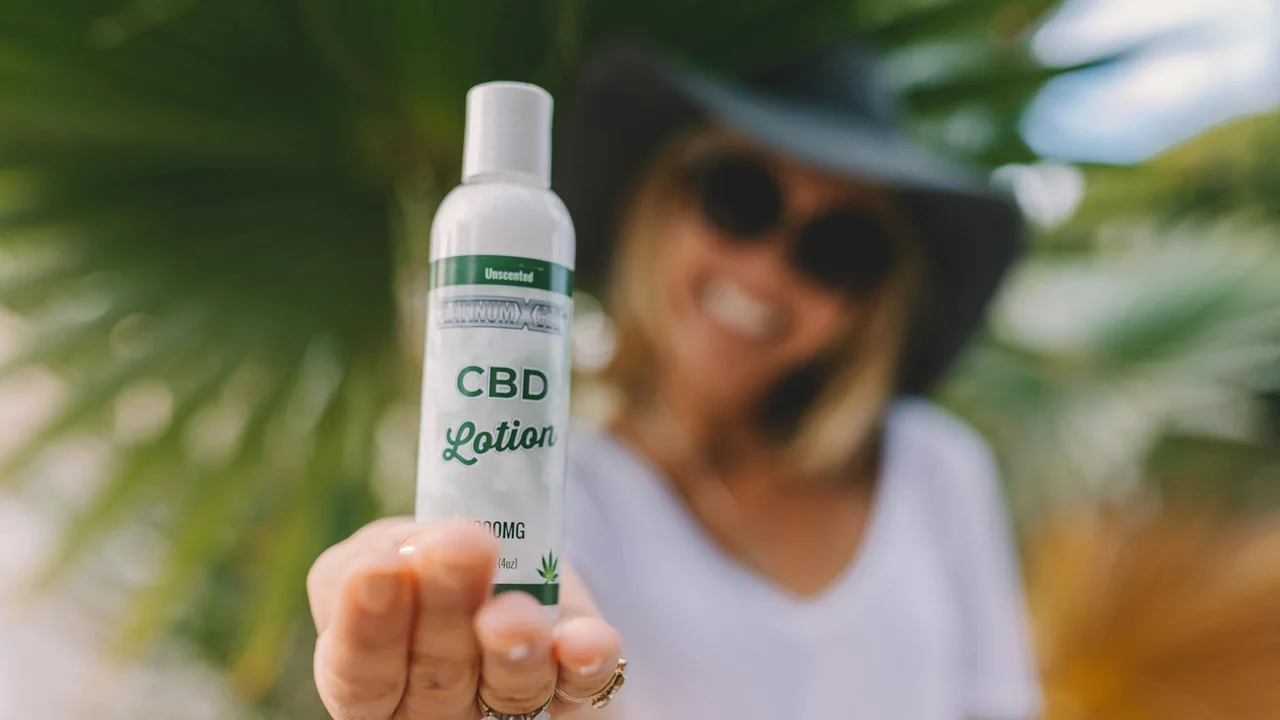
If you have a drug test coming up or just want peace of mind, follow this simple plan. I use a similar checklist in my own practice.
Step 1: Identify Your Oil’s True Source
Look at the ingredients. For a zero-THC moisturizer or salad dressing, you want to see “hemp seed oil” or “cannabis sativa seed oil”. For a CBD tincture, the label should clearly state “CBD isolate”, “broad-spectrum”, or “full-spectrum”. Don’t guess.
Step 2: Never Skip the Certificate of Analysis (COA)
This is non-negotiable for any CBD product. A COA is a report from an independent lab. Reputable brands make these easy to find on their website, often via a QR code on the bottle.
Find the cannabinoid profile section and look for the THC percentage. You want to see “ND” (non-detectable) or a number like 0.0% for true THC-free oils. This is your proof.
Step 3: Calculate Your Timeline and Usage
If you’ve been using a full-spectrum oil and have a scheduled test, consider stopping for several weeks prior. This gives your body time to clear any trace metabolites.
For daily wellness without the worry, choosing a broad-spectrum or isolate formula from the start can give you lasting peace of mind.
Step 4: Store and Use Wisely
Remember, a hemp seed oil body balm poses minimal systemic risk as it mostly stays on the skin’s surface. An oral CBD tincture under the tongue has much higher absorption. Know how you’re using your oil.
Always store these oils in a cool, dark cupboard, just like your precious bottle of rosehip or argan oil. Heat and light can degrade them.
Botanical Bliss Without a Second Thought: Zero-THC Oil Alternatives
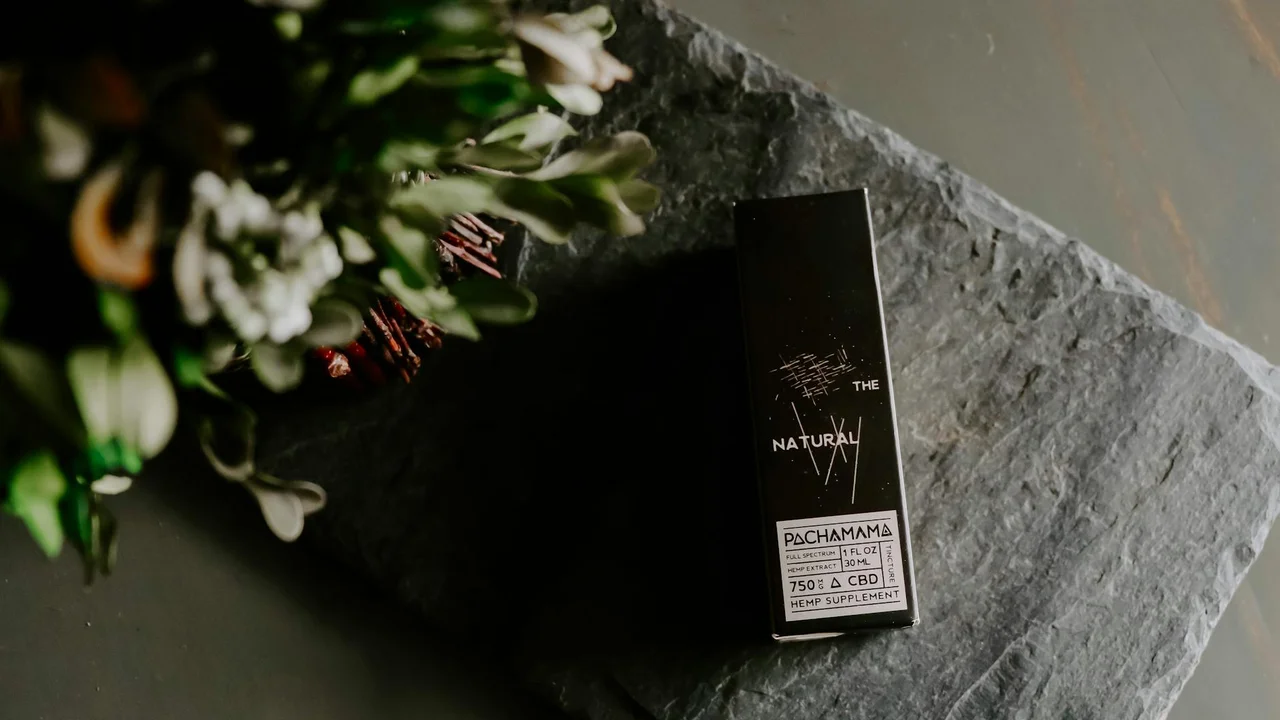
If all this talk of metabolites makes you anxious, let’s step over to my main herb shelf. There are so many gorgeous, effective oils with zero connection to cannabis. You can enjoy deep wellness without a single doubt.
For Skin Repair and Radiance: Rosehip Seed Oil
This is my desert island oil. Its deep red-orange color comes from powerful antioxidants. It has a light, dry texture that sinks in quickly, perfect for fading scars and hydrating parched skin without clogging pores.
For Hair Strength and Scalp Health: Sea Buckthorn Oil
Rich and vibrant orange, sea buckthorn oil is packed with omegas. It’s too potent to use alone, so I blend 3-4 drops into my palm of conditioner. It brings incredible shine and soothes a dry, itchy scalp.
For Internal Wellness and Glow: Flaxseed Oil
For internal omega-3s, I turn to flaxseed oil. It has a pleasant, nutty flavor perfect for salad dressings. It supports internal balance and skin health, and it has absolutely no implications for a drug test. Regarding omega-3 sources, bioavailability matters: fish oil provides DHA and EPA directly, while flaxseed oil gives ALA that the body converts variably. We’ll compare their health benefits in the next steps with implicit hyperlinks.
For Home Ambiance and Calm: Lavender and Frankincense Essentials
When I want to unwind, I skip the CBD oil and reach for my essential oil diffuser. A blend of 3 drops lavender and 2 drops frankincense creates a serene, grounding atmosphere. Essential oils work through your sense of smell and pose no risk for drug tests. They are a perfect, worry-free alternative. If you’re curious about which essential oils are best and safest to use in a diffuser, there are simple guidelines for choosing the right oils for aromatherapy. I’ll highlight practical options in the next steps.
Your Personal Safety Checklist: How to Choose and Use Oils Confidently
If a drug test is on your horizon, this simple checklist is my go-to method for choosing oils without worry. I use it myself when reviewing new products for my shelf. It’s especially helpful when you want to make sure you’re getting genuine oils.
Step 1: Identify Your Oil’s True Source
Start by reading the ingredient label like you would a food package. The name on the front can be misleading.
For a true zero-THC carrier oil, the back must list “hemp seed oil” or “cannabis sativa seed oil.” These oils come only from pressed seeds and contain no cannabinoids, so they pose no risk for a drug test. I use cold-pressed hemp seed oil from a trusted supplier for my body butter bases.
If it’s a CBD product, the source is different. You need to spot which type it is:
- Isolate: Pure CBD only. No other cannabis compounds.
- Broad-Spectrum: CBD plus other cannabinoids, but with THC removed.
- Full-Spectrum: Contains all plant compounds, including up to 0.3% THC.
Step 2: Never Skip the Certificate of Analysis (COA)
This is your non-negotiable proof. A reputable brand will have a recent COA from an independent lab.
Find the COA on the product page or via a QR code on the bottle. Scan for the cannabinoid profile table. Look for the line that says “THC” or “Delta-9 THC” and verify the percentage is at 0.0% or “ND” (non-detectable). If you see any number, even 0.1%, that product contains trace THC.
Step 3: Calculate Your Timeline and Usage
Your peace of mind depends on timing. I advise my clients to plan ahead if they use any full-spectrum product.
If you know a test is coming, consider a washout period of several weeks before stopping any full-spectrum CBD oil. This gives your body time to clear any trace compounds.
For daily wellness without the guesswork, a broad-spectrum or isolate formula is a smarter choice. It gives you the benefits without the background anxiety.
Step 4: Store and Use Wisely
How you use the oil affects your system. To maximize hydration, start with a simple first-step routine when applying body oil lotion. Topical application, like a lotion, has minimal absorption into the bloodstream. A concise step-by-step guide can help you lock in moisture and keep skin optimally hydrated.
Oral tinctures, which you hold under your tongue, have much higher systemic absorption. If you must be absolutely certain, stick to topical applications or avoid cannabinoid oils altogether in the weeks before a test.
Store your oils with care, just like your precious essential oils. A cool, dark cupboard preserves their integrity and prevents any degradation that could alter their profile.
Botanical Bliss Without a Second Thought: Zero-THC Oil Alternatives
Sometimes, the simplest solution is to step away from the cannabis family. Here are some beautiful alternatives from my own herbalist’s shelf that deliver amazing results with zero drug test concerns.
For Skin Repair and Radiance: Rosehip Seed Oil
This is my favorite for evening out skin tone. It has a deep, red-orange color and a light, dry texture that sinks in quickly.
A few drops of rosehip seed oil at night can help fade scars and hydrate parched skin without clogging pores. I keep a bottle next to my face cream for an extra boost in winter, especially when following recommended usage guidelines for botanical oils.
For Hair Strength and Scalp Health: Sea Buckthorn Oil
Imagine the color of a ripe persimmon. That’s sea buckthorn oil. It’s richly pigmented and packed with omegas.
Blend just two or three drops into your palm of conditioner to nourish your scalp and add shine to dull hair. Its vibrant color washes out easily, leaving only the goodness behind.
For Internal Wellness and Glow: Flaxseed Oil
When I want internal omega-3s, I turn to flaxseed oil. It has a mild, nutty flavor perfect for salad dressings.
Adding a tablespoon to your daily routine supports internal balance and skin health, and it will never show up on a drug screen. Just keep it in the fridge to maintain freshness.
For Home Ambiance and Calm: Lavender and Frankincense Essentials
For relaxation, you don’t need CBD. The plant world offers profound calm through scent alone.
Essential oils like lavender and frankincense work directly on your sense of smell to ease tension, with no risk for drug tests. If you’re curious about which are the best essential oils for sleep and stress relief, consider trying three drops of lavender and two of frankincense in your diffuser for a serene evening atmosphere.
Quick Answers
Can a product labeled “THC-Free” still cause a positive test?
It’s possible if the brand doesn’t use third-party lab verification. If you’re exploring methods to test essential oil purity and authenticity at home or in a lab, you can corroborate COA findings with simple in-home checks. Always check the Certificate of Analysis (COA) to confirm the “non-detectable” claim for yourself, as this is your true proof of purity.
If I use a full-spectrum oil just once, am I at risk?
The risk from a single, moderate dose is very low. However, your personal metabolism and the test’s sensitivity are factors, so for absolute certainty before a scheduled test, it’s best to avoid full-spectrum products altogether for a few weeks.
Do topical hemp creams carry the same risk as oils taken under the tongue?
Generally, no. Topical applications are designed to work locally and have minimal absorption into the bloodstream, significantly reducing any systemic risk of THC exposure compared to sublingual (under the tongue) oils.
How can I be sure I’m buying from a trustworthy brand?
Look for companies that prioritize transparency: they should provide easy access to up-to-date COAs, clearly label their oil type (isolate, broad-spectrum, etc.), and source from reputable, U.S.-grown hemp. A brand’s willingness to educate is a great sign.
Are there any signs on a label that indicate a higher-risk product?
Yes. Phrases like “Full-Spectrum,” “Whole-Plant,” or “Contains Phytocannabinoids” indicate the presence of the plant’s complete profile, which includes trace THC. For a zero-THC product, seek out “Broad-Spectrum” or “CBD Isolate” with a confirming COA.
Final Thoughts on Hemp Oil and Peace of Mind
The simplest path is to choose a broad-spectrum or isolate oil for your daily routines. This one choice removes the guesswork and lets you enjoy the oil’s benefits for your skin, hair, and home without a second thought, especially compared to having to use specific oils and perform oil cleansing for your skin and hair.
I keep both types in my own apothecary for different needs. Trust your own judgment, and know that you can always find more straightforward guidance right here on the site.
Research and Related Sources
- Can Hemp Products Cause a Positive Anti-Doping Test?
- CBD: Will It Cause Me to Fail a Drug Test?
- Will Hemp Oils and Other Similar Products Come up Positive on Drug Tests?
- CBD Oil: Could It Show Up on a Drug Test?
Noemi Kamińska
Noemi is an accomplished wellness researcher, nutrition care guide and body care expert. She has years of experience in formulating various oil combinations for full body wellness including face, hair, body care, essential oils and cooking oils. She works as a bio-formulator working with oil chemistry and analyzing the best formulations when it comes to your needs. Feel free to reach out to get your oil needs sorted.