Are All Vegetable Oils Really Unhealthy? A Science-Backed Review
If the headlines have you tossing every bottle in your pantry, take a deep breath. In my work with oils for home and wellness, I’ve learned that blanket statements rarely tell the whole, nuanced story.
This scientific review will clarify that the health impact of an oil depends entirely on its source, processing, and how you use it. We’ll explore:
- The true definition of “vegetable oil” and common misconceptions
- Why processing method matters more than you might think
- How to identify which oils support health and which to use sparingly
- My personal approach to selecting oils for different needs
Key Takeaways: Before We Dig In
- How an oil is made changes its character completely, much more than the plant it came from.
- Think of oils like tools in your cabinet-a finishing oil and a searing oil have different jobs.
- Freshness and how you store an oil impacts its health and stability more than you might realize.
- My own shelf has a mix of oils, each chosen for a specific purpose, from cooking to skin care.
Quick Snapshot: Oil Types at a Glance
| Oil | Primary Fat Type | Typical Processing | Best Use | Myth vs. Fact |
|---|---|---|---|---|
| Canola | Monounsaturated | Highly refined, deodorized | High-heat cooking, baking | Myth: It’s toxic. Fact: Modern, food-grade canola oil is a neutral, stable fat for cooking. |
| Sunflower | Varies (see note) | Often highly refined; “high-oleic” versions are less processed. | High-oleic for heat; basic refined for skin oil blends | Myth: All sunflower oil is inflammatory. Fact: High-oleic sunflower oil is rich in stable monounsaturated fats. |
| Olive | Monounsaturated | Cold-pressed (extra virgin) or refined (“light” olive oil) | EVOO for dressings, low-heat; refined for medium heat | Myth: You can’t cook with it. Fact: Extra virgin olive oil has a decent smoke point and is fine for sautéing. |
| Avocado | Monounsaturated | Expeller-pressed or refined | High-heat cooking, luxurious body oil | Myth: It’s just for toast. Fact: Its high smoke point and skin-softening texture make it a kitchen and bathroom staple. |
| Coconut | Saturated | Cold-pressed (virgin) or refined (odorless) | Medium-heat baking, hair masks, body butter | Myth: It’s a miracle health food. Fact: It’s a solid saturated fat, wonderful for external use and specific baking needs. |
Note on Sunflower Oil: Traditional sunflower oil is high in polyunsaturated fats (less stable). Look for bottles specifically labeled “High-Oleic” for a healthier fat profile, both for cooking and for making longer-lasting skin oil blends.
What Are We Actually Talking About? Defining “Vegetable Oil”

Let’s clear this up first. “Vegetable oil” is a grocery store label, not a botanical fact.
It doesn’t come from carrots or broccoli. This term mostly refers to oils pressed from seeds, like soybean, canola (from rapeseed), sunflower, corn, and grapeseed.
This is where the confusion starts. We often lump these in with pantry heroes like olive oil, which comes from a fruit, or coconut oil, pressed from a nut.
This over-generalization is the root of the problem, creating a single villain out of a hugely diverse group of oils. It’s like calling every herb “tea.” The details matter immensely.
The Heart of the Debate: Omega-6 and Inflammation
The big scientific worry about processed seed oils is their high omega-6 fatty acid content. Our bodies need some omega-6s, but we also need omega-3s, found in foods like flaxseed, walnuts, and fish.
Think of them like two teams. For smooth, healthy function, these teams need to be balanced. A modern diet heavy in processed foods can flood our system with omega-6s, tipping the scales.
So, do vegetable oils cause inflammation? The direct answer is more nuanced.
It’s chronic overconsumption from ultra-processed foods that’s linked to issues, not the occasional, conscious use of a quality oil in your kitchen or body care. A teaspoon of high-oleic sunflower oil in your salad dressing is a world apart from the refined oils used in a bag of chips.
Balance is key, not blanket fear.
It’s All About the Process: How Your Oil is Made Changes Everything
This point is the bridge between food science and body care. The journey from seed to bottle defines what you’re actually getting.
Processing determines the oil’s nutritional integrity, shelf life, and best use, whether you’re sautéing vegetables or making a face serum.
Refined, Expeller-Pressed, and Cold-Pressed: A Simple Guide
Imagine a spectrum. On one end, you have refined oils. They are clear, pale, and have almost no scent. I think of them as sturdy workhorses.
They’re processed with high heat and sometimes chemicals to extract every last drop, which also strips away most natural compounds. This gives them a high smoke point for frying but makes them nutritionally neutral.
Expeller-pressed is a mechanical middle ground. No chemicals are used, but friction creates heat. The oil is more robust than cold-pressed but retains more character. That difference ties into the broader gap between cold-pressed and expeller-pressed methods for botanical oils. It helps explain flavor, aroma, and stability.
Then there’s cold-pressed. This method uses pressure alone, with minimal heat. The oil is often cloudier, has a richer color, and a distinct, nutty or grassy fragrance.
For your skin and hair, cold-pressed oils are my go-to because they retain vitamins, antioxidants, and phytosterols that nourish your body topically. The bottle of golden, fragrant apricot kernel oil on my shelf is a perfect example.
When you hear health debates about “vegetable oils,” they are primarily targeting oils created through high-heat chemical extraction, not carefully made artisanal oils. The method makes all the difference.
Busting the Big Myths: Your Direct Questions Answered
Let’s tackle the big concerns head-on. The fear around vegetable oils often comes from a kernel of truth, but it’s been stretched into blanket statements that don’t serve us. Here’s my practical, kitchen-and-apothecary take.
Myth 1: “All Seed Oils Are Toxic and Cause Inflammation.”
This is the biggest oversimplification out there. The problem isn’t the seed itself, but what happens to it.
Think about a heavily refined soybean or corn oil, extracted with high heat and chemicals, then used over and over in a deep fryer. That oil breaks down. It’s this degraded, industrial-scale fat in ultra-processed foods that’s rightly linked to health issues.
Now, picture a bottle of cold-pressed, organic sunflower oil in my workshop. I use a teaspoon of it to blend with lavender essential oil for a calming body serum. It’s fresh, unaltered, and full of vitamin E. It’s a completely different substance.
In skincare, we actively seek out oils high in linoleic acid from seeds. Grapeseed oil is a perfect example. It’s light, absorbs quickly, and can help balance oily skin. Your skin recognizes and uses these nutrients, which is why a seed oil can be a superstar in your skincare routine.
Myth 2: “You Should Never Cook With Vegetable Oils.”
This myth ignores science, specifically an oil’s smoke point. That’s the temperature when it starts to smoke and break down.
Some vegetable oils are engineered for high heat. High-oleic sunflower or safflower oil has a smoke point around 450°F, making it excellent for searing or frying. Avocado oil, pressed from fruit pulp, is another stable choice for high-heat cooking.
My rule is simple. Match the oil’s smoke point to your cooking method to keep it stable and healthy. Save delicate, unrefined oils like extra virgin olive or toasted sesame for dressings, drizzling, and low-heat simmering.
Myth 3: “Vegetable Oils Have No Place in Wellness Routines.”
This is where I get excited. My entire craft is built on the wellness power of plant oils.
Let’s talk about fractionated coconut oil. It’s a processed vegetable oil, yes. But that processing removes the solid fats, leaving a liquid oil that stays stable for years. It’s odorless, non-greasy, and my go-to carrier for massage blends and homemade rollerballs.
Then there are the luxurious skin-feeding oils pressed from seeds and kernels. Sweet almond oil feels silky and mildly nourishing. Apricot kernel oil is even lighter, with a beautiful slip perfect for facial serums. These oils are not food; they are skin food, delivering vitamins and fatty acids directly where you need them, unlike essential oils for facial skincare that should be used with caution.
Choosing Wisely: For Your Kitchen and Your Apothecary Shelf
With so many bottles on the shelf, how do you pick? Your goals for the kitchen and for your body care are different. Here’s how I choose for each purpose.
What to Look for on a Food Oil Label
You want an oil that’s as close to its natural state as possible, and suited to your pan.
- Prioritize words like “expeller-pressed” or “cold-pressed.” This means minimal heat was used during extraction.
- For high-heat cooking, look for “high-oleic” versions of oils like sunflower or safflower. They are more stable.
- Avoid mystery blends. Steer clear of bottles that just say “vegetable oil.” You deserve to know if it’s soybean, canola, or a mix.
What to Look for on a Body Oil Label
For your skin, purity and preservation are everything. The oil is the active ingredient.
- Always choose “cold-pressed” and “unrefined.” This preserves the vitamins, antioxidants, and delicate compounds that benefit your skin.
- Look for dark glass bottles (amber or cobalt). Light degrades fine oils quickly. I transfer any that come in clear bottles to dark ones.
- Check for organic certification, especially for oils you’ll use liberally. Your skin absorbs what you put on it, so starting with a clean, pesticide-free oil is a wise foundation.
My Go-To Plant Oils and How I Use Them
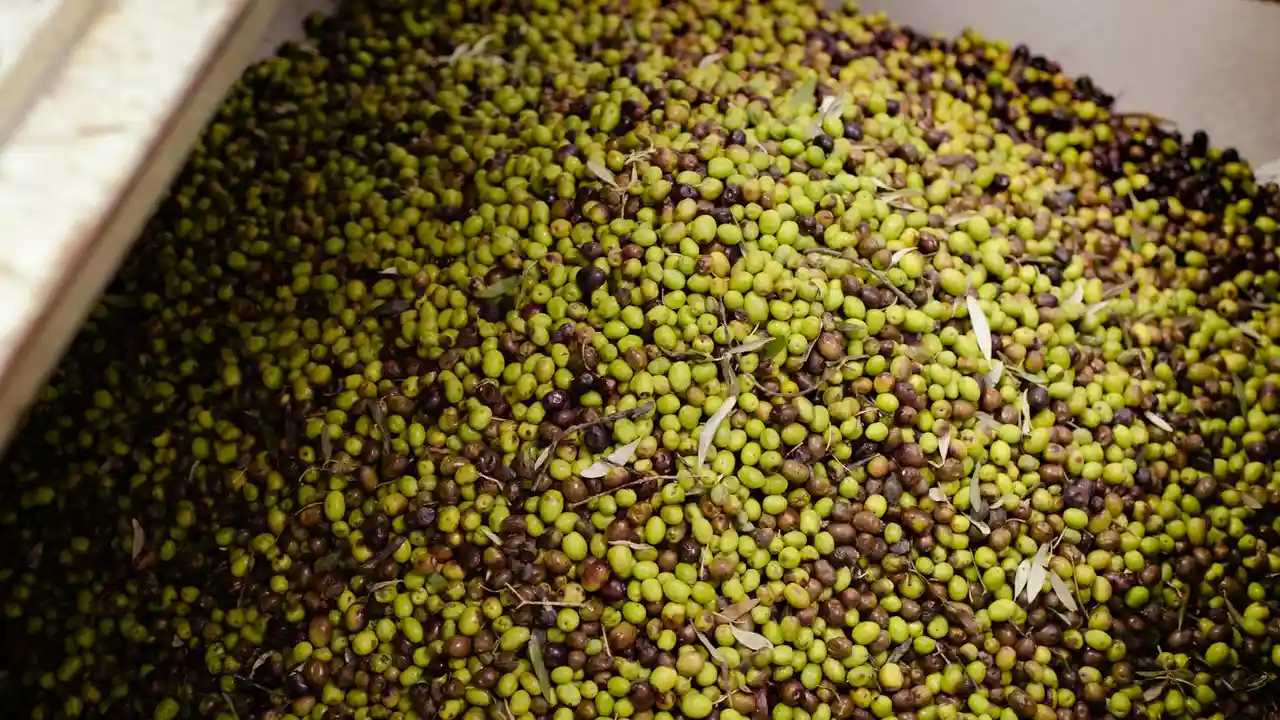
If you peeked at the shelf in my apothecary, you’d see a small army of amber glass bottles. Each one has a job. I don’t treat them all the same, because they aren’t. Here are the ones I reach for most often.
Avocado Oil (The Kitchen & Skin Workhorse)
My bottle of unrefined, cold-pressed avocado oil is rarely empty. It has a rich, buttery green color and a faint, grassy scent. I use this oil for high-heat searing and roasting because its smoke point is reliably high, and it doesn’t impart a strong flavor. For my skin, it’s a winter hero. A few drops massaged onto damp skin after a shower leaves my elbows and knees feeling supple, not greasy.
Jojoba Oil (The Skin & Hair Mimic)
This is technically a liquid wax, not an oil, which makes it behave differently. Jojoba oil closely resembles our skin’s own sebum, making it a brilliant balancing agent for both oily and dry complexions. I use a few drops as a lightweight moisturizer or to gently remove makeup. For hair, I warm a teaspoon in my palms and run it through the ends to tame frizz without weighing it down. It’s versatile for face, hair, and scalp care. Exploring the best uses of jojoba oil for these areas can help tailor its application to your routine.
High-Oleic Sunflower Oil (The Neutral Base)
This is a special variety of sunflower oil, bred to be very high in stable oleic acid. It’s light, nearly odorless, and has a long shelf life. I rely on high-oleic sunflower oil as the primary carrier oil in my body butter and serum recipes. It absorbs well and doesn’t compete with the scent of my essential oils, making it a perfect, skin-friendly canvas.
Refined Coconut Oil (The Salve Secret)
This might surprise you. While I adore virgin coconut oil for cooking, I specifically choose refined coconut oil for making herbal salves and balms. Refined coconut oil has no coconut scent, so it lets the medicinal herbs like arnica or plantain shine through. It also creates a firmer, less melty salve texture than its virgin counterpart, which is ideal for my tin-based recipes.
Gentle Alternatives: If You Want to Explore Other Paths
If the world of processed oils feels overwhelming, you can absolutely step back. Wellness isn’t just about what’s in a bottle. Here are some simple, whole-food places to start.
Focus on Whole Food Fats First
Sometimes, the best approach is to return to the source. Your body knows exactly what to do with fats that come packaged with their original fiber and nutrients. I make a point to include these in my meals every day:
- A handful of walnuts or almonds on my oatmeal.
- Sunflower or pumpkin seeds sprinkled over a salad.
- Half an avocado with a pinch of salt as a snack.
- Ground flaxseed mixed into a smoothie.
Choose Fruit and Nut Oils
If you’re looking for bottled oils but prefer to avoid seeds, fruit and nut oils are a beautiful path. Oils like olive and avocado are pressed from the fleshy fruit, not the seed, which is a different starting point entirely. A robust extra virgin olive oil is my go-to for dressings and low-heat drizzles. For a luxurious skin treat, a small bottle of apricot kernel oil feels silky and absorbs quickly.
Embrace Butters for Body Care
When your skin needs deep, comforting nourishment, sometimes a solid butter is the answer. Shea, mango, and cocoa butters are incredibly rich in fatty acids that repair and protect the skin’s barrier. I gently melt shea butter with a bit of jojoba oil, let it cool, and whip it into a fluffy cream for my hands and feet. It’s a simple recipe that feels profoundly caring.
Your Questions, Answered
I see a lot of talk about GMOs and pesticides in vegetable oils. Should I be worried?
This is a wise consideration. For cooking oils, choosing organic ensures you avoid pesticide residues and GMOs, which is a personal preference for long-term wellness. In body care, organic, cold-pressed oils are my standard, as they offer the purest, most nutrient-rich experience for your skin.
The debate on Reddit is so heated! How do I make sense of the extreme opinions?
Extreme views often lose the crucial context of processing and purpose. Listen to the middle ground: a fresh, expeller-pressed oil for occasional cooking is not the villain, while avoiding heavily refined oils in ultra-processed foods is sound advice. For your skin, the conversation is entirely different, as many seed oils are celebrated for their benefits.
Can the same vegetable oil be used for both cooking and skincare?
Rarely, and I don’t recommend it. A cooking oil is often refined for a neutral taste and high heat, stripping the compounds that make oils wonderful for skin. Always choose a specific, cold-pressed, cosmetic-grade oil for body care to ensure purity, freshness, and maximum nutrient content for your skin.
Are there any vegetable oils you simply avoid in your practice?
I avoid using heavily refined, mass-produced oils like generic “vegetable oil” blends in my wellness formulations, as their processing removes the botanical character and nutrients I seek. In the kitchen, I use these very sparingly, preferring to know my source-like a specific, high-oleic sunflower or avocado oil-for both health and flavor. I also consider natural seed oils as practical, less refined options for cooking and skincare. Their versatility makes them worth evaluating as part of a broader wellness approach.
What’s one affordable, versatile oil you’d recommend to someone starting out?
High-oleic sunflower oil is a fantastic, budget-friendly starter. It has a high smoke point for safe cooking, and its light, stable nature makes it an excellent carrier oil for DIY body oil blends. This one bottle can reliably support both simple kitchen tasks and introductory skincare experiments.
Cultivating Clarity in Your Oil Cabinet
The heart of the matter is that no vegetable oil is inherently unhealthy; its value shines when matched thoughtfully to your need, be it for cooking, skin, or hair. I keep a bottle of organic, cold-pressed olive oil on my shelf for both evening dressings and a soothing cuticle treatment.
Join me here for more practical wisdom drawn straight from my apothecary and kitchen. Trust your growing knowledge as you blend, drizzle, and nourish your way to wellness.
Citations and Authoritative Sources
- Health Effects of Various Edible Vegetable Oil: An Umbrella Review – PubMed
- Health Effects of Various Edible Vegetable Oils: An Umbrella Review – ScienceDirect
- Are Vegetable Oils Good for You? – American Society for Nutrition
- Are Vegetable and Seed Oils Bad for Your Health?
- The Chemical Composition and Health-Promoting Benefits of Vegetable Oils-A Review – PubMed
Noemi Kamińska
Noemi is an accomplished wellness researcher, nutrition care guide and body care expert. She has years of experience in formulating various oil combinations for full body wellness including face, hair, body care, essential oils and cooking oils. She works as a bio-formulator working with oil chemistry and analyzing the best formulations when it comes to your needs. Feel free to reach out to get your oil needs sorted.