What Oils Should You Use on a Vegan or Plant-Based Diet?
Switching to plant-based eating often brings up questions about fats and oils. Based on my years blending oils for wellness and cooking, I can assure you that vibrant, nourishing options are right on your grocery shelf.
You will leave knowing exactly which oils to reach for to meet your nutritional needs and replace animal products effortlessly.
- How to read the nutrition behind different plant oils
- Direct substitutions for butter, lard, and dairy fats
- My personal pantry staples for flavor and health
Foundational Oils for Plant-Based Nutrition
A supportive oil in a vegan diet does two key jobs. First, it provides essential fatty acids our bodies can’t make, like omega-3s. Second, it helps you absorb the fat-soluble vitamins (A, D, E, K) from all those wonderful vegetables on your plate.
Think of fat as the delivery vehicle that carries these nutrients into your system.
Core Oils for Omega-3s
What oils are rich in omega-3 fatty acids? While fish get their omega-3s from algae, you can go straight to the source. These are my top picks for the plant-based apothecary.
Flaxseed oil is my go-to for a potent, direct omega-3 boost, but remember it’s fragile and should never be heated. I keep a small, dark bottle in the fridge and drizzle it over roasted veggies or blend it into dressings. It has a distinct, grassy flavor.
Walnut oil offers a milder, nutty taste and a good omega-3 profile. It’s wonderful in autumn salads. Algal oil is the clearest, most concentrated plant-based source of DHA and EPA, the omega-3s often discussed with fish oil. It’s a fantastic, neutral-tasting supplement option.
Don’t overlook chia seed oil or hemp seed oil, either. Both bring their own unique fatty acid balance and earthy flavors to the table.
A Snapshot of Avocado Oil
Avocado oil is a kitchen superstar. It’s rich in monounsaturated fats, similar to olive oil, which are wonderfully heart-friendly. It’s also loaded with vitamin E, a powerful antioxidant that protects your cells. When comparing avocado oil to extra virgin olive oil for healthy cooking, heat tolerance and flavor matter. Which oil wins depends on your cooking style and priorities.
I love its buttery, rich texture and mild flavor. It’s incredibly versatile.
Is Coconut Oil Healthy?
This is a common question. Coconut oil is high in saturated fat, which is why it’s solid at room temperature on my shelf. I don’t view it as a daily nutritional oil like flaxseed or olive oil.
Instead, I use it mindfully for its unique properties. Its stable structure makes it excellent for medium-heat sautéing or in baked goods where you want a subtly sweet, buttery note. I also use it as a base for body balms and hair treatments. It fits in a plant-based pantry as a useful tool, not a nutritional cornerstone.
A Note on Processing & Principles
Some strict vegans or whole-food advocates avoid oils that are highly refined using chemical solvents (like some “vegetable” or canola oils). Others may question the sourcing of palm oil due to its environmental impact. It’s about reading labels and choosing expeller-pressed or cold-pressed oils when you can, which align closer to whole-food principles.
Your Plant-Based Pantry Staples
Let’s compare these kitchen workhorses. Think of them as your flavor and function team.
Extra Virgin Olive Oil: Fruity, peppery, or grassy flavor. Thicker texture. Best for dressing, drizzling, and low-to-medium heat cooking. The robust flavor is part of the experience, especially when you understand what sets it apart from regular olive oil.
Avocado Oil: Mild, buttery, and smooth. Best for sautéing, roasting, and high-heat methods. Its high smoke point makes it very reliable, especially when compared to other cooking oils like olive or coconut oil.
Unrefined Coconut Oil: Distinct tropical aroma and flavor. Solid below 76°F. Best for baking, medium-heat curries, and raw desserts. It adds its own character.
I keep all three within arm’s reach of my stove.
Oils to Use Mindfully or Avoid
This isn’t about fear, it’s about making informed choices for your body and ethics. Highly refined oils (often labeled just “vegetable oil”) have been stripped of most nutrients and flavor during processing.
For a whole-food approach, minimizing these heavily processed fats allows more room for the nutrient-dense oils we’ve discussed. Obviously, animal-based fats like butter, ghee, and lard are not plant-based. For some, the environmental footprint of certain oils like conventional palm oil is also a deciding factor.
Cooking with Plant-Based Oils: Heat, Flavor, and Swap
Can I use olive oil for all types of cooking? You can, but you shouldn’t always. The key is the smoke point-the temperature where an oil starts to burn and smoke, creating unpleasant flavors and harmful compounds. Especially when frying or deep frying, it’s important to use oils with high smoke points.
Extra virgin olive oil has a moderate smoke point. It’s perfect for sweating onions, light sautéing, and oven roasting below 400°F. When you cook at higher heat, smoke points matter. Oils like avocado oil, coconut oil, canola oil, ghee, butter, and tallow respond differently to heat. For searing or stir-frying over high heat, you need a different oil.
What are the best oils for high-heat cooking?
Avocado oil and refined safflower or sunflower oil are my top picks. They have very high smoke points and neutral flavors that won’t clash with your ingredients.
I reach for avocado oil when I’m making a big batch of crispy roasted potatoes or stir-frying veggies.
The Flavor Factor
The oil you choose is a seasoning. A robust, peppery extra virgin olive oil will make a bold statement in a pasta dish. A light, buttery avocado oil will let the other ingredients shine. Toasted sesame oil, used in drops, adds an unmistakable deep, nutty aroma. Always taste your oil before you use it, especially when selecting olive oil for cooking and dressings.
Choosing the Right Oil for the Temperature
Here’s a simple guide I follow:
- Low Heat (Dressings, Finishing): Flaxseed, walnut, pumpkin seed oil.
- Medium Heat (Sautéing, Baking, Light Frying): Extra virgin olive oil, unrefined coconut oil.
- High Heat (Searing, Stir-Frying, Deep Frying): Avocado oil, refined high-oleic sunflower/safflower oil.
Your nose is the best tool. If the oil starts smoking in the pan, it’s too hot. Remove it from the heat, let it cool, wipe it out, and start again with a more suitable oil.
The Simple Butter-to-Oil Swap
Swapping butter for oil is easier than you think. For sautéing and pan-frying, a direct swap often works. For baking, moisture content matters.
A good starting point is to use about 3/4 tablespoon of oil for every 1 tablespoon of butter called for in a recipe. For savory dishes, a neutral oil like avocado works well. In sweets, melted coconut oil can provide a lovely, rich mouthfeel similar to butter.
I used this ratio to perfect my vegan banana bread. It took a couple of tries, but the result was just as moist and tender.
Baking and Dressings: Where Oil Plays a Key Role
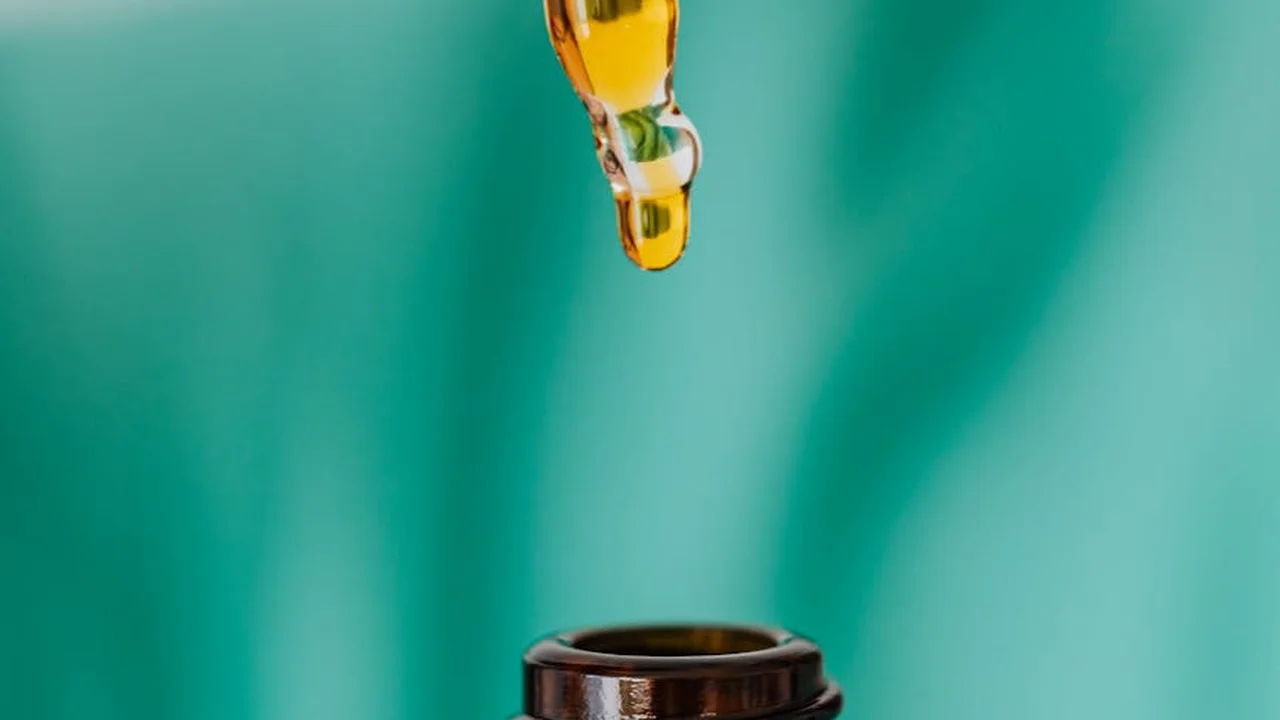
In vegan baking, oil is your secret for tenderness. It coats flour proteins to prevent gluten from getting tough, and it locks in moisture so your treats stay soft for days.
You can substitute oils in recipes, but know the trade-off. For another neutral oil, try a light avocado oil. For a whole-food swap, unsweetened applesauce or pumpkin puree adds moisture but makes a denser, cakier result.
I often use flaxseed oil for its omega-3s, but I only keep it in the fridge and never heat it. Its delicate nutrients break down quickly. I love it whisked into a lemony dressing or drizzled over roasted veggies after they come out of the oven.
The healthiest oils for dressings are the flavorful, unrefined ones you wouldn’t cook with. Their bold taste and fragile antioxidants are meant to be enjoyed raw.
Mastering Vegan Baking with Fats
Choose your fat based on the texture you want. A liquid oil like grapeseed makes a moist, tender crumb perfect for quick breads and muffins. A solid fat, like refined coconut oil, creates a flakier texture for pie crusts and can help cookies hold their shape.
If your baking feels off, the fat could be the culprit.
| Issue | Possible Fat-Related Cause |
|---|---|
| Dense, gummy cake | Too much oil, or a wet substitute like applesauce was used without reducing other liquids. |
| Dry, crumbly muffins | Not enough fat. The oil may have been measured incorrectly or a dry substitute was used. |
| Greasy feeling | The type of oil may not be right for baking. A very heavy olive oil can sometimes feel greasy in sweets. |
Crafting Vibrant Salad Dressings
The golden ratio for a vinaigrette is easy: three parts oil to one part acid. Start with that and adjust to your taste. I use a small mason jar so I can just shake everything together.
For nutrient-dense dressings, I rotate through a few favorites from my shelf. Extra virgin olive oil is my everyday staple. Unrefined walnut oil tastes amazing with bitter greens. That bottle of flaxseed oil gets used here most often. Remember, these precious oils are for cold use only-heat will ruin their flavor and health benefits.
Nourishing Body Care with Food-Grade Oils
The same bottle that nourishes your body from within can often care for it from the outside. Many culinary oils are superb, simple moisturizers.
My top multi-use picks are fractionated coconut oil (it stays liquid), jojoba (which mimics skin’s own sebum), and sweet almond oil. They’re versatile for skin and hair.
These oils are called “carrier oils.” They safely carry and dilute potent essential oils for topical use. A good rule is to add no more than 6 drops of essential oil per ounce of carrier oil.
Try this easy hair mask: warm two tablespoons of coconut oil, massage it into dry hair, wrap it up, and rinse after 30 minutes. It’s a simple treatment that makes hair incredibly soft.
From Kitchen to Bathroom Shelf
Texture matters when you put oil on your skin. Coconut oil is rich and creates a noticeable barrier, fantastic for very dry patches. Jojoba is light, absorbs quickly, and feels almost silky. Sweet almond oil is a happy medium, moisturizing without too much weight. When diluting essential oils, compare jojoba, almond, and coconut to find the right balance of absorption and texture. This helps you tailor blends to your skin.
Always do a patch test before using any new oil all over. Apply a dime-sized amount to your inner arm and wait 24 hours to check for any reaction.
A Simple After-Shower Moisturizer
You only need two ingredients for a luxurious body oil. Fill a two-ounce glass bottle almost to the top with your chosen carrier oil, like jojoba. Add one drop of lavender essential oil for a calming scent. Shake gently and apply to damp skin right after you shower.
The water on your skin helps the oil spread easily and locks in the moisture. This is my personal favorite way to use my oils, and the bottle lives right next to my bathtub.
Wellness and Home: The Scented Layer
Your plant-based lifestyle weaves through your entire living space. I use essential oils to add a layer of natural care and fresh scent to my home routines.
Think of them as botanical helpers for the air you breathe and the surfaces you touch. They shift the mood of a room and replace synthetic fragrances in cleaners.
For a versatile starter kit, I always have tea tree, lemon, and peppermint oils on my apothecary shelf. Tea tree offers a clean, sharp scent that tackles stuffy air. Lemon oil is zesty and bright, like polishing sunshine onto counters. Peppermint feels cool and alert, perfect for a mental pick-me-up.
When the day needs a shift, my diffuser gets busy. Here are my favorite simple blends:
- For energy: 3 drops peppermint, 3 drops lemon.
- For focus: 2 drops peppermint, 2 drops rosemary, 2 drops lemon.
- For calm: 4 drops lavender, 2 drops sweet orange.
One of the easiest ways to use them is in a DIY cleaner. This is the recipe I make every week.
My Simple Citrus Surface Spray
- Grab a 16-ounce glass spray bottle.
- Add 1 cup of white vinegar and 1 cup of water.
- Add 10 drops of lemon oil and 5 drops of tea tree oil.
- Cap the bottle and shake well to mix. Always shake before spraying.
Essential Oils for a Fresh Home
Certain oils are superstars for home care with their purifying or uplifting aromas. My top picks are eucalyptus, grapefruit, lavender, and pine.
Eucalyptus has a clear, camphorous scent that opens up a stuffy room. Grapefruit is pure sunshine, cutting through gloom. Lavender brings a soft, herbal peace. Pine smells like a walk in a clean, winter forest.
These oils work on the air and your mood, not in your meals. Please never ingest essential oils for nutrition. Their power is in their scent.
Creating a Calming Atmosphere
Wind down your evenings with a gentle diffuser blend. I use this one in my bedroom about an hour before sleep.
Try 3 drops of lavender, 2 drops of cedarwood, and 1 drop of Roman chamomile. It creates a warm, earthy blanket of scent that feels like a sigh.
Always diffuse in a room with good airflow, and be mindful of pets. Some oils can bother animals, so research pet safety or diffuse in a space they don’t frequent.
Your Questions, Plant-Sorted
Is coconut oil healthy for a plant-based diet?
Coconut oil is a useful tool, not a nutritional cornerstone. Use it mindfully for its unique properties in medium-heat cooking or baking where you desire a buttery note, especially when you are looking to substitute butter in recipes.
How do I use flaxseed oil in a vegan diet?
Think of flaxseed oil as a finishing touch, never a cooking oil. Drizzle it over prepared foods like roasted vegetables or blend it into dressings to preserve its delicate omega-3s.
What are the healthiest oils for salad dressings?
The healthiest dressing oils are the flavorful, cold-pressed ones rich in fragile nutrients. Robust extra virgin olive oil, nutty walnut oil, and grassy flaxseed oil are perfect enjoyed raw.
How do I substitute butter with oil in recipes?
For baking, a reliable starting point is 3/4 tablespoon of oil for every 1 tablespoon of butter. Choose neutral avocado oil for savory dishes or melted coconut oil for sweets to best mimic richness.
Can I use olive oil for all types of cooking?
Extra virgin olive oil is perfect for low-to-medium heat cooking, but its moderate smoke point makes it unsuitable for high-heat searing. For those high-temperature methods, reach for avocado oil instead. Avocado oil has a higher smoke point, making it ideal for frying, searing, and other high-heat methods. It also offers heart-healthy monounsaturated fats and a neutral flavor that works in many dishes.
Final Thoughts on Oils for a Plant-Based Life
Focus on bringing a few versatile, high-quality oils into your daily habits for both nourishment and self-care. From my own shelf, a robust olive oil for cooking and a gentle apricot kernel oil for my skin form the reliable backbone of my plant-based routine.
I share more practical tips and personal experiences like these on the Botanical Oils blog. Trust your own instincts as much as my advice-your personal experiments with these oils are where real wellness takes root.
Noemi Kamińska
Noemi is an accomplished wellness researcher, nutrition care guide and body care expert. She has years of experience in formulating various oil combinations for full body wellness including face, hair, body care, essential oils and cooking oils. She works as a bio-formulator working with oil chemistry and analyzing the best formulations when it comes to your needs. Feel free to reach out to get your oil needs sorted.