
Virgin vs. Extra Virgin Olive Oil: What’s the Real Difference?
If you’ve ever wondered why extra virgin costs more or which one to grab for a skin serum, you’re not alone. From my own kitchen cabinet to my wellness blends, I use both, and knowing their unique stories saves money and boosts results.
Here’s the heart of it: extra virgin is the purest, first-press oil, defined by its low acidity and flawless flavor, while virgin oil is simply its milder, more refined cousin.
- The strict rules behind each label and how they’re made
- How to taste and smell the difference yourself
- My go-to picks for cooking, body care, and home remedies
- Simple storage tips to keep your oil fresh and potent
How Is Extra Virgin Olive Oil Made Compared to Virgin?
Let me explain how is extra virgin olive oil made. Picture ripe olives harvested and washed, then crushed into a paste. This paste is gently pressed or spun in a centrifuge without any heat. That’s it-just mechanical pressure to release the oil.
This cold, simple process protects the oil’s delicate flavors and health-giving compounds, much like cold-pressing nuts for a body oil.
Virgin olive oil is made the same basic way. But the olives can have minor flaws, like being overripe or slightly bruised. This allows for a higher level of free oleic acid. I like to compare it to juice: extra virgin is from perfect, fresh fruit; virgin is from fruit that’s still good, but has a few soft spots.
The Extra Virgin Standard: A Story of Perfection
Calling an oil “extra virgin” isn’t just a marketing term. It has to pass strict lab tests and a sensory exam by trained tasters. Chemically, its free acidity must be below 0.8%.
The tasters look for positive attributes like fruitiness, bitterness, and pungency. Any off-flavors-like mustiness, vinegar, or rancidity-mean it fails. Zero defects are allowed, making it the gold standard for purity.
The Virgin Grade: Perfectly Good, But Not Perfect
Virgin olive oil has a more lenient standard. Its free acidity can be up to 2.0%, and the sensory panel permits very minor flavor faults, which often translates to lower polyphenol content compared to extra virgin olive oil.
This leads directly to the virgin vs extra virgin olive oil taste question. Extra virgin is vibrant and complex-peppery, grassy, or boldly fruity. Virgin oil is milder, often simpler and more neutral. In my home, I use virgin oil for gentle sautéing and extra virgin for everything where its flavor can shine.
Spotting the Differences: A Guide for Your Senses
Your nose and tongue are your best tools. True extra virgin oil often smells green and lively-think of fresh herbs, cut grass, or green tomato leaves. Virgin oil’s scent is much softer, sometimes barely there.
Color ranges from deep green to pale gold, but it’s not a quality clue. A lighter oil isn’t inferior; it often depends on the olive variety.
So, is extra virgin olive oil better than olive oil? For unmatched purity and a burst of flavor, absolutely. It’s the difference between a vibrant, therapeutic-grade essential oil and a more refined, simple base oil.
Nutrition and Your Body: The Healthier Choice
Because extra virgin olive oil is minimally processed, it retains higher levels of antioxidants like polyphenols and vitamin E. These compounds fight oxidative stress, which benefits your skin, hair, and overall cellular wellness. If you’re comparing avocado oil vs extra virgin olive oil for health-conscious cooking, avocado oil brings a higher smoke point and a neutral flavor that can suit many dishes. We’ll compare their health benefits head-to-head in the next steps.
This is how is extra-virgin olive oil healthier than regular olive oil. The careful production preserves the olive’s natural pharmacy. Both grades offer good monounsaturated fats, but compared to vegetable oils, extra virgin is the champion for supporting your body from the inside and even in topical blends for skin nourishment.
Which Olive Oil Wins in the Kitchen?
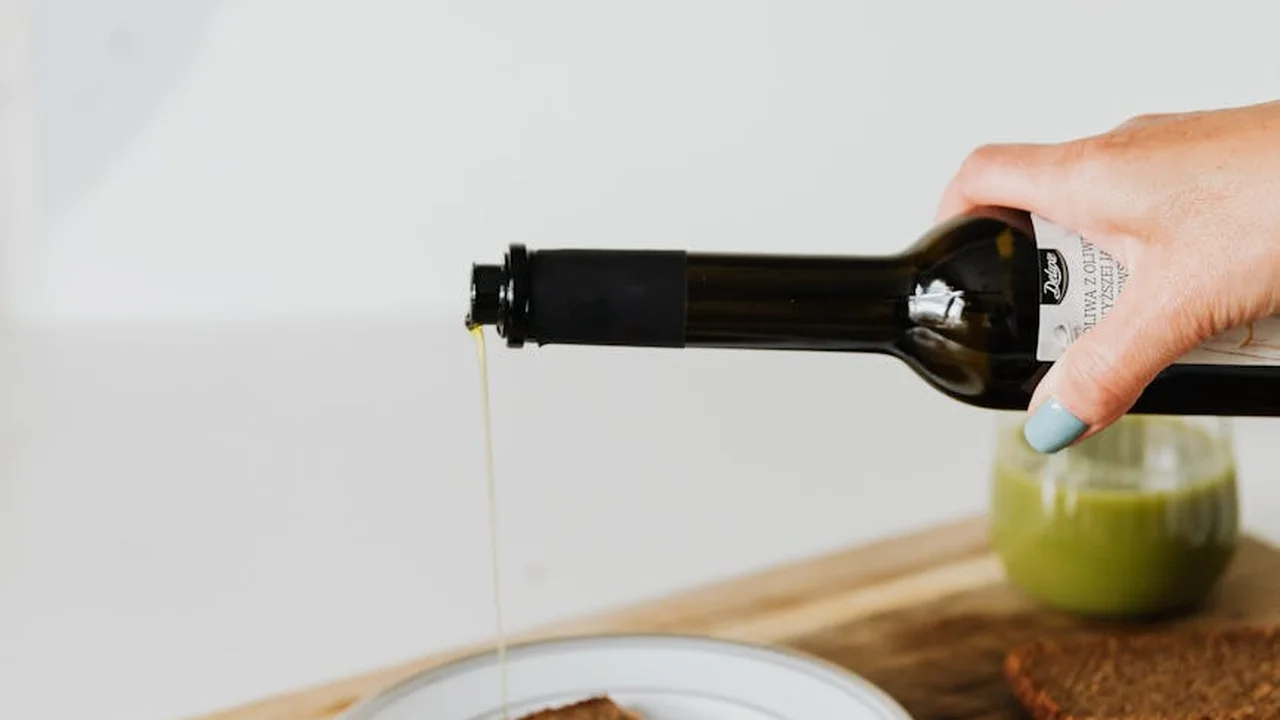
Here’s my simple rule from years in my own kitchen. Let your extra virgin olive oil shine where its flavor matters most. I keep a small, dark bottle right next to my stove.
Drizzle it over finished soups, roasted vegetables, or a caprese salad. Whisk it into vibrant dressings and dips. Use it for gentle, low-heat cooking like sweating onions or warming garlic. The heat will mellow its character, but its fruitiness will still come through.
Virgin olive oil is my go-to for everyday cooking where I just need a good fat. It’s perfect for sautéing greens, roasting potatoes, or baking cakes where a robust olive flavor isn’t the goal. Its higher smoke point makes it more forgiving for medium-heat tasks. Plus, for baking and everyday cooking, I reach for extra virgin olive oil to keep flavors bright. Its balanced, fruity notes work well in both savory and sweet dishes without overpowering the ingredients.
So, virgin vs extra virgin for cooking? Think of flavor as your guide. Choose extra virgin when you want the oil to be a star ingredient, and virgin when it’s playing a supporting role.
A Quick Note on “Regular” Olive Oil
You’ll also see bottles labeled “pure,” “light,” or just “olive oil.” This is different. These oils are typically refined, which strips color, flavor, and many natural compounds.
They are often a blend of refined oil with a little virgin oil added back for some character. So no, “olive oil” is not the same as extra virgin; it’s a more neutral, processed cousin best for high-heat frying. I don’t keep it on my shelf for wellness uses. Curious about safely frying with olive oil? There’s a complete guide on cooking deep frying using extra virgin olive oil.
Bringing Olive Oil into Your Body and Home Care
This is where I truly love these oils. For anything touching your skin or hair directly, extra virgin is my unwavering choice. Its purity means you’re getting the full benefit of those antioxidants and vitamins.
My shelf holds a dedicated bottle for the bathroom. I use a tiny bit as a gentle, effective makeup remover. I warm a tablespoon to use as a deep conditioner for my hair before washing. I even rub a few drops into my wooden cutting boards and spoon handles to keep them from drying out.
Virgin olive oil has a place here, too. Its milder scent is great for making homemade soaps or all-purpose cleaning sprays where the oil’s emollient properties are useful, but a strong olive aroma might clash with essential oils.
For Your Hair and Skin: A Simple Comparison
Let’s break it down. For a nourishing hair mask, extra virgin’s richer nutrient profile can feel more luxurious and penetrating on dry ends. Virgin oil works perfectly well, especially if you find extra virgin’s scent too pronounced.
For skin, both can be wonderful, simple moisturizers for the body after a shower on damp skin. Always do a small patch test on your inner arm first, especially if you have sensitive skin. A little goes a very long way.
| Use Case | My Suggestion | Why |
| Hair Mask & Scalp Treatment | Extra Virgin | Maximizes nutrient delivery for shine and strength. |
| Makeup Remover / Facial Oil | Extra Virgin | Purity is key for delicate facial skin. |
| All-Over Body Moisturizer | Either (Patch Test!) | Both provide excellent emollient benefits. |
| Base for Homemade Salves | Extra Virgin | Ensures the highest quality infused oil. |
What About Coconut Oil? A Quick Sidebar
I get this question all the time. For coconut oil, “virgin” and “extra virgin” are marketing terms, not official grades like they are for olive oil.
They generally mean the same thing: unrefined oil from fresh coconut meat. So when you’re choosing coconut oil, look for “virgin” or “unrefined” and don’t worry about the “extra” label. It’s a different botanical story altogether.
What Helped Me: My Go-To Bottle for Almost Everything
On my kitchen shelf, you will always find a small, dark glass bottle of a peppery, grassy extra virgin olive oil.
Its robust flavor is perfect for finishing a bowl of lentil soup or a simple plate of tomatoes.
I also keep that same bottle by my sink. After I wash my hands from gardening, I use a single drop to massage into my dry cuticles. It soothes the ragged skin instantly.
This one quality bottle pulls double duty, from my plate to my hands, because I trust its purity and know its source.
To keep any olive oil fresh and prevent it from turning rancid, treat it like a delicate botanical. Light and heat are its enemies.
I store my good oil in a dark cupboard, far from the stove and oven. A cool, pantry is ideal.
When to Seek Professional Help & Other Oil Options
Olive oil is wonderful, but it is not a cure all. Your health comes first.
If you have a persistent skin condition like eczema, psoriasis, or severe acne, please see a dermatologist before using any oil topically.
For personalized advice on incorporating healthy fats into your diet, especially for specific health goals, a registered dietitian is your best resource.
Getting a professional opinion ensures you are caring for your body in the safest, most effective way possible.
Simple Swaps for Different Needs
Sometimes olive oil is not the right tool for the job. Here are my preferred alternatives.
For high heat cooking like searing or stir frying, I reach for grapeseed oil. It has a higher smoke point and a very neutral taste.
If olive oil feels too heavy on your face, try jojoba oil. It is actually a liquid wax ester that closely mimics our skin’s natural sebum. It absorbs beautifully without leaving a greasy film.
A Final Note: What About My Hair?
You might wonder if olive oil is the best for hair care. It can be moisturizing, but other oils are often better suited for hair growth, moisture, and scalp health.
For adding shine and taming frizz on dry or curly hair, argan oil is my favorite. It is lightweight and packed with vitamin E. Learn about its benefits for hair and how to apply it correctly.
For a deep conditioning treatment, especially on thick, coarse, or damaged hair, coconut oil’s molecules are small enough to penetrate the hair shaft. I melt a small amount in my hands, work it through the ends, and leave it on for an hour before washing. If you need to remove the buildup, a simple step-by-step guide shows how to wash coconut oil out of hair.
Quick Answers to Your Olive Oil Questions
Can I cook with extra virgin olive oil, or will heat ruin it?
You can absolutely cook with it! Use extra virgin for low to medium heat to preserve its delicate flavors and nutrients, and save virgin oil for higher-heat tasks like roasting.
Is the nutritional difference between virgin and extra virgin a big deal for daily use?
Both are healthy fats, but extra virgin has a higher level of antioxidants. For your daily wellness, choosing extra virgin means you’re getting the most natural plant benefits.
How can I really taste the difference at home?
Try this: drizzle a little of each on a plain piece of bread. True extra virgin will taste vibrant and complex, often peppery, while virgin will be noticeably milder and smoother.
What’s the deal with “extra virgin” coconut oil? Is it like olive oil?
No, the grading is different. For coconut oil, “virgin” and “extra virgin” are typically unregulated marketing terms that both mean unrefined-so you can confidently choose either.
When is it smarter to buy virgin olive oil instead of extra virgin?
Virgin is a brilliant, cost-effective choice for everyday cooking where a strong olive flavor isn’t needed, or for making homemade cleaning products and soaps.
Your Home Aromatherapy Shelf and the Olive Oil Choice
Let this simple idea guide you: extra virgin olive oil, with its pristine quality, is the one I always pull from my shelf for direct skin nourishment or a finishing aroma. Virgin olive oil finds its purpose in my kitchen for gentle cooking or crafting simple home solutions.
I share this knowledge from my own practice to help you build confidence. Trust your growing expertise as you explore these oils for your body, hair, and home rituals.
Citations and Authoritative Sources
- Extra-Virgin, Virgin, and Pure: When to Use Which Type of Olive Oil
- r/oliveoil on Reddit: Whats the difference between olive oil extra and extra virgin?
- What’s the difference between virgin and extra virgin olive oil?
- Guide to Virgin vs. Extra Virgin Olive Oil – Brightland.co
Noemi Kamińska
Noemi is an accomplished wellness researcher, nutrition care guide and body care expert. She has years of experience in formulating various oil combinations for full body wellness including face, hair, body care, essential oils and cooking oils. She works as a bio-formulator working with oil chemistry and analyzing the best formulations when it comes to your needs. Feel free to reach out to get your oil needs sorted.