
What Can Sesame, Coconut, and Mustard Oils Really Do for Your Health?
You might have these oils in your kitchen, but feel unsure how to use them beyond cooking. I rely on them daily in my apothecary, and they are profound, simple tools for soothing the body and calming the mind.
You will leave knowing exactly how to match each oil’s unique energy to your personal needs for genuine relief.
- Why sesame oil is considered a warming, grounding treasure for massage
- How coconut oil provides a cooling, nurturing shield for skin and hair
- The traditional use of pungent mustard oil to ignite circulation and warmth
- Practical steps for choosing, storing, and safely applying these oils at home
How Does Ayurveda View These Oils? A Brief Cultural History
In Ayurveda, oil is more than a substance. It’s a vital therapeutic principle called Sneha, which translates to oiliness or love.
This concept of Sneha teaches that applying oil lovingly to the body nourishes all tissues, soothes the nervous system, and creates a protective, grounding layer. It’s considered a foundational act of self-care that literally helps “hold you together.”
These practices are woven into daily life through Dinacharya, or daily routine. For centuries, a morning self-massage wasn’t a spa treat. It was as standard as brushing teeth. Sesame, coconut, and mustard oils were the primary tools, chosen based on the season and a person’s needs.
The seasonal application is a beautiful example of intuitive wisdom. Heavy, warming sesame oil is the classic choice for cold, dry Vata seasons like fall and winter. Light, cooling coconut oil is perfect for fiery Pitta summers.
This tradition shows us that some of our most powerful wellness tools are already in the kitchen, ready to be used as medicine for the body, skin, hair, and even the home. On my own shelf, the bottles of food-grade sesame and coconut oil sit right between my castor oil and my herbal salves.
How Do I Use Warming Sesame Oil for My Body and Mind?
Cold-pressed sesame oil has a distinct, nutty aroma that smells like toasted seeds. It feels thick and rich, leaving a noticeable golden film on your skin that’s deeply protective.
Ayurveda links this heavy, warming quality directly to balancing Vata dosha, the energy of air and space that governs movement and can leave us feeling anxious or ungrounded. Sesame oil’s job is to provide warmth, weight, and stability.
The supreme ritual for this is Abhyanga, or self-massage. Here’s how I do it.
- Pour about 1/4 cup of organic sesame oil into a glass jar or bottle.
- Place the jar in a bowl of very warm water for 5-10 minutes. Test a drop on your inner wrist-it should feel soothingly warm, not hot.
- Starting at your scalp and face (if your skin tolerates it), massage the oil using long strokes on limbs and circular motions on joints.
- Take your time, about 10-15 minutes. Let the oil soak in for another 20 if you can.
- Follow with a warm shower, patting your skin lightly dry. You’ll feel a silky, nurtured layer left behind.
Its uses extend far beyond full-body massage. A drop of warmed sesame oil can be gently applied to the outer ear canal for Karna Purana, a practice to support ear health. I use it nightly on my cracked heels before bed. It also makes a wonderfully calming scalp massage oil before washing.
Always do a small patch test first, as sesame oil can be comedogenic and may clog pores on some facial skin types. I only use it on my face during the driest winter weeks.
Simple Sesame Oil Rituals for Home and Hair
For a dry scalp treatment, simply warm two tablespoons of oil. Massage it thoroughly into your scalp for five minutes. Wrap your hair, leave it on for 20 minutes to an hour, then shampoo as usual.
Sesame oil is a perfect base for infusing herbs. I keep a jar infused with ashwagandha root powder on my shelf for an extra-calming massage oil. Just combine the oil and powder in a jar, let it sit in a sunny spot for two weeks, then strain.
Don’t forget oil pulling, the ancient oral wellness practice. In the morning, I swish a tablespoon of sesame oil in my mouth for 10-20 minutes, then spit it into the trash (not the sink!). It leaves my mouth feeling incredibly clean and my teeth feeling smooth.
When Should I Reach for Cooling Coconut Oil?
Think of coconut oil as sesame oil’s calm, cool sibling. While sesame is nutty and warming, coconut has a light, tropical scent and a firm, almost waxy texture at room temperature. I keep a jar of it next to my bathroom sink, and in the winter, it’s a solid white block.
In Ayurveda, this cool quality directly links coconut oil to balancing Pitta dosha, the fiery combination of fire and water elements in the body. It’s the go-to for soothing sensations of excess heat, whether that’s sun-warmed skin, a hot head, or an agitated mood.
Its classic role is as a hair protector. A pre-wash “champi” or scalp massage with warm coconut oil shields hair from water and shampoo. On the body, it’s a fantastic light moisturizer for summer, absorbing without leaving a heavy film.
Its use extends to the kitchen. Ayurvedic cooking often prefers coconut oil for its balancing nature, especially when cooking pungent or heating spices. Using coconut oil for cooking and baking requires specific techniques to maximize its benefits.
A couple of practical notes: coconut oil can solidify in pipes, so wipe pots and your sink with a paper towel first. And for fine hair, use just a dime-sized amount on the ends to avoid weighing hair down. If you’re wondering how to wash coconut oil out of hair or remove oil buildup, a quick step-by-step guide can help. It walks you through the best rinses and shampoos for clean, refreshed strands.
Your Summer Skin and Hair Rescue with Coconut
For skin that’s had too much sun, I make a simple soother. I scoop a bit of coconut oil into my palm, add one single drop of lavender essential oil, and gently smooth it over warm shoulders or cheeks.
You can also use it for “Gharshana,” or dry brushing. I put a few drops on a raw silk glove and use long, sweeping strokes toward my heart before a shower. It’s incredibly grounding and supports lymphatic flow.
For hair, a tiny amount rubbed between your palms and glossed over frizzy ends instantly tames flyaways and adds a healthy shine without grease.
What Makes Mustard Oil a Powerful, Spicy Healer?
Mustard oil announces itself. Its aroma is sharp, pungent, and deeply spicy-like the heart of a mustard seed. On the skin, it creates a distinct warming, almost tingling sensation that feels like it’s penetrating deep into tight muscles.
That powerful heat is its therapeutic signature. Traditionally, mustard oil is used to stimulate sluggish circulation and break up physical stiffness, making it a key tool for balancing the heavy, cool qualities of Kapha dosha.
You’ll find it in cultural remedies like warming chest rubs during cold season or in vigorous massages for aching joints and arthritis. It’s a classic for moving stagnation.
Safety is paramount here. For topical use, you must seek out high-quality, food-grade mustard oil. There is significant controversy around its dietary use in some regions, so I stick to external applications only.
Beyond the body, its preservative and protective qualities are renowned. It’s historically been used to preserve pickles and to coat copper vessels, preventing tarnish.
A Warming Mustard Oil Balm for Stiff Muscles
Because its heat is so strong, I always dilute mustard oil. A safe and effective massage blend is one part mustard oil to three parts sesame or coconut oil. This gives you the benefits without overwhelming the skin.
For an extra warming boost, I gently heat the blended oils with a teaspoon of dried ginger powder for 15 minutes, then strain it. This creates a beautiful infused oil for achy areas.
Always, always do a patch test on your inner arm before using mustard oil more broadly, and avoid it entirely on sensitive or broken skin. Respect its power, and it can be a remarkable ally.
What About Other Oils? A Note on Castor Oil Ayurvedic Uses
Beyond sesame, coconut, and mustard, castor oil holds a special place. It is a potent, viscous oil with a texture like thick syrup. Its deep cleansing properties are why I keep a bottle in my home apothecary for targeted support. Many seek its top uses and benefits for skin and hair health. Used thoughtfully, it can support moisture, shine, and resilience.
In Ayurveda, castor oil is traditionally used for abdominal massage to support healthy movement and flow. A gentle massage with it can feel wonderfully relieving when digestion is slow.
For hair, it is a classic treatment to nurture thick, strong strands. I apply it to my scalp and ends before a wash to help condition and add resilience.
You can also use a castor oil pack over the liver area. The method is simple. You need castor oil and a soft flannel cloth.
- Drizzle the oil onto the flannel until it is fully damp.
- Place it over your right side, just below your rib cage.
- Cover it with an old towel and rest for 20 minutes.
- Remove the pack and gently clean your skin.
Castor oil is for external use only in this context and should never be ingested without direct professional guidance. It is a powerful herb and internal use requires expert supervision.
How Can I Blend These Oils Safely at Home?
First, remember that sesame, coconut, and mustard oils are carrier oils. They safely dilute and carry essential oils. If you add essential oils, always dilute them to protect your skin. I use about 6 drops of essential oil per tablespoon of carrier oil as a safe start. When done right, mixing essential oils with a carrier oil supports safe, effective body treatments. This approach helps you tailor blends for your skin type while staying mindful of dilution.
Blend with the seasons in mind. For a warming winter oil, mix three parts sesame oil with one part mustard oil. If you have sensitive skin, consult the best carrier oils for sensitive skin safe blending guide for gentle options. That guide helps you choose carriers that support comfort and avoid irritation. This creates a cozy, grounding blend perfect for dry, cold skin.
When summer heat arrives, a cooling blend works best. Use mostly coconut oil on its own. Its light texture feels refreshing and absorbs without a heavy residue.
Here is my “first aid” oil recipe for a calming scalp and body massage. I make this when my nerves feel frayed.
- 2 tablespoons of sesame oil
- 1 tablespoon of coconut oil
- 3 drops of chamomile essential oil
Combine them in a glass bottle and shake gently. Warm the bottle in a bowl of hot water for a minute before you massage it into your temples or scalp.
Gather a few tools before you begin. You will need glass bottles for mixing, a bowl of warm water to heat the oil gently, and old towels to protect your furniture. Keeping these items handy turns oil blending into a simple, peaceful ritual.
What Should I Look for When Buying These Oils?
Choosing the right oil makes all the difference. Your goal is to find oils that are as close to their natural, traditional form as possible. That sets the stage for our healthiest cooking oils guide for everyday use in your kitchen. It helps you compare oils and choose ones that fit your cooking habits and health goals.
Always look for organic and cold-pressed options to get the full spectrum of benefits without chemical residues. Heat and chemical processing can strip away the subtle compounds that make these oils truly healing.
Your Sensory Checklist
Trust your senses. A good oil tells its story through color, smell, and texture.
For sesame oil, you want a light, golden color and a mild, nutty aroma, which means it’s untoasted and perfect for body care. If you’re into DIY, consider making your own sesame oil at home for cooking and body care. The toasted kind you cook with is too strong for the skin. My own bottle has a gentle scent that reminds me of warm earth.
Virgin coconut oil should smell fresh and clean, like a faint memory of the tropics. If it smells stale or has no scent at all, it’s likely refined. The texture should be solid at cool room temperature but melt instantly on your skin.
Authentic mustard oil has a distinct, sharp pungency that clears the sinuses. It should be a clear, golden-yellow liquid. If it’s cloudy or smells off, it’s past its prime.
Caring for Your Oils
These precious oils need a good home to stay potent. Light, heat, and air are their enemies.
I transfer all my oils into dark amber or cobalt blue glass bottles. I keep them in a kitchen cupboard away from the stove or in a cool pantry. This simple habit prevents rancidity and preserves their life force.
Start with small bottles, maybe 4 to 8 ounces, to test how each oil feels on your unique skin and hair. Your body will tell you which one it loves. A simple patch test on your inner arm is a wise first step.
Recommended Products for Your Apothecary Shelf
Building a trustworthy collection is simple. Focus on quality over quantity. Here’s what I keep within reach on my own shelf.
- Organic, cold-pressed Sesame Oil: Look for bottles labeled specifically as a “base oil” or “carrier oil.” This ensures it’s meant for topical use. It’s my go-to for daily self-massage, or abhyanga.
- Virgin, cold-pressed Coconut Oil: Unrefined is key. That lovely, soft scent is part of its magic. I use it for hair conditioning, as a quick moisturizer, and even to gently remove eye makeup.
- High-quality, food-grade Mustard Oil: This is crucial-ensure the bottle is expressly labeled for external or massage use. Its warming quality is excellent for a stiff neck or scalp massage in cooler months.
- A small bottle of Castor Oil (cold-pressed): While not one of the three primary oils, it’s a powerful Ayurvedic staple. I use it for targeted treatments, like nurturing eyelashes or as a deeply penetrating oil for sore joints.
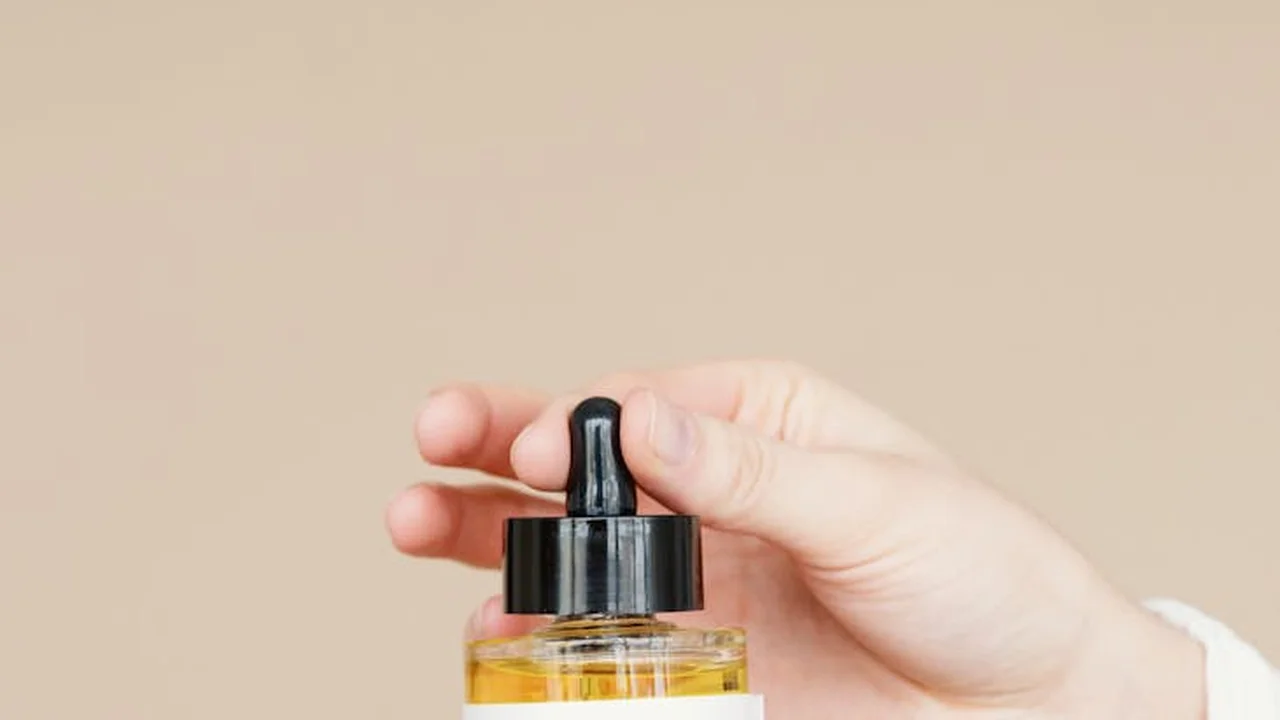
- Amber glass bottles with droppers or pump tops: These are non-negotiable for blending and daily use. Droppers give you control for mixing, and pump tops keep your everyday oils clean and easy to use, even with oily hands.
With these five items, you have a complete foundation. You can blend them, use them singly, and explore centuries of wisdom right from your home.
Your Questions, Answered
I’ve heard conflicting things about mustard oil. Is it safe to use?
For topical use, high-quality, food-grade mustard oil is a powerful traditional healer. I recommend using it only externally and always diluting it with a milder oil like sesame to temper its intense heat.
Do these Ayurvedic oils expire or go bad?
Yes, all natural oils can become rancid. To preserve their healing properties, store them in dark glass bottles in a cool, dark cupboard and use them within their recommended shelf life-typically 6-12 months after opening.
How do I choose between sesame and coconut oil for a daily massage?
Let your body’s current needs and the season guide you. Reach for warming sesame oil if you feel dry, cold, or ungrounded, and choose cooling coconut oil if you feel overheated, irritated, or it’s during the warm summer months. If you’re exploring flavor pairings, sesame oil shines in Asian cuisine, especially in dressings and salads. It also makes a versatile finishing oil in countless dishes.
Can I use castor oil the same way I use sesame or coconut oil?
Castor oil is much more potent and viscous, so it’s best for targeted, occasional use rather than daily full-body massage. I reserve it for specific rituals like scalp treatments, abdominal massage, or castor oil packs.
Can I mix these oils together?
Absolutely! Blending oils is a wonderful way to balance their properties. A simple rule is to combine warming oils like sesame with cooling ones like coconut to create a harmonized blend perfect for your unique state, especially when mixing oils for culinary uses.
Rooted in Tradition, Blossoming in Your Hands
The single most important piece of advice I can give you is to listen to your body’s response. These oils are powerful allies, and their greatest benefit comes from matching their properties to your unique constitution and the specific result you want. Start with a small ritual, like a simple foot massage with warm sesame oil, and notice how you feel.
I invite you to explore more guides here and begin your own experiments. Trust your senses, be patient with the process, and you’ll learn which of these timeless oils belongs on your own shelf.
Expert Resources and Citations
- Sesame Oil, Coconut Oil, Castor Oil, Mustard Oil – Comparison
- Natural Sesame, Mustard, Groundnut and Coconut oils: Comparative Chemistry and their Healthy Aspects | ClinicSearch
- Heres Why Sesame, Coconut And Mustard Oils Are Your Go-To Elixirs! – NDTV Food
- Healthy Aspects of Coconut, Sesame, Mustard and Groundnut oils
Noemi Kamińska
Noemi is an accomplished wellness researcher, nutrition care guide and body care expert. She has years of experience in formulating various oil combinations for full body wellness including face, hair, body care, essential oils and cooking oils. She works as a bio-formulator working with oil chemistry and analyzing the best formulations when it comes to your needs. Feel free to reach out to get your oil needs sorted.