Coconut Oil or Palm Oil: Which Tropical Oil Belongs in Your Pantry?
Choosing between coconut oil and palm oil can feel overwhelming with all the health claims and environmental headlines. Having both oils on my own shelf for years, I can guide you past the confusion to a choice that feels right for your home.
My goal is to give you a clear, practical comparison so you can decide which oil, if any, has a place in your routines.
- How their sustainability really compares
- The honest health pros and cons of each
- My tested tips for cooking and DIY projects
| Coconut Oil | Palm Oil | |
|---|---|---|
| Source | Dried flesh (copra) of the coconut. | Fruit pulp of the oil palm tree. |
| Texture at Room Temp | Solid, creamy white below 76°F (24°C). | Semi-solid, butter-like with an orange-red hue (if unrefined). |
| Primary Fatty Acids | Very high in lauric acid (a Medium-Chain Fatty Acid). | Balanced mix of palmitic acid (saturated) and oleic acid (unsaturated). |
| Smoke Point | Virgin: ~350°F (177°C). Refined: ~400-450°F (204-232°C). | Red (unrefined): ~300°F (149°C). Refined: ~450°F (232°C). |
| Dominant Scent | Distinctly sweet, nutty, and tropical. | Earthy, carrot-like, sometimes musky (unrefined). Neutral when refined. |
| Common Grades | Virgin, Refined, Fractionated (liquid). | Red Palm (unrefined), Refined (bleached/deodorized), Palm Kernel Oil. |
How Do Their Health Impacts Really Compare?
This is where opinions get heated. I keep both oils in my kitchen, but I use them for different reasons.
The Coconut Oil Story: MCTs and Metabolism
Coconut oil is famous for its medium-chain triglycerides, or MCTs. Your body processes these fats differently than the long-chain fats in most oils, but it’s important to understand the differences between MCTs in coconut oil and pure MCT oil for both dietary and topical use.
Think of MCTs as a quicker-burning fuel that your liver can use for immediate energy. This is why you see it in bulletproof coffee and energy bars.
The research on coconut oil raising “good” HDL cholesterol is interesting, but it raises “bad” LDL too. I view it as a useful, specific tool, not a daily staple.
The Palm Oil Profile: A Natural Balance
Unrefined red palm oil has a strikingly different nutritional picture. Its fat profile is nearly split between saturated and unsaturated fats.
Its real superpower is being one of the world’s richest natural sources of tocotrienols, a potent form of vitamin E. The deep orange-red color signals a wealth of antioxidants like beta-carotene.
For heart health, the evidence is mixed. Replacing it with polyunsaturated fats (like olive oil) may be better, but it’s a far healthier choice than partially hydrogenated oils.
My Practical Take for Your Shelf
Let’s clear up a common mix-up first. “Coconut palm oil” isn’t a hybrid. It usually just means oil from the coconut palm-so, it’s plain coconut oil.
I reach for virgin coconut oil when I want that flavor in a stir-fry or for a hair mask. I use a teaspoon of red palm oil for its nutrients in a savory soup or sauce. I also explore coconut oil in cooking and baking, using simple recipe techniques to balance flavors. Its aroma shines in both quick stir-fries and homemade baked goods.
Both are still high in saturated fat, so the golden rule is moderation and variety. Don’t replace all your other healthy fats with just one of these.
For your skin, virgin coconut oil’s lauric acid can be wonderful but may be comedogenic for some. Red palm oil’s vitamin E and carotenoids make it a fascinating, deeply nourishing choice for a restorative salve.
Which One Works Best in My Kitchen?
In my kitchen, I reach for these oils based on the job. Their heat tolerance and flavor decide it for me.
Heat and Cooking Jobs
Virgin coconut oil has a medium smoke point, great for sautéing veggies or baking. Refined coconut oil handles higher heat better, making it my pick for stir-fries when I want less coconut flavor. Most palm oil you find for cooking is refined and very stable at high heat, perfect for deep frying or making crispy roasted potatoes. When choosing oils, it’s important to consider the smoke points of different oils to ensure they suit your cooking method.
For raw uses, unrefined coconut oil is lovely. I stir a spoonful into oatmeal or smoothies. Unrefined red palm oil, with its earthy flavor, is a finishing oil, drizzled over stews or rice.
A Matter of Taste
The flavor difference is huge. A good virgin coconut oil smells like the tropics-sweet, nutty, and distinctly coconut. It can change a dish. Palm oil is much more neutral when refined. Unrefined red palm oil is a different story; it has a rich, earthy, almost carrot-like taste and a deep orange color from all that beta-carotene. Understanding the difference between palm kernel oil and palm oil helps decide what to use for skincare versus cooking. Choosing sustainable options can affect flavor, texture, and ethics.
Swapping One for the Other
You can substitute them in a 1:1 ratio by volume, but expect changes. Swapping neutral palm oil for coconut oil will remove that sweet, tropical note. Swapping coconut oil for palm oil might add a sweetness you don’t want in a savory dish.
Watch the texture. Coconut oil is solid below 76°F. If your recipe relies on liquid oil at room temperature, melted coconut oil will work, but it will solidify in a cold dressing. Refined palm oil stays liquid more easily.
| If the recipe calls for: | You can use: | Note: |
| Refined Palm Oil (for frying) | Refined Coconut Oil | Similar high-heat performance, but a very mild coconut hint may come through. |
| Virgin Coconut Oil (for baking) | Refined Palm Oil | Your muffins will be moist but lose the classic coconut aroma. |
| Butter or Shortening (in baking) | Either, in equal measure | Both create flaky, tender results. Coconut will add flavor; refined palm will not. |
What is Coconut Palm Oil Paste?
This is a concentrated product you might see in West African or Brazilian recipes. It’s often made from simmering unrefined palm fruit until it forms a deeply colored, intense paste. Think of it like tomato paste versus diced tomatoes. You use just a small spoonful to impart a huge amount of earthy flavor and color to soups, sauces, and rice dishes. It’s a pantry secret for authentic flavor.
Is Coconut or Palm Oil Better for Skin?

For your skin, the choice comes down to your skin type and what feel you prefer. I have jars of both on my apothecary shelf for different reasons.
Comedogenic Ratings and Skin Types
Coconut oil is highly comedogenic, meaning it can clog pores for many people. If you have acne-prone skin, you might wonder, does coconut oil clog pores? This is a common question when evaluating coconut oil for facial care. I only recommend pure coconut oil for very dry, non-acne-prone body skin, like on elbows, knees, or heels. Palm oil and its derivative, palm kernel oil, have much lower comedogenic ratings. This makes them safer choices for facial oils or lotions, especially for combination or normal skin.
How They Feel
Rubbing virgin coconut oil on your skin gives a thick, emollient feel. It absorbs slowly and leaves a noticeable layer. Fractionated coconut oil, which stays liquid, is a different story-it absorbs almost instantly with no greasy residue.
Palm oil derivatives like palm kernel oil create a rich, occlusive barrier on the skin. It feels protective and locking in moisture, more like shea butter than a dry oil. Red palm oil, with its vibrant color, feels rich and leaves a slight stain; I mix it into balms for overnight use. Understanding the specific skin effects of palm oil and other vegetable and seed oils can help tailor your skincare routine. It clarifies how palm oil derivatives pair with other oils for occlusion, nourishment, and balance.
Skin Benefits of Each
Both are excellent emollients that soften skin. Virgin coconut oil is praised for its antimicrobial properties. The real standout for skin nutrition is unrefined red palm oil. That deep red color comes from carotenes and vitamin E, antioxidants that can help protect and nourish the skin barrier. It’s like feeding your skin a nutrient-dense superfood. Delving into the key differences and benefits of virgin versus refined coconut oil—whether for skin, hair, or cooking—can help you decide which is right for you. Understanding these basics lets you tailor your oil choices to skin care, hair care, or kitchen use.
A Simple, Soothing Balm
Here is a basic balm you can make with a single oil. It’s perfect for dry hands or cuticles.
- Gently melt 2 tablespoons of either refined palm kernel oil OR 2 tablespoons of coconut oil (use fractionated if you hate greasiness) in a double boiler.
- Remove from heat and stir in 10 drops of your favorite skin-safe essential oil, like lavender or frankincense. Always do a patch test with any new oil on a small area of your inner arm first.
- Pour the liquid into a small, clean tin or jar and let it solidify completely.
- Use a tiny dab, warming it between your fingers before applying to very dry areas.
How Can I Use Them for Hair Care?
For hair, coconut oil and palm oil work in beautifully different ways. I keep both in my bathroom for this reason.
Coconut oil is a deep conditioner. Its molecules are small enough to slip inside the hair shaft. This is called penetration. It helps reduce protein loss from the inside, making hair stronger and less prone to breakage. You feel this as lasting softness.
Palm oil, especially the unrefined red kind, works on the surface. It’s a superb sealer. Its thick, rich texture smooths the outer hair cuticle. Think of it as a protective coat that locks in moisture and adds a glossy shine. Its vitamin E and antioxidants are also very soothing for a dry, itchy scalp.
Simple Ways to Use Them
Try a coconut oil pre-wash treatment. I do this weekly.
- Melt a small spoonful in your hands.
- Apply it from your mid-lengths to the ends of dry hair.
- Leave it on for at least 30 minutes, or even overnight.
- Shampoo thoroughly. Your hair will feel incredibly supple.
For palm oil, you only need a tiny bit. After washing, mix one drop of red palm oil into your regular conditioner or leave-in cream. This tiny addition boosts shine and delivers vitamins directly to your hair and scalp. Be careful, as the red color can stain light hair and towels.
A Note for Soap Makers
In soap making, these oils create a fantastic bar. Coconut oil produces big, fluffy lather. Palm oil gives the bar hardness and longevity. A classic coconut palm oil soap recipe balances cleansing with a stable, long-lasting bar that doesn’t melt away quickly. If you make soap, sourcing sustainable versions of both is key, which leads us to our next point.
What Are the Real Sustainability and Sourcing Issues?
This is the most important part of choosing any oil. Both have significant concerns, and being an informed buyer matters.
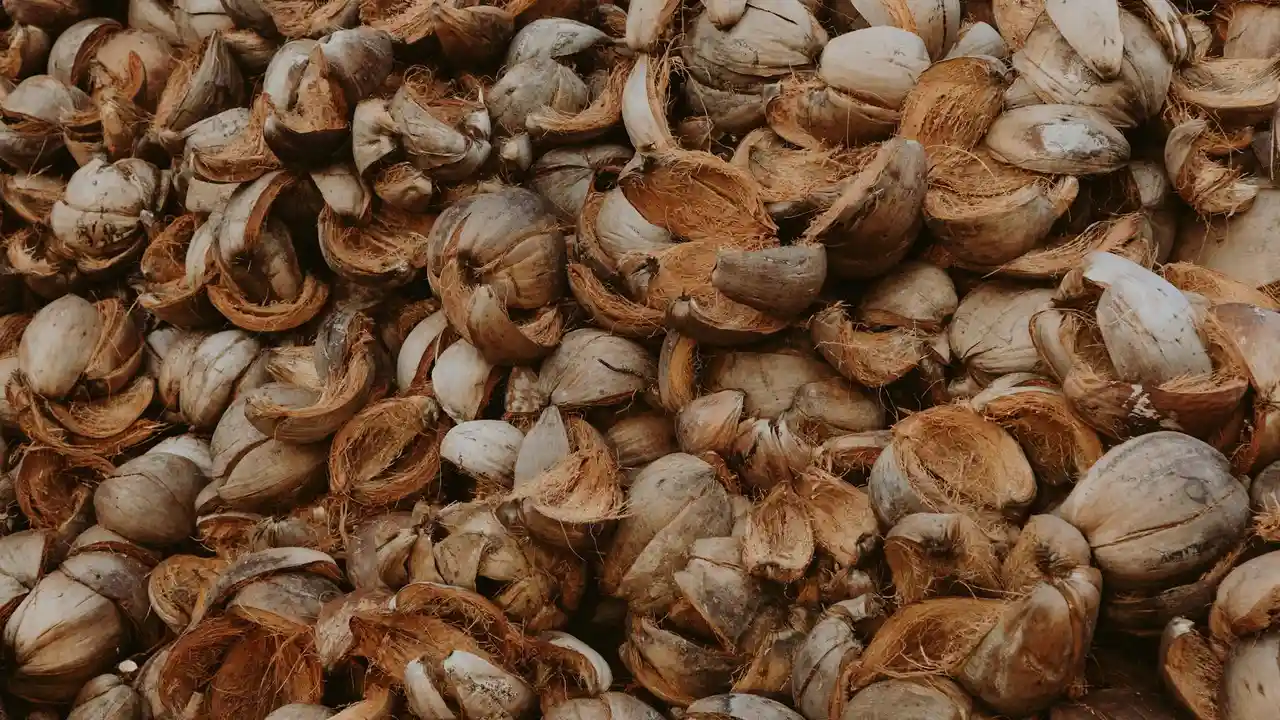
Palm oil is infamous for its link to deforestation, particularly in Indonesia and Malaysia. Vast plantations replace rainforests, threatening wildlife like orangutans. The land clearing often involves burning, which creates massive air pollution and releases carbon.
Coconut oil seems innocent by comparison, but it’s not without issues. Rising demand can push monoculture farming, reducing biodiversity. There are also serious concerns about exploitative labor practices and poverty-level wages for farmers in some major producing regions. Buying coconut oil is an agricultural choice with human impacts we must consider.
How to Make a Better Choice
Look for certifications, but understand what they mean.
For palm oil, seek out RSPO (Roundtable on Sustainable Palm Oil) Certified Sustainable labels. This isn’t a perfect system, but it’s the best mainstream indicator the oil was produced with stricter environmental and social criteria.
For coconut oil, prioritize fair-trade and organic certifications together. Fair-trade focuses on farmer welfare and community benefits. Organic focuses on farming methods. Getting both is the gold standard for a conscientious purchase.
Thinking About Origin and Quality
Where your oil comes from affects its character and price. For instance, a search for ‘coconut palm oil siam thailand benefits’ will lead you to a specific, traditional product. Artisanal oils from specific regions, like Thailand or the Philippines, often have unique flavors and higher nutrient levels due to traditional processing. They also usually come with a higher price tag that better supports small-scale producers.
If you’re looking for a product like ‘coconut palm oil paste near me’, your best bet is a reputable international or Asian grocery store. You can also find excellent suppliers online. Always read the “about us” page of an online store-transparency about their farmers and processes builds trust. I found my current supplier through a local soap-making guild, which is a great way to get community-vetted recommendations.
How Do I Choose the Right Oil for My Needs?
Let’s make this simple. Think about what you need most right now.
A Quick Guide for Your Main Goal
Match your top priority to the oil that fits it best.
- For High-Heat Cooking: Go with red palm oil. Its higher smoke point makes it stable for frying and sautéing. The unrefined version adds a rich, earthy color to dishes.
- For Very Dry Skin: Choose virgin coconut oil. It’s a classic for a reason. It feels luxurious and absorbs nicely to soften rough patches on elbows and feet. I keep a small jar by my sink for hand care after gardening.
- For Frizzy or Dry Hair: Virgin coconut oil is your friend. Use a tiny amount as a pre-wash treatment or to smooth ends. It’s lighter on hair strands than palm oil for this purpose.
- For Ethical Sourcing: This requires the most attention. For coconut oil, look for “Fair Trade” and “organic.” For palm oil, the only reliable choice is oil certified by the Roundtable on Sustainable Palm Oil (RSPO), specifically the “Identity Preserved” or “Segregated” supply chain models.
- For a Tight Budget: Conventional, refined palm oil is often the most affordable cooking oil globally. If budget is your main concern, using less but choosing a sustainable palm oil can be a mindful compromise. Virgin coconut oil prices can vary more based on brand and origin.
Why My Home Apothecary Holds Both
You don’t have to pick just one forever. I use them for different things.
A bottle of certified sustainable red palm oil lives in my kitchen. I use it for roasting vegetables. Its beta-carotene content is a bonus. In my bathroom, a jar of virgin coconut oil is for skincare and the occasional hair mask.
For making solid balms or soaps, the firm texture of palm oil can create a harder bar. I sometimes blend it with coconut oil. Having both gives you flexibility for DIY projects and daily needs.
The Most Important Step
There is no single perfect oil for every person and every task. Feeling a little unsure is normal.
You are already doing the right thing by asking questions and comparing. Start with one small jar for a specific need you have today. Choosing with a bit more awareness is always the best place to begin.
What People Ask
Are the benefits of coconut oil and palm oil the same?
No, their benefits differ. Coconut oil is prized for its moisturizing properties and MCT content, while unrefined red palm oil is a unique source of antioxidant-rich tocotrienols and carotenes.
What exactly is coconut palm oil paste and how do I use it?
It’s a concentrated paste made from cooked palm fruit, used as a potent flavor and color base in West African and Brazilian cuisines. You only need a small amount to add a deep, earthy richness to soups, stews, and rice dishes.
Does oil from a specific region, like “Siam Thailand,” offer unique benefits?
Yes, artisanal oils from specific regions often reflect traditional harvesting and processing methods, which can preserve more nutrients and unique flavors. Supporting these smaller-scale producers can also have positive economic impacts.
Which oil is better for my skin: coconut or palm?
For facial skin, palm oil or palm kernel oil (with lower comedogenic ratings) are generally safer choices to avoid clogging pores. For very dry body skin, virgin coconut oil can be a wonderfully rich emollient. That topic ties into which oils are truly non-comedogenic in skincare and cosmetics. It helps guide choices for products that won’t clog pores.
Why is there such a big price difference between brands?
Price reflects factors like organic or fair-trade certification, sourcing transparency, and small-batch production. For both oils, investing in a ethically sourced, high-quality product from a transparent brand is worth the price for your wellness and our planet.
Making Your Choice in the Pantry
Ultimately, your best choice depends on what you need from your oil, both for your body and for the planet. I keep a jar of virgin coconut oil on my shelf for skin care and medium-heat baking, and I seek out RSPO-certified sustainable palm oil for the occasional soap recipe where nothing else provides that perfect, stable lather.
I invite you to explore more guides right here on the blog as you build your own conscious collection. Trust your senses, and feel free to share which oil becomes a staple in your home routine.
Noemi Kamińska
Noemi is an accomplished wellness researcher, nutrition care guide and body care expert. She has years of experience in formulating various oil combinations for full body wellness including face, hair, body care, essential oils and cooking oils. She works as a bio-formulator working with oil chemistry and analyzing the best formulations when it comes to your needs. Feel free to reach out to get your oil needs sorted.