
How Do You Melt Solid Coconut Oil for Cooking and Body Care?
I’ve faced that stubborn jar of solid coconut oil on my own shelf, right when I needed it liquid for a recipe or a lotion. Melting it properly is a simple skill that anyone can master with a little know-how.
This article will show you the gentle heating techniques that preserve coconut oil’s quality for both your kitchen and skin.
- Why your coconut oil solidifies and why that’s a good thing
- The fastest, safest methods for liquefying small and large amounts
- My go-to approach for melting oil right in my hand for body application
- How to avoid common mistakes like overheating or contamination
Key Takeaways at a Glance
Seeing a hard, white jar of coconut oil is not a sign it’s gone bad. It naturally becomes solid at room temperatures below 76°F (24°C), and this change is perfectly normal and expected.
You have three reliable paths to a liquid state: gentle indirect heat, using your own body warmth, and clever storage tricks.
Your top priorities are keeping the oil safe from burning and preserving its natural properties. Speed should never be the goal.
There is a quiet pleasure in watching a cloudy solid turn clear and silky, ready to nourish your skin or your skillet.
Your Coconut Oil Quick-Start Guide
Choose your method based on how much oil you need and what you plan to do with it. This simple table helps you decide in a glance.
| Method | Best For | Speed | Key Safety Note |
|---|---|---|---|
| Stovetop (Double Boiler) | Cooking, large batches for DIY projects | Medium | Never place the oil jar directly in the saucepan. Use a heatproof bowl over simmering water. |
| Microwave | A fast teaspoon for cooking | Fast | Use short bursts (10-15 seconds) in a microwave-safe container. Hot spots can scald. |
| Warm Water Bath | Body care, preserving delicate properties | Slow | Place the sealed jar in a bowl of hot tap water. Listen for the gentle clinking as it loosens-it’s a soothing sound. |
| Hands-Only Warming | A dime-sized amount for skin or hair | Slow | Scoop a bit into your palm. The heat from your hands will melt it in seconds into a perfect, pre-warmed treatment. |
Does Melting Change Coconut Oil’s Goodness?
I get this question all the time. Let me put you at ease. Gently melting your coconut oil, even multiple times, does not destroy its nutrients or benefits.
Think of it like melting butter. It changes form from solid to liquid, but its fundamental nature stays the same. The oil on my shelf has gone through this cycle dozens of times.
The real risk comes from high, direct heat. Repeatedly overheating oil can degrade its quality. That’s why the indirect methods in our table are your best friends for keeping your oil in top shape for both your body and your home.
How Do I Melt Solid Coconut Oil for Cooking?
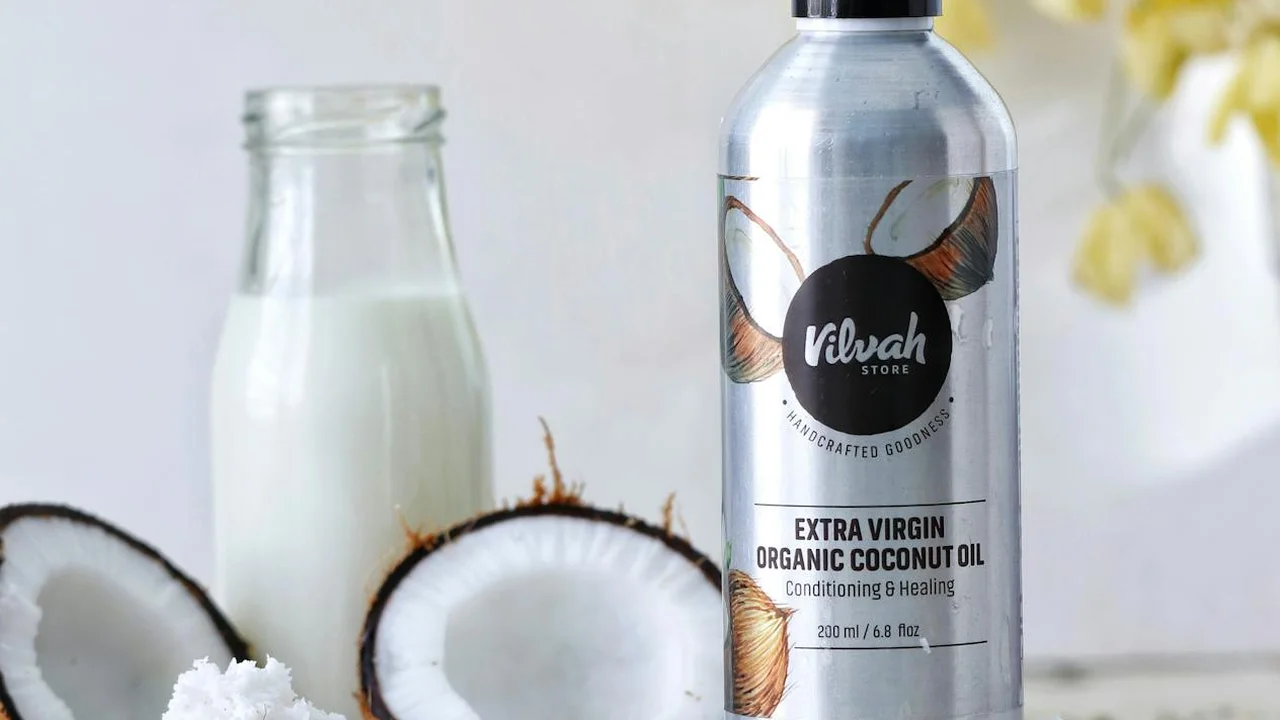
Think of solid coconut oil as your kitchen’s versatile botanical fat, ready to transform with a little warmth.
I keep a jar in my pantry for everything from sautéing to baking, and melting it properly preserves its gentle nature.
Method 1: The Stovetop Simmer (Most Control)
This is my trusted method for precision. I use a double boiler or a heatproof bowl set over a pot of simmering water.
The gentle steam heats the oil evenly, which stops it from scorching like it can on direct flame.
- Scoop the solid oil into your bowl.
- Heat the water until it simmers gently, never letting it boil.
- Stir the oil occasionally until it turns completely clear and liquid.
- Remove the bowl from the heat right away.
This gentle approach gives you full control, keeping the oil’s quality perfect for recipes.
Method 2: The Microwave Pulse (Quickest)
When I need oil fast, I use the microwave with great care. Short bursts are the only safe way.
Always choose a glass container. Plastic can warp and leach into your oil.
- Place the coconut oil in a microwave-safe glass bowl.
- Heat on high for just 10 to 15 seconds, then stop.
- Stir the oil thoroughly to distribute the heat.
- Repeat in short bursts, stirring every time, until fully melted.
Overheating here is the main risk, as it creates dangerous hot spots and ruins the oil’s texture.
Method 3: The Warm Water Bath (For a Full Jar)
To liquify a whole jar without opening it, I use a warm water bath. This is slow but very even.
Place the sealed jar in a bowl of hot tap water. Refresh the water as it cools until the oil inside turns completely liquid.
This method is perfect for melting a large amount uniformly, and it’s the same idea we use to keep coconut oil liquid in storage.
It’s a set-it-and-forget-it technique that prepares your oil for weeks of cooking.
Gentle Warming: How to Liquify Coconut Oil for Skin and Hair
For body care, melting coconut oil is a tactile ritual. We want warmth, not high heat, to protect your skin.
Let me share the gentle techniques I use for my own daily routines.
The Hands-On Approach (My Favorite for Small Amounts)
I love this for its simplicity. Scoop a small, marble-sized amount into your palm.
Your body heat will slowly melt the solid nugget into a smooth, silky oil. Feel it soften and warm in your hands.
At this stage, I sometimes add a drop of lavender oil from my shelf for a calming blend before a massage.
This direct contact lets you feel the perfect temperature for your skin, making it a truly personal experience.
The Personal Warm Water Bath (For Your Nightstand Jar)
I keep a small jar on my nightstand for evening care. Place the container in a cup of warm water for about a minute.
It gently takes the chill off, making the oil ideal for pre-bedtime foot rubs or hair treatments.
Unlike the cooking water bath, here we use water that’s only comfortably warm to the touch, never hot.
This method prepares the oil to be body-temperature ready, perfect for soothing rituals.
Blending for Body: A Quick Tip
To stop coconut oil from hardening on your skin, mix it with another liquid carrier oil. I often blend it with jojoba oil. If you’re curious about the best substitutes for coconut oil in cooking and skincare, here are some options.
The jojoba keeps the mixture fluid and adds its own moisturizing benefits, creating a luxurious body oil that stays smooth. It’s one of the best oils for face, hair, and scalp care.
This blend directly answers how to keep coconut oil from solidifying in your body care mixes, making application effortless. If you’re interested in learning how to extract coconut oil at home and use it in DIY body care recipes, this is a perfect addition to your collection.
Keeping It Flowing: Tips to Prevent Coconut Oil from Hardening

Once you’ve got your coconut oil perfectly liquid, keeping it that way saves time. I keep a small bottle right by my stovetop for this reason. Good storage methods help preserve freshness for coconut oil and olive oil. Using the right container and a cool, dark place can extend their shelf life.
A little planning in your storage routine means you always have soft, ready-to-use oil at your fingertips.
Storage is Everything
Find a happy, warm home for your jar. In my kitchen, that’s on a shelf above the refrigerator, away from drafty windows or air conditioning vents.
The steady, gentle heat from the appliance keeps the oil in a lovely, pourable state.
For oil I use daily, I transfer it to a glass bottle with a squeeze or pour spout. This keeps it convenient and minimizes temperature swings from repeatedly opening a large jar.
If you absolutely need an oil that won’t harden, fractionated coconut oil is an option. It’s processed to stay liquid, but it lacks the beautiful aroma and some nutrients of virgin oil.
What If It Solidifies in My Drain?
It happens to the best of us-a slick of oil hardens in the kitchen drain. Don’t panic.
Simply run hot tap water (not boiling) down the drain for a minute or two. The heat will gently melt the clog away, as coconut oil’s melting point is quite low.
Please skip the chemical drain cleaners. They are harsh on your pipes and the environment, and heat works just fine.
Safety First: How to Melt Coconut Oil Without Risks
Melting coconut oil is simple, but a mindful approach prevents mishaps. I treat it with the same care as any other oil on my apothecary shelf, especially when it comes to proper storage—be it in a cool, dry place or otherwise, as discussed in this guide to storing coconut oil.
This guidance is your go-to reference for handling heat and oil safely, whether for your body or your home.
Universal Safety Rules
Follow these core practices every single time.
- Never leave melting oil unattended on the stove or in a microwave. It can overheat quickly.
- Before applying melted oil to your skin, always test a drop on the inside of your wrist. It should feel warm, not hot.
- Use completely dry hands when handling glass jars, especially if you’ve just run them under warm water. Wet glass is slippery.
Coconut oil has a flash point similar to olive oil, around 350°F (177°C). This means it’s stable for normal cooking, but you should still avoid direct high flames or leaving it in a pan over high heat. For everyday cooking and baking, coconut oil shines in many recipes. Knowing its techniques can elevate your results.
When to Seek Professional Help
Listen to your body and your home. If something feels off, get expert advice.
If you or someone else consumes a very large amount of coconut oil and experiences stomach pain or discomfort, contact a doctor.
If your skin becomes red, itchy, or irritated after using coconut oil, stop using it and talk to a dermatologist. Even natural oils can cause reactions in some people. Especially when used for conditions like eczema, psoriasis, or dryness.
For a drain clog that just won’t budge with hot water, call a plumber. Trying forceful methods yourself can crack pipes.
Your Coconut Oil Melting Questions, Answered
Can I just melt the oil right in my cooking pan?
While you can, direct high heat can scorch the oil, altering its flavor and beneficial properties. For the best results, gentle indirect heat like a double boiler is your most reliable kitchen friend.
What’s the absolute quickest way to get a teaspoon soft for my skin?
Your own hands are the perfect tool. Scoop a small amount into your palm; your body heat will melt it into a silky, pre-warmed oil in seconds, ready for immediate application.
Does melting and solidifying it over and over ruin the oil?
No, gently cycling between solid and liquid states is perfectly fine and does not degrade its quality. The only real enemy is sustained, excessive heat from sources like a direct stove flame.
My house is always cool. How do I stop it from re-hardening?
Store your everyday bottle in a consistently warm spot, like near (not on) your appliance or in a sunny window. For a guaranteed liquid, blend it with a little liquid jojoba or almond oil for body care.
Can I use a hairdryer to melt a stuck jar?
I don’t recommend it, as the intense, uneven heat can crack the glass or overheat the oil in spots. A bowl of warm tap water is a much safer and more effective method for a stubborn jar.
From Solid to Sublime: A Final Word on Your Coconut Oil
The golden rule for working with coconut oil is simple: gentle warmth wins. Whether you’re preparing a nourishing body butter or a flavorful curry, melting it slowly preserves the very qualities that make it so valuable for your skin, hair, and home. It’s especially important to differentiate between coconut oil and coconut butter when using them in your recipes or skincare routines.
I always have a freshly liquefied jar in my own kitchen-apothecary, ready for the day’s needs. I invite you to explore more on the blog and trust your hands-start with a small batch, notice how it feels, and let your intuition guide you.
Deep Dive: Further Reading
- 3 Ways to Melt Coconut Oil – wikiHow
- The Best Ways To Liquefy Coconut Oil – Organic Fiji
- How to Melt Coconut Oil: A Simple Guide for Beginners – ECHEMI.com
- r/AskRedditFood on Reddit: Melting coconut oil
- How to Melt Coconut Oil: A Comprehensive Guide
- How to Melt Coconut Oil at Home?_Chemicalbook
Noemi Kamińska
Noemi is an accomplished wellness researcher, nutrition care guide and body care expert. She has years of experience in formulating various oil combinations for full body wellness including face, hair, body care, essential oils and cooking oils. She works as a bio-formulator working with oil chemistry and analyzing the best formulations when it comes to your needs. Feel free to reach out to get your oil needs sorted.