
Should You Choose Olive Oil or Coconut Oil for Cooking and Skincare?
I keep both olive oil and coconut oil in my kitchen and bathroom, and I use them for very different reasons. Let me share what I’ve learned from years of experience to help you make the best choice.
This guide will show you how to harness the distinct powers of olive oil and coconut oil for everything from sautéing vegetables to soothing dry skin.
- How to pick the right oil for high-heat cooking
- The best moisturizing properties for your skin type
- Easy hair care treatments you can make tonight
- My favorite ways to blend them for home wellness
Olive Oil and Coconut Oil: A Botanical Breakdown
Olive oil begins with the gentle press of ripe olives, releasing a juice that’s grassy, peppery, and faintly fruity. Coconut oil comes from steaming or pressing the white meat of the coconut, which always makes me think of a warm, tropical breeze.
At their core, these oils are built from different fats. Olive oil is rich in monounsaturated fats, which keep it liquid at room temperature with a smooth, flowing viscosity. Coconut oil is packed with saturated fats, which make it solid and creamy below about 76°F. Sniff them side by side; olive oil often has a green, herbal scent, while coconut oil smells sweet and nutty.
Choosing between them isn’t about finding a single winner. Your goal-whether it’s for heart wellness, skin hydration, or cooking-determines which oil is your best ally.
| Type | Key Characteristics |
|---|---|
| Extra Virgin Olive Oil | Unrefined, robust flavor, highest level of polyphenols |
| Light Olive Oil | Refined, very mild flavor, higher smoke point |
| Virgin Coconut Oil | Unrefined, distinct coconut aroma, solid at cool temperatures |
| Refined Coconut Oil | Neutral scent, highest smoke point, versatile for heat |
Olive Oil: The Mediterranean Gold
I value my bottle of extra virgin olive oil for its polyphenols. These natural compounds are why the oil tastes peppery and are linked with general antioxidant support in the body. Polyphenol content varies across olive oil types—extra virgin, virgin, and refined—affecting both flavor and health benefits. Understanding these differences helps me choose the best oil for cooking and finishing.
On skin, it feels rich and luxurious. Olive oil absorbs slowly, making it a superb overnight treatment for very dry patches on elbows or feet. I use it straight from my shelf for a simple cuticle rub.
That richness comes with a trade-off for heat. Its relatively low smoke point means it can burn and turn bitter if you try to fry with it over high flames.
Coconut Oil: The Tropical Solid
The fun thing about coconut oil is its texture. In a cool kitchen, it’s a solid white cream. Fractionated version stays liquid, but regular coconut oil melts instantly on warm skin, which feels like magic.
It contains lauric acid, a fatty acid often associated with supporting balanced skin and adding softness to hair. Many people find coconut oil absorbs faster than olive oil, leaving a lighter, non-greasy feel. It’s worth understanding the pH and alkalinity properties of both oils while choosing one for skin and hair care.
For a quick hair mask, I melt a teaspoon in my palms and work it through my ends before washing. It rinses out cleanly, leaving hair silky.
The Kitchen Test: Cooking with Olive Oil vs Coconut Oil
Heat is the great divider in the kitchen. For high-heat frying, refined coconut oil is generally more stable. For gentle sautéing or finishing, a good olive oil shines.
Here’s my simple rule: match the oil’s smoke point to your pan’s temperature. Refined coconut oil smokes around 450°F, while extra virgin olive oil may start around 375°F. Light olive oil sits in the middle.
For baking, coconut oil can replace butter cup for cup. For a fruity note in muffins, try a mild light olive oil. Never let your extra virgin olive oil smoke in the pan; it ruins the flavor and its good compounds.
For the Frying Pan and Sauté
Refined coconut oil handles the sustained high heat of deep frying best because of its saturated fat structure. It won’t break down as quickly.
You can still pan-fry with olive oil successfully by keeping the heat at a steady medium. I preheat my pan first, then add the oil, and listen for a gentle sizzle, not a roar. Olive oil is a good choice for frying fries, with a favorable flavor and a smoke point that suits mid-heat frying. Used in moderation, it aligns with health-conscious cooking.
For the Baking Rack
In baking, solid coconut oil creates a texture similar to butter—think crisp edges on cookies and tender crumbs in cakes. You must melt it first if your recipe calls for liquid fat.
A light olive oil works beautifully in moist baked goods like lemon cake or zucchini bread. I avoid strong extra virgin olive oil in sweet, delicate pastries where its flavor can overpower. Used thoughtfully, extra virgin olive oil can elevate both baking and everyday cooking. Its bright, fruity notes pair beautifully with citrus, herbs, and vegetables when used in moderation.
Want to taste the difference? Try a test batch. Make your favorite sugar cookie dough, split it, and bake one half with melted coconut oil and the other with mild olive oil. You’ll see how coconut oil makes them crisper, while olive oil keeps them softer and cake-like.
Skin Deep: Choosing the Right Oil for Your Skin
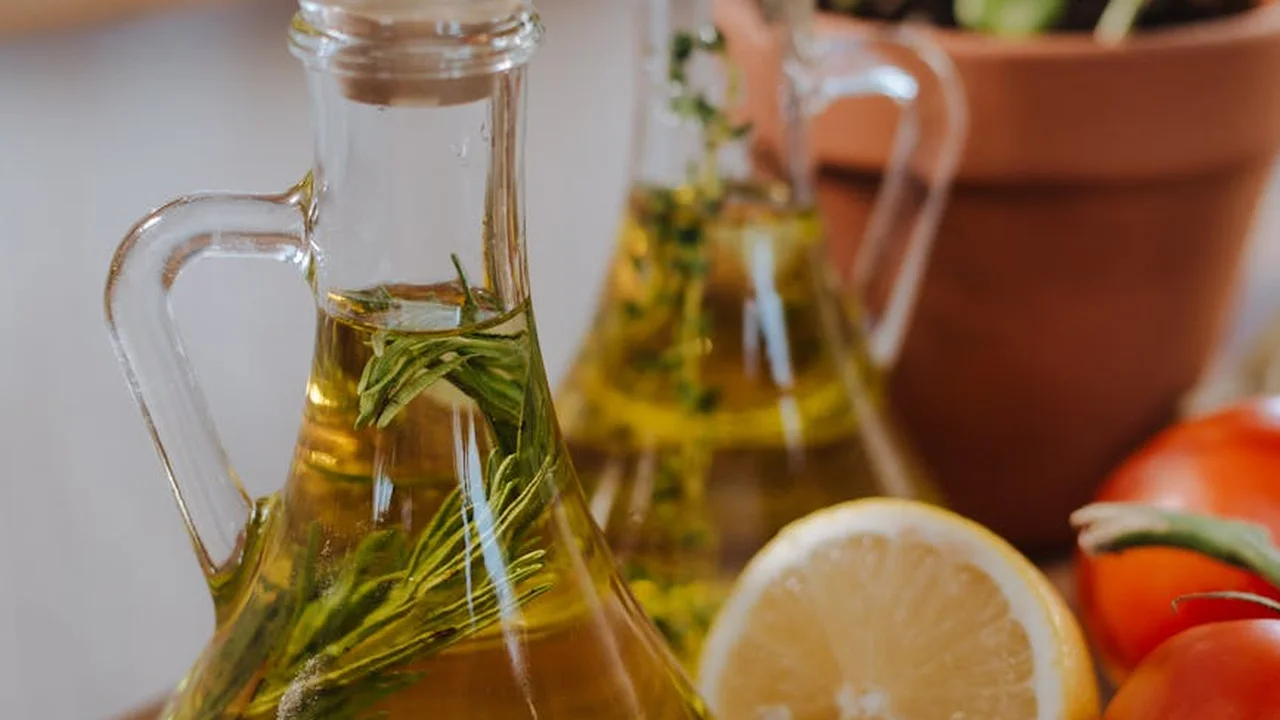
Which oil is better for your skin? The truth is, your skin type decides the winner.
Coconut oil and olive oil moisturize in different ways. Coconut oil is an occlusive, meaning it sits on top of your skin to create a protective, waxy barrier that locks moisture in. Olive oil is more of an emollient; it sinks in a bit to soften and smooth the surface between skin cells.
Think of coconut oil like a raincoat for very dry, non-acne-prone skin. Olive oil acts more like a nourishing drink for drier, mature, or delicate complexions needing gentle care.
Always do a patch test on your inner arm before using any oil on your face. I often dilute a few drops of olive oil into a lighter oil like jojoba from my shelf for facial serums.
For Dry and Mature Skin
Olive oil is a gentle champion here. Its antioxidants are soothing.
After cleansing, press a few drops of extra virgin olive oil between your palms and gently pat it onto slightly damp skin as a rich nightly serum. It’s also perfect for a ragged cuticle treatment-just massage a drop into each nail bed.
For rough elbows or heels, mix a tablespoon of olive oil with two tablespoons of honey. Gently massage this sweet scrub onto damp skin, then rinse. Your skin will feel incredibly soft.
For Sensitive or Acne-Prone Skin
Please be cautious with coconut oil here. It is comedogenic for many people, which means it can clog pores and lead to breakouts.
If you want to test coconut oil, try fractionated coconut oil first-it’s a liquid that stays clear and is less likely to clog. Use a tiny, dime-sized amount on a cotton pad as a makeup remover test on a small area of your face for a week.
Hair Health: Nourishing Locks with Olive or Coconut Oil
The better oil for your hair depends on its porosity-how easily it absorbs moisture. Picture your hair strand like a sponge.
High-porosity, damaged, or protein-rich hair has gaps like a holey sponge. Coconut oil’s small molecules can penetrate deep into these gaps to prevent protein loss and add strength from within. Olive oil’s larger molecules are fantastic for coating and sealing the outer surface, smoothing dry ends and adding shine.
Start with a small amount, about a teaspoon for medium-length hair. Too much can be difficult to wash out and leave hair looking greasy. To remove a heavy treatment, apply your conditioner to dry, oily hair first, emulsify it with water, then rinse and shampoo as usual.
The Pre-Wash Penetrating Treatment
This uses coconut oil to get inside the hair shaft before cleansing.
Take about a teaspoon of solid coconut oil and melt it in your palms. Apply this mainly to the damp ends and midsections of your hair, avoiding the scalp. Wrap your hair in a loose bun and leave it for 20 minutes to an hour. Then, shampoo and condition normally.
The Overnight Sealing Mask
This uses olive oil to lock in moisture and pamper parched ends.
Mix a tablespoon of olive oil with a single drop of your favorite calming essential oil, like lavender. Massage this blend into your dry ends and any frizzy areas. Twist your hair up, cover it with an old towel or a shower cap, and sleep on it. Wash it out in the morning for impossibly soft hair.
Beyond the Body: Wellness Rituals with These Oils
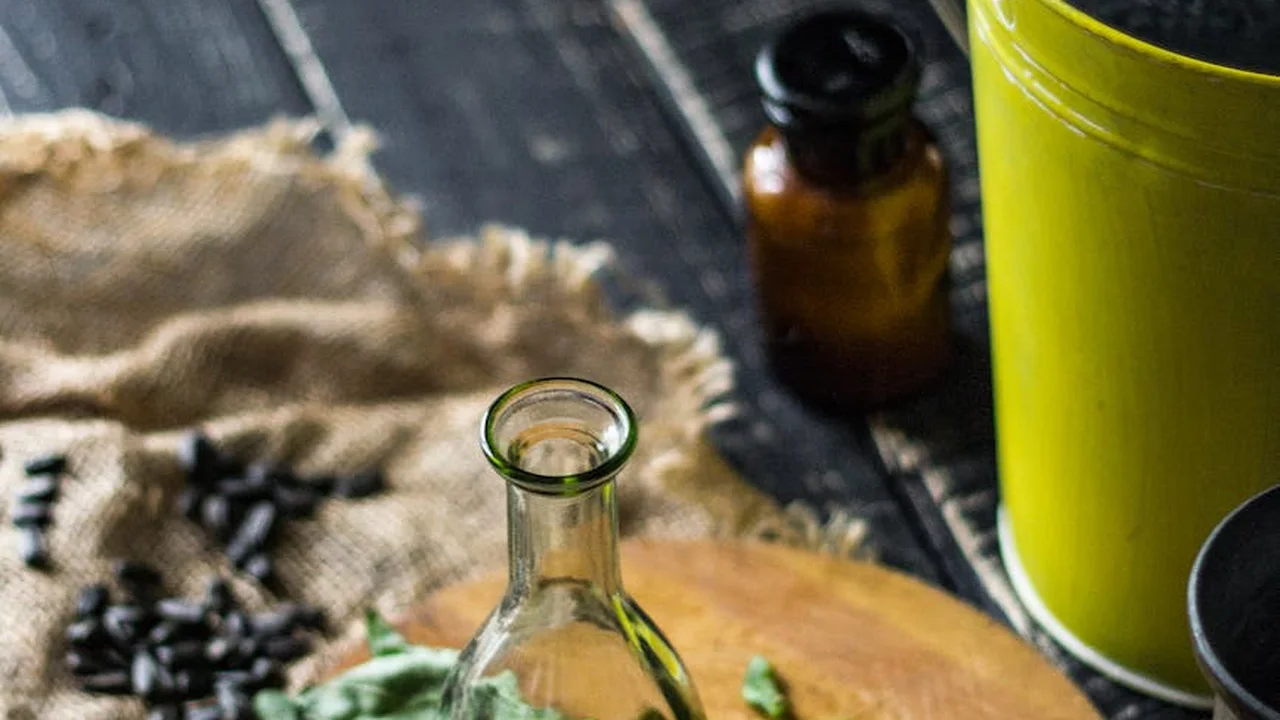
These kitchen heroes extend their talents into simple, holistic practices. They can become part of gentle routines that support your overall wellbeing.
For centuries, people have used oils in their self care. I keep a jar of coconut oil in my bathroom cabinet specifically for this reason.
The Oil Pulling Practice
This ancient practice involves swishing oil in your mouth. The idea is to help pull bacteria and promote oral hygiene.
Coconut oil is my personal favorite for this, as its mild, slightly sweet flavor is much more pleasant than stronger tasting oils.
- Scoop about a teaspoon of solid, virgin coconut oil into your mouth.
- Let it melt from your body heat. It will become a liquid.
- Swish it gently through your teeth for 10 to 20 minutes. Do not gargle or swallow it.
- Spit the oil into a trash can, not your sink, as it can solidify and clog pipes.
- Rinse your mouth well with water and brush your teeth as usual.
You can use a mild olive oil for pulling too. Just know its grassy, peppery taste is more pronounced, which some find challenging.
A Note on Ear Care
A single, tiny drop of warmed olive oil can sometimes help soften stubborn earwax. You must consult a doctor before trying this, and never put anything deep into your ear canal. This is for external, gentle assistance only under professional guidance.
A Soothing Chest Rub
For a stuffy night, you can make a comforting chest rub. I make this for my family when the seasons change.
Take a tablespoon of solid coconut oil and mix in 2 or 3 drops of eucalyptus essential oil. Rub a small amount onto your chest and throat. The warmth of your skin melts the oil, and the eucalyptus aroma helps clear breathing. Always do a patch test first with any essential oil.
Around the Home: Surprising Household Uses
When you see these oils as versatile plant extracts, their uses multiply. They can replace several synthetic products in your home.
Each oil has its specialty: think of olive oil for organic materials like wood, and coconut oil for tougher jobs on metal or sticky messes.
For Your Wooden Spoons and Cutting Boards
Olive oil can condition wood, but I avoid it for kitchen items. It can turn rancid over time and leave a stale smell.
For a safe, food-grade finish, I make a simple spoon butter. Gently melt one part beeswax with four parts food-grade mineral oil. Let it cool in a jar. This creates a protective balm that keeps your wooden tools from drying and cracking.
For Your Leather and Metal
Coconut oil is fantastic for leather care. Use a tiny, almost invisible amount on a soft cloth. Buff it into leather boots, bags, or belts. It moisturizes and gives a soft shine. Always test on a small, hidden spot first.
For cast iron pans, coconut oil is a superb seasoning agent because of its high smoke point and stability.
- Warm your clean, dry pan slightly.
- Apply the thinnest possible layer of coconut oil with a paper towel.
- Place the pan upside down in a 450°F oven for one hour.
- Let it cool in the oven. This builds a natural, non-stick surface.
Natural Furniture Polish
Mix a quarter cup of olive oil with the juice of half a lemon. Shake it well in a spray bottle. Mist it onto wood furniture and buff with a clean cloth. The oil nourishes the wood while the lemon juice helps cut dust and grime.
For Sticky Situations and Paws
Coconut oil dissolves sticky glue from labels and price tags. Rub a little onto the residue, let it sit for a minute, then wipe it away.
It also makes a gentle paw balm for pets. Mix coconut oil with a bit of beeswax to make it more protective. Massage a small amount into dry or cracked paw pads, wiping off any excess so they don’t slip. Check with your vet if you have any concerns.
Your Botanical Toolkit: Materials and Safety Tips
To work confidently with these oils, you only need a few key items on your shelf.
- Extra virgin olive oil. Look for a dark glass bottle and a harvest date for the best quality.
- Virgin coconut oil. The unrefined kind with a tropical scent is my go-to for body care.
- Small glass jars with lids. These are perfect for mixing a weekend’s worth of body oil or a scalp treatment.
- A dedicated double boiler. I keep one small pot just for gently melting coconut oil. It keeps things clean and controlled.
A little care makes all the difference in your results.
- Store your oils in a cool, dark cupboard, not on a sunny counter. Light and heat are their biggest enemies.
- Get familiar with the smell test. Your nose is the best tool to catch rancidity before you use it.
- Always do a patch test on your inner arm before trying a new oil on your skin or hair. Wait 24 hours to check for any reaction.
- In the kitchen, handle hot oil with respect. Never leave it unattended on the stove, and beware of splatters.
The “best” oil is simply the one that works for your specific task and how your unique body responds. I encourage you to play, mix, and take notes on what feels right for you.
Spotting a Gone-Bad Oil
Even the best oils don’t last forever. A quick smell check tells you everything. Fresh extra virgin olive oil should smell grassy, peppery, or like green tomatoes. When it turns, that bright smell fades and is replaced by a waxy odor, like a box of old crayons. Good coconut oil smells sweet and nutty. Rancid coconut oil loses that warmth and smells sour, almost like stale soap.
Essential Storage Notes
These small habits keep your oils fresh for longer. Coconut oil is a champion at absorbing other aromas. Always screw the lid on tightly to keep your coconut oil from smelling like last night’s garlic bread. For olive oil, find a spot far from your oven or stove top. The consistent heat from cooking will speed up spoilage faster than you think.
Your Quick Questions, Answered
Can I substitute olive oil for coconut oil 1:1 in baking recipes?
For muffins and cakes, you often can, but expect a softer, moister crumb and a fruity note from olive oil. For cookies, coconut oil’s solid fat creates crispness, so a direct swap will change the texture.
Is coconut oil or olive oil better for oily or acne-prone skin?
Olive oil is generally the safer first choice, as coconut oil is highly comedogenic and can clog pores for many. Always patch-test and use a very small amount of either oil if you have this skin type.
Which oil is better for high-heat cooking like stir-frying?
Refined coconut oil wins for very high heat due to its higher smoke point. For medium-heat sautéing, a light olive oil is excellent, but save your extra virgin for drizzling.
Can I mix olive oil and coconut oil together?
Absolutely! Blending them can balance properties-like coconut’s fast absorption with olive’s rich emollience. Gently melt equal parts for a custom body or hair oil.
What’s the biggest mistake people make when using these oils?
Using extra virgin olive oil for high-heat frying, which burns its delicate compounds. For safe frying with olive oil, see our complete guide on using extra virgin olive oil for deep frying. It covers smoke points, temperature control, and best practices for a crisp, safe fry. The other is not patch-testing a new oil on skin, which is essential for safety.
Final Thoughts: Blending Kitchen Wisdom with Apothecary Care
The most valuable lesson is that neither oil reigns supreme. Your best choice depends entirely on the task at hand, guided by the properties you need most. Embrace olive oil for its silky, skin-loving depth and coconut oil for its protective, creamy richness.
I hope this guide helps you feel more confident on your own oil journey. Trust what you learn here, then trust yourself as you experiment with the bottles on your own kitchen and bathroom shelves.
Noemi Kamińska
Noemi is an accomplished wellness researcher, nutrition care guide and body care expert. She has years of experience in formulating various oil combinations for full body wellness including face, hair, body care, essential oils and cooking oils. She works as a bio-formulator working with oil chemistry and analyzing the best formulations when it comes to your needs. Feel free to reach out to get your oil needs sorted.