What Do Fatty Acids in Carrier Oils Really Do for Your Skin?
If you’ve ever felt overwhelmed by the choices in carrier oils, I’ve been there too. Once I learned how fatty acids work, selecting the perfect oil for my skin became second nature.
In this article, I’ll show you how the fatty acid makeup of an oil directly determines its benefits for your skin.
- The three key fatty acid families and what each one does
- How to match oil chemistry to your skin type, from dry to oily
- My favorite carrier oils from my apothecary shelf for different needs
- A simple way to think about viscosity and absorption
Key Takeaways: Your Quick Guide to Oil Chemistry
Before we get into the science, let’s look at the simple truths I’ve learned from my own apothecary shelf.
- An oil’s fatty acid profile is its recipe, dictating how it feels and what it does for your skin.
- Fatty acids are the individual ingredients in that recipe, like the flour, sugar, and butter in a cookie.
- Saturated fats often feel protective and rich, monounsaturated fats are the silky, balancing workhorses, and polyunsaturated fats are the lightweight, nourishing healers.
- This isn’t just chemistry. It’s the key to choosing an oil that your specific skin type will love.
What Exactly Is a Carrier Oil? (And How It’s Different from an Essential Oil)
I think of my carrier oils as the calm, steady friends in my collection. They are the fatty, plant-pressed oils from seeds, nuts, or kernels that safely “carry” potent essential oils onto your skin.
They are fundamentally different from essential oils, which are the volatile, aromatic essence of a plant. A carrier oil like sweet almond feels like a silky slip on your skin. It has a mild, nutty scent at most. An essential oil like peppermint delivers a sharp, cooling punch of aroma and sensation because it evaporates into the air quickly.
Here is the most important rule on my shelf: you must always dilute an essential oil in a carrier oil before applying it to your skin. This prevents irritation and allows your skin to absorb the benefits slowly and safely. Knowing the proper dilution ratios is key.
The Molecular Basics: Triglycerides and Fatty Acids
Let’s break this down without a textbook. Every drop of your carrier oil is mostly made of something called triglycerides.
Picture a triglyceride as a tiny, three-pronged charm bracelet. Each charm on that bracelet is a single fatty acid molecule. So, one little triglyceride package holds three fatty acids.
These fatty acids are simply chains of carbon atoms linked together, and the structure of that chain determines everything. Is the chain straight and rigid? Is it bent and flexible? The answers define whether an oil is saturated, monounsaturated, or polyunsaturated, and how it will behave in your hands.
The Fatty Acid Family: Meet Saturated, Monounsaturated, and Polyunsaturated

Think of fatty acids as the main characters in every carrier oil’s story, each with a distinct role in how it feels and functions on your skin.
Saturated fats are the solid, steady guardians. You can feel their stability-picture coconut oil firming up in cool weather.
Monounsaturated fats are the smooth, balancing negotiators. They flow easily and soak in without fuss.
Polyunsaturated fats are the lively, reactive healers. They are fluid and quick but need careful handling, much like a delicate botanical infusion.
How Saturated Fatty Acids Benefit the Skin
Saturated fats, such as lauric acid, work by laying down a protective, occlusive barrier right on top of your skin.
This makes them exceptional for moisturizing severely dry, cracked skin or soothing irritated conditions like eczema.
Their chemical structure is very stable, which typically grants them a longer shelf life than other oils.
This is why I reach for solid shea butter for my winter heel balm-it creates a lasting, protective shield that cracks simply can’t penetrate.
What Skin Benefits Are Tied to Monounsaturated Fatty Acids?
Monounsaturated fatty acids, like oleic acid, are excellent emollients that sink into the skin beautifully.
They deliver deep softening and nourishment, though they can feel richer on the skin, making them ideal for normal to dry complexions.
These fats are gentle supporters, helping to replenish and maintain your skin’s own natural lipid barrier for better resilience.
How Polyunsaturated Fatty Acids (Like Linoleic Acid) Affect the Skin
Polyunsaturated fats are light, fast-absorbing, and crucial for cellular repair and communication in the skin.
Linoleic acid is specifically known for supporting a strong, healthy skin barrier and calming inflammation. Oils rich in linoleic acid can further support skin resilience and overall health. A quick guide on which oils are rich in linoleic acid and how they help improve the skin barrier will be shared in the next steps.
For oily or acne-prone skin, oils high in these fats can be transformative, as they are light enough to help balance sebum production without clogging.
Their reactive nature is a double-edged sword: they oxidize faster, so their shelf life is noticeably shorter.
Why Fatty Acid Profile Is Your Guide to Choosing the Right Oil
The fatty acid profile of an oil isn’t just chemistry—it’s a practical map that predicts how that oil will interact with your skin. Understanding the role of fatty acids in skin barrier function helps skincare enthusiasts see the science behind the oil’s effects. In a concise scientific breakdown, these profiles reveal which oils support barrier repair and which may disrupt it.
A simple rule to remember is that oils high in linoleic acid (polyunsaturated) are often non-comedogenic, while oils very high in oleic acid (monounsaturated) might feel heavier and be better suited for dry body areas. In everyday cooking, oils like sunflower, soybean, corn, and safflower vary in linoleic acid content, showing how this trait translates from skincare to the kitchen. Understanding these differences can guide your choices for skin-friendly and culinary uses.
How the Comedogenic Rating Relates to Fatty Acids
The comedogenic rating for skincare oils is a measure of how likely an oil is to clog your pores, usually on a scale from 0 to 5. This matters when evaluating cosmetic oil ingredients for skincare, helping you choose products less prone to breakouts.
You can make a smart guess based on the dominant fatty acid:
- High Linoleic Acid: Often has a low rating (0-2). Think grapeseed or safflower oil.
- High Oleic Acid: May have a moderate rating (2-3). Sweet almond or olive oil fit here.
- High Saturated Fats: Can have a higher rating (3-5), like coconut oil, which is superb for body but used cautiously on the face.
Your skin is unique, so I always advise a patch test behind your ear or on your inner arm before committing to a new oil.
The Shelf Life Connection: Stability vs. Fatty Acid Content
An oil’s shelf life is directly tied to its fatty acid content. More saturated fats mean a slower, more stable oil.
High polyunsaturated oils, like rosehip seed or evening primrose, go rancid much quicker because they react easily with oxygen and light.
My practical tip is to store these delicate, linoleic-rich oils in the refrigerator. It dramatically extends their life and preserves their benefits.
You can tell an oil has oxidized if its smell turns sharp or “off,” its color darkens, or its texture becomes unusually sticky.
A Closer Look at the Star Fatty Acids and Their Carrier Oils
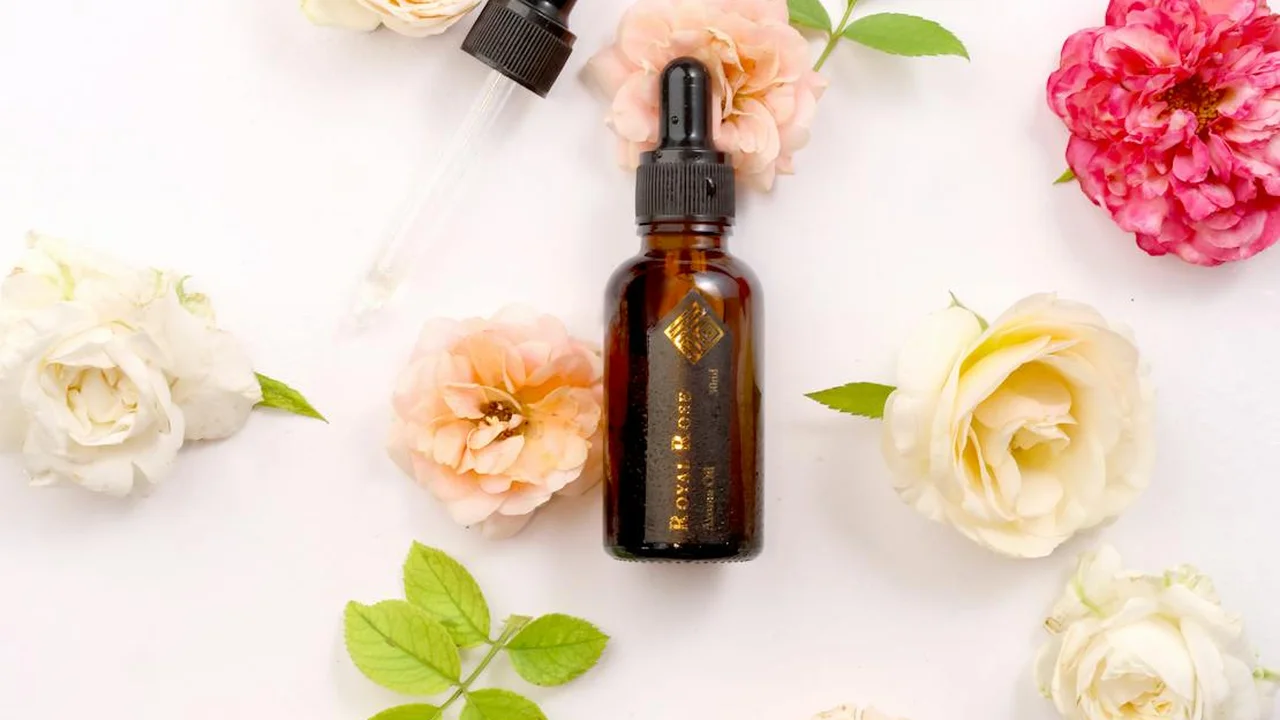
Let’s meet the main characters. Knowing these fatty acids turns you from a casual user into an informed formulator. You can predict how an oil will feel and function just by knowing its main fatty acid profile.
What Is Oleic Acid? Oils High in Oleic Acid
Oleic acid is a monounsaturated fat. In my hands, it feels rich, slow-moving, and deeply penetrating. Think of it like a nourishing, steady rain that soaks into the earth rather than running off the surface.
You’ll find oleic acid dominating oils like:
- Sweet Almond Oil
- Olive Oil (the kind from my kitchen shelf)
- Avocado Oil
I reach for high-oleic oils when skin feels parched, looks mature, or simply needs a comforting, lingering hug. They create that beloved “slip” perfect for massage blends, cuticle treatments, or a night-time facial oil for very dry complexions.
What Is Linoleic Acid? Oils High in Linoleic Acid
Linoleic acid is a light, polyunsaturated fat. It’s absolutely crucial for a happy skin barrier. If your skin barrier is like a brick wall, linoleic acid is part of the mortar that holds it together tightly. You can find this essential fatty acid in linoleic acid-rich oils that are especially beneficial for acne-prone skin.
Lightweight oils high in linoleic acid include:
- Grapeseed Oil
- Sunflower Oil (look for the high-linoleic type)
- Safflower Oil (high-linoleic)
This is my go-to fatty acid family for oily, acne-prone, or sensitized skin that balks at heavier textures. It absorbs quickly with almost no greasy residue, making it a star in facial serums and light body oils.
What Is Linolenic Acid? Oils High in Linolenic Acid
Linolenic acid, specifically alpha-linolenic acid (ALA), is an omega-3 polyunsaturated fat. It’s a powerful restorative and deeply anti-inflammatory agent. I think of it as a skilled healer, working to calm and repair from within.
Oils celebrated for their linolenic acid content are:
- Rosehip Seed Oil (a staple in my apothecary)
- Chia Seed Oil
- Flaxseed Oil (note: this one is best for dietary use, as it spoils very quickly on the skin)
Use these restorative oils to support scar healing, tackle fine lines, or soothe complexions reddened by irritation or dryness. They are potent, so a little often goes a long way blended with another carrier.
Practical Blending: Using Carrier Oil Chemistry in Your Routines
Now, let’s move from the textbook to the workbench. This is where the chemistry becomes craft. Remember, your carrier oil is the quiet, nourishing foundation that makes using powerful essential oils both safe and effective.
Formulating for Aromatherapy and Skincare
Creating a blend is simple. Always start with your chosen carrier oil. This is your base. The carrier oil’s texture decides the final feel of your product. A grapeseed base will vanish, while an avocado base will leave a protective veil.
Here’s my basic method:
- Pour your chosen carrier oil into a clean, dark glass bottle.
- Add your essential oil drops. A safe general dilution for body oils is about 12 drops per ounce of carrier.
- Cap the bottle and roll it gently between your palms to mix.
Try a calming evening body oil: use light, high-linoleic safflower oil as your base, then add drops of lavender and cedarwood essential oils. It will absorb quickly while the soothing scents prepare you for rest.
Common Carrier Oils and Their Primary Fatty Acid Components
| Carrier Oil | Dominant Fatty Acid Type | Good For Skin Type | Sensory & Practical Note |
|---|---|---|---|
| Jojoba | Wax Esters (mimics sebum) | All, especially oily or balanced | Light, stable, and non-greasy. It’s a liquid wax. |
| Argan | Oleic Acid | Dry, mature, hair | Rich and absorbent. A precious multitasker. |
| Coconut (Fractionated) | Saturated Caprylic/Capric | All, massage, hair | Feather-light, odorless, and never solidifies. |
| Apricot Kernel | Oleic Acid | Dry, sensitive, all | Lightly emollient with a silky, luxurious touch. |
| Evening Primrose | Gamma-Linolenic Acid (GLA) | Mature, irritated, hormonal | A potent, pricey oil for targeted repair. Blend it. |
Blending Alternatives for Specific Skin Needs
You are not limited to one oil. Blending lets you create a custom texture and benefit profile. For combination skin, mix a high-linoleic oil (like grapeseed) with a bit of a more emollient oil (like apricot kernel). This balances moisture without clogging.
For a deeply reparative facial serum, I might blend rosehip seed oil (high in linolenic) with jojoba for stability and spreadability. Listen to what your skin needs each season. Experiment with small batches. Always respect an oil’s shelf life-keep those polyunsaturated-rich oils in the fridge to prevent them from turning rancid. Consider weaving rosehip oil with other botanical face oils into your daily skincare routine. It’s a simple way to tailor your regimen to your skin’s changing needs.
Your Questions, Answered
How do I choose a carrier oil based on fatty acids?
Match the dominant fatty acid to your skin concern: high linoleic for oily or acne-prone skin, high oleic for dryness, and high saturated for protective care. This ensures the oil’s chemistry works with, not against, your skin’s natural balance.
What does comedogenic rating mean for my skin type?
It indicates how likely an oil is to clog pores, with ratings often tied to fatty acids-high linoleic oils are usually low-risk. Consider this a helpful guide, but always trust a patch test on your own skin for final confirmation.
Why do some carrier oils spoil faster than others?
Oils high in polyunsaturated fats oxidize quickly due to their reactive chemical structure. Preserve them by storing in dark glass bottles away from heat and light, or even refrigerating delicate oils like rosehip seed.
Can carrier oils be used for purposes other than skincare?
Yes, their benefits extend to hair conditioning, scalp treatments, and creating soothing massage blends. The same fatty acids that nourish skin also help strengthen hair and enhance wellness rituals.
What’s a simple way to start blending carrier oils?
Combine a light, fast-absorbing oil (like grapeseed) with a richer one (like sweet almond) for a custom texture. This lets you tailor fatty acid benefits to your skin’s daily needs without complexity.
Your Skin’s Fatty Acid Foundation
From my shelf to yours, the most reliable step is to select a carrier oil based on its dominant fatty acid for your specific skin need. This simple matching act turns a basic moisturizer into a targeted treatment that respects your skin’s natural chemistry. That naturally leads to questions like which carrier oils are best for diluting essential oils on the skin. Understanding that pairing helps keep formulations gentle and effective.
I welcome you to follow along here at Botanical Oils for more trusted guidance on using oils for body, skin, hair, wellness, and home. As you experiment, trust both the knowledge shared and your own observations; your personal experience is the most valuable tool in your apothecary, especially when learning how to use specific oils and perform oil cleansing for skin and hair.
Noemi Kamińska
Noemi is an accomplished wellness researcher, nutrition care guide and body care expert. She has years of experience in formulating various oil combinations for full body wellness including face, hair, body care, essential oils and cooking oils. She works as a bio-formulator working with oil chemistry and analyzing the best formulations when it comes to your needs. Feel free to reach out to get your oil needs sorted.