What’s the Real Story Behind Castor Oil’s Centuries of Use?
You might reach for castor oil without a second thought, but its past is anything but simple. I keep a vintage bottle on my shelf as a reminder that this oil has soothed and supported people long before modern wellness trends.
By the end of this read, you’ll see exactly how castor oil earned its enduring place in home and health.
- Castor oil’s origins in ancient Egypt and traditional Ayurveda
- Its journey through medieval apothecaries and global trade
- The pivotal shift into 20th-century medicine and industry
- Why it’s having a major comeback in today’s natural routines
Where Do Castor Beans and Their Oil Originate?
The story starts with a striking tropical plant, Ricinus communis.
It’s native to Eastern Africa and parts of the Mediterranean basin.
From there, its useful seeds traveled along ancient trade routes to India, China, and eventually across the globe.
You can find evidence of its early use in an Egyptian tomb from 4000 BC, where preserved castor beans were left as an offering.
The famous Ebers Papyrus, an Egyptian medical text from 1550 BC, lists castor oil as a cure for stomach upset and a base for perfumed ointments.
People discovered long ago that pressing the beans released a thick, pale oil perfect for fueling simple lamps and mixing into unguents.
This simple act of cold pressing unlocked a resource that would become a constant in medicine cabinets for millennia.
The Castor Bean: A Plant of Contradictions
This plant holds a fascinating duality.
The raw bean contains ricin, a potent toxin, but the commercial cold-pressing process safely isolates the beneficial oil.
The ricin protein does not transfer into the pure, filtered oil you buy today, making it safe for topical and careful internal use.
In my garden, I’ve grown ornamental castor plants-they’re fast and tall, with big, star-shaped leaves that remind me of a tropical maple.
They can shoot up like a sunflower, making them a dramatic backdrop in any herbalist’s plot.
How Was Castor Oil Used in Ancient and Traditional Healing?
Ancient healers valued this oil for its powerful, predictable actions.
In Egypt, its mild, earthy scent was blended with more fragrant myrrh or frankincense to create perfumes and skin salves.
Ayurvedic practice, dating back thousands of years, prescribed castor oil for virechana, a controlled purgative therapy to cleanse the body.
Practitioners respected its strong clearing action, using it to balance the Pitta and Kapha doshas.
The Greeks, like the physician Dioscorides, noted its ability to soothe digestive complaints and used it as a remedy for skin irritations and wounds.
I often think of these historical uses when I feel the oil’s unique, dense texture between my fingers-it’s a substance that clearly meant business to the ancients.
Beyond Medicine: Castor Oil in Daily Ancient Life
Its utility stretched far beyond the medicine jar.
This oil was a versatile staple, much like how we use olive oil in our kitchens and homes now.
- It conditioned and waterproofed leather goods.
- It preserved wood and protected metal tools from rust.
- It served as a key ingredient in early soap-making formulas.
- It lubricated the moving parts of simple machinery.
This history of multi-purpose use highlights why castor oil earned its lasting place in homes worldwide. From ancient remedies to modern hair-care trends, its influence endures.
It was never just a remedy; it was a practical tool for maintaining daily life.
What Is the History of the Castor Oil Pack?
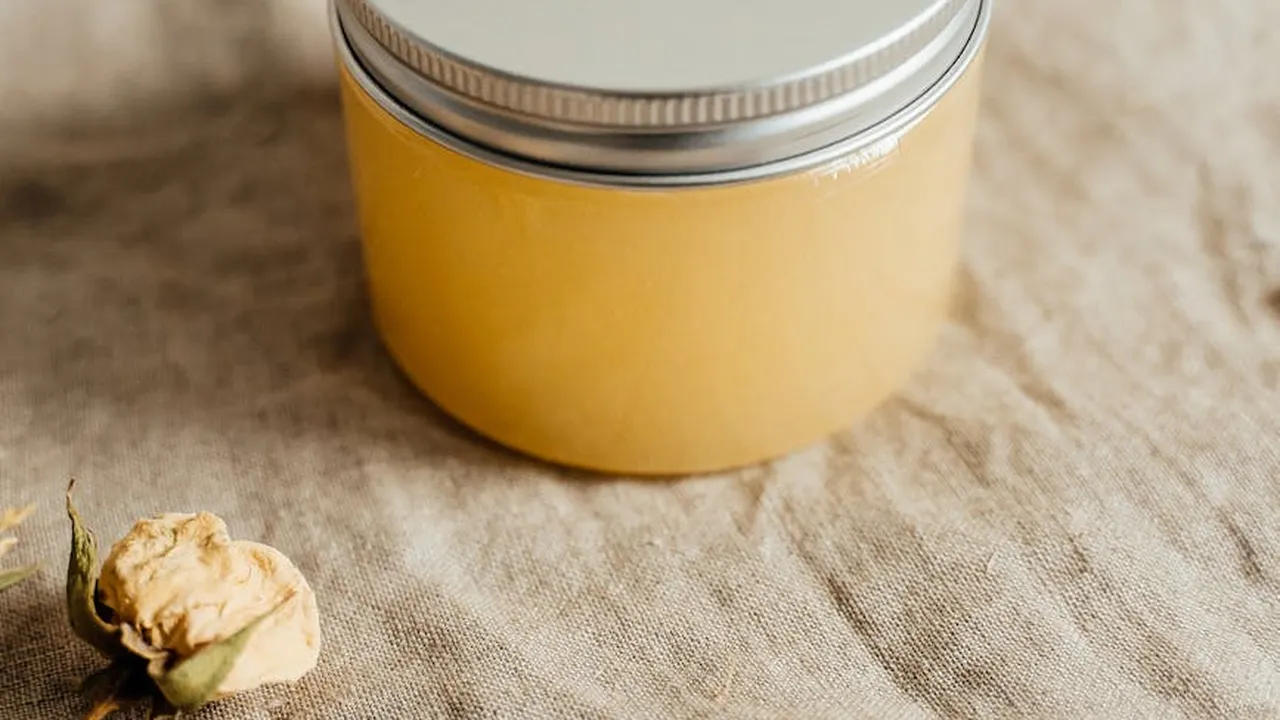
When people search for the history of castor oil packs, they are often looking for reassurance. They want to know this deeply comforting practice is grounded in more than just a trend.
Its roots are in ancient folk medicine across the Americas, Egypt, and India. People would soak cloth in the thick oil and apply it with warmth to soothe muscles and support circulation.
The practice entered modern Western awareness largely through the work of Edgar Cayce in the early 20th century. He frequently recommended castor oil packs for supporting the body’s natural detoxification pathways and easing digestive discomfort.
The core idea has always been simple: use the oil’s unique properties, combined with gentle heat, to encourage local comfort and flow. On my own shelf, a bottle of castor oil sits right next to my wool flannel, a testament to this enduring tradition.
Tools Needed for a Traditional Castor Oil Pack
Gathering the right materials makes the practice effective and mess-free. Here is what you need:
- Cold-Pressed Castor Oil: This is the key. The cold-pressing method preserves the oil’s beneficial compounds.
- Unbleached Wool Flannel: This is my preferred fabric. Its dense, soft weave holds the oil well and retains gentle heat beautifully.
- Plastic Wrap or a Cotton Towel: This layer goes over the soaked flannel to protect your bedding or clothing.
- A Hot Water Bottle or Heating Pad: The warmth is not just for comfort. It helps the oil absorb and can soothe the underlying area.
- Old Towels and Old Sheets: Castor oil is famously thick and sticky. Dedicate some linens you don’t mind getting stained.
Material choice matters. A synthetic cloth won’t absorb the same way, and a thin fabric won’t hold the heat. The flannel becomes a warm, oil-infused cushion.
Important Safety Notes for Pack Use
This gentle practice is powerful, so please heed these cautions.
Do not use a castor oil pack if you are pregnant, breastfeeding, or have broken skin, ulcers, or internal bleeding in the application area. Those with specific medical conditions like ovarian cysts, appendicitis, or during their menstrual period should also avoid it or consult a healthcare provider first.
Your skin is unique. Always do a patch test on a small area of skin before your first full pack application. Wait 24 hours to check for any redness or reaction. This is a wise step with any new botanical product.
How Did Castor Oil Transition to Modern Wellness?
For much of the 19th and early 20th centuries in the West, castor oil had one infamous reputation: as a potent and unpleasant purgative. Its shift was slow but significant.
As synthetic medicines advanced, the oil’s harsh internal use faded. People began to rediscover its external virtues. Its incredible viscosity and occlusive nature made it a standout for skin and hair, while its solvent properties were valued in early pharmaceuticals for extracting medicinal compounds.
The modern natural wellness movement of the late 20th century completed this transition. People seeking plant-based, time-tested remedies looked past the oil’s medicinal past and found a versatile cosmetic and therapeutic ally. Its story became one of functional rediscovery, not corporate branding.
Castor Oil in Contemporary Home and Body Care
Today, that sticky bottle in your cabinet is a multitasker. You will find it in countless DIY recipes and commercial formulations.
It is a celebrated booster for lash and brow serums, believed to nourish the hair follicle. Its thick, tacky texture makes it a brilliant natural base for hair pomades and stylers, offering hold without harsh alcohols.
In my home apothecary, I use it as a solvent for infusing herbs like calendula for a deeply healing skin salve. Think of castor oil as the heavy, occlusive moisturizer in your oil collection-it creates a protective barrier that helps lock moisture into skin and hair far longer than lighter oils like jojoba or grapeseed. It’s one of those oils with truly unique benefits, making it indispensable in my herbal blends.
It’s that unique combination of history and utility that keeps it permanently on our wellness shelves.
How Do You Choose and Use Castor Oil Safely Today?
Choosing the right bottle is your first step toward a good experience. Look for oils labeled “cold-pressed” and “hexane-free.”
Cold-pressing is a gentler method that uses pressure instead of heat or chemical solvents to squeeze oil from the castor bean. This preserves more of the oil’s natural structure. Hexane is a chemical sometimes used to extract every last drop of oil from seeds. A hexane-free oil means you avoid any potential residue from that process. Curious how cold-pressed differs from expeller-pressed production, especially for botanical oils? The method can influence nutrients, aroma, and stability, which is why this matters for skin and hair use. For anything you put on your skin or hair, a clean, cold-pressed oil is the only type I keep on my shelf.
Pure castor oil is very thick. Think of the consistency of warm honey or pancake syrup. This richness is powerful, but it can feel too heavy for some areas of skin or finer hair types.
Diluting it is not just recommended, it’s often necessary for comfort and absorption. You can blend it with lighter “carrier” oils or mix a few drops of your favorite essential oils directly into it.
Castor Oil Versus Common Carrier Oils
It helps to see how castor oil stacks up against other kitchen-apothecary staples. The differences guide your best choice.
Let’s talk viscosity, which is just a fancy word for thickness. Castor oil is one of the thickest carrier oils available. Coconut oil (solid at room temp) and almond oil (a light liquid) are much lighter in comparison.
Castor Oil vs. Coconut Oil for Hair
Both are celebrated for hair, but they work differently. Coconut oil is a fantastic moisturizer that can penetrate the hair shaft. I use it for general conditioning and shine.
Castor oil is thicker and doesn’t penetrate as easily. Its magic is more about the scalp. The thickness creates a gentle, occlusive layer that may support follicle health. For targeting the scalp to support thickness, I reach for castor oil. For conditioning the length of my hair, I prefer coconut or almond oil. It’s about molecular weight and penetration. Light oils penetrate more easily; heavier ones stay on the surface.
Castor Oil vs. Almond Oil for Facial Massage
This is a clear choice for me. Sweet almond oil is lightweight, barely scented, and absorbs beautifully. It’s my go-to for a full facial massage.
Pure castor oil is too dense and sticky for all-over facial use for most people. However, its thick, tacky texture can be a benefit for targeted areas. I sometimes use a tiny, diluted dab just on my lash line or brows as a treatment, but I would never use it alone for a full face massage.
Quick-Reference Dilution Chart for Topical Use
If your skin feels irritated, simply add more of the lighter oil. A patch test on your inner arm before wider use is a smart habit.
Smart Ways to Integrate Castor Oil at Home
Let’s move from theory to practice. Here are a few ways I actually use it.
Weekly Scalp Treatment:
- Mix one tablespoon of castor oil with one tablespoon of argan or olive oil in a small dish.
- Section your hair and, using your fingertips or a dropper, massage the blend directly onto your scalp in small circles.
- Leave it on for at least 30 minutes, or even overnight with a towel on your pillow.
- Shampoo thoroughly. You may need two washes to remove all the oil.
Condition a Wooden Cutting Board:
Its thick, polymerizing nature makes it a decent option for wood care. After cleaning and drying your board, rub a small amount of pure castor oil into the wood with a cloth. Let it soak in for an hour, then buff off any excess. It helps condition the wood and prevent cracking.
Create a Simple Diffuser Blend Base:
Because it’s so thick and nearly odorless, castor oil makes a great base for solid perfume or a reed diffuser blend. In a small vial, mix 10 parts castor oil with 1 part of a viscous essential oil blend (like sandalwood and vanilla). The thickness slows evaporation, making scents last longer in the air.
A firm caution is necessary here. I do not recommend ingesting castor oil without direct guidance from a qualified healthcare professional. Its potent action can cause severe digestive cramping and is not appropriate for everyone. For body, skin (including facial skin), hair, and home use, it’s a wonderfully versatile tool. Keep your use topical and enjoy its rich, historic benefits safely.
Your Castor Oil Questions, Answered
Where can I find reliable historical documents or a PDF on castor oil’s past?
For deep research, seek digital archives of ancient medical texts like the Ebers Papyrus or historical botanical journals. These primary sources offer unfiltered insight beyond a standard article summary.
Is the “History of Castor Oil” Wikipedia page a trustworthy source?
Wikipedia provides a solid starting point to trace its global journey and key dates. For evidence on traditional wellness uses, I always cross-reference with established herbal databases and peer-reviewed ethnobotany papers.
Beyond Egypt, which ancient cultures used castor oil significantly?
Traditional Chinese and Ayurvedic medicine systems documented its use for supporting digestion and skin health millennia ago. Its role in Greek medicine and as a daily utilitarian tool across continents cemented its historical importance.
How did historical internal use differ from modern topical safety?
Past internal use was a potent, dose-specific intervention, often administered by healers. Today, we prioritize its safe, topical benefits for skin and hair, respecting its strength through dilution and patch testing.
Castor Oil: A Legacy in Your Hands
Castor oil’s true lesson is that the most trusted resources for our body and home are often those with the deepest roots. Begin your practice with a small, cold-pressed bottle and let its historic versatility inspire your own simple rituals for skin, hair, or wellness. If you’re asking, ‘do I choose the best quality castor oil for hair growth and skin care?’, seek cold-pressed, pure oils from trusted sources. We’ll guide you toward the best options in the next steps with subtle, implicit links.
I share more stories and gentle guides for using oils right here on the blog. Your own thoughtful experimentation, guided by this shared knowledge, is how ancient wisdom stays alive and well in your home. By exploring the history of essential oils from ancient civilizations, you’ll see how that lineage informs modern aromatherapy today. This thread from past to present makes every blend feel part of a broader tradition.
Noemi Kamińska
Noemi is an accomplished wellness researcher, nutrition care guide and body care expert. She has years of experience in formulating various oil combinations for full body wellness including face, hair, body care, essential oils and cooking oils. She works as a bio-formulator working with oil chemistry and analyzing the best formulations when it comes to your needs. Feel free to reach out to get your oil needs sorted.