
What Are the Different Taste Profiles and Types of Culinary Oils?
If you’ve ever been puzzled by which oil to use for a sizzling stir-fry or a delicate cake, I’ve felt that same confusion at my own stove. Knowing an oil’s personality-its flavor and how it handles heat-turns guesswork into a sure thing.
I’ll share my kitchen-tested insights so you can easily match oils to your recipes.
- The bright, fruity notes of a good olive oil
- Oils that stay silent in baking versus those that speak up
- Why smoke point matters more than you think
- My shelf favorites for everyday cooking
How Culinary Oils Are Born: Extraction and Character
Think of oil extraction like making a drink. The method changes everything about the final product.
Cold-pressing, sometimes called expeller-pressing, is like making fresh-squeezed orange juice. We use pressure to squeeze the oil from seeds, nuts, or fruits. Nothing else is added. This keeps the oil’s original flavor, color, and nutrients completely intact. If you’re curious about Cold-pressing vs. expeller-pressing for botanical oils, the differences matter. These methods can influence flavor, aroma, and nutrient retention.
Refining is more like filtering water. After the initial pressing, the oil goes through processes that use heat and sometimes chemicals. This removes tiny solids, strong flavors, and impurities. The result is a very clear and stable oil, but it loses some of its original character.
The path an oil takes from seed to bottle dictates its personality and what job it’s best suited for in your kitchen.
The Gentle Touch: Cold-Pressed and Unrefined Oils
I always keep a few of these on my shelf. They are the truest expression of the plant.
Because they are processed gently without high heat, they hold onto their natural vitamins and antioxidants. You taste the real flavor of the olive, the avocado, or the nut. This also means they are more sensitive.
Their bold, true flavors shine, but their smoke points are usually lower, making them better for lower-heat cooking or finishing a dish.
You’ll know them by names like extra virgin olive oil, unrefined coconut oil, and “first cold press” on a bottle of walnut or almond oil.
The Neutral Maker: Refined Oils
Refined oils are the workhorses. They are designed for a specific job: to cook without adding their own flavor.
The refining process strips away almost everything but the fat molecules. This gives the oil a very high smoke point, which is perfect for searing and frying. The flavor is neutral, sometimes almost nonexistent.
If you need an oil that won’t fight with your ingredients and can handle serious heat, a refined oil is your go-to.
Look for labels like “light” olive oil, refined avocado oil, or most bottles simply labeled “vegetable oil” or “peanut oil” in the grocery aisle.
Your Oil’s Comfort Zone: Understanding Smoke Points
The smoke point is the temperature where your oil starts to, well, smoke. It’s a clear line you don’t want to cross.
When oil smokes, it breaks down. This creates unpleasant fumes, turns the flavor bitter, and destroys the good nutrients. It’s telling you it’s too hot and unhappy.
Listen to your oil. If you see wisps of smoke, that’s your cue to turn down the heat or remove the pan.
I group oils in my mind by their heat tolerance: delicate oils for cold uses, medium-heat oils for everyday cooking, and high-heat oils for when the pan is really singing.
High-Heat Champions for Searing and Frying
These oils have smoke points above 400°F. They are built for the blistering heat needed to sear a steak or make crispy fries, unlike many oils like olive oil or butter which have lower smoke points.
Their neutral taste is a feature here. You want the flavor of your food to be the star, not the oil. I reach for refined avocado oil or safflower oil when I’m frying.
Always stay in the kitchen when frying with high heat, and keep a lid nearby just in case.
Medium-Heat Allies for Sautéing and Baking
This is where a lot of my daily cooking happens. Oils like coconut, olive, and sesame have smoke points between 325°F and 400°F. Understanding these numbers helps me pick the right oil for each method. I rely on a quick science guide on smoke points to choose oils for different cooking methods.
They are perfect for sautéing onions, roasting veggies, or baking. Their flavors become a subtle part of the meal. A good olive oil can make roasted potatoes taste incredible.
In baking, these oils add wonderful moisture and a whisper of their own character to cakes and breads.
Low-Heat Delicates for Dressings and Drizzling
These are my finishing oils. They have complex, delicate flavors and low smoke points. Heat would ruin them.
Treat them like you would a fresh herb. I keep a small bottle of pumpkin seed oil and another of toasted sesame oil in my cupboard for this very reason.
Never cook with these. Their magic is reserved for after the heat is off.
Drizzle them over soup, toss them into a room-temperature grain salad, or whisk them into a vinaigrette to capture their full, nuanced taste.
A Flavor Tour: The Taste Profiles of Kitchen Oils
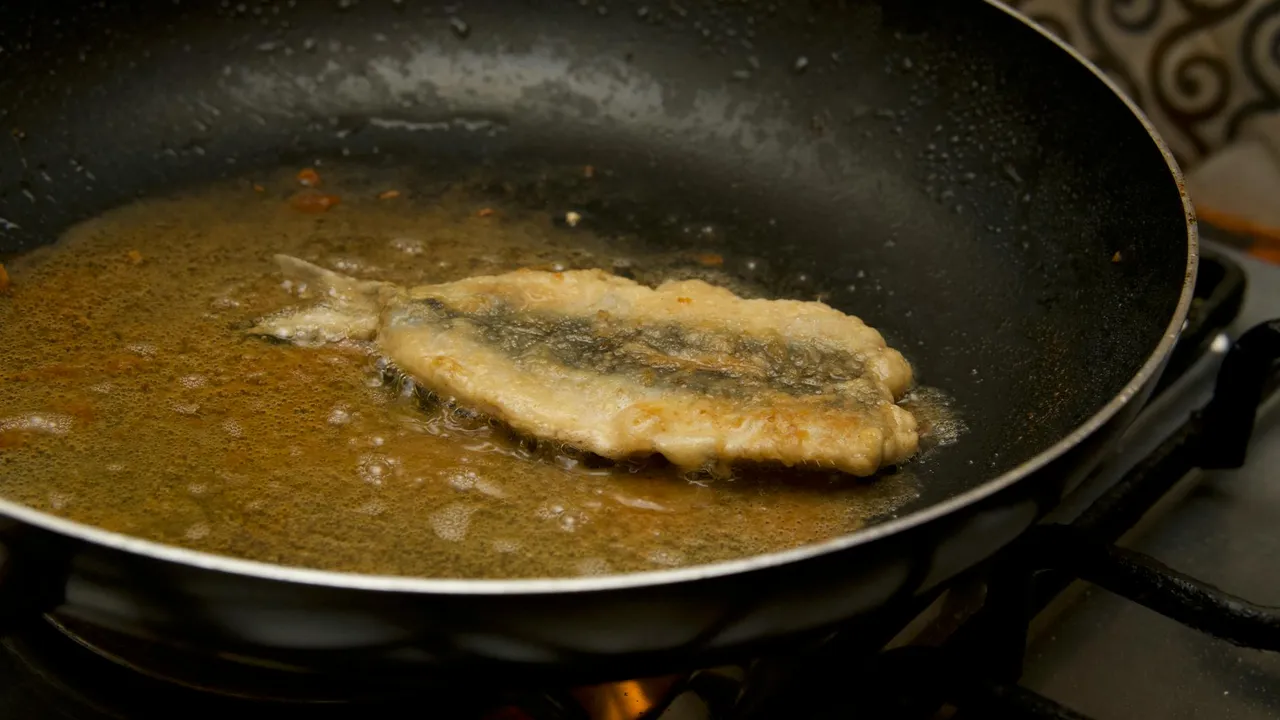
Think of your cooking oils like guests at a dinner party. Each one has a unique personality. Some are quiet supporters. Others make a bold, memorable entrance. Getting to know their taste profiles turns cooking from a chore into a creative act.
The Quiet Background: Neutral Oils
These oils are the best supporting actors in your kitchen. They have a clean, light personality that lets your main ingredients take center stage. You taste the sear on the chicken, the sweetness of the carrot, not the oil itself.
Does grapeseed oil have a taste? It is incredibly mild, with just a whisper of crisp, clean flavor, like the lightest possible note of fresh seeds. I keep a bottle of organic, expeller-pressed grapeseed oil on my shelf for mayonnaise and salad dressings where I want pure texture, not extra flavor.
Other oils in this quiet category include:
- Refined avocado oil (nearly tasteless)
- Organic canola oil (very light)
- Most “vegetable” or sunflower oils
Warm and Toasty: Nutty Oils
These oils bring cozy warmth to a dish. Imagine the scent of toasted nuts in a hot pan. That’s the soul of this group. They add a layer of comforting, earthy flavor that feels like a hug for your food.
Does peanut oil have a taste? The refined version used for high-heat frying is quite neutral, but unrefined peanut oil has a distinct, aromatic peanut smell and a rich, round flavor. It’s fantastic in stir-fries and pairs well with other Asian cuisine oils.
My favorite nutty oils to play with are:
- Toasted sesame oil (intense, smoky, and perfect for finishing)
- Walnut oil (delicate, perfect for autumn salads)
- Unrefined almond oil (a sweet, gentle nuttiness)
Buttery and Rich Oils
These oils coat your tongue with a creamy, satisfying feel. They add a luxurious mouthfeel and a sense of comfort to whatever you’re making. It’s not just about flavor, but about that smooth, rich texture.
Does unrefined coconut oil taste like coconut? Absolutely. It has a sweet, tropical aroma and a distinct flavor that will shine through in your cooking or baking. I love using it in oatmeal or for popping popcorn for a special treat.
Refined coconut oil, processed to remove that flavor, is almost tasteless and ideal when you just want the cooking properties. Avocado oil, even in its refined state, often has a subtly buttery, smooth quality that makes it a joy to use.
Fruity, Grassy, and Peppery Oils
This is where oils get vibrant and alive. They taste green, fresh, and sometimes even a little spicy. These oils carry the true essence of the fruit or seed they came from.
Extra virgin olive oil is the queen here, with a stunning range. A mild one might taste softly of green apples and butter. A robust, fresh-pressed one can be grassy, artichoke-like, and leave a pleasant peppery tingle at the back of your throat.
Does avocado oil taste like avocado? Unrefined, virgin avocado oil has a faint, grassy, slightly mushroom-like note that hints at the fruit. Refined avocado oil loses this entirely, becoming buttery and mild. For a real taste adventure, try a pungent oil like black seed oil. Is black cumin oil the same as black seed oil? Typically, yes, they both come from Nigella sativa seeds, but the extraction method and quality dramatically affect the potent, earthy, slightly bitter flavor. I use a single drop in dressings.
Matching Oil to Method: A Practical Guide
Choosing the right oil is about partnership. You need to match its flavor personality with its heat tolerance (smoke point). This simple logic prevents kitchen mishaps and makes every meal better. Especially when deciding whether olive oil is suitable for frying.
For Searing, Browning, and Deep-Frying
High heat demands a stable, high-smoke-point oil. Here, you almost always want a neutral personality.
Reach for refined avocado oil or refined peanut oil when you want a crispy, golden sear without any greasy flavor transfer. They can take the heat without smoking or breaking down, letting the Maillard reaction (that beautiful browning) work its magic on your food.
For Everyday Sautéing, Roasting, and Pan-Frying
This is your medium-heat playground, where you can start to introduce flavorful oils. The key is to not overwhelm the dish.
A good extra virgin olive oil is perfect for roasting vegetables, as its fruity notes caramelize beautifully. Unrefined coconut oil adds a lovely sweetness to morning eggs or a vegetable curry. A quick tip from my own routine: always swirl your oil in the pan to coat it evenly before adding your food. This creates an instant non-stick layer.
For Baking Cakes, Breads, and Muffins
Baking is chemistry, and oil provides moisture and tenderness. You typically want an oil that is liquid at room temperature and mild, so it doesn’t fight with your vanilla, citrus, or spices.
Mild or light tasting olive oil, avocado oil, or melted refined coconut oil are all excellent, neutral choices. Remember, the oil’s flavor bakes right into the crumb of your treat, so choose your personality wisely. A chocolate cake can handle coconut oil, but a vanilla sponge might not.
For the Final Touch: Finishing and Drizzling
This is where you let the most expressive oils sing. Never heat these delicate, flavorful bottles. Add them after cooking to preserve their character and nutrients.
Drizzle a robust, peppery olive oil over finished pasta or soup. A few drops of toasted walnut oil over vanilla ice cream is sublime. For a wellness boost, I’ll stir a single drop of that potent black seed oil into a tablespoon of honey or a simple vinaigrette. This final step turns a meal into an experience.
Culinary Oils in Your Home Apothecary
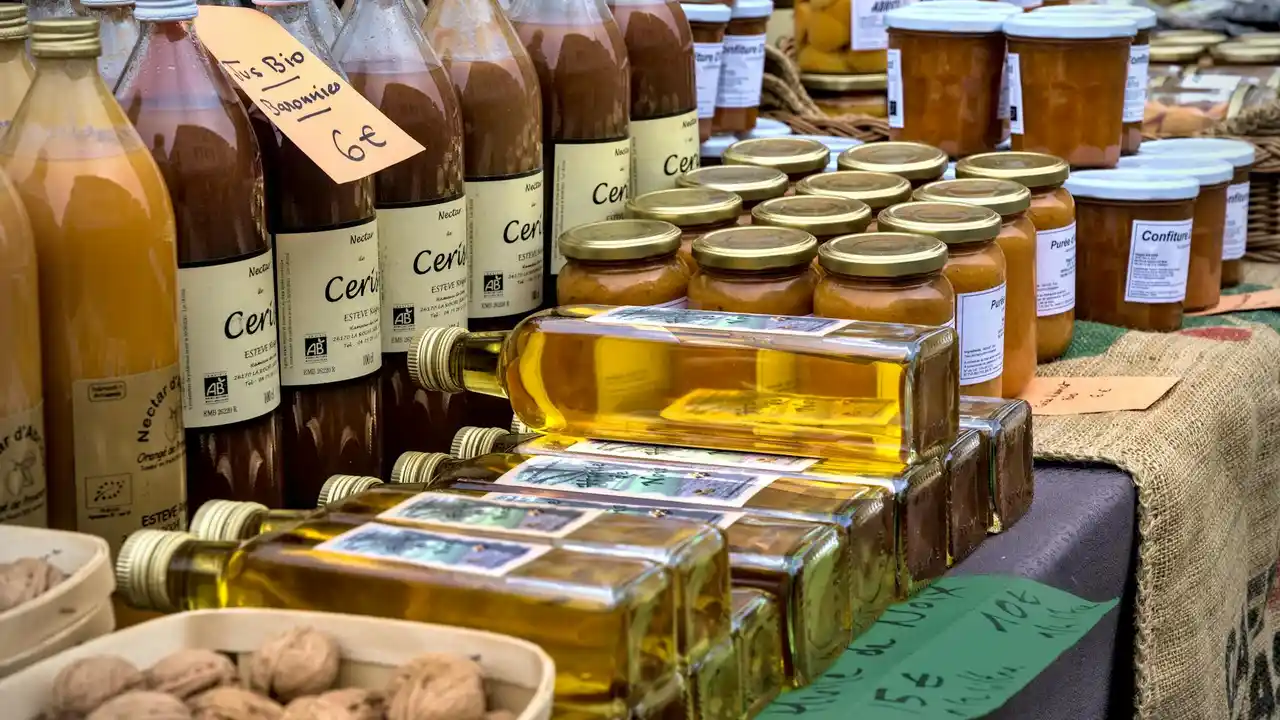
The line between your kitchen shelf and your wellness space is wonderfully thin. Many oils you cook with can also support simple, homemade body care. This is my favorite kind of resourcefulness.
It starts with seeing oils not just as ingredients, but as gentle bases for other botanicals.
Crafting Simple Herb-Infused Oils
An infused oil is simply a carrier oil that has soaked up the properties of an herb or spice. I keep a small jar of rosemary-infused olive oil in my fridge at all times.
Here is my go-to, safe method for a quick infusion:
- Choose a neutral oil with good stability, like light olive oil or sunflower oil.
- Use completely dry herbs (like rosemary or thyme) or dried aromatics (garlic, chili). Moisture causes spoilage.
- Place them in a very clean, dry glass jar and cover with oil by an inch.
- Seal the jar and place it in a sunny window for 1-2 weeks, giving it a gentle shake daily.
- Strain the oil through a cheesecloth into a clean bottle, label it, and refrigerate.
Refrigeration is non-negotiable for these homemade infusions to prevent bacterial growth.
You can use these oils to add a gentle herbal note to roasted vegetables or dressings. They also make a perfect base for a simple muscle salve when blended with beeswax.
Multi-Use Oils: From Salad to Skin
Some culinary oils gracefully pull double duty. A bottle of food-grade sweet almond oil or fractionated coconut oil can easily move from your pantry to your bathroom.
Fractionated coconut oil stays liquid and is utterly neutral, making it a brilliant all-purpose carrier for body massage or a light hair serum. Oil fractionation is the process that keeps coconut oil liquid at room temperature.
Sweet almond oil is a classic, lightweight moisturizer you can mix with a drop of lavender oil for a calming pre-bedtime rub.
Always, always patch test an oil on a small area of your inner arm before wider use, especially if you have nut allergies. Your kitchen oil is pure, but your skin’s tolerance is unique.
Straight Answers on Oil Tastes and Types
Let’s clear up the taste mysteries. I often get asked these specific questions.
Avocado Oil: Mild or Flavorful?
This one depends entirely on how it’s processed. Refined avocado oil is my workhorse for high-heat cooking. It’s incredibly mild and neutral. Plus, its high smoke point makes it ideal for frying and other high-heat cooking. It’s valued for healthy fats and its versatile best uses in the kitchen.
The unrefined, cold-pressed version has a subtle, buttery flavor with a faint grassy note.
Neither tastes like a ripe, creamy avocado straight from the fruit. Think of it more as a rich, smooth backdrop.
Coconut Oil: A Tale of Two Tastes
This is the most important distinction to remember. Unrefined (virgin or extra-virgin) coconut oil has a distinct tropical aroma and flavor. It smells like my kitchen on baking day. That distinction matters for how you use it—on skin, in hair routines, or in the kitchen. Virgin coconut oil carries aroma and moisturizing benefits, while refined oil is more neutral and heat-tolerant.
Refined coconut oil has been processed to remove that scent and taste. It’s neutral.
Use unrefined when you want that coconut essence in curries or granola, and refined when you need a neutral fat for frying or in recipes where coconut flavor isn’t welcome.
Clarifying Seed and Nut Oils
Is black cumin oil the same as black seed oil? Generally, yes. Both terms usually refer to oil pressed from the tiny, potent seeds of *Nigella sativa*.
Its taste is robust, pungent, and slightly bitter-a little goes a long way. I use it as a finishing accent, drizzling a few drops over hummus or soup, much like you would a strong extra virgin olive oil.
Other Oils You Might Wonder About
Grapeseed oil is light, crisp, and almost unnoticeable. It’s fantastic for vinaigrettes where you want the vinegar and herbs to shine.
Most bottles labeled simply “vegetable oil” are a refined blend of soybean, canola, or others. They are designed to be flavorless and have a high smoke point. Vegetable oils are versatile but vary significantly in their composition and uses.
The very best way to learn an oil’s profile is to dip the tip of a clean spoon in and taste a tiny bit. Note its texture, its flavor, and what it reminds you of. Your own palate is the perfect guide.
Your Questions, Answered
How do I choose between two oils with a similar smoke point?
Let the flavor profile of the oil be your guide. Think about whether you want the oil to add a character of its own or to quietly support the other ingredients in your dish.
What’s the best oil for exploring different world cuisines?
Match the oil to the culinary tradition for an authentic foundation. For example, use toasted sesame oil for Asian flavors or a robust extra virgin olive oil for Mediterranean dishes.
How can I keep my flavorful oils tasting fresh?
Protect them from their three enemies: heat, light, and air. Store bottles in a cool, dark cupboard and use them within their recommended timeframe for the best taste.
Is there a trade-off between an oil’s health properties and its cooking performance?
Often, yes. The delicate, nutrient-rich compounds in unrefined oils that benefit wellness are also what make them sensitive to high heat. For high-temperature cooking, a refined oil’s stability is the healthier choice to avoid harmful breakdown.
Cultivating Confidence in Your Kitchen Apothecary
The most reliable rule on my own shelf is to match the oil’s character to the task. A delicate, fragrant oil like unrefined avocado is for finishing and gentle warmth, while a steadfast, neutral oil like high-oleic sunflower is your foundation for everyday creating.
I share these guides from my own trials with both dinner and body oil blends. Trust your senses as you explore, and know you can always return here for grounded, practical advice on oils for body, skin, hair, wellness and home.
Further Reading & Sources
- How to Taste – California Olive Oil Council
- How To Taste Olive Oil Like A Pro – Bona Furtuna
- Flavor and Taste in Olive Oil – The Olive Oil Source
- Guide to Common Cooking Oils – Farm Flavor
Noemi is an accomplished wellness researcher, nutrition care guide and body care expert. She has years of experience in formulating various oil combinations for full body wellness including face, hair, body care, essential oils and cooking oils. She works as a bio-formulator working with oil chemistry and analyzing the best formulations when it comes to your needs. Feel free to reach out to get your oil needs sorted.