
What Are the Right Frying Times for Different Foods and Oils?
Ever stare into a pan of oil, unsure if your food is done or about to burn? I’ve tested oils on my stove for years, and I can tell you that perfect timing is simpler than you think.
You’ll learn how to pair oil properties with food density for reliably golden, crisp results.
- Why oil smoke point is your first timer
- Frying times for chicken, fish, and vegetables
- How peanut oil differs from olive oil in the pan
- Adjusting for a deep fryer versus a skillet
Key Takeaways: Your Frying Cheat Sheet
Let’s start with the simple truths that live on a sticky note by my stove.
- The oil’s smoke point is your most important guide for frying.
- Heat chemically changes oil, so never let it smoke or it will taste bitter.
- Food type, thickness, and temperature matter more than a perfect timer.
- Your own senses-the sight of golden crust, the sound of a steady sizzle-are your best tools.
- Pat food dry first. Water makes oil spit and lowers its temperature.
Choosing Your Oil: A Guide to Botanical Heat Personalities
Think of your oils like friends with different temperaments. Some are calm and steady for high heat, while others are flavorful but a bit more delicate. Matching their personality to your pan’s heat makes everything better.
The most frequent question I get is: What type of oil is best for high-temperature frying? My top shelf picks are avocado oil, refined safflower or sunflower oil, and peanut oil. They keep their cool when the heat is on, unlike some oils that are less stable for high heat.
High-Heat Champions (Over 400°F)
These oils are your steady anchors for serious heat. A high smoke point means the oil stays stable, so your food fries quickly without absorbing too much oil or developing off-flavors. That understanding ties into our science-backed guide on smoke points, helping you choose oils for different cooking methods. With the right oil, you can tailor heat and flavor for searing, sautéing, or finishing dishes.
Avocado Oil (approx. 520°F)
This is my go-to for searing and deep-frying. It has a buttery, mild flavor and remarkable stability. I keep a bottle specifically for making perfect sweet potato fries.
Refined Safflower or Sunflower Oil (approx. 450-510°F)
Extremely neutral in flavor, these are perfect when you want the food’s taste to shine. They are excellent for batch frying like chicken or doughnuts.
Peanut Oil (approx. 450°F)
A classic for deep fryers with a faint, pleasant nutty essence. It creates a wonderfully crisp crust and is a staple for many professional kitchens.
Rice Bran Oil (approx. 490°F)
This is a secret weapon for stir-frying. It’s light, clean, and helps food achieve a non-greasy, crisp texture.
Reliable All-Rounders (375°F – 400°F)
This group is your everyday workhorse. They handle most pan-frying, sautéing, and moderate deep-frying tasks with ease.
Canola Oil (approx. 400°F)
Neutral and affordable, it’s a dependable choice for frying eggs, pancakes, or breaded cutlets. I use it when I need a simple, no-fuss oil.
Grapeseed Oil (approx. 390°F)
It has a very light, clean profile and a slightly higher smoke point than olive oil, making it great for pan-searing fish or vegetables. For truly high-heat cooking, its stable smoke point makes grapeseed oil a solid option.
Vegetable or Corn Oil (approx. 400-450°F)
These are blends designed for frying. They are cost-effective for larger deep-frying projects and have a neutral taste.
Refined Coconut Oil (approx. 400°F)
Unlike its unrefined cousin, this has no coconut aroma. It’s solid at room temp but melts clearly, offering a subtle sweetness for frying plantains or making popcorn.
Flavor Specialists & Finishing Oils
These oils are like precious spices. Their lower smoke points and distinct characters mean they’re best for gentle heat or adding at the very end. They also carry distinct taste profiles that can shape dishes, whether you’re cooking or baking. Exploring the different types of culinary oils helps you choose the right one for each step.
Extra Virgin Olive Oil (approx. 350-410°F)
I use it for light pan-frying over medium heat, where its peppery, grassy notes can meld into the dish. Think sautéing garlic for a sauce or gently frying a piece of fish. Watch it carefully, as it will smoke sooner than refined oils.
Toasted Sesame Oil (approx. 350°F)
This is not a frying oil. Its intense, nutty whisper is magical. I add a tiny drizzle to a stir-fry after turning off the heat or use it in a marinade.
Unrefined Coconut Oil (approx. 350°F)
With its lovely tropical scent, it’s perfect for low-temperature frying, like scrambling eggs or making granola. The aroma will infuse your food.
The Foundations: Heat, Safety, and Knowing When It’s Right
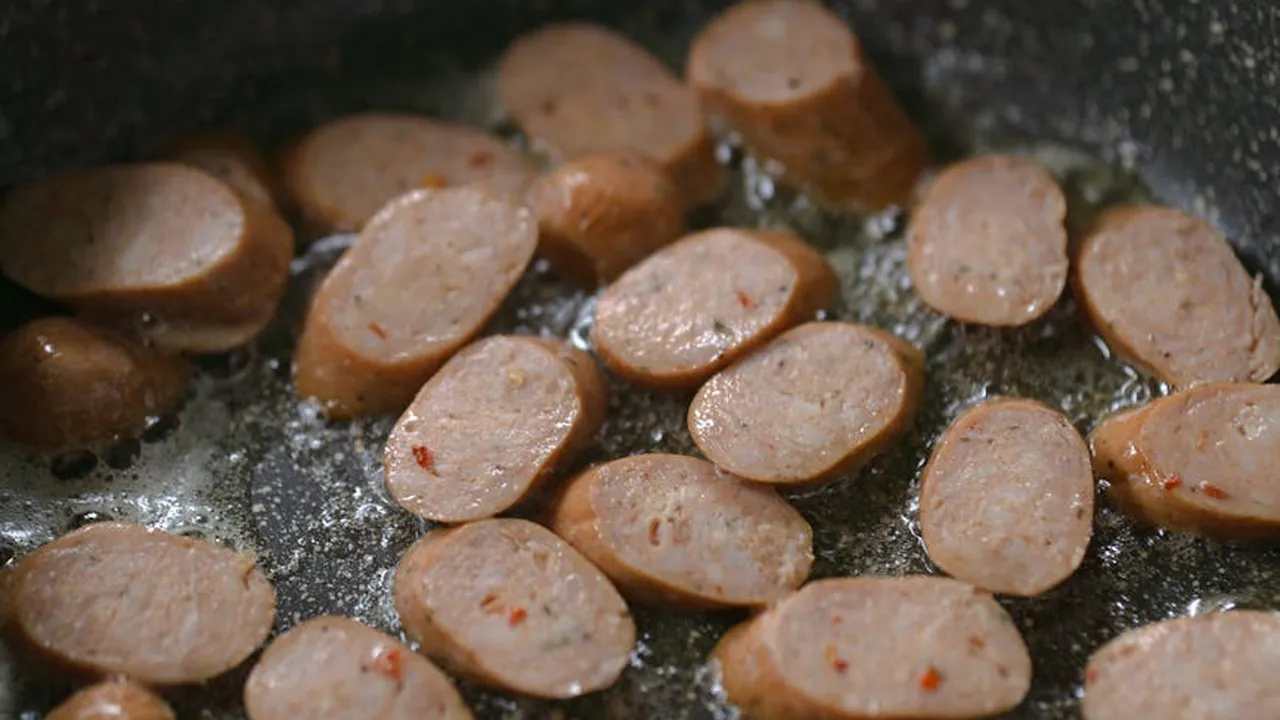
Before we talk minutes and seconds, let’s get comfortable with the feel of good frying. Think of it like preparing a herbal infusion. The right temperature and a calm approach make all the difference.
The sweet spot for most deep-frying is between 350°F and 375°F. I call this the Goldilocks zone. Too cool, and food soaks up oil like a sponge. Too hot, and the outside burns before the inside cooks.
No thermometer? No problem. You have two simple tests. The bread cube test: a 1-inch bread cube should turn golden brown in 60 seconds. The wooden chopstick test: dip the tip of a dry wooden chopstick into the oil. If steady, gentle bubbles form around it, you’re ready to go.
Your food will tell you when it’s done. Look for a consistent golden color. Listen for a steady, gentle sizzle (a frantic splatter means the oil is too wet or cold). Most items will float to the surface when they’re ready.
Keep your kitchen serene with a few simple safety habits I always follow. Pat your food very dry with paper towels. Water and hot oil are not friends. Do not crowd the pot. Adding too much at once makes the temperature plummet. Finally, always keep a lid for your pot within arm’s reach. If you ever see flames, slide the lid on to smother them. Never, ever use water.
Your Practical Frying Guide: Times for Favorite Foods
Here is a breakdown by food, with the best oils and cues I’ve learned from my own kitchen experiments.
Frying Potatoes: Fries, Chips, and Home Fries
Potatoes are all about building texture. The double-fry method for french fries is my non-negotiable secret for a crisp outside and fluffy inside.
How long do you fry french fries in peanut oil? First, blanch them at 325°F for 3-5 minutes until soft but not colored. Let them drain and cool. Then, for serving, fry at 375°F for 2-3 minutes until crisp and golden. Peanut oil’s high smoke point and neutral flavor are perfect here.
What is the frying time for potato chips in sunflower oil? Use a mandoline for even slices. Fry at 375°F for just 2-3 minutes. Watch closely. The bubbles around the chips will get slow and lazy when they’re done. Sunflower oil gives a light, clean taste that lets the potato shine.
Frying Poultry: Wings, Breast, and Tenders
With poultry, trust temperature more than time. A good instant-read thermometer is your best friend for juicy, safe results.
What is the recommended frying time for chicken wings in canola oil? At 375°F, plan for 10-12 minutes. They should be deeply golden, and the internal temperature must reach 165°F. Canola oil is affordable and stable for this longer fry.
How long do you fry chicken breast in oil? For thin, even cutlets, aim for 4-5 minutes per side at 365°F. The outside will be a perfect golden brown.
How long to cook chicken tenders in oil? These are quicker. At 365°F, they usually need just 3-4 minutes total until golden and cooked through.
Frying Seafood: Fillets and Tempura
Seafood cooks fast. It’s done when it becomes opaque and flakes easily with a fork. A light touch is key.
What is the ideal frying time for fish fillets in vegetable oil? At 365°F, a typical fillet takes 3-5 minutes. The fish will turn opaque and flake gently when nudged with a fork. A blend of vegetable oils works wonderfully for its neutral profile.
What is the recommended time for frying tempura in sesame oil? Here’s a pro tip from my shelf: never fry tempura in *pure* sesame oil. Its flavor is too strong and it smokes. Instead, blend a tablespoon of toasted sesame oil into a neutral, high-heat oil. Fry your battered veggies or shrimp at 350-360°F for only 2-3 minutes, until the batter is lacy and a very pale gold.
Frying Doughs: Doughnuts and Spring Rolls
Doughs need a specific heat to puff up properly without becoming greasy. Watch the color change.
How long do you fry doughnuts in corn oil? Corn oil has a mild sweetness that complements dough. Fry at 365°F for about 1-2 minutes per side. They will puff up, turn a beautiful golden brown, and often flip themselves over when ready on the first side.
How long to fry spring rolls in coconut oil? Use refined coconut oil for its high smoke point and subtle flavor. At 350°F, fry spring rolls for 3-4 minutes, rolling them occasionally until they are an even, deep brown and perfectly crisp.
Frying Meats: Steak, Pork Chops, and the Big Turkey
This category ranges from a quick sear in a pan to a major outdoor cooking project. The principles of good oil choice remain the same, whether you’re searing, frying, or grilling.
How long should you pan-fry a steak in avocado oil? This is a sear, not a deep fry. Get your cast-iron pan screaming hot. Add a high-heat oil like avocado. Sear your steak for 2-4 minutes per side, depending on thickness, to develop a crust. Then, I always finish it with butter and herbs off the direct heat.
What is the recommended time for deep-frying turkey in peanut oil? This is a special event. The rule is 3-4 minutes per pound at 350°F. The most critical step is ensuring your turkey is completely thawed and patted bone-dry, inside and out, before it ever meets the oil. Peanut oil is the traditional choice for its high smoke point and stability. Please follow a trusted, step-by-step guide for this one. Safety is everything.
Caring for Your Oil: Making It Last and Letting It Go
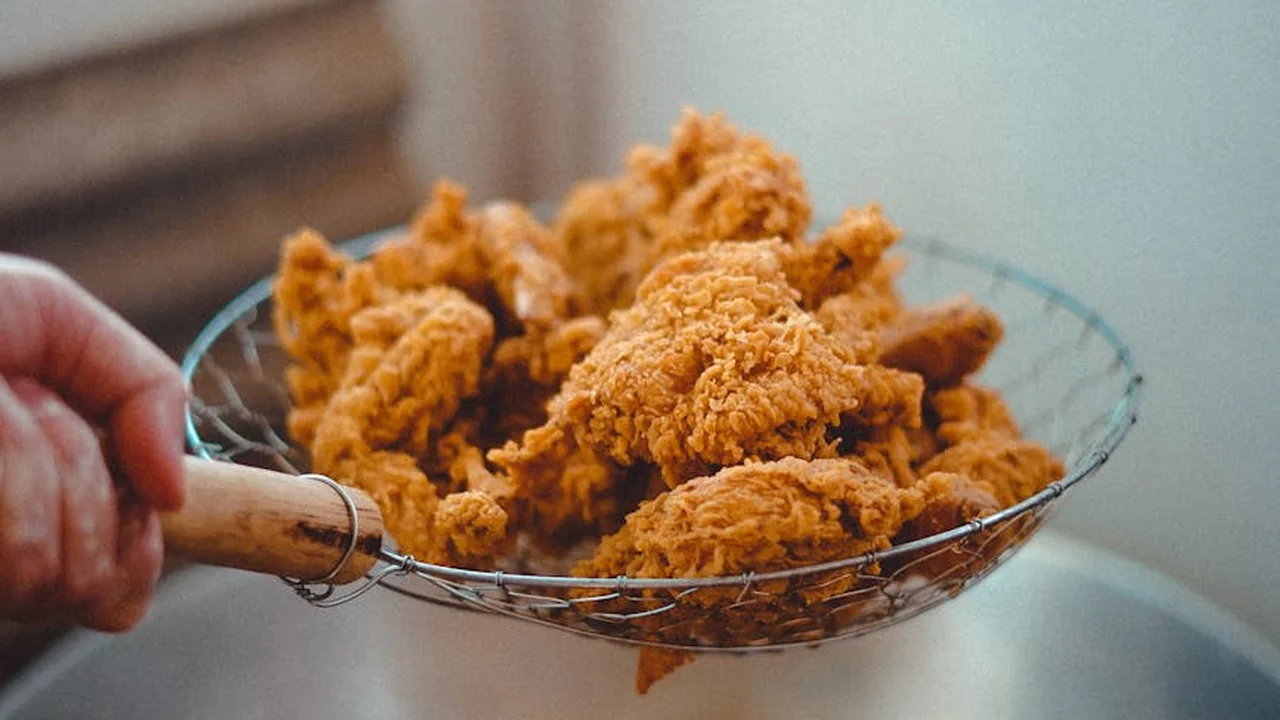
Think of your frying oil like a good herbal infusion. With a little care, you can extend its useful life. I keep a dedicated glass jar in my pantry just for this purpose.
How to Filter and Store Used Oil
Let the oil cool completely after frying. I mean completely warm to the touch, not hot. Pour it through a fine mesh strainer lined with a few layers of cheesecloth or a clean paper coffee filter into your storage container. This catches all those little burnt bits.
Store the filtered oil in a sealed container, away from light and heat, just like you would a precious bottle of carrier oil. A dark cupboard is perfect. This simple step can let you safely reuse oil two or three more times, depending on what you fried. This aligns with clean, safe reuse of cooking oil at home. The next steps add practical tips to keep oil safe for reuse.
Knowing When It’s Time to Say Goodbye
Your oil will tell you when it’s done. Don’t ignore these signs. First, look at it. Fresh oil is clear and light. Spent oil turns dark and murky. Next, feel it. It will become thicker and stickier.
Finally, trust your nose. If it smells “off,” rancid, or just unpleasantly greasy instead of neutral, it’s past its prime. If it starts foaming excessively the moment you heat it, that’s its final plea for retirement.
Responsible Disposal and a Note on Reuse
Never, ever pour used oil down your drain. It will solidify and cause major plumbing issues. My method is to let the old, cooled oil solidify in its jar or pour it into an old milk carton, then toss it in the trash.
Reusing oil too many times breaks down its structure, which can lead to unpleasant flavors in your food and the creation of unwanted compounds. When in doubt, toss it out. Your taste buds and your wellness will thank you.
Common Mistakes and How to Avoid Them
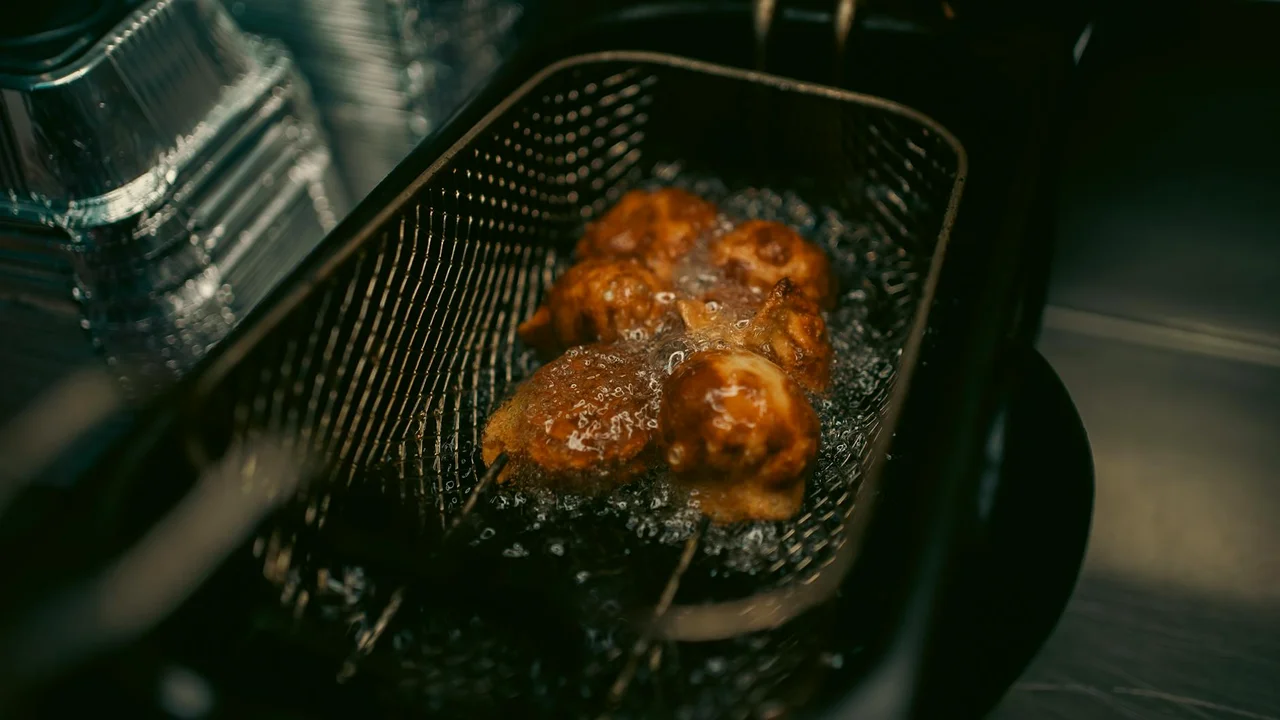
We’ve all been there. A bit of smoke, a splatter, a disappointing batch. These are common stumbles, and they’re all avoidable with a bit of know-how.
Using an Oil With Too Low a Smoke Point
This is like using a delicate facial oil in a hot pan. It just breaks down. Extra virgin olive oil or unrefined walnut oil are beautiful for dressing, not for high heat frying.
Always match your oil’s smoke point to your cooking temperature. For most frying, reach for a refined, high-heat oil like avocado, peanut, or high-oleic sunflower. Other common oils—olive oil, coconut oil, canola oil, ghee, butter, and tallow—have different smoke points and are often better suited to lower-heat frying or finishing touches.
Adding Wet Food to Hot Oil
Water and hot oil are not friends. They cause violent splattering and can lower your oil’s temperature too fast, leading to soggy food.
Pat your food completely dry with paper towels before it even gets near the pot. This one simple step is a game changer for safety and crispiness.
Crowding the Pan
Adding too much food at once drops the oil temperature dramatically. Your food will steam and soak up oil instead of frying crisp. I did this with sweet potato fries for years and wondered why they were always limp.
Fry in small, manageable batches. This keeps the oil hot and ensures each piece gets that perfect, golden seal.
Trying to Fry Frozen Food
This combines the two previous mistakes. It adds ice (water) and cools the oil down instantly. The result is often a greasy, undercooked exterior.
Always thaw frozen foods completely and pat them dry before frying. Your oil will stay hotter, cleaner, and your food will cook evenly.
Not Monitoring the Oil’s Temperature
Guessing the temperature is a sure path to burnt or greasy food. Without a thermometer, you’re flying blind. I keep a simple clip-on candy/deep fry thermometer right in my utensil crock.
Use a thermometer. It’s the single most reliable tool for perfect frying results every single time. Heat your oil to the right temperature for your food, including chicken, and adjust the flame to maintain it.
Your Frying Questions, Answered
What type of oil is best for high-temperature frying?
For temperatures over 400°F, choose oils with high smoke points like avocado, refined safflower/sunflower, or peanut oil. Their stable nature prevents burning and ensures your food fries cleanly and crisply. These oils are among the best for frying chicken, fish, steak, french fries, and turkey. Choosing one depends on the flavor and texture you want.
What’s the best way to use sesame oil for tempura?
Never fry tempura in pure sesame oil. Instead, blend one tablespoon of toasted sesame oil into a neutral, high-heat oil for flavor; fry at 350-360°F for 2-3 minutes until the batter is lacy and pale gold.
Why is avocado oil recommended for pan-searing a steak?
Avocado oil has a very high smoke point (around 520°F), which is perfect for creating a superb crust without smoking. Its mild, buttery flavor also complements the meat without overpowering it. This makes avocado oil great for high-heat cooking and frying. It also offers health benefits and flexible uses in the kitchen.
Any crucial tips for deep-frying a turkey?
Beyond the 3-4 minutes per pound guideline, the absolute rule is to ensure your turkey is completely thawed and patted bone-dry to prevent dangerous oil eruptions. Always use a high-smoke-point oil like peanut oil and follow a dedicated safety guide.
From the Pan to the Pantry
The heart of good practice is matching a robust oil to your task. This protects both your meal and the oil’s own beneficial integrity, keeping those good qualities right where you want them.
I hope this guide gives you confidence to experiment in your kitchen. For more ways to bring these wonderful oils into your daily life for body, skin, hair, and home, I welcome you to follow along right here.
Deep Dive: Further Reading
- The Perfect Frying Oil Temp for Common Cooking Oils
- Vegetable Oils and Their Use for Frying: A Review of Their Compositional Differences and Degradation – PMC
- Here’s How Long to Fry Every Food (Deep Frying Temperature Chart Included!)
- Determining the Reuse of Frying Oil for Fried Sweet and Sour Pork according to Type of Oil and Frying Time – PMC
- Deep Fat Frying and Food Safety | Food Safety and Inspection Service
- A review of different frying oils and oleogels as alternative frying media for fat-uptake reduction in deep-fat fried foods – PMC
Noemi Kamińska
Noemi is an accomplished wellness researcher, nutrition care guide and body care expert. She has years of experience in formulating various oil combinations for full body wellness including face, hair, body care, essential oils and cooking oils. She works as a bio-formulator working with oil chemistry and analyzing the best formulations when it comes to your needs. Feel free to reach out to get your oil needs sorted.